
 rifanmuazin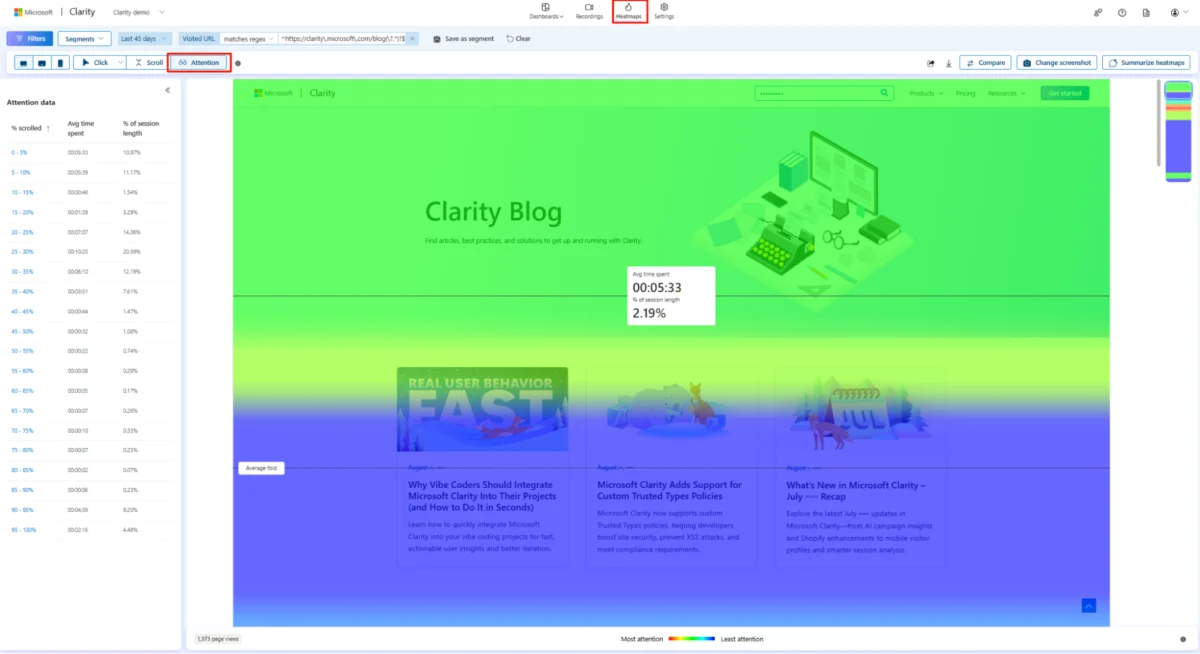
In the rapidly evolving landscape of digital marketing and user experience (UX) design, the ability to interpret visitor behavior has transitioned from a competitive advantage to a fundamental necessity. As global e-commerce sales are projected to exceed $6.3 trillion in 2024, businesses are increasingly relying on behavioral analytics to bridge the gap between quantitative data—the "what"—and qualitative insights—the "why." Within this sector, two platforms have emerged as primary contenders for market share: Crazy Egg, a veteran pioneer in the heatmapping space, and Microsoft Clarity, a disruptive, free-to-use entry from one of the world’s largest technology conglomerates.
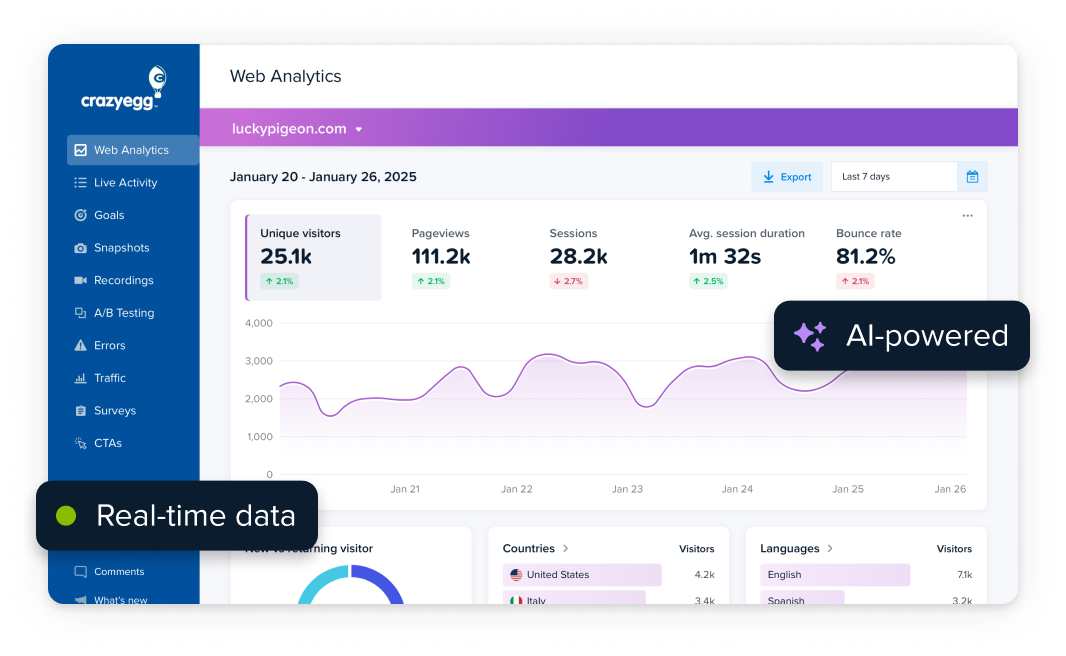
The selection between Crazy Egg and Microsoft Clarity often hinges on a strategic decision regarding a company’s operational workflow. While both platforms provide essential visualizations of user interactions, they serve distinct roles within a marketing stack. Crazy Egg is positioned as a comprehensive Conversion Rate Optimization (CRO) suite, integrating heatmaps with A/B testing, surveys, and error tracking. Conversely, Microsoft Clarity focuses on democratizing high-volume session recordings and heatmaps without the barrier of subscription costs, catering to a broad spectrum of users from small-scale bloggers to enterprise-level developers.
Historical Context and Market Evolution
To understand the current rivalry, one must look at the chronology of the behavioral analytics industry. Crazy Egg was co-founded in 2006 by Hiten Shah and Neil Patel, marking it as one of the first tools to commercialize heatmapping technology. For over a decade, it set the industry standard for click-tracking and segmentation, particularly through its proprietary "Confetti" map, which allowed marketers to see clicks filtered by referral source or search terms.
Microsoft Clarity entered the market much later, launching in late 2020. Its entry was viewed by industry analysts as a strategic move by Microsoft to bolster its Bing Webmaster Tools ecosystem and provide a competitive alternative to Google’s dominance in the analytics space. By offering a completely free tool with no traffic caps, Microsoft fundamentally shifted the expectations of the "freemium" model in the SaaS (Software as a Service) industry, forcing established players to innovate beyond basic visualization features.
Technical Analysis of Visualization Capabilities
The core of both platforms lies in their ability to generate heatmaps—visual representations of where users click, scroll, and move their cursors. While the basic output appears similar, the technical depth varies significantly between the two.
Crazy Egg’s Segmentation Advantage
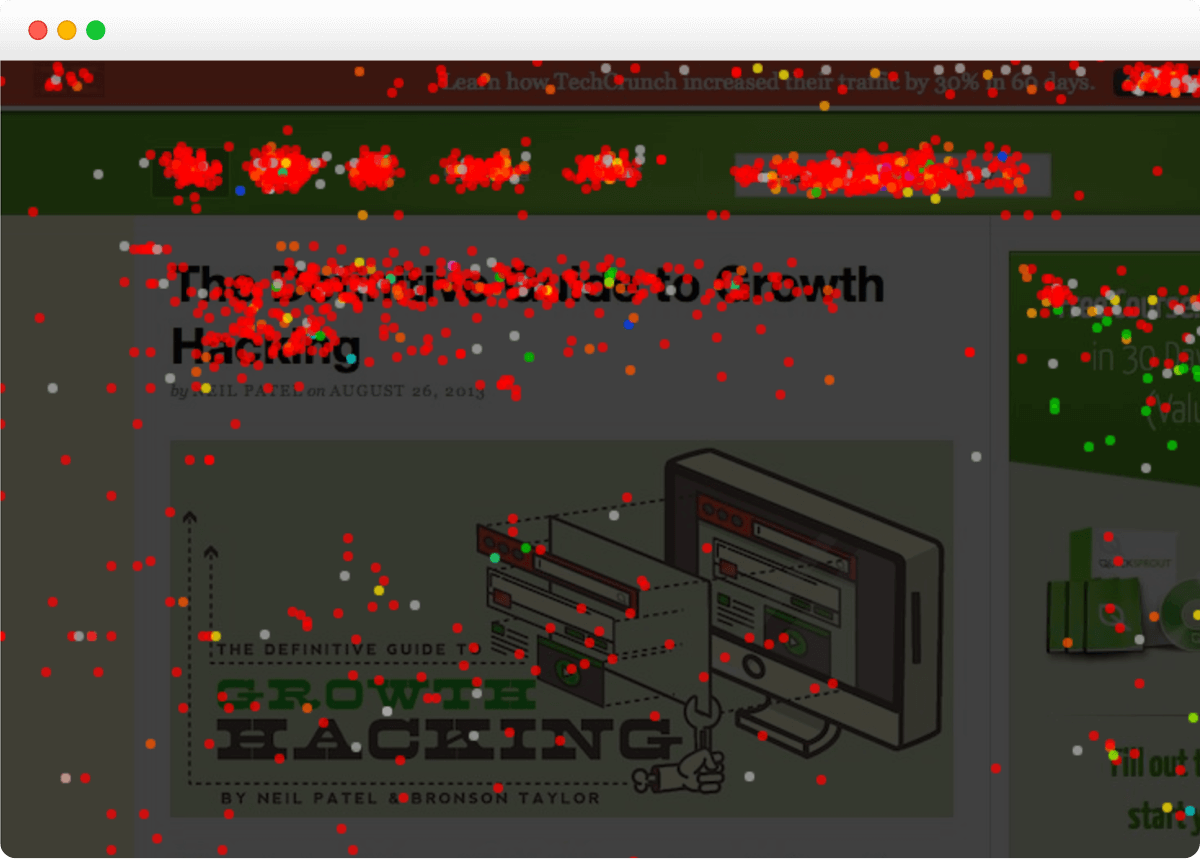
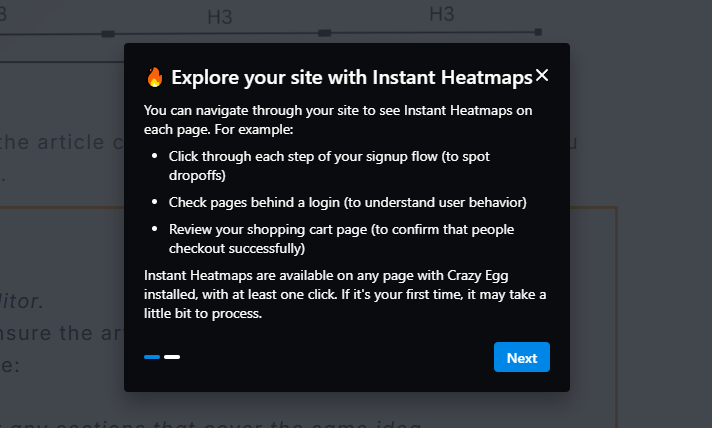
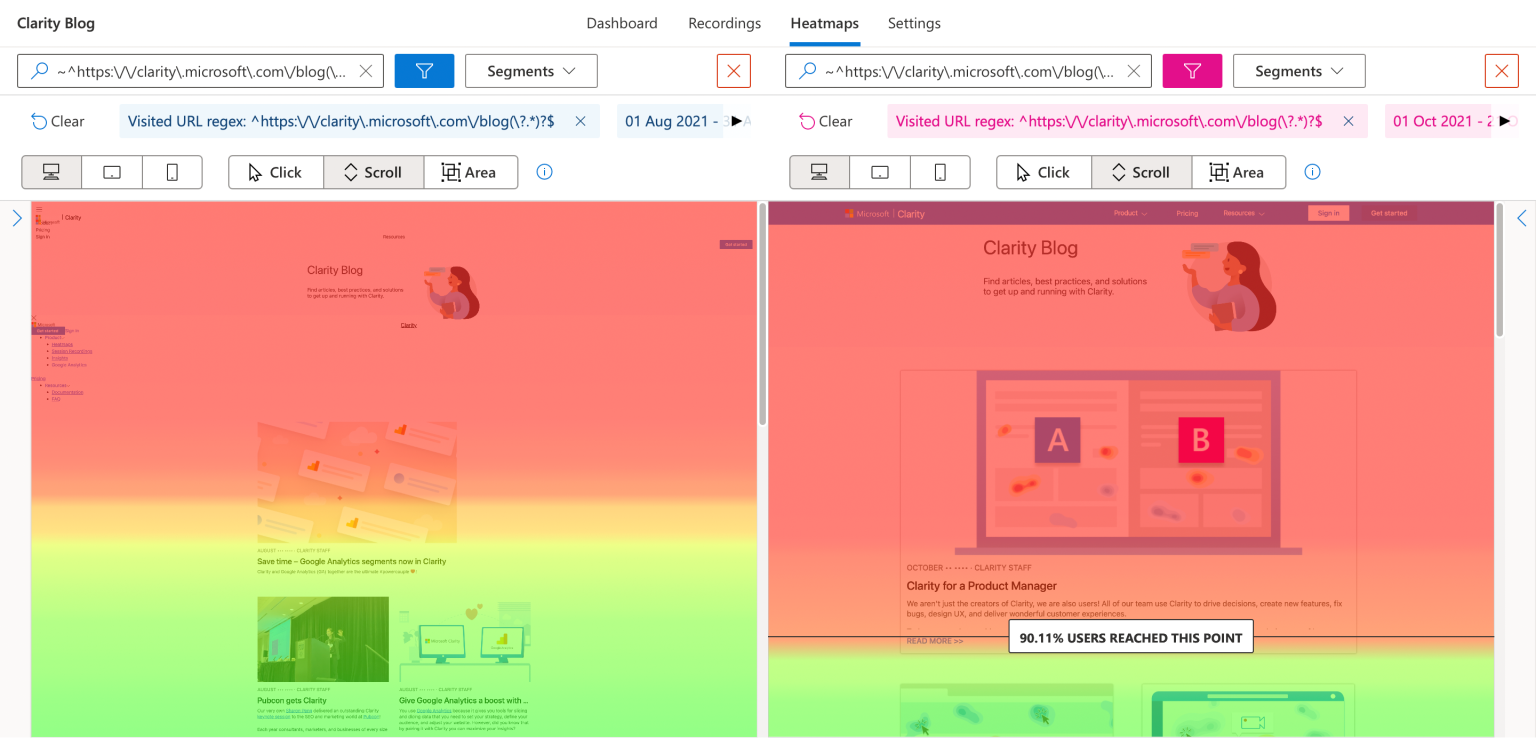
Crazy Egg offers five distinct heatmap types: the classic Heatmap, Scrollmap, Confetti Map, Overlay, and List View. The "Confetti Map" remains a standout feature in the professional market. Unlike standard heatmaps that aggregate all data into a single "glow," the Confetti Map displays individual clicks as color-coded dots. This allows analysts to distinguish between the behavior of a user arriving from a Facebook ad versus one arriving via organic search. For high-performance marketing teams, this granularity is essential for calculating the return on ad spend (ROAS) at a behavioral level.
Microsoft Clarity’s Engagement Metrics
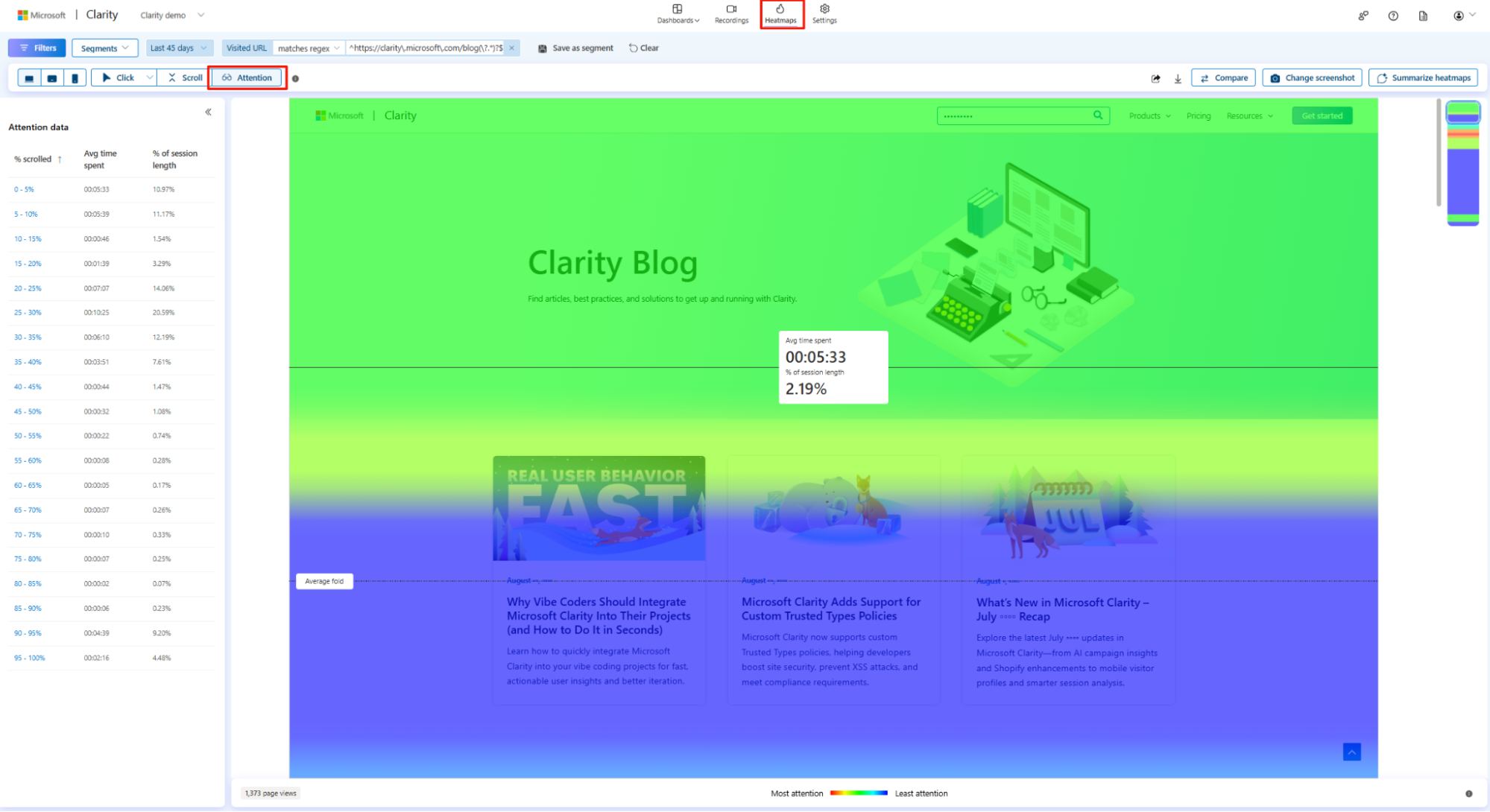
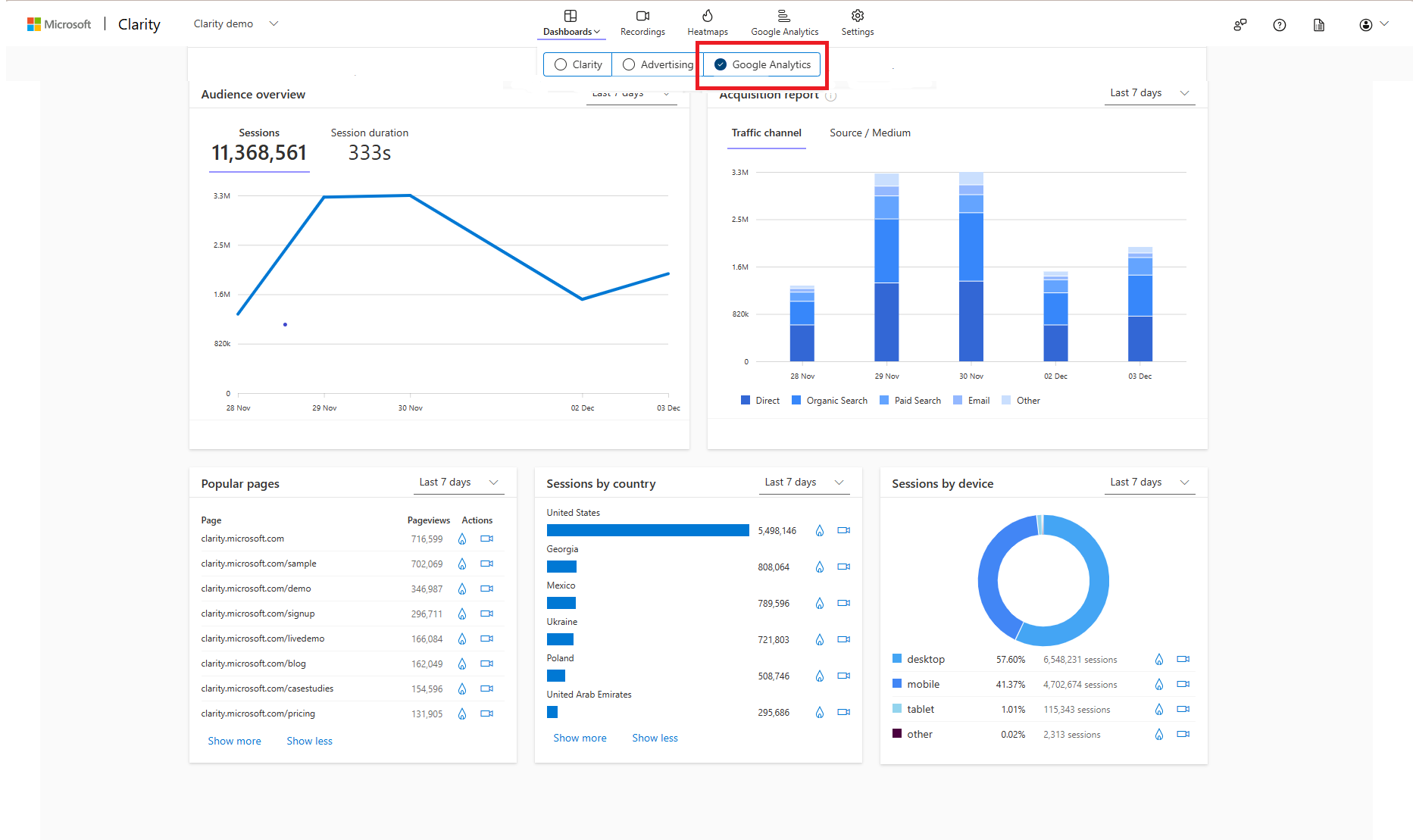
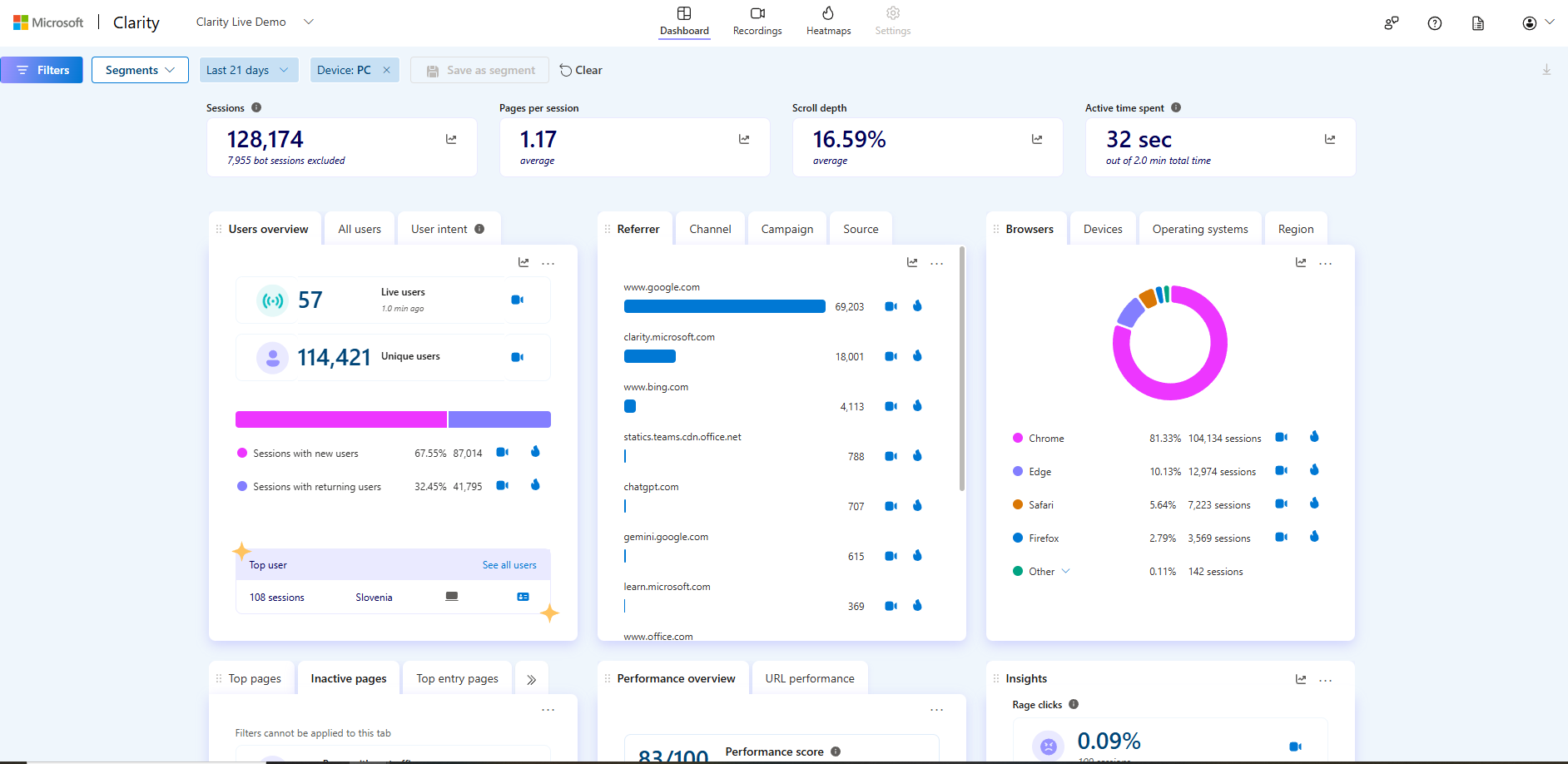
Microsoft Clarity also provides five map types but leans heavily into engagement depth. Its "Attention Map" is a sophisticated version of a scrollmap that measures how much time users spend on specific sections of a page, rather than just how far they scroll. This provides a proxy for content resonance, helping editorial teams understand which parts of a long-form article are actually being read. Furthermore, Clarity’s integration with Google Analytics 4 (GA4) allows users to import existing segments, creating a seamless flow of data between the two platforms.
Session Recordings and Data Retention Policies
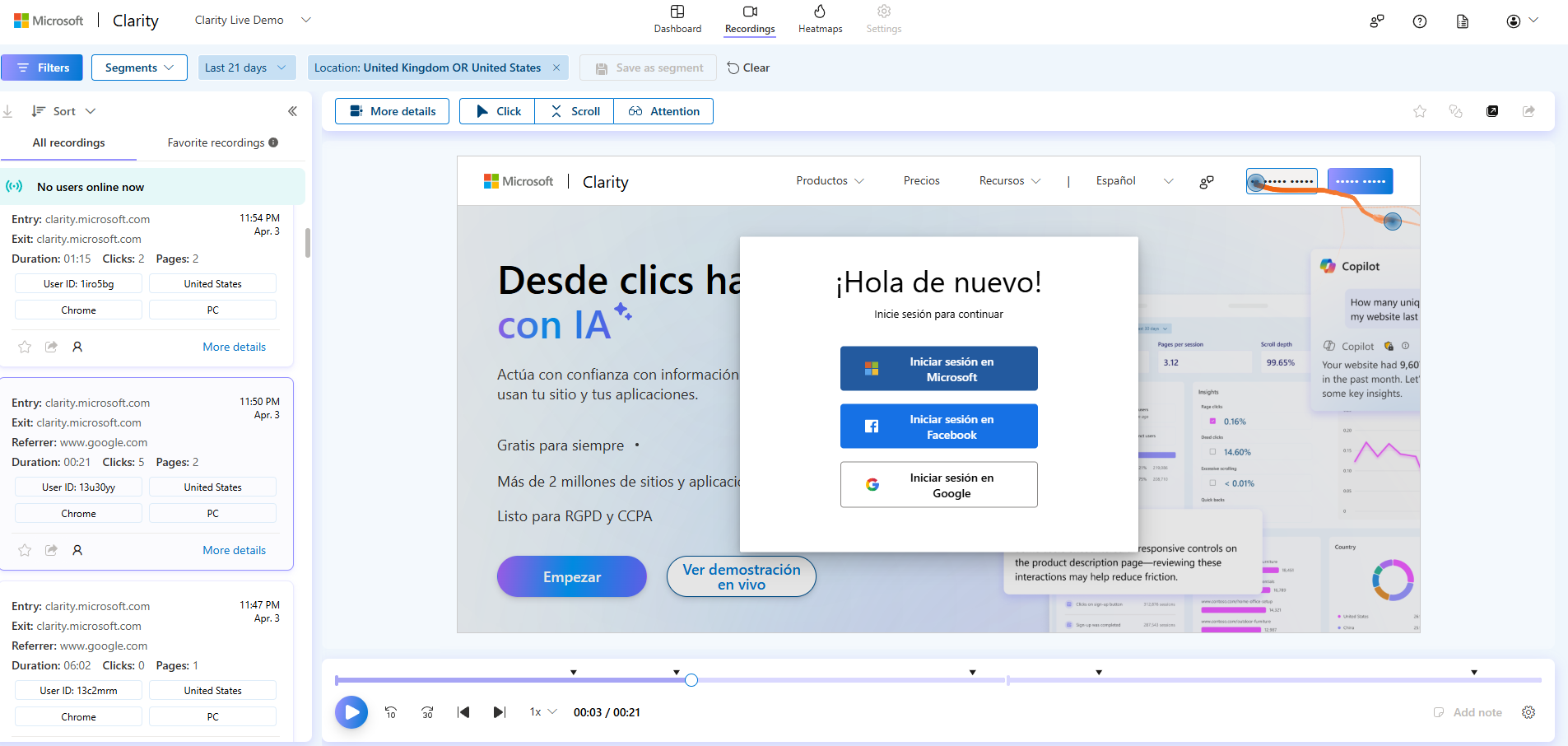
Session recordings allow observers to watch a reconstructed video of a user’s journey through a website. This feature is critical for identifying "friction points" where users might become confused or encounter bugs.
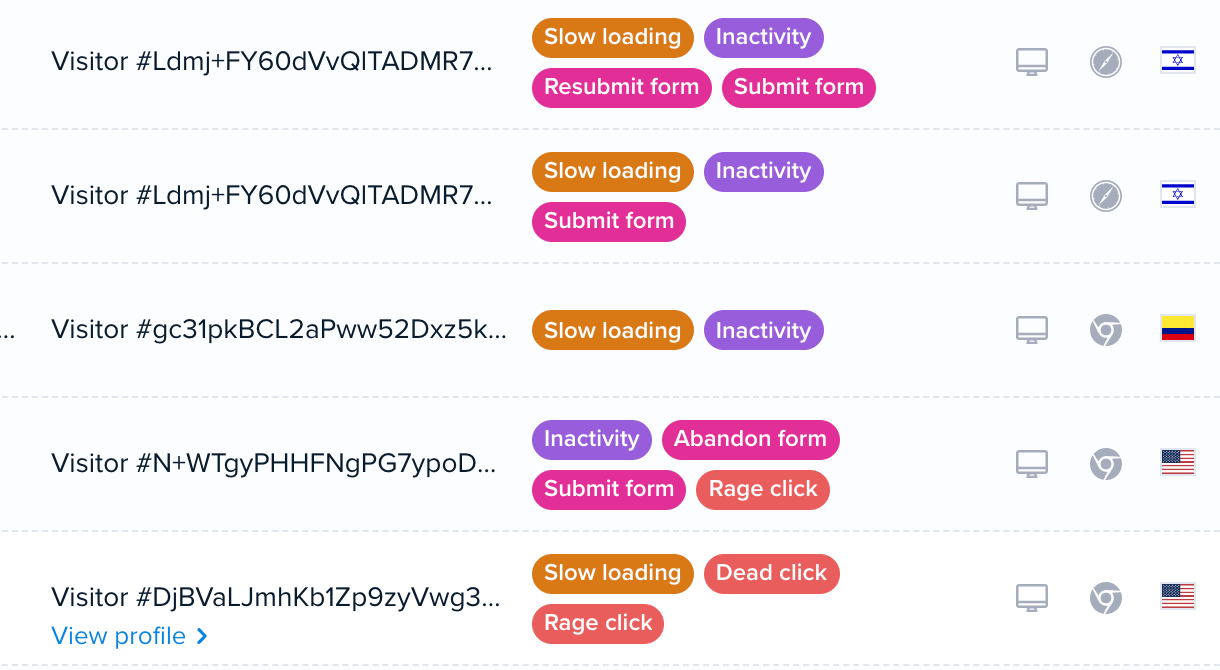
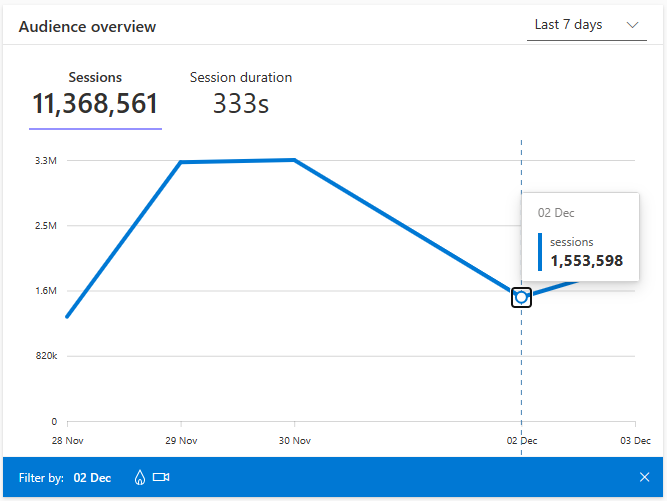
Data from 2023 indicates that the average website conversion rate hovers around 2% to 3%. To improve this, developers need to see the "rage clicks" (repeatedly clicking an unresponsive element) and "dead clicks" (clicking elements that aren’t interactive). Microsoft Clarity offers a significant volume advantage here, supporting up to 100,000 sessions per day with no sampling. This makes it an ideal tool for high-traffic sites that need to monitor large-scale deployments in real-time.
However, Crazy Egg adopts a "quality over quantity" approach. While its recordings are capped based on the subscription tier, it offers superior data retention. Crazy Egg keeps recordings for six months to two years, depending on the plan. In contrast, Microsoft Clarity’s standard retention is a mere 30 days. For businesses with long sales cycles—such as B2B software or luxury real estate—the ability to look back at user behavior from several months ago is a vital requirement that Clarity’s free model does not prioritize.
The Integration of Error Tracking and Visual Debugging
A significant trend in 2024 is the convergence of marketing analytics and technical performance monitoring. Both platforms have recognized that a poor user experience is often the result of technical failure rather than poor design.
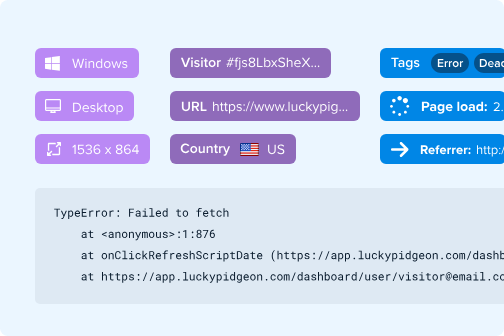
Crazy Egg provides a dedicated Error Tracking module that captures JavaScript errors in real-time. Crucially, it provides full stack traces and links each error directly to the session recording where it occurred. This allows a developer to see exactly what the user did to trigger the crash. The platform also includes a triage workflow, allowing teams to mark errors as "Resolved" or "Ignored," essentially functioning as a lightweight bug-tracking system.
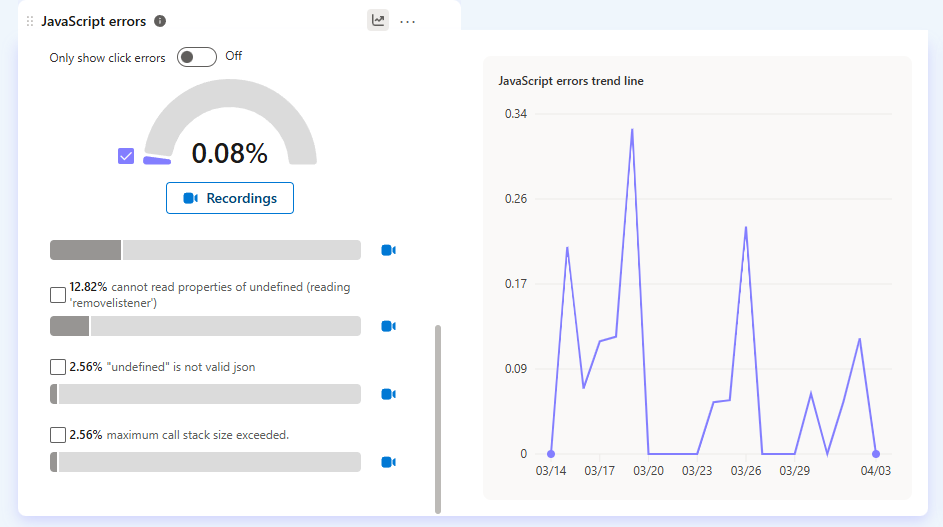
Microsoft Clarity provides a JavaScript error panel that shows the aggregate frequency of errors. While it allows users to filter recordings by those containing errors, it lacks the deep technical stack traces and the formal triage workflow found in Crazy Egg. For organizations where the marketing and engineering teams work closely together, the streamlined hand-off provided by Crazy Egg’s error-tracking suite offers a measurable reduction in "Mean Time to Repair" (MTTR).
Strategic Differences in Conversion Funnels and AI
As artificial intelligence becomes a standard component of data analysis, both companies have integrated generative AI to help users interpret complex datasets.
Microsoft’s Copilot Integration
Leveraging its partnership with OpenAI, Microsoft has integrated "Copilot" into Clarity. This AI tool can summarize thousands of session recordings into a few bullet points, highlighting the most common reasons for user frustration. It also features a conversational interface where users can ask questions like, "Why are people leaving the checkout page?" and receive a plain-English response based on behavioral patterns.
Crazy Egg’s Multi-Channel Conversion Analytics
Crazy Egg’s approach to conversion is more focused on the marketing funnel. Its "Conversion Analytics" feature is designed to track specific goals—such as form submissions or ad pixel triggers from Meta, Google, and TikTok—without requiring manual code changes. Unlike Clarity, which requires a forward-looking setup for funnels, Crazy Egg’s funnels are retroactive. If a marketer decides to track a new path today, the platform can pull historical data to show how that path has performed over the past several months.
Comparative Economic Impact and Pricing Models
The economic decision between these two tools is often framed as "Free vs. Paid," but industry experts suggest the reality is more nuanced. Microsoft Clarity is indeed 100% free with no hidden tiers, which is an unprecedented value proposition for the industry. This has led to rapid adoption among startups and independent developers.
Crazy Egg’s pricing starts at $29 per month (billed annually) for its Starter plan, rising to $249 and above for Pro and Enterprise tiers. The "Plus" plan at $99 per month is generally considered the "sweet spot" for small to medium enterprises, as it unlocks A/B testing and error tracking.
The justification for Crazy Egg’s cost lies in the consolidation of tools. To replicate Crazy Egg’s feature set using Microsoft Clarity, a business would need to pay for:
- An A/B testing tool (e.g., Optimizely or VWO)
- A survey tool (e.g., Typeform or SurveyMonkey)
- A dedicated error-tracking tool (e.g., Sentry)
When these third-party costs are aggregated, Crazy Egg’s "all-in-one" subscription often proves more cost-effective for organizations that require a full CRO stack.
Broader Implications for the Digital Industry
The competition between Crazy Egg and Microsoft Clarity reflects a broader shift in the digital ecosystem. We are moving away from an era of "data collection" toward an era of "data activation." It is no longer enough for a tool to show a heatmap; the tool must now provide the mechanism to fix the problem discovered.
Crazy Egg’s inclusion of native A/B testing allows a marketer to identify a problem in a heatmap and immediately launch a test to fix it within the same interface. This reduces the friction of optimization. Microsoft Clarity, while lacking native testing, acts as a "diagnostic engine" that identifies problems for free, leaving the "cure" to other tools in the user’s stack.
Furthermore, privacy remains a critical concern. Both platforms have adapted to GDPR, CCPA, and the phasing out of third-party cookies. By relying on first-party behavioral data—recorded directly on the site—these tools provide a privacy-compliant way to understand users without the invasive tracking associated with cross-site advertising cookies.
Final Assessment and Industry Recommendations
The choice between Crazy Egg and Microsoft Clarity ultimately depends on the maturity of the organization’s optimization program.
Microsoft Clarity is the recommended choice for organizations that are just beginning their UX journey or those with extremely high traffic volumes that would be cost-prohibitive on a per-session pricing model. Its AI-driven summaries and ease of use make it an excellent entry point for democratizing data across a company.
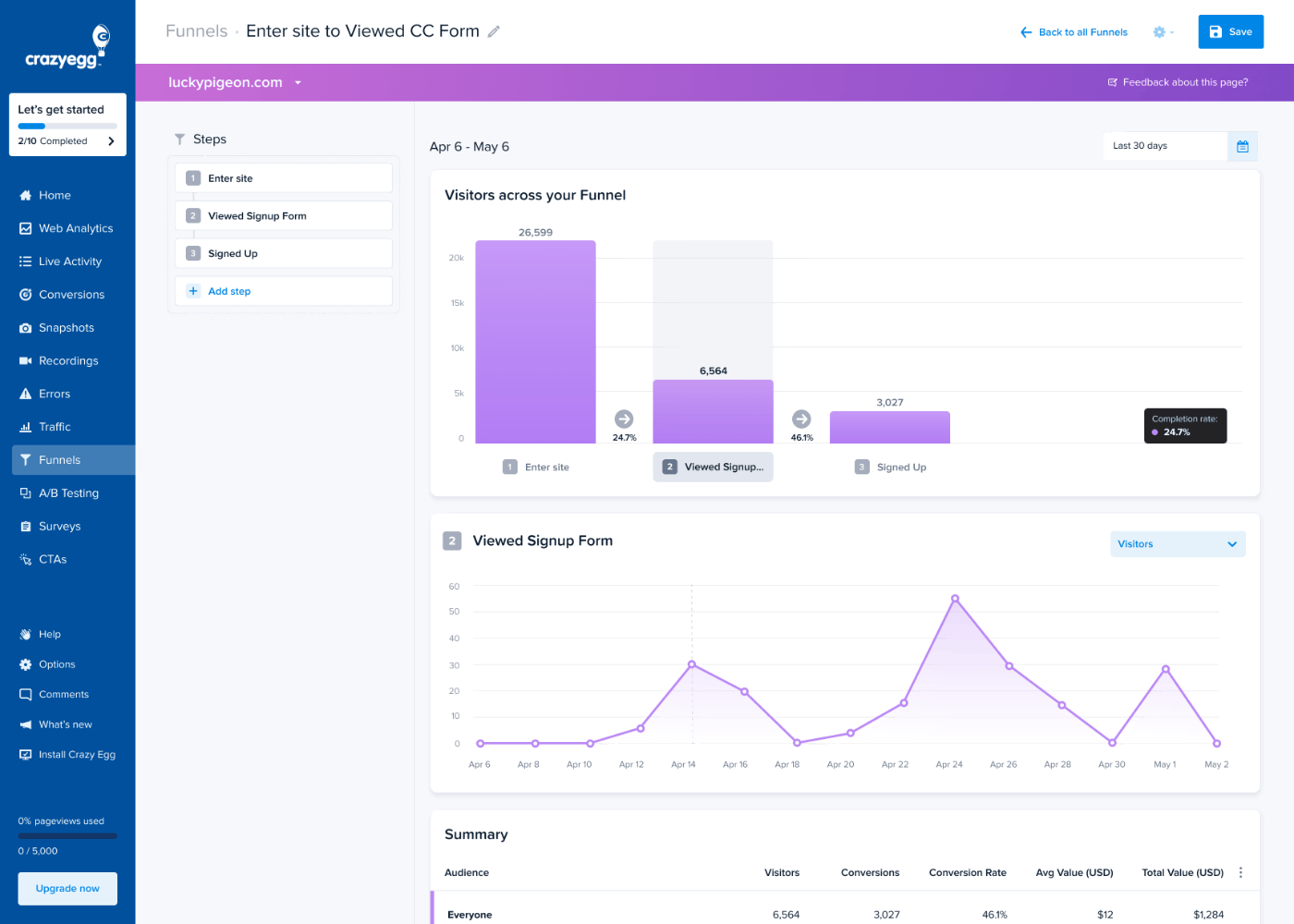
Crazy Egg remains the superior choice for dedicated CRO teams and performance marketers. Its deep segmentation, retroactive funnels, and integrated A/B testing create a "closed-loop" system where insights are immediately turned into action. For businesses where a 1% increase in conversion rate translates to significant revenue growth, the advanced features and priority support offered by Crazy Egg represent a high-ROI investment.
As the industry moves toward 2025, the integration of more sophisticated AI and the further blurring of lines between marketing and development tools will likely see both platforms continue to evolve, ensuring that the "voice of the visitor" remains at the center of the digital experience.








