rifanmuazin
The e-commerce landscape continues its rapid evolution, with businesses constantly seeking innovative tools and services to enhance efficiency, expand market reach, and optimize profitability. This week’s developments highlight a strong trend towards more integrated B2B functionalities, the pervasive influence of artificial intelligence across various business functions, and a renewed focus on streamlining core operational processes for merchants of all sizes. From Shopify’s democratization of advanced B2B features to the emergence of AI-powered assistants and sophisticated analytics tools, the latest releases signal a commitment to empowering e-commerce entrepreneurs with greater control and smarter decision-making capabilities.
Shopify Levels the Playing Field with Expanded B2B Capabilities
Shopify, a leading e-commerce platform, has announced a significant expansion of its native B2B features, making them accessible to merchants on its Basic, Grow, and Advanced plans at no additional cost. This move is poised to democratize sophisticated wholesale management tools, previously often confined to higher-tier plans or requiring third-party integrations. The enhanced suite empowers merchants to seamlessly manage both their wholesale and direct-to-consumer (DTC) operations from a single platform, eliminating the need for costly and complex patchwork solutions.
Key features now available to a broader merchant base include:
- Company Profiles: Dedicated profiles for wholesale buyers, allowing for tailored communication and account management.
- Custom Catalogs: The ability to create up to three distinct catalogs with individually set pricing structures, catering to different customer segments or wholesale tiers.
- Volume Discounts and Quantity Rules: Granular control over pricing based on order volume, encouraging larger purchases.
- Vaulted Credit Cards: Secure storage of customer payment information for streamlined repeat transactions.
- Payment Terms: Flexible payment options for wholesale clients, improving cash flow management.
This strategic decision by Shopify directly addresses a growing demand from small and medium-sized businesses that are increasingly venturing into wholesale or already operate hybrid B2B and DTC models. Historically, managing these dual sales channels effectively required substantial technical expertise and investment. By integrating these capabilities directly into their core offering, Shopify is significantly lowering the barrier to entry for businesses looking to scale their wholesale operations. Industry analysts suggest this could lead to a surge in new B2B ventures and a more competitive wholesale market as more businesses gain access to these powerful tools.
ShipMonk Revolutionizes Apparel Fulfillment with Specialized Facility
In a significant development for apparel e-commerce brands, global fulfillment provider ShipMonk has opened a new, state-of-the-art fulfillment center in Louisville, Kentucky. This facility, spanning an impressive 406,000 square feet and equipped with 60 dock doors and over 300,000 storage locations, is meticulously designed to address the unique challenges of handling apparel products.
The facility’s specialized features include:
- Optimized Layouts for High-SKU Density: Efficiently storing a wide variety of sizes, colors, and styles.
- Dedicated Rework Stations: Providing spaces for minor alterations, repairs, or quality checks.
- On-Site Embroidery Services: Offering premium customization options for brands looking to add value.
- Specialized Workflows for Wholesale Complexity: Streamlining the picking, packing, and shipping of bulk orders for retail partners.
- Floor-Ready Presentation: Ensuring products meet the presentation standards required by retailers.
- Bespoke Fulfillment Services: Tailored solutions to meet the specific needs of individual apparel brands.
The apparel industry is known for its high SKU counts, frequent seasonal changes, and the critical importance of presentation. ShipMonk’s investment in a facility specifically engineered for these demands signals a growing recognition within the logistics sector of the nuanced requirements of niche e-commerce verticals. This specialized approach can lead to reduced errors, faster processing times, and improved customer satisfaction, all of which are crucial for brands operating in the competitive fashion market. The opening marks a significant expansion of ShipMonk’s network, aiming to enhance delivery speed and efficiency for its growing client base.

AI Integration Accelerates Business Formation and Financial Insights
The transformative power of artificial intelligence is permeating even the foundational aspects of business operations. Swyft Filings, a prominent provider of business formation services, has launched an innovative OpenAI app directly within the ChatGPT store. This integration allows entrepreneurs to initiate and complete crucial business formation tasks, including starting an LLC or registering a corporation, without leaving the familiar chat interface.
The app leverages generative AI to provide:
- Real-time Guidance: Step-by-step assistance tailored to the user’s specific business needs.
- Accelerated Filing Processes: Streamlining data entry and form completion for faster submissions.
- Intuitive Access to Services: Making complex legal and administrative processes more accessible.
This development represents a significant step towards "agentic commerce," where AI agents can autonomously or semi-autonomously perform complex tasks on behalf of users. By embedding business formation services within a widely used AI conversational platform, Swyft Filings is making entrepreneurship more approachable. The ability to get instant, AI-driven advice on business structures and immediate assistance with filings could dramatically shorten the time it takes to launch a new venture, potentially fostering greater innovation and economic activity.
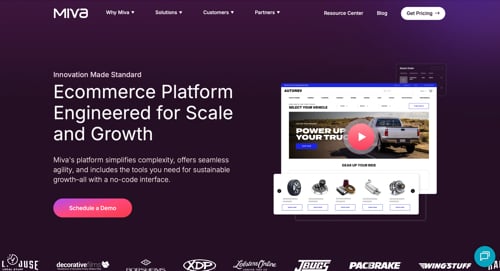
Complementing this trend, Miva, an established e-commerce platform, has released its 26 R1 update, featuring an embedded AI reporting assistant. Dubbed "AI Insights," this tool empowers merchants to make data-driven decisions through natural language queries. Users can ask questions about their store data, generate performance summaries, analyze conversion rates, and identify top-performing products without needing to export reports or construct complex dashboards.
AI Insights facilitates:
- Natural Language Querying: Simple, conversational questions to access complex data.
- Automated Performance Summaries: Quick overviews of key business metrics.
- In-depth Analysis: Deeper dives into conversion rates, product performance, and sales trends.
The integration of AI into reporting and analytics is a critical development for e-commerce merchants. It democratizes access to sophisticated business intelligence, traditionally a domain requiring specialized skills or expensive software. By enabling merchants to query their data conversationally, Miva is empowering them to uncover actionable insights more quickly and efficiently, leading to better strategic planning and more agile responses to market dynamics. This advancement is particularly valuable for smaller businesses that may lack dedicated analytics teams.
E-commerce Platforms Enhance B2B Integration and Marketing Tools
The B2B e-commerce sector is also experiencing a wave of innovation, driven by the need for seamless integration and enhanced functionality. Commercetools, a global enterprise e-commerce platform, has partnered with TradeCentric, a leading B2B e-procurement provider. This collaboration aims to streamline the integration between Commercetools and the vast ecosystem of e-procurement systems supported by TradeCentric.
The partnership enables:

- Seamless Integration Capabilities: Eliminating manual order processing and reducing errors.
- Accelerated Order-to-Cash Cycles: Speeding up the entire transaction process.
- Access to 220+ Procurement Platforms: Broad compatibility with major e-procurement systems used by enterprise buyers.
This alliance is crucial for businesses that sell to large organizations, as it bridges the gap between modern e-commerce storefronts and the often complex procurement systems used by corporate buyers. By facilitating smoother transactions and reducing administrative burdens, this integration can significantly boost sales and improve customer satisfaction for B2B vendors. The ability for Commercetools customers to easily connect with these diverse procurement platforms opens up new market opportunities and strengthens their competitive position in the enterprise space.
Meanwhile, affiliate marketing continues to evolve, with Levanta, an affiliate and creator platform for e-commerce, acquiring Perch+, a prominent affiliate network catering to Amazon sellers. This strategic acquisition is set to expand Levanta’s marketplace significantly, integrating hundreds of Amazon sellers and publishers.
The acquisition’s benefits include:
- Direct Access to Levanta’s Marketplace: Perch+ brands can now engage with Levanta’s 60,000+ partners.
- Enhanced Amazon Attribution Support: Improved tracking and measurement of affiliate campaigns on Amazon.
- Creator Connections: Facilitating collaborations between brands and influential creators.
- New Campaign Capabilities: Enabling paid placement campaigns, automated product sampling, and brand mention monitoring.
The consolidation of affiliate marketing resources under platforms like Levanta signifies a maturing market. For Amazon sellers, this acquisition offers a more unified approach to affiliate marketing, providing access to a larger pool of potential partners and more sophisticated tools for campaign management and performance tracking. The emphasis on creator connections also aligns with the growing importance of influencer marketing in driving product discovery and sales.
Advertising and Analytics Tools Embrace AI for Efficiency and Insight
The advertising technology sector is increasingly leveraging AI to optimize campaign performance and simplify management. Bitly, a widely used URL shortening service, has introduced AI-powered features designed to enhance marketing analytics. Bitly Assist, an in-platform AI chat assistant, allows users to query link and QR code performance conversationally. Additionally, Weekly Insights highlights significant changes in link and QR code activity, identifying key patterns across referrers, geographies, and devices.
Bitly’s new features offer:
- Conversational Analytics: Easy access to performance data through natural language.
- Pattern Identification: Automatic detection of trends and anomalies in link performance.
- Simplified Reporting: Actionable insights without the need for manual data analysis.
These AI-driven enhancements to Bitly’s platform make marketing analytics more accessible and actionable for a broader range of users. The ability to ask questions directly and receive immediate, insightful answers can significantly improve the efficiency of marketing efforts, allowing businesses to react more quickly to campaign performance data and optimize their strategies.
In a similar vein, Criteo, a well-known advertising retargeting platform, has expanded its Go self-service ad tool to provide full access for small and midsize businesses (SMBs). Criteo Go consolidates display, video, native, and social advertising within a single campaign environment. The platform leverages generative AI for creative optimization, enabling the production and adaptation of ad formats, including video, to maintain consistent messaging across channels.
Key aspects of Criteo Go’s expansion include:
- Unified Campaign Management: A single interface for multiple ad formats.
- AI-Powered Spend Optimization: Intelligent allocation of advertising budgets.
- GenAI Creative Tools: Automated generation and adaptation of ad creatives.
- Streamlined Campaign Launch: The ability to create an account and launch campaigns in as few as five clicks.
The extension of Criteo Go to SMBs is a significant move, democratizing access to sophisticated, AI-driven advertising capabilities. For smaller businesses, managing multiple advertising channels and creating compelling creatives can be resource-intensive. Criteo Go’s integrated approach, combined with AI assistance for both optimization and creative development, offers a powerful solution to enhance their advertising reach and effectiveness, potentially leveling the playing field against larger competitors.
Financial Management and Operational Visibility Get a Boost
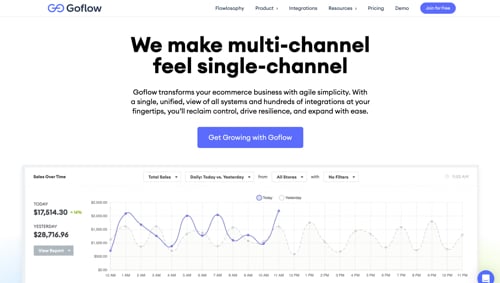
Financial transparency and real-time profit tracking are becoming increasingly critical for e-commerce merchants. Goflow, a multichannel operating system primarily for Amazon-first sellers, has launched Order-Level P&L, a feature designed to provide real-time profit visibility across orders, analytics, and reporting. This new functionality estimates margins by incorporating inputs such as inventory batch costs and shipping rates, clearly labeling each value by its source to ensure transparency between actual and estimated figures.
Goflow’s Order-Level P&L enables:
- Real-time Profit Tracking: Immediate insight into the profitability of individual orders.
- Transparent Margin Estimation: Clear labeling of cost sources for accurate analysis.
- SKU and Channel-Level Visibility: Detailed profit breakdowns for better strategic decision-making.
The ability to see profit and margin at the granular order, SKU, and channel level is invaluable for identifying inefficiencies and optimizing pricing strategies. In the complex world of multichannel e-commerce, understanding the true profitability of each transaction is essential for sustainable growth. Goflow’s feature empowers sellers to make faster, more informed decisions about product mix, pricing, and operational costs, ultimately driving increased profitability.
Fintech company BitRail has also announced an expanded suite of merchant payment services, developed in partnership with Payment Lock, an enterprise security and payment processing platform. This new offering builds upon BitRail’s existing branded checkout, digital wallets, and payment infrastructure, aiming to help businesses eliminate fees and gain greater control over their payment processes.
The expanded suite includes:
- Compliant Pricing: Flexible pricing structures for both cash and credit transactions.
- Integrated Checkout and Pay-Now Buttons: Streamlined payment collection options.
- API Integration: Seamless connection with existing business systems.
- Customer Card Vault: Secure storage of payment details for repeat customers.
- Comprehensive Reporting: Detailed insights into payment transactions.
BitRail’s enhanced payment suite addresses a persistent challenge for merchants: the cost and complexity of payment processing. By offering compliant pricing and robust infrastructure, they aim to reduce the financial burden on businesses and simplify the payment experience for consumers. The focus on branded checkout and digital wallets also helps merchants enhance their brand identity and customer loyalty.
E-commerce Integration and Advertising Solutions Evolve
The ongoing need for seamless integration between different e-commerce and back-office systems is being met with new solutions. SDLC Corp has launched a free Odoo-WooCommerce connector, designed to synchronize data between WooCommerce storefronts and Odoo back-office systems. This connector aims to facilitate day-to-day operations by offering webhook-based event processing, scheduled jobs for inventory and catalog synchronization, configurable field mapping within Odoo, and centralized logging with error-handling capabilities.
The free Odoo-WooCommerce connector provides:
- Data Synchronization: Real-time updates between online stores and back-office systems.
- Webhook-Based Processing: Immediate reaction to events for enhanced efficiency.
- Scheduled Jobs: Automated synchronization for inventory and catalog data.
- Configurable Field Mapping: Flexibility to align data fields between systems.
- Centralized Logging: Improved error tracking and resolution.
The availability of a free, robust connector for integrating WooCommerce with Odoo is a significant development for businesses using both platforms. It removes a potential barrier to entry for SMBs looking to leverage the combined power of a popular e-commerce front-end with a comprehensive ERP system. This type of integration is crucial for maintaining operational efficiency, reducing manual data entry, and ensuring data accuracy across all aspects of the business.
Finally, BQool, a platform designed to help Amazon sellers automate their operations, has introduced AI-powered advertising solutions aimed at growing brands. This feature simplifies campaign management and enhances performance by continuously analyzing vast amounts of data and automating repetitive tasks. The "auto-harvesting" capability identifies and incorporates high-performing keywords, enabling sellers to adopt intelligent automation while retaining control and visibility over their Amazon advertising efforts.
BQool’s AI advertising features include:
- AI-Powered Campaign Optimization: Automated adjustments for improved ad performance.
- "Auto-Harvesting" of Keywords: Proactive identification and addition of effective keywords.
- Simplified Campaign Management: A one-click system for analysis and automation.
- Control and Visibility: Empowering sellers to maintain oversight of their campaigns.
As the complexity of online advertising continues to grow, particularly on platforms like Amazon, AI-driven tools like BQool’s offering become indispensable. By automating key aspects of campaign management and optimization, these solutions free up sellers’ time to focus on other strategic aspects of their business, such as product development and customer service. The ability to leverage AI for keyword research and optimization can lead to more efficient ad spend and higher return on investment.
This week’s array of new services underscores a clear trajectory in the e-commerce industry: the pervasive integration of AI, a strategic push towards more accessible and powerful B2B functionalities, and a continuous effort to streamline operations and enhance financial visibility for merchants. These developments collectively signal a dynamic and increasingly sophisticated ecosystem designed to empower businesses of all sizes to thrive in the digital marketplace.