
 rifanmuazin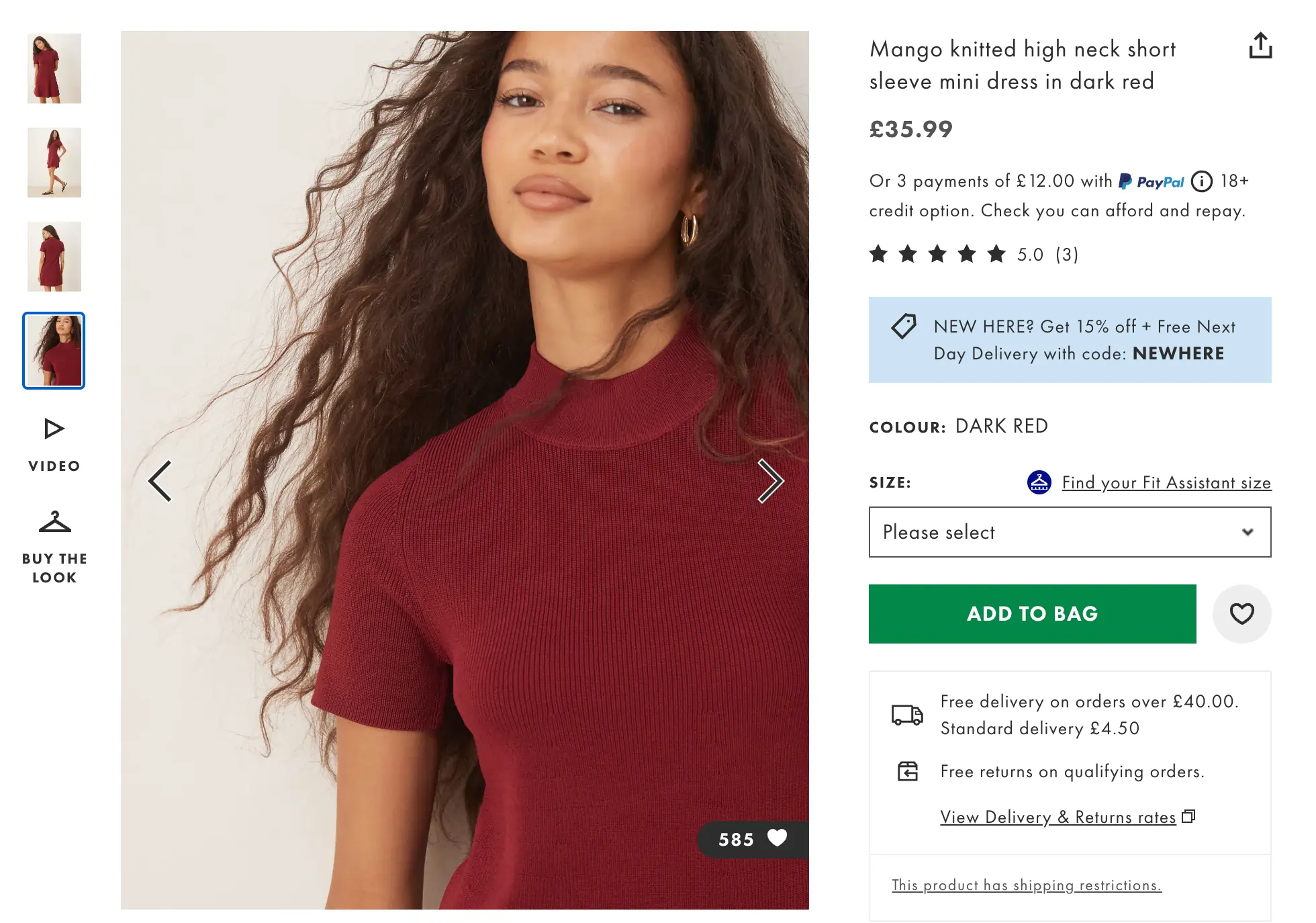
Digital retail experts have identified the Product Detail Page (PDP) image carousel as one of the most high-leverage assets for online conversion, serving as a concentrated space for decision-making support and consumer reassurance. Unlike homepage carousels, which are frequently bypassed by users as promotional noise, heatmaps and session recordings consistently indicate that PDP image carousels are actively utilized by shoppers. While the majority of users interact with the first two images, engagement with images three through five often marks a critical phase where potential buyers perform "sanity checks" on product details, seek reassurance, and establish the trust necessary to finalize a purchase. Despite this, many e-commerce brands continue to underutilize this real estate, often limiting their galleries to basic product shots on white backgrounds.

The Evolution and Importance of Visual Commerce
The shift toward visual-heavy e-commerce has been accelerated by the rise of mobile shopping and the increasing sophistication of consumer expectations. In the current market, a product carousel is no longer merely a gallery; it is a narrative tool. Industry data suggests that humans process visual information approximately 60,000 times faster than text, making the carousel the primary vehicle for communicating value propositions. For major platforms like Shopify, which powers over 4 million e-commerce sites globally, the optimization of these visual assets has become a cornerstone of "Conversion Rate Optimization" (CRO) strategies.
Historically, product photography was a static endeavor restricted by the high costs of studio sessions and physical prototyping. However, the timeline of digital retail shows a clear progression: from the low-resolution thumbnails of the early 2000s to the high-definition, zoomable interfaces of the 2010s, and now to the interactive, AI-enhanced, and video-integrated carousels of the 2020s. Today, the carousel must function as a virtual salesperson, answering objections and demonstrating utility in a matter of seconds.

Anatomy of a High-Performing Product Carousel
A strong product carousel is built on a foundation of clarity and strategic sequencing. The "Hero Image," or the first slide, carries the heaviest burden, as it must simultaneously make a first impression and answer the fundamental question of what is being sold. Experts suggest that a successful hero image should feature a clear, high-resolution shot of the product, ideally on a clean background, and must clearly represent any bundles or free gifts included in the offer. Failure to show the full scope of a bundle in the first image often leads to "cognitive friction," where the user is forced to cross-reference text descriptions with visuals, increasing the likelihood of site abandonment.
Following the hero image, slides two through five should be dedicated to answering "decision questions." This involves a strategic mix of content types:
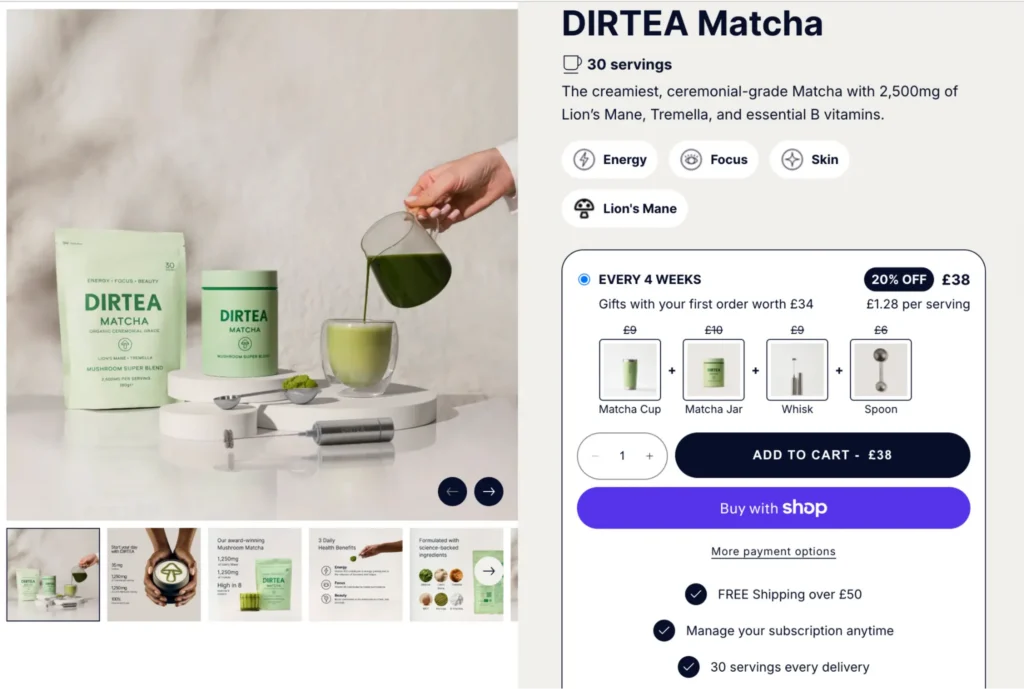
- Lifestyle Imagery: Showing the product in its intended environment to provide context and scale.
- Detail and Texture Shots: Zoomed-in visuals that highlight material quality, which is particularly vital for wearables and luxury goods.
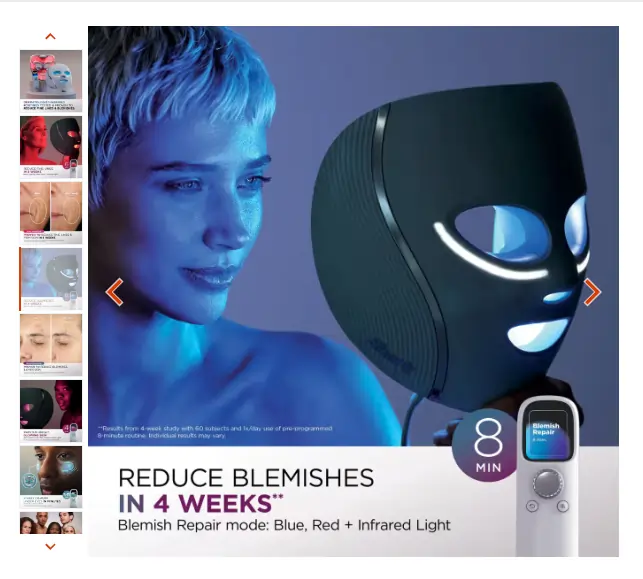
- Social Proof and Trust Builders: Integrating scientific backing, expert endorsements, or certification badges directly into the image sequence.
- Expectation Management: For products with specific results, such as skincare or supplements, visuals that manage expectations regarding usage duration and outcomes are essential.
Case studies from leading brands like ASOS and Charlotte Tilbury demonstrate that providing a mix of angles and video content builds a level of trust that static images alone cannot achieve. For example, apparel retailers often include short videos of models moving in the clothing to demonstrate "drape" and fit, while skincare brands use "texture shots" to show the consistency of a cream or serum.
The Mobile-First Mandate and Technical Constraints
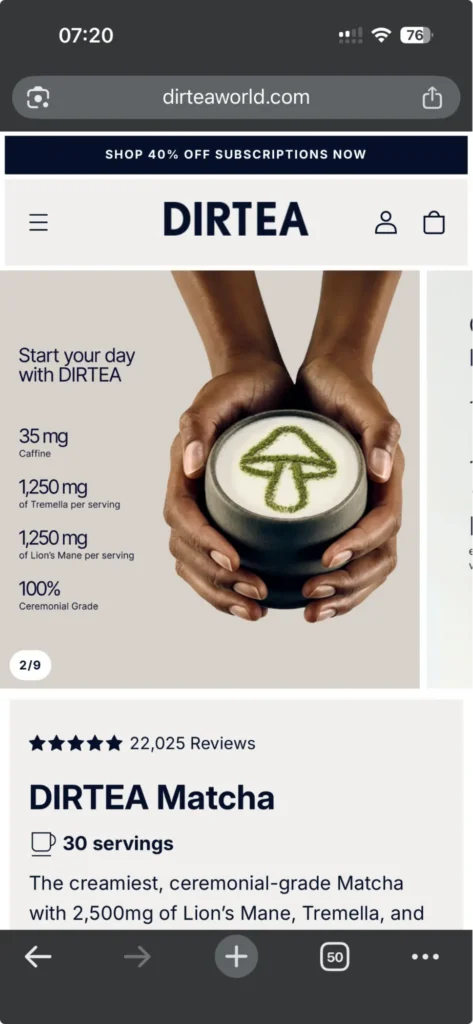
With over 70% of e-commerce traffic now originating from mobile devices, the product carousel must be designed for small-screen consumption. This shift requires a departure from traditional desktop-oriented design. Text overlays on images must be large and legible, and "slide decks" disguised as photos are generally discouraged due to readability issues on handheld devices. Approximately 50% of the "above-the-fold" real estate on a mobile PDP is occupied by the carousel, making it the most significant visual element a user encounters upon landing.
Technical implementation on platforms like Shopify presents unique challenges. Because Shopify manages media directly within product files, traditional A/B testing can be complex. There are three primary methodologies currently employed by growth teams:
- JavaScript-Based Image Swapping: This is considered the most sophisticated method for clean testing. It involves using a testing tool to swap images or their order on the client side for a randomly assigned audience split. While effective, this requires careful monitoring to ensure that the script does not negatively impact page load speeds.
- Sequential Testing: Often utilized by smaller brands, this involves running one version of a carousel for a set period (e.g., two weeks) and then switching to another. While simpler, this method is susceptible to external variables such as seasonal trends, marketing spend fluctuations, and external economic factors.
- Product Duplication: Although sometimes used as a workaround, this is generally discouraged by developers. Creating duplicate product pages for testing purposes can lead to SEO cannibalization, inventory management errors, and fragmented data.
The AI Revolution in Product Asset Creation
One of the most significant barriers to carousel optimization has historically been the lack of high-quality assets. Small-to-medium enterprises (SMEs) often lack the budget for recurring studio photography. However, the emergence of Generative AI has democratized the creation of professional-grade visuals. Tools such as Flair.ai, Canva’s Magic Studio, and specialized apps like Nano Banana allow founders to transform a single "base shot" into a variety of lifestyle and contextual images.
AI can generate different models wearing a product, place items in various lifestyle settings, and create additional angles without the need for a physical reshoot. For instance, a brand selling a sleep mask can use AI to generate images of the product in a luxury bedroom, a travel setting, or on different facial structures. While AI offers immense efficiency, experts caution that "prompt drifting" can occur, where the AI-generated outputs begin to deviate from the actual physical product. Maintaining a "clean base prompt" and high-quality source photos remains a prerequisite for effective AI utilization.
Supporting Data and Conversion Metrics
The impact of carousel optimization is measurable through several key performance indicators (KPIs). While many brands focus on "interaction metrics" such as swipes and clicks, these are considered supporting data points rather than primary goals. The "North Star" metrics for carousel testing include:

- PDP-to-Cart Conversion Rate: The percentage of users who add an item to their cart after viewing the page.
- Average Order Value (AOV): Specifically relevant when carousels are used to highlight bundles or premium features.
- Return on Ad Spend (ROAS): Improved on-page conversion directly enhances the efficiency of paid traffic.
In one documented case, a brand that transitioned from five identical product shots to a strategically sequenced carousel—including lifestyle shots and benefit callouts—saw a 17% lift in their PDP conversion rate. Furthermore, the use of heatmaps can reveal "drop-off points" in the carousel. If data shows that 90% of users stop at the third image, it indicates that the most critical information must be moved forward in the sequence.
Broader Industry Implications and Future Outlook
The optimization of the product carousel is reflective of a broader trend toward "frictionless commerce." As consumer attention spans continue to decrease, the ability to communicate trust and value through a brief visual interaction becomes a competitive advantage. The integration of "Visual Search" and "Augmented Reality" (AR) is the next frontier for the product carousel. Some high-end furniture and eyewear brands are already replacing the final slide of their carousels with an "AR View," allowing customers to see the product in their own space or on their own face via their smartphone camera.

Furthermore, the rise of "Social Commerce" on platforms like TikTok and Instagram has conditioned users to expect short-form video as a standard part of the discovery process. E-commerce experts predict that the "static-only" carousel will soon become obsolete, replaced by "shoppable video galleries" that blend entertainment with information.
In conclusion, the product carousel is a vital organ of the e-commerce ecosystem. It is the intersection of psychology, design, and technical strategy. By moving away from repetitive imagery and embracing a data-driven, mobile-first approach—supported by AI and rigorous A/B testing—brands can significantly reduce consumer hesitation and drive sustained growth in an increasingly crowded digital marketplace. The sign to fix a product carousel is found in the data: if the carousel is being used but the conversion rate remains stagnant, the visual narrative is likely failing to close the gap between interest and intent.








