
 rifanmuazin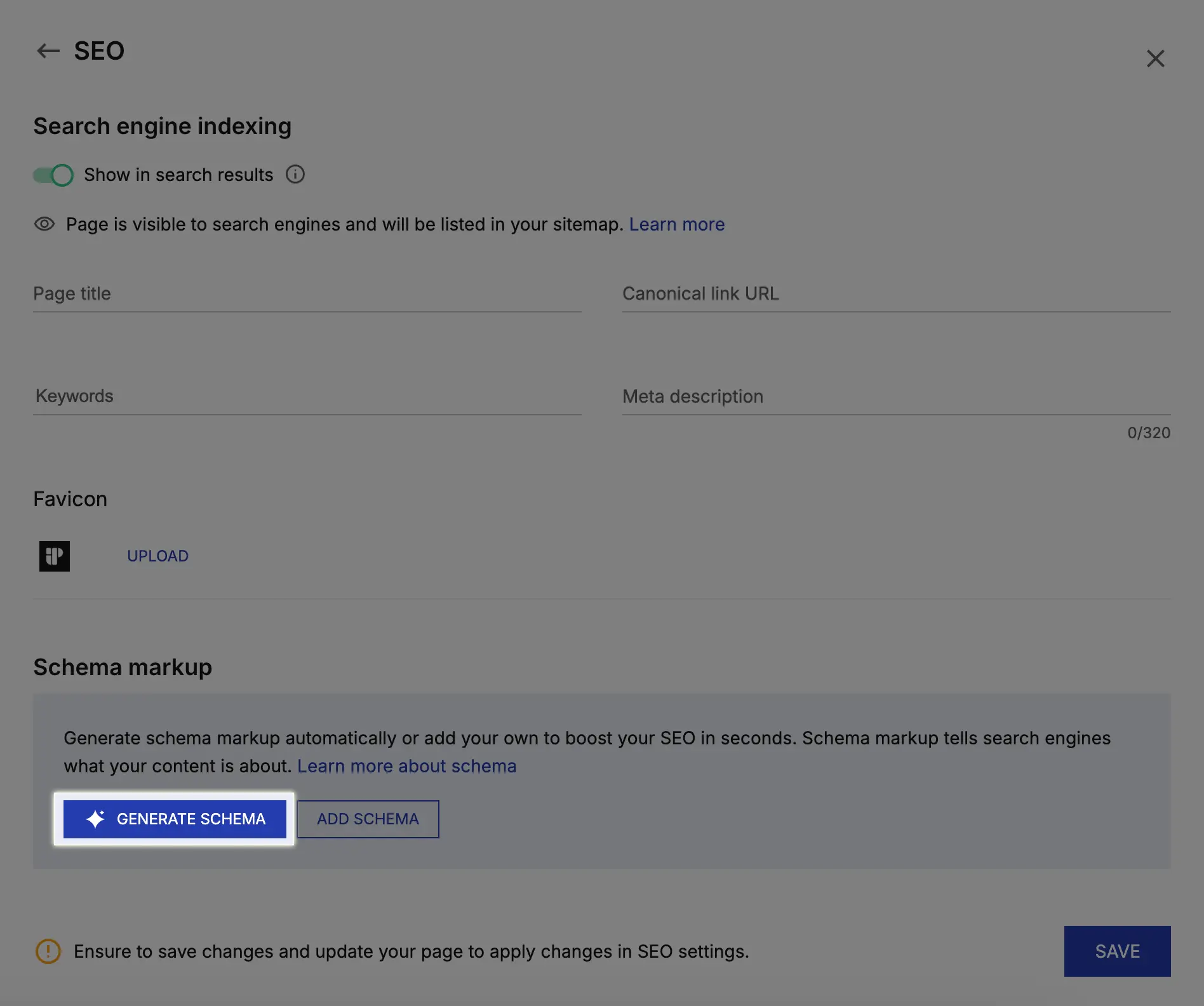
Instapage, a leading platform in the landing page software industry, has officially launched its new Schema Markup feature, a strategic integration designed to enhance the discoverability of landing pages in an increasingly competitive digital landscape. This move comes at a critical juncture for digital marketers who are facing the dual challenges of tightening budgets and the rapid ascent of Artificial Intelligence (AI) in search ecosystems. By automating the creation, validation, and deployment of structured data, Instapage aims to democratize technical Search Engine Optimization (SEO), allowing brands to communicate more effectively with both traditional search engines like Google and modern AI-driven assistants such as ChatGPT, Claude, and Gemini.
The introduction of this tool addresses a fundamental shift in how digital content is indexed and presented. As search engines evolve into "answer engines," the brands that secure top-tier placements are no longer merely those with the largest advertising spend, but rather those that provide the clearest technical signals regarding their content’s intent and relevance. The Schema Markup feature allows users to generate JSON-LD (JavaScript Object Notation for Linked Data) directly within their page settings, effectively removing the need for manual coding or developer intervention.
The Evolution of Structured Data and the Rise of AI Optimization
To understand the significance of Instapage’s latest update, one must look at the history of Schema.org. Founded in 2011 as a collaborative effort between Google, Bing, Yahoo, and Yandex, Schema.org created a universal vocabulary for structured data. For over a decade, this "markup" has served as the behind-the-scenes language that tells search engines exactly what a page represents—whether it is a product for sale, a local business address, a frequently asked question (FAQ), or a professional profile.
Historically, implementing schema was a manual and often arduous process. It required a deep understanding of JSON-LD or Microdata and the ability to inject code into the header or body of a website. For many marketing teams, this meant a constant "back and forth" with web development departments, leading to delays in campaign launches. In the current era of "Generative Engine Optimization" (GEO), the stakes have been raised. AI models rely on structured data to verify facts and provide accurate citations. Without these signals, even the most visually stunning and fast-loading landing pages can remain "invisible" to the algorithms that decide which content is served to the user.
Instapage’s integration represents a pivotal shift from manual SEO to AI-assisted optimization. By incorporating an AI generator that can "auto-detect" the content of a page and suggest the appropriate schema type, the platform is responding to a market demand for speed and technical precision.
Technical Capabilities and Workflow Integration
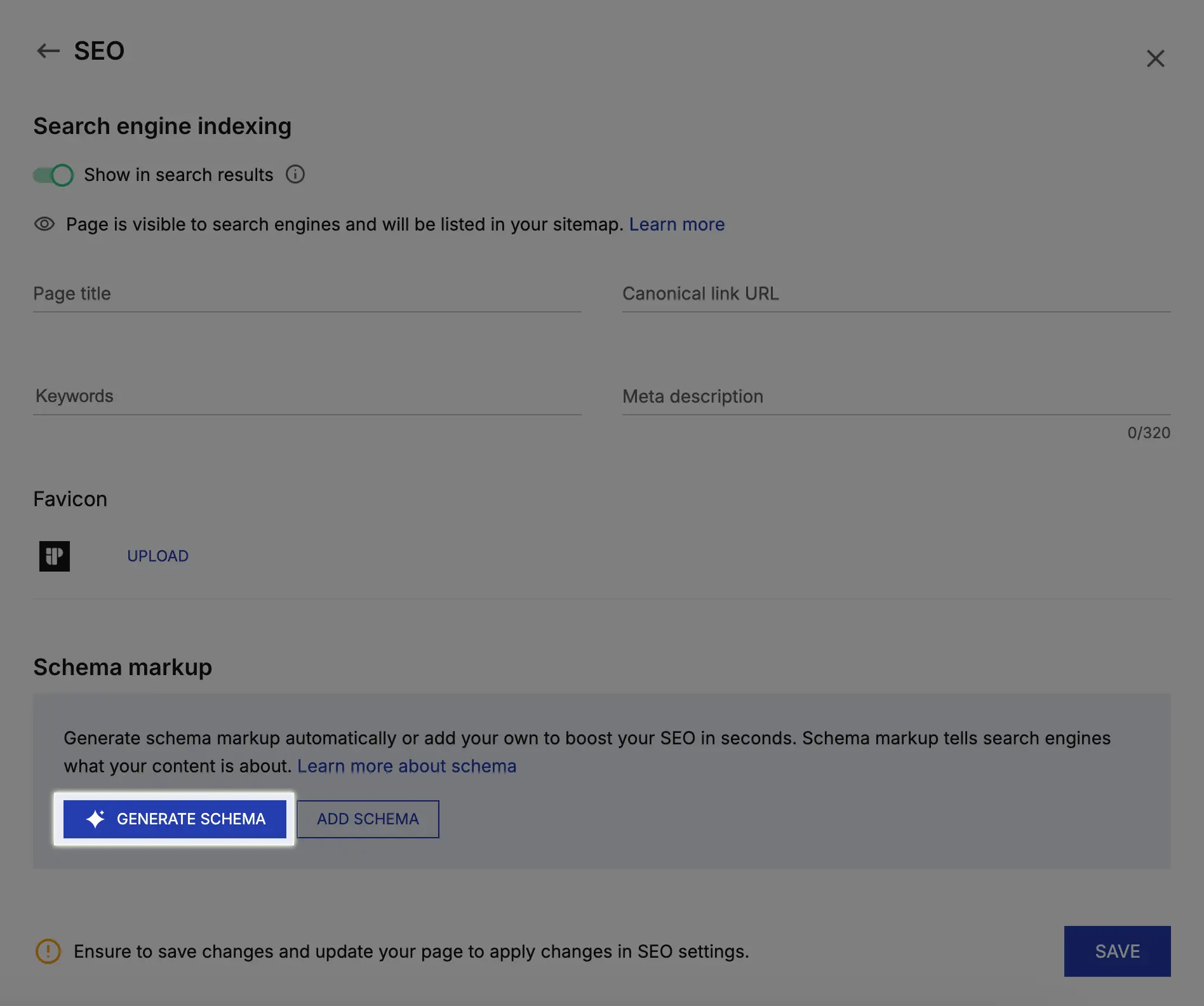
The new Schema Markup tool is integrated directly into the Instapage SEO settings panel, providing a streamlined workflow for performance marketers. The process is divided into three primary phases: generation, validation, and publication.

-
AI-Powered Generation: Users can select from a variety of common schema types tailored to business needs. These include "Organization" for brand identity, "Product" for e-commerce, "LocalBusiness" for physical storefronts, and "FAQPage" to capture the valuable "People Also Ask" real estate on Google. For users uncertain of which schema to apply, the "Auto-detect" function utilizes machine learning to analyze the page’s text, headers, and metadata to generate the most relevant markup automatically.
-
Validation and Error Correction: One of the most common pitfalls in SEO is the implementation of "broken" or invalid schema, which can lead to search engine penalties or simply a failure to display rich snippets. Instapage’s tool includes a built-in validation step, ensuring that the generated JSON-LD adheres to the strict standards set by Schema.org and Google’s Search Console requirements before the page goes live.
-
Seamless Publication: Once validated, the schema is saved to the page settings and automatically injected into the page’s code upon the next publish cycle. For advanced users who require hyper-specific customization, the platform also maintains a manual entry option, allowing for the hand-coding of niche schema types not covered by the standard library.
Supporting Data: The Value of Rich Snippets in 2024
The push for better schema implementation is supported by a wealth of industry data. According to recent SEO benchmarks, pages that successfully trigger "rich snippets"—search results that include images, star ratings, prices, or FAQ dropdowns—see an average increase in Click-Through Rate (CTR) of between 20% and 30% compared to standard blue-link results.
Furthermore, as Google rolls out its AI Overviews (formerly known as Search Generative Experience or SGE), the presence of structured data has become a primary factor in content sourcing. A study by Search Engine Journal indicated that websites providing clear, structured signals are 40% more likely to be cited as a source in AI-generated answers. In a climate where organic reach is increasingly difficult to maintain, these technical signals provide a significant competitive advantage.
From a cost-efficiency perspective, the automation of these tasks represents a major saving for marketing departments. The average hourly rate for a freelance web developer ranges from $50 to $150. By eliminating the need for developer hours to implement and troubleshoot schema for every new landing page, a mid-sized marketing agency managing 50 or more pages could save thousands of dollars annually in operational overhead.
Industry Implications and Expert Analysis
The broader implications of this feature launch suggest a trend toward the "democratization of the full stack" for marketers. No longer is the marketing team solely responsible for the "creative," while the IT team handles the "technical." Modern marketing tools are increasingly absorbing technical complexities, allowing for a more agile approach to campaign management.
Industry analysts suggest that this move by Instapage is a direct response to the "efficiency gap" currently plaguing digital advertising. With rising Customer Acquisition Costs (CAC) on platforms like Meta and Google Ads, brands are looking to maximize the value of every visitor. If a brand pays for a click but the landing page is not indexed correctly for relevant follow-up searches, the lifetime value of that marketing effort is diminished.
"Structured data is the bridge between human-readable content and machine-understandable data," notes one digital strategy expert. "In the age of AI, if you aren’t speaking the machine’s language, you aren’t in the conversation. Tools that automate this process are no longer luxuries; they are foundational requirements for any brand that wants to remain relevant in a post-SGE world."
Chronology of Instapage’s Product Evolution
The launch of the Schema Markup feature is part of a broader roadmap Instapage has followed to transition from a simple landing page builder to a comprehensive conversion intelligence platform.
- 2022-2023: Instapage focused on page speed and mobile responsiveness, launching features like the Thor Render Engine to ensure sub-second load times, recognizing that speed is a core ranking factor for Google’s Core Web Vitals.
- Early 2024: The company began integrating generative AI into its platform, first focusing on AI Content Generation to help marketers write headlines and ad copy more efficiently.
- Mid-2024: Recognizing the shift in the SEO landscape, the development team prioritized "technical SEO automation," leading to the development of the Schema Markup tool.
- Current Phase: The rollout of the Schema Markup feature across all plan levels, emphasizing the platform’s commitment to providing enterprise-level SEO tools to businesses of all sizes.
Broader Impact on Small and Medium Businesses (SMBs)
While large enterprises often have dedicated SEO teams and engineering resources to manage structured data, SMBs have historically been left behind. The complexity of JSON-LD meant that many smaller brands simply ignored schema markup, resulting in a "plain" search presence that struggled to compete with larger incumbents.
By offering an "Auto-detect" schema feature, Instapage is effectively leveling the playing field. A local boutique or a niche SaaS startup can now have the same "Product" or "LocalBusiness" rich snippets as a global retailer. This democratization is expected to increase the diversity of results found in search engines and AI assistants, as technical barriers to entry continue to fall.
Conclusion
The release of the Schema Markup feature by Instapage marks a significant step forward in the evolution of landing page technology. By simplifying the creation and validation of structured data, the platform is providing marketers with a powerful tool to combat tightening budgets and navigate the complexities of AI-driven search. As the digital landscape continues to shift toward a more automated, machine-readable future, the ability to provide clear, structured signals will remain a cornerstone of successful online growth strategies.
Instapage has confirmed that the Schema Markup feature is now available to all users. The company encourages marketers to utilize the 14-day free trial to explore how structured data can improve their page visibility and conversion rates in an era where being "understood" by an algorithm is just as important as being seen by a human.








