
The global digital landscape has shifted from a focus on simple traffic acquisition to the sophisticated science of Conversion Rate Optimization (CRO), where understanding user behavior is the primary driver of revenue. In this competitive arena, two platforms—Crazy Egg and Lucky Orange—have emerged as industry standards, though they serve distinct strategic purposes. As businesses increasingly rely on data to navigate the post-cookie era, the choice between these tools often dictates the agility of a company’s marketing and product teams. While both platforms provide essential features like heatmaps and session recordings, their divergence in A/B testing capabilities, real-time engagement, and data governance creates a clear choice for different organizational profiles.
The Evolution of Behavioral Analytics: A Historical Context
To understand the current state of Crazy Egg and Lucky Orange, one must look at the chronology of the CRO industry. Crazy Egg, co-founded in 2005 by Hiten Shah and Neil Patel, is widely credited with pioneering the visual heatmap. At a time when Google Analytics offered only dry, numerical reports, Crazy Egg introduced a way to see where users were clicking through visual overlays. This innovation fundamentally changed how web designers and marketers approached site optimization.
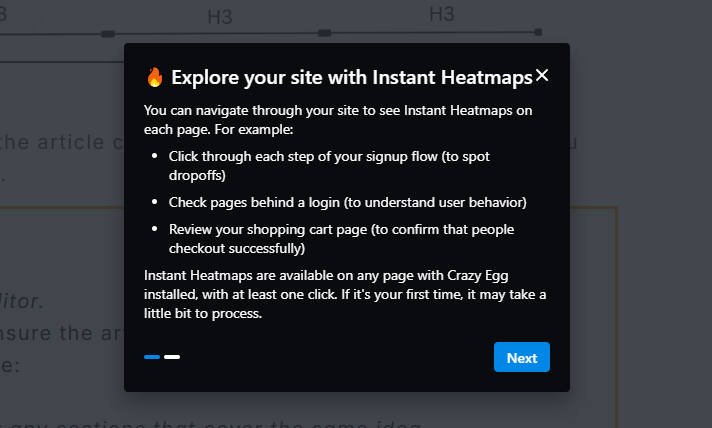
Lucky Orange entered the market roughly five years later, in 2010, focusing on the "real-time" aspect of the web. While Crazy Egg was building a robust engine for long-term experimentation, Lucky Orange prioritized the ability to see what was happening on a site at that exact second, integrating live chat and real-time visitor dashboards. This historical trajectory explains why Crazy Egg has moved toward a full-scale experimentation suite, while Lucky Orange remains a favorite for customer support and immediate sales intervention.

Core Feature Analysis: The Visual Representation of Data
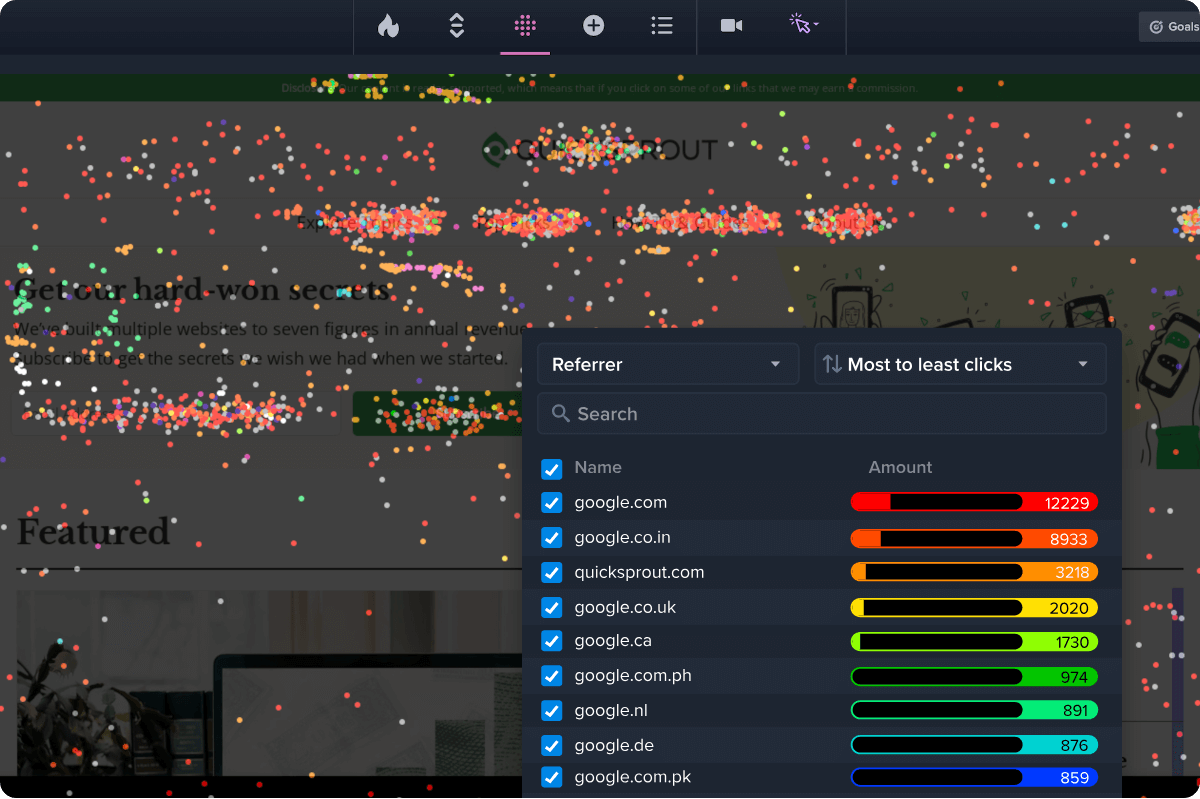
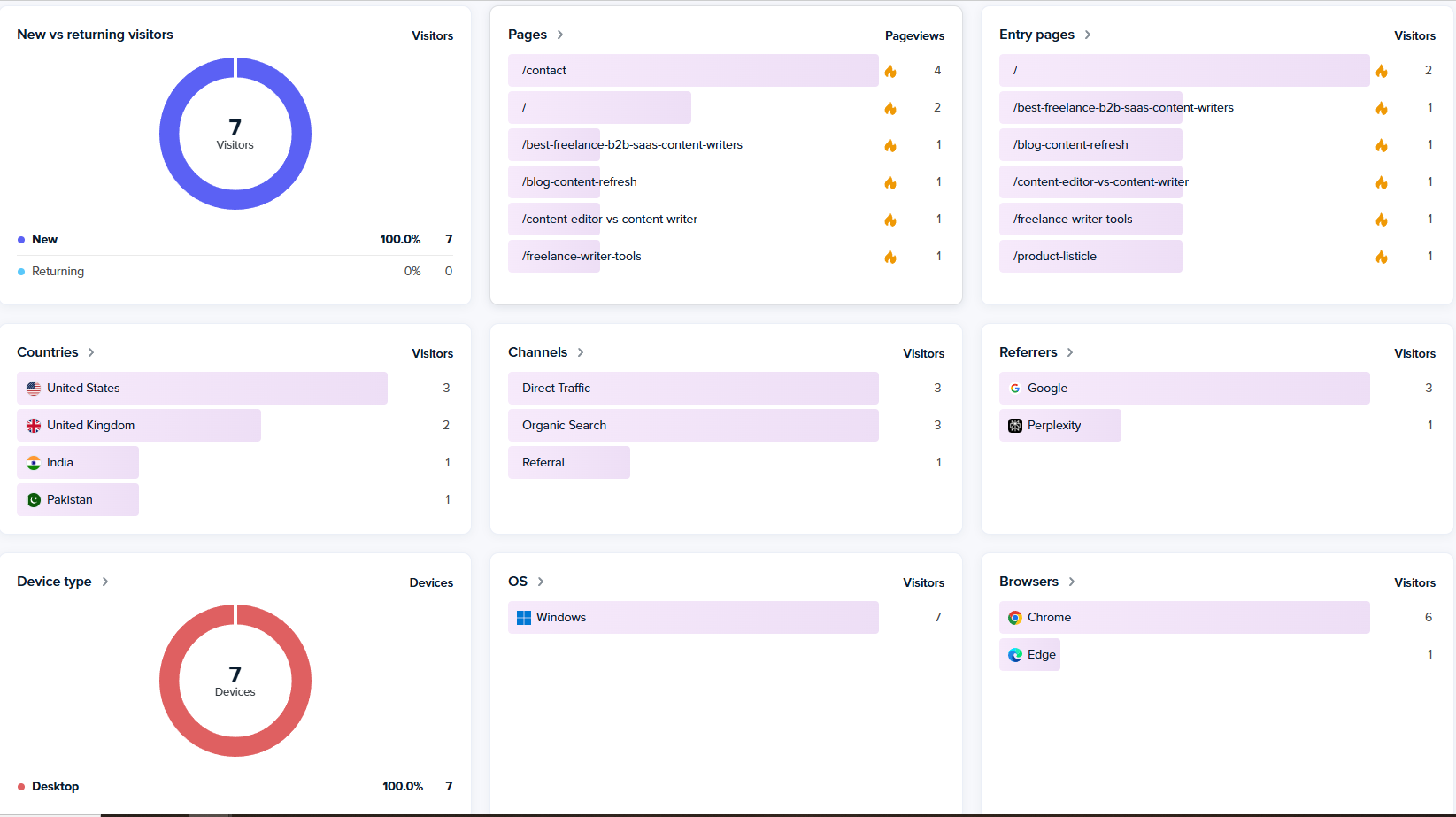
Heatmaps remain the cornerstone of behavioral analytics, yet the technical execution differs significantly between the two contenders. Crazy Egg offers a more diverse array of visual tools, providing five distinct map types: Click, Scroll, Confetti, Overlay, and List. The "Confetti" map is particularly notable in the industry, as it allows marketers to segment clicks by referral source, device, or search terms directly on the heatmap. This level of granularity enables a business to see, for example, that visitors from Facebook interact with a landing page differently than those from organic search.

Lucky Orange, conversely, provides three primary maps: click, scroll, and move. While it offers fewer map types, its technical strength lies in its ability to handle dynamic elements. Modern websites built with frameworks like React or AJAX often use single-page applications (SPAs) and interactive pop-ups that traditional heatmaps struggle to capture. Lucky Orange’s heatmaps are designed to render these dynamic elements live, ensuring that clicks on sliders and dropdown menus are accurately recorded.
Session Recordings and the "Time to Insight" Metric
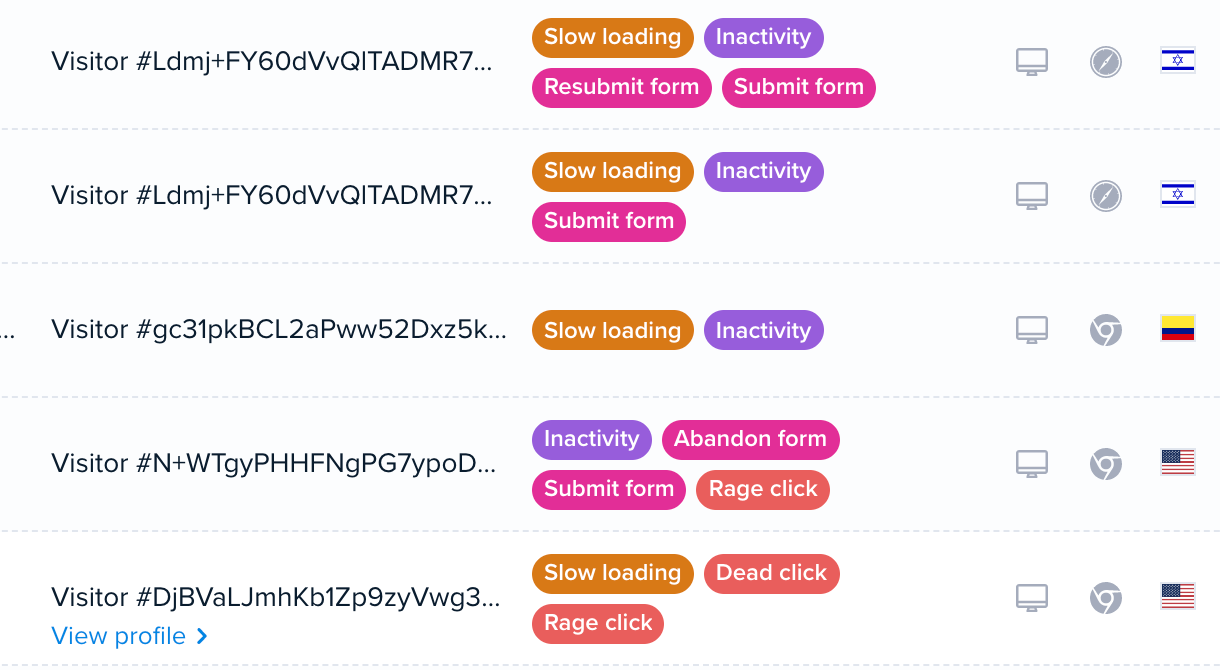
In the realm of session recordings, the industry is moving toward "Time to Insight"—how quickly a researcher can find a relevant user session among thousands of hours of video. Crazy Egg excels here through an extensive set of automatic tags. The platform identifies "friction events" such as rage clicks (clicking the same spot repeatedly in frustration), dead clicks, and "u-turns" (when a user quickly navigates back from a page). Furthermore, Crazy Egg offers a significantly longer data retention period, ranging from 6 to 24 months. For seasonal businesses, such as e-commerce retailers who need to compare Black Friday behavior year-over-year, this long-term storage is a critical asset.
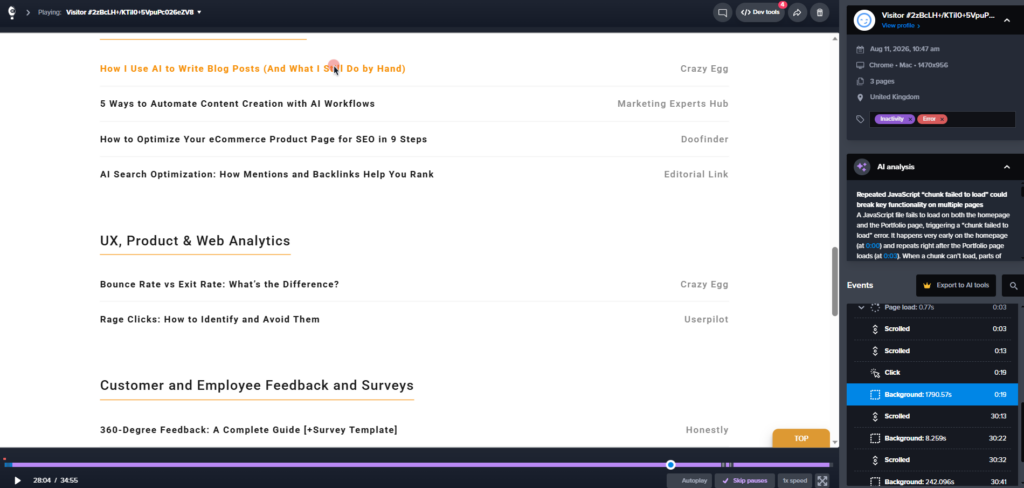
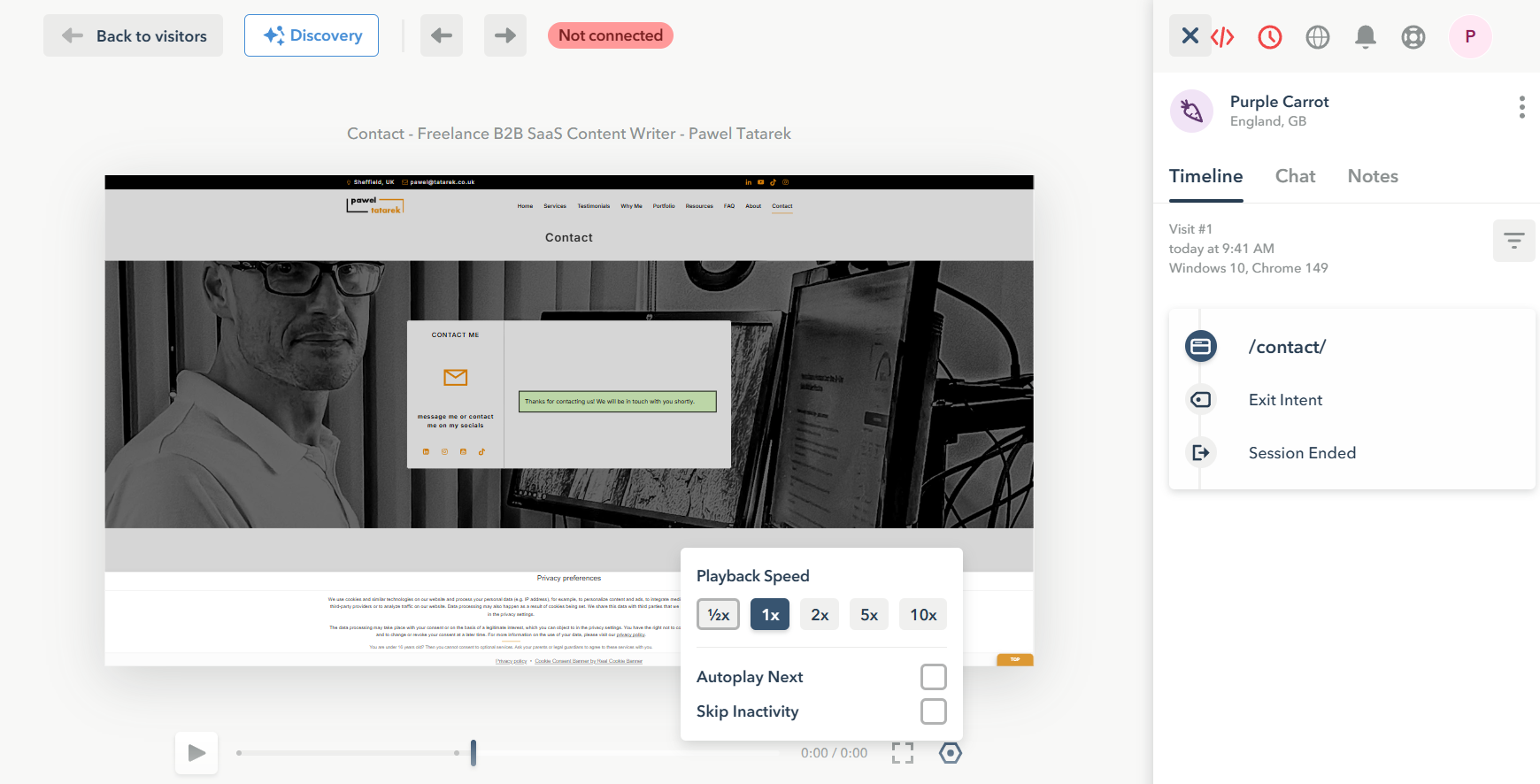
Lucky Orange provides a comparable recording experience but operates with a shorter default storage window of 60 days, expandable to 12 months. However, Lucky Orange bridges the gap with its "Live Visitor View." This feature allows an operator to watch a session as it happens and, unique to Lucky Orange, jump into a live chat with that specific visitor. This transforms the tool from a passive research platform into an active sales recovery engine.
Strategic Divergence: A/B Testing vs. Form Analytics
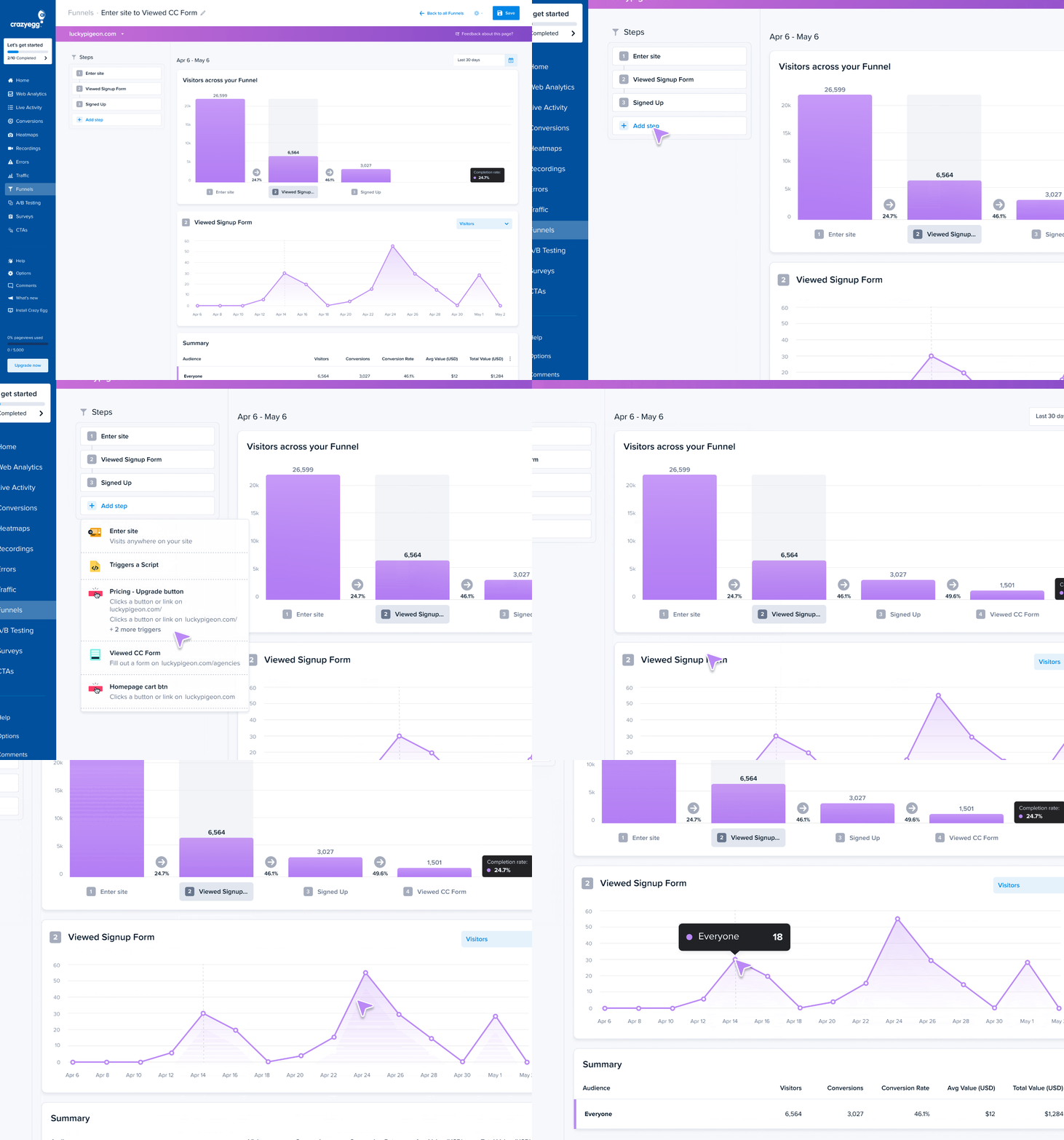
The most significant divide between the two platforms is their approach to site modification. Crazy Egg has positioned itself as an all-in-one experimentation platform by including native A/B testing and personalization tools. Users can use a visual editor to change headlines, images, or CTA buttons and run split tests without writing code. This makes Crazy Egg a self-contained ecosystem for the "Identify-Test-Optimize" cycle.
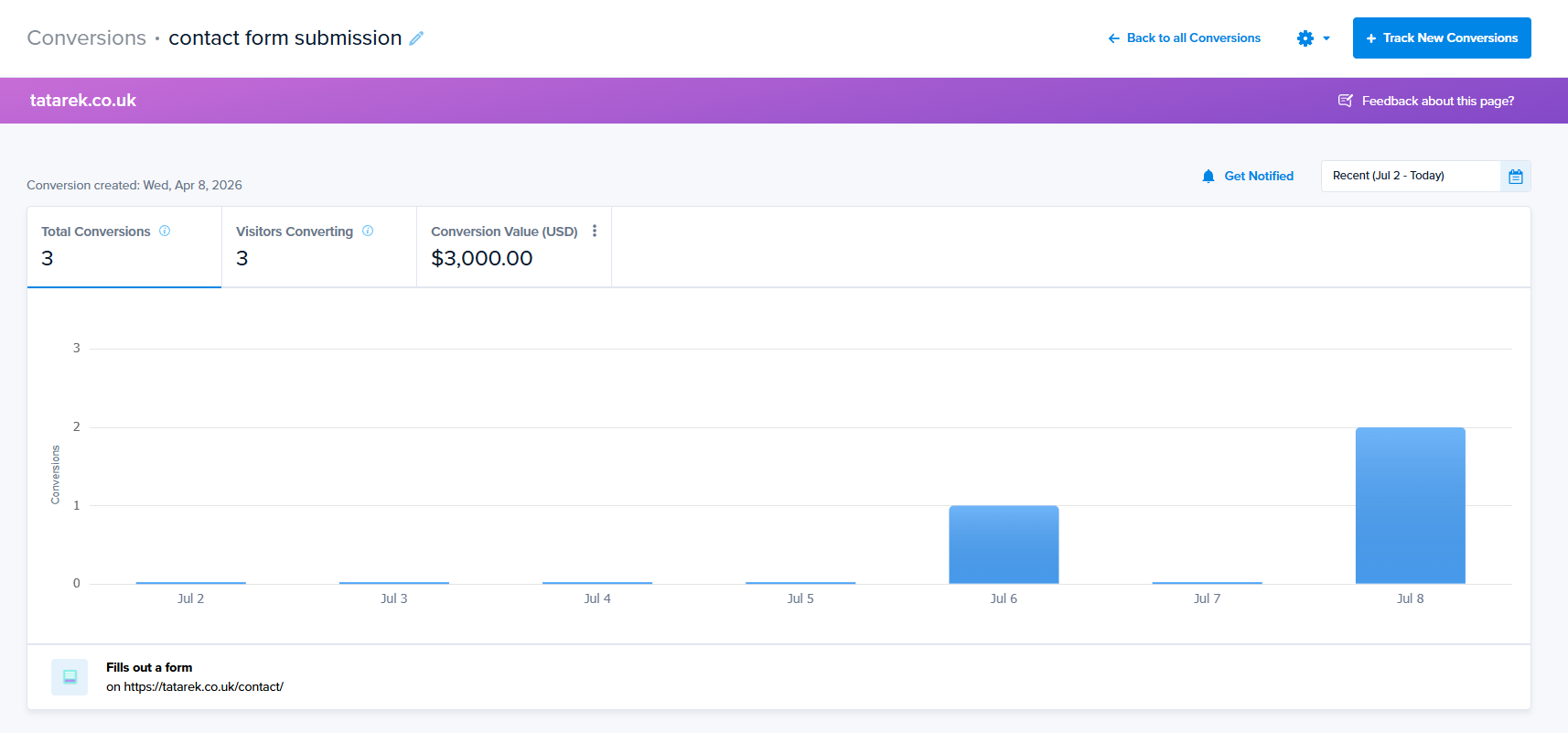
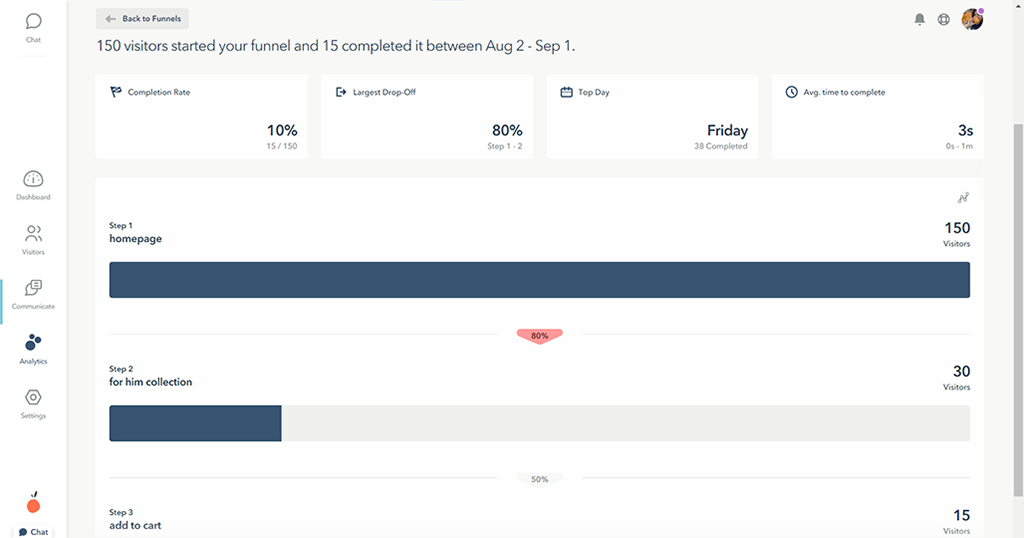
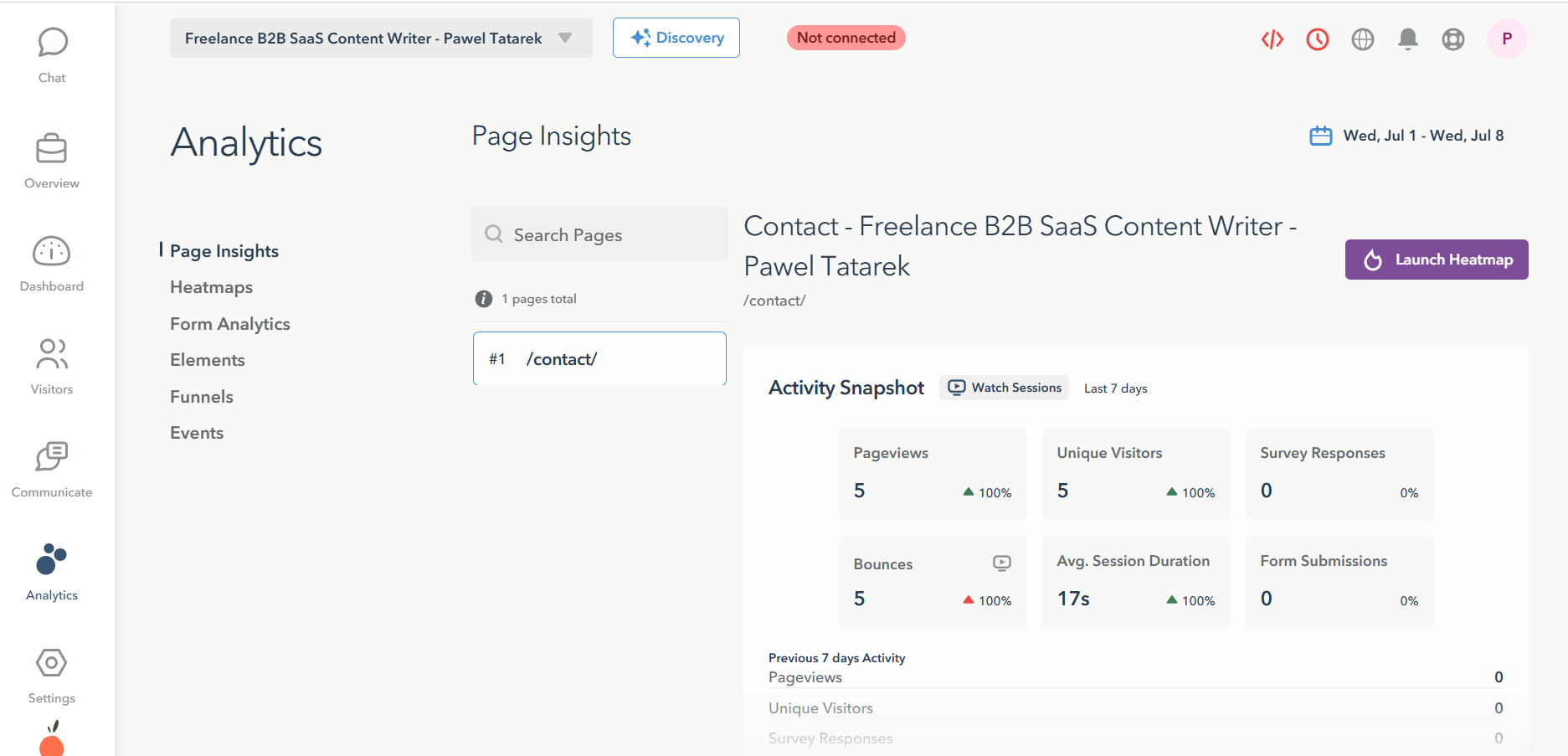
Lucky Orange does not offer native A/B testing. Instead, it focuses on "Form Analytics," a niche but vital area for lead-generation businesses. Their tool provides field-level data, showing which specific part of a contact form causes users to abandon the process. If a "Phone Number" field is causing a 40% drop-off, Lucky Orange makes that immediately apparent. This focus on the "bottom of the funnel" makes it an excellent companion to a third-party testing tool like Optimizely or VWO.
The Impact of Artificial Intelligence in Analytics
As AI becomes a standard requirement for enterprise software, both companies have integrated large language models (LLMs) to assist with data interpretation. Crazy Egg’s approach is integrated and "agentic." It provides AI-generated insights directly within reports and has introduced "Tasks," a guided workflow that suggests specific optimizations based on recorded data. Perhaps most importantly for tech-forward teams, Crazy Egg supports the Model Context Protocol (MCP), allowing users to connect their own AI instances (like ChatGPT or Claude) directly to their data for custom analysis.
Lucky Orange’s "Discovery AI" functions more like a conversational assistant. Users can ask questions such as, "Why are people leaving the checkout page?" and the AI will scan the site’s code and behavioral data to provide an answer. While powerful, Lucky Orange treats this as a paid add-on, whereas Crazy Egg includes its AI features in its standard paid tiers.
Security, Governance, and Enterprise Compliance
In the current regulatory environment, data privacy is a non-negotiable factor. Both platforms are GDPR and CCPA compliant and offer robust data masking to ensure that sensitive information, such as credit card numbers or passwords, is never recorded.
However, Crazy Egg offers a more comprehensive suite of enterprise-grade governance tools. This includes Role-Based Access Control (RBAC), SAML Single Sign-On (SSO), and Compliance Audit Logs. These features are essential for large organizations that need to monitor who is accessing user data and ensure that access is revoked immediately when an employee leaves the company. Lucky Orange, while secure, lacks the transparent "Trust Center" and advanced SSO options that many IT departments require for high-level procurement.
Economic Analysis: Pricing and ROI
The pricing models of the two platforms reflect their different views on traffic. Crazy Egg bills based on "tracked pageviews." This is a significant advantage for businesses that want to be surgical with their budget, as they only pay for the specific pages they choose to monitor. Lucky Orange bills based on "monthly sessions," which encompasses all site traffic.
For a mid-sized enterprise, Crazy Egg’s $99/month tier provides a high ROI because it eliminates the need for a separate A/B testing subscription, which can often cost hundreds of dollars per month. Lucky Orange’s value proposition is centered on its "all features included" model, ensuring that even users on the lowest paid tiers have access to the live chat and form analytics tools.
Professional Verdict and Market Implications
Industry analysts suggest that the choice between Crazy Egg and Lucky Orange should be determined by the primary goal of the organization’s digital team.
"Crazy Egg is built for the experimenter," notes a brief from a leading digital marketing consultancy. "It is for the team that wants to identify a problem with a heatmap, verify it with a recording, and fix it with an A/B test, all within twenty minutes. Lucky Orange is for the closer—the team that needs to see why a form isn’t being filled out or wants to talk to a frustrated customer in real-time to save a sale."
In conclusion, Crazy Egg stands as the superior choice for organizations seeking a holistic, long-term optimization strategy backed by robust security and multi-variate testing. Its ability to integrate with external AI tools and its generous data retention make it a future-proof investment. Lucky Orange remains the go-to solution for smaller, high-touch businesses and Shopify operators who prioritize immediate interaction and detailed form optimization over long-term experimentation. As the CRO market continues to evolve, the ability of these tools to turn "data" into "actionable intelligence" will remain the ultimate measure of their success.


 Ammar Sabilarrohman
 Siti Muinah