
 rifanmuazin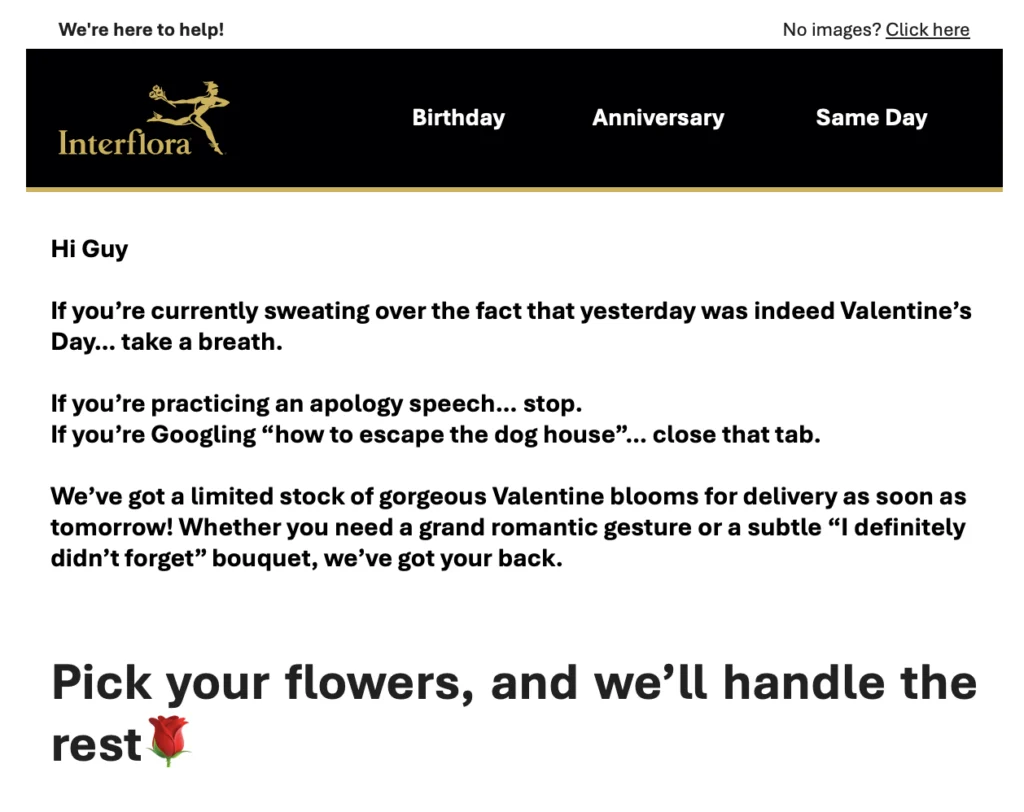
Following the intense holiday marketing sprints of Black Friday and Cyber Monday, Valentine’s Day traditionally signals the first major opportunity for email marketers to re-engage their audiences. This year, however, the landscape was significantly altered by a series of pivotal updates rolled out by Gmail towards the close of 2025. These changes, designed to refine the user experience, invariably reshaped sender performance, presenting both challenges and novel opportunities for brands aiming to connect with subscribers. This analysis delves into the observed impacts of Gmail’s developments and dissects the innovative tactics employed by marketers to either capture hearts or, inadvertently, land in the dreaded spam folder.
The Evolving Landscape of Email Marketing

Email marketing remains a cornerstone of digital strategy, boasting an impressive return on investment (ROI) that frequently surpasses other channels. Industry reports consistently place email’s average ROI at around $42 for every $1 spent, underscoring its critical role in customer acquisition and retention. For a holiday like Valentine’s Day, which generated an estimated $25.9 billion in consumer spending in the U.S. alone in 2023, the stakes for effective email campaigns are exceptionally high. Marketers leverage this period not only for gift promotions but also for engagement, brand building, and nurturing customer relationships in the post-holiday lull. The sheer volume of emails during such periods necessitates robust strategies to cut through the noise, a challenge compounded by evolving inbox algorithms.
Gmail’s Transformative Updates and Their Valentine’s Day Impact
Gmail, a dominant force in the email client market with billions of active users, holds immense sway over deliverability and inbox placement. Its recent updates, implemented with the stated goal of improving user experience by reducing clutter and highlighting relevant content, had a discernible impact on Valentine’s Day campaigns. These changes represent a broader industry shift towards more intelligent inbox management, moving beyond simple chronological sorting to a more curated display based on perceived user interest and sender reputation.
Relevance Sorting in the Promotions Tab
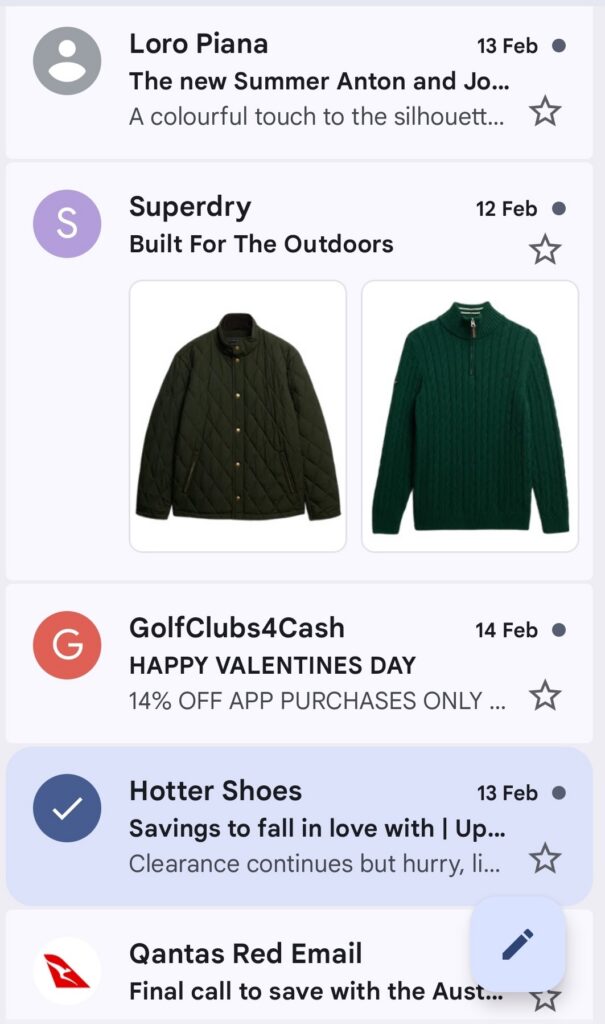
One of the most significant changes introduced by Gmail was the enhanced relevance sorting within the Promotions tab. Previously, emails in this tab were largely displayed in chronological order, ensuring that the latest offers were visible at the top. The new algorithm, however, prioritizes emails that Gmail deems most "relevant" to the user, a metric derived from past engagement, sender reputation, and content analysis.
During the Valentine’s Day period, this shift presented a considerable hurdle for marketers. We observed numerous instances where meticulously crafted, time-sensitive promotions for February 14th were relegated below older, less urgent emails from other programs that Gmail’s algorithm had deemed more relevant. For example, a "Last-Minute Valentine’s Gift" email sent on February 13th might appear beneath a "Spring Collection Sneak Peek" email from January if the user had previously engaged more with the latter sender or similar content. This dynamic meant that despite immediate relevance to the holiday, many campaigns struggled to achieve timely visibility, potentially leading to missed sales opportunities and diminished campaign performance. This poses a strategic dilemma for senders: how to maintain high engagement consistently enough to be deemed "relevant" by Gmail, especially when seasonal campaigns have peak, but short-lived, relevance. Industry analysts suggest that this will push marketers towards even more precise segmentation and personalization, ensuring that content is highly tailored to individual subscriber preferences to boost engagement signals.

The Double-Edged Sword of Gmail Annotations
Gmail annotations, a feature designed to enhance promotional emails in the Promotions tab with visual snippets like deals, expiration dates, and images, also revealed unintended consequences. While powerful when correctly implemented, their reliance on structured data within the email code (Schema.org markup) meant that errors or omissions could lead to a degraded user experience.
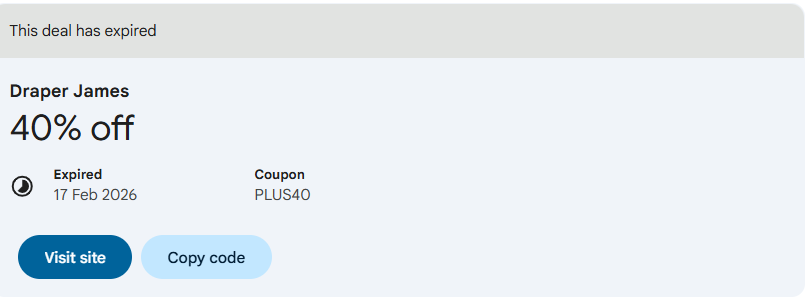
A notable issue observed during Valentine’s Day was the display of expired offers. Several emails featured annotations promoting deals that had already passed their validity period by the time the subscriber viewed them. This not only frustrated users but also undermined the brand’s credibility. For instance, a "Valentine’s Day Sale Ends Tonight!" annotation might linger for days, presenting a non-existent offer. This highlights a critical oversight in many marketers’ implementation strategies. Brands like Interflora and Snapfish, which frequently run time-sensitive promotions, could have significantly benefited from utilizing the "availabilityEnds" parameter within the annotation markup. This parameter instructs Gmail to remove or update the annotation once the offer expires, preventing the display of stale information. The failure to leverage such features underscores a broader challenge in email marketing: keeping pace with technical specifications to ensure optimal display and functionality across diverse email clients. The implication is clear: marketers must not only adopt new features but also meticulously manage their lifecycle.

Automated Deal Cards: A Mixed Blessing
Gmail’s automatic generation of "deal cards" at the top of emails in the Promotions tab was another feature under scrutiny. These cards pull key promotional information, such as coupon codes or discount percentages, and display them prominently. While the accuracy of the extracted content was generally high, the effect on the overall brand message was often reductive.
For brands like Draper James, which invest heavily in crafting visually appealing and narrative-driven emails to convey their brand identity and product value beyond a simple discount, these automated deal cards presented a challenge. By boiling down the email’s essence to a single data point—the coupon code—the deal card inadvertently diminished the richer, more nuanced messaging and additional value propositions. While deal cards undoubtedly increase the visibility of a promotion, they risk oversimplifying the brand experience and potentially devaluing the creative efforts of marketers. This forces brands to rethink how they structure their promotional emails, balancing the need for clear, concise offers with the desire to maintain brand integrity and storytelling. The goal becomes to integrate deal cards seamlessly rather than allowing them to overshadow the primary message, perhaps by leveraging them as a hook to draw readers into a more comprehensive email experience.

Marketers’ Creative Responses and Strategies
Despite these algorithmic shifts, marketers demonstrated considerable ingenuity and adaptability in their Valentine’s Day campaigns, experimenting with a range of messaging tactics designed to resonate with diverse audiences and circumvent inbox challenges.
Preference Centers for Holiday Opt-Outs: A Shift Towards Granular Control
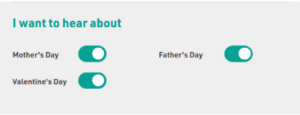
In previous years, it was common to see one-off "Would you like to opt out of Valentine’s Day emails?" notifications. This year, there was a noticeable shift towards integrating holiday-specific opt-out options directly into comprehensive preference centers. Brands like Buyagift exemplified this trend, allowing subscribers to manage their holiday email preferences on a "one and done" basis. This approach not only enhances the subscriber experience by offering more control but also benefits senders by reducing unsubscribe rates and improving engagement from a more self-selected audience. It reflects a growing understanding that blanket email suppression requests for specific holidays are less effective than empowering users with enduring control over the types of content they receive. This strategy builds trust and fosters a healthier, more engaged email list in the long run.
Novel Discounting Strategies: The 14 Percent Offer
To stand out in a sea of generic promotions, several senders creatively aligned their discounts with the holiday date, offering "14 percent off." This subtle yet effective tactic leveraged the significance of February 14th, making the offer memorable and unique compared to the more ubiquitous 25% or 30% discounts. This approach taps into consumer psychology, where novelty and relevance can sometimes be more impactful than a slightly higher discount. It demonstrates an understanding that in a crowded inbox, differentiation can be as simple as a clever numerical alignment, helping promotions to register more effectively with subscribers.
Engaging Subject Lines: Counteracting "Doomscrolling"
Recognizing the prevalent habit of "doomscrolling" through an endless stream of digital content, some brands crafted subject lines designed to interrupt this behavior. Clarins, for example, employed the clever subject line "stop scrolling," directly addressing the subscriber’s typical interaction pattern. This tactic aims to create a moment of pause, encouraging the subscriber to give the email more than a cursory glance. In a competitive inbox environment, a subject line that acknowledges and attempts to disrupt ingrained digital habits can significantly improve open rates and immediate engagement. It’s a testament to the power of human psychology in email marketing.
Post-Valentine’s Day Messaging: "In Case You Missed It"

On February 15th, a new wave of emails emerged with subject lines like "In case you forgot Valentine’s Day" or "Still time to make it up to them." These messages served a dual purpose: they offered a lifeline to tardy partners, helping them "redeem themselves," and also functioned as a strategic re-engagement tactic. This trend suggests that marketers are adopting new strategies to mitigate the impact of emails going unseen on the primary holiday, potentially due to engagement-based sorting or sheer inbox volume. By sending a follow-up, brands increase the chances of their message being seen, while also subtly testing the waters for engagement with a slightly different narrative. It provides a valuable second chance for both the consumer and the marketer.
The Power of Humor in Holiday Campaigns
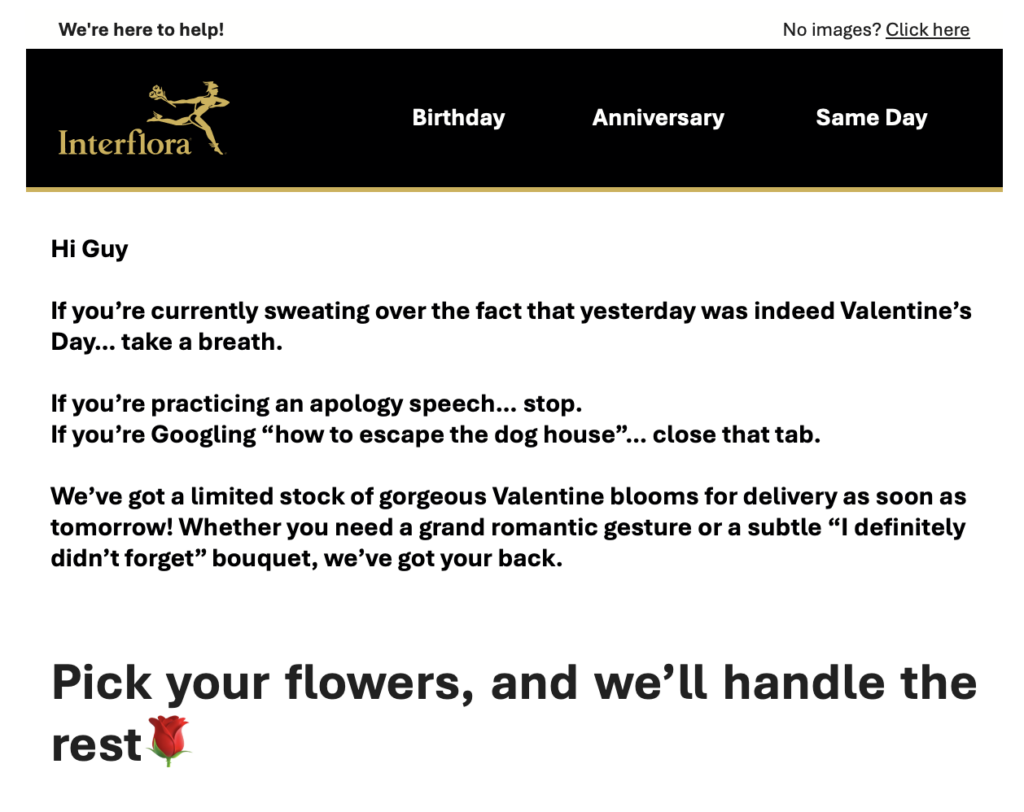
Humor proved to be a highly effective tool for differentiation this Valentine’s season. In a period often saturated with romantic clichés, witty and self-aware messaging helped emails stand out. Interflora provided an excellent example, appealing to partners who might have forgotten the day with a humorous tone that offered a solution to their predicament. Such campaigns "row against the flow" of conventional holiday messaging, creating a memorable brand experience that fosters a positive emotional connection with the subscriber. Humor, when executed well, can cut through promotional fatigue and significantly enhance brand recall.

Micro-animations for Enhanced Engagement
Visual elements continued to play a crucial role in capturing attention. Micro-animations, subtle GIFs that incorporate slight movement, were effectively used to amplify logos, draw focus to Calls-to-Action (CTAs), or highlight specific product features. Bulgari’s email, featuring a delicate shimmer over its logo, provided a stellar example. This understated animation added a touch of sparkle, catching the eye without being overly distracting. Micro-animations leverage the human eye’s natural inclination towards movement, enhancing engagement and making emails feel more dynamic and premium. They represent a sophisticated evolution from static imagery, adding an extra layer of polish and allure.
Challenges and Deliverability: The Spam Folder Conundrum

While many campaigns successfully navigated the new landscape, some, unfortunately, met a less romantic fate, landing in the spam folder. Even the most creatively designed and strategically timed emails are futile if they fail to reach the inbox. Several factors contribute to emails being flagged as spam, particularly under Gmail’s updated algorithms that increasingly emphasize sender reputation and user engagement.
- Sender Reputation: This is paramount. A sender’s reputation is built over time based on factors like IP address history, domain age, complaint rates, bounce rates, and user engagement (opens, clicks, replies vs. deletes, marks as spam). A sudden spike in email volume, especially during a holiday, without a corresponding increase in positive engagement, can negatively impact reputation, triggering spam filters.
- Low Engagement Metrics: Gmail’s relevance sorting is intrinsically linked to user engagement. If subscribers consistently ignore, delete, or mark emails as spam, Gmail learns that the content is not relevant to them. This can lead to future emails from that sender being routed to spam, even if the content itself is not malicious. Marketers need to actively prune disengaged subscribers to maintain a healthy list.
- Content and Filtering: Certain content patterns can trigger spam filters. This includes excessive use of all caps, exclamation points, spammy keywords (e.g., "free," "win," "limited time offer" when overused), broken links, or an imbalance between images and text. While these are common pitfalls, their impact is amplified by a lower sender reputation.
- Lack of Proper Authentication: Basic email authentication protocols like SPF (Sender Policy Framework), DKIM (DomainKeys Identified Mail), and DMARC (Domain-based Message Authentication, Reporting & Conformance) are crucial. These protocols verify that an email is indeed from the sender it claims to be, protecting against phishing and spoofing. Without proper authentication, emails are more likely to be treated with suspicion by mail servers. Gmail’s recent updates have placed an even greater emphasis on strict authentication for bulk senders.
The unfortunate reality for some Valentine’s Day campaigns was that despite excellent creative execution, underlying deliverability issues—often linked to a historical lack of engagement or failure to adapt to new technical requirements—prevented them from reaching their intended audience.
Industry Sentiment: The Enduring Love for Email
Amidst these technical shifts and strategic adaptations, the fundamental appreciation for email marketing remains strong within the industry. The annual "Love Letters to Email" tradition on LinkedIn, where professionals share heartfelt tributes to the channel, serves as a powerful testament to its enduring value. Tom Bartel’s contribution, for instance, perfectly captured the sentiment of many, highlighting email’s reliability, versatility, and unique ability to foster direct, personal connections. These expressions underscore that despite the challenges posed by evolving algorithms and increasing competition, email continues to be seen as an indispensable tool for direct communication and relationship building. It’s a channel that, when nurtured with care and strategic insight, delivers unparalleled results.
Conclusion: Navigating the Future of Email Engagement
Valentine’s Day 2026 served as a crucial proving ground for email marketers in an era defined by Gmail’s enhanced intelligence. The period brought forth a mix of triumphs, where innovative messaging and subscriber-centric approaches shone, and setbacks, where technical oversights or a failure to adapt to new deliverability paradigms led to campaigns missing their mark. The key takeaway is clear: in an inbox increasingly governed by relevance, engagement, and sender reputation, every email needs a deliberate touch of "love" to resonate with subscribers.

Looking ahead, the trends observed during this holiday underscore the imperative for marketers to move beyond generic batch-and-blast strategies. The future of email marketing demands a deeper understanding of individual subscriber behavior, meticulous attention to technical deliverability, and a continuous willingness to experiment with creative and personalized content. Staying abreast of provider-specific updates, optimizing for engagement, and fostering a healthy sender reputation will be non-negotiable for success. The lessons learned from Valentine’s Day 2026 will undoubtedly shape email marketing predictions and strategies for the remainder of the year and beyond, as the industry continues to adapt to an ever-evolving digital landscape.









