
 rifanmuazin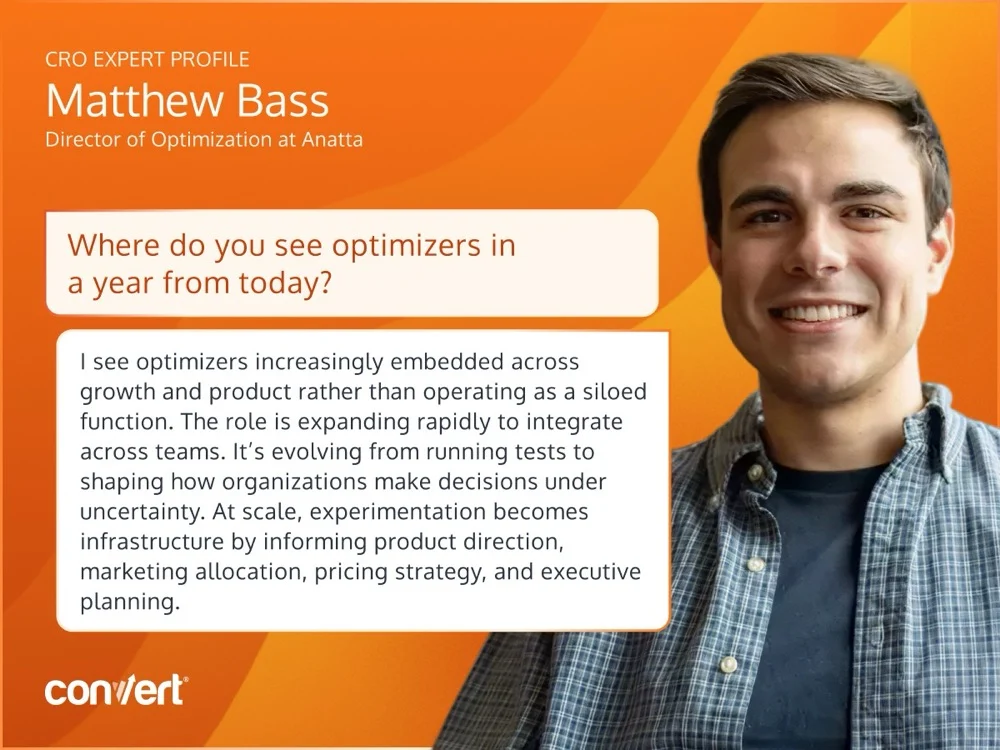
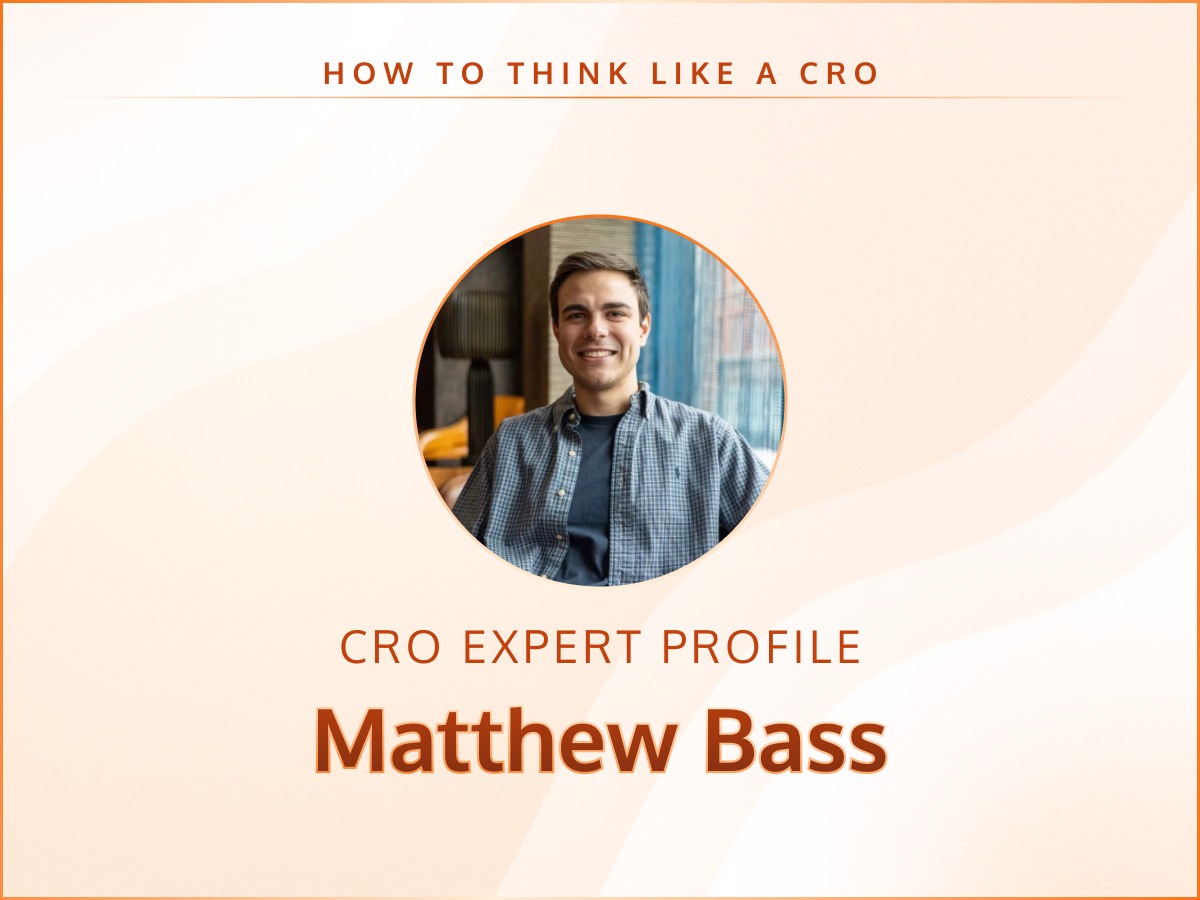
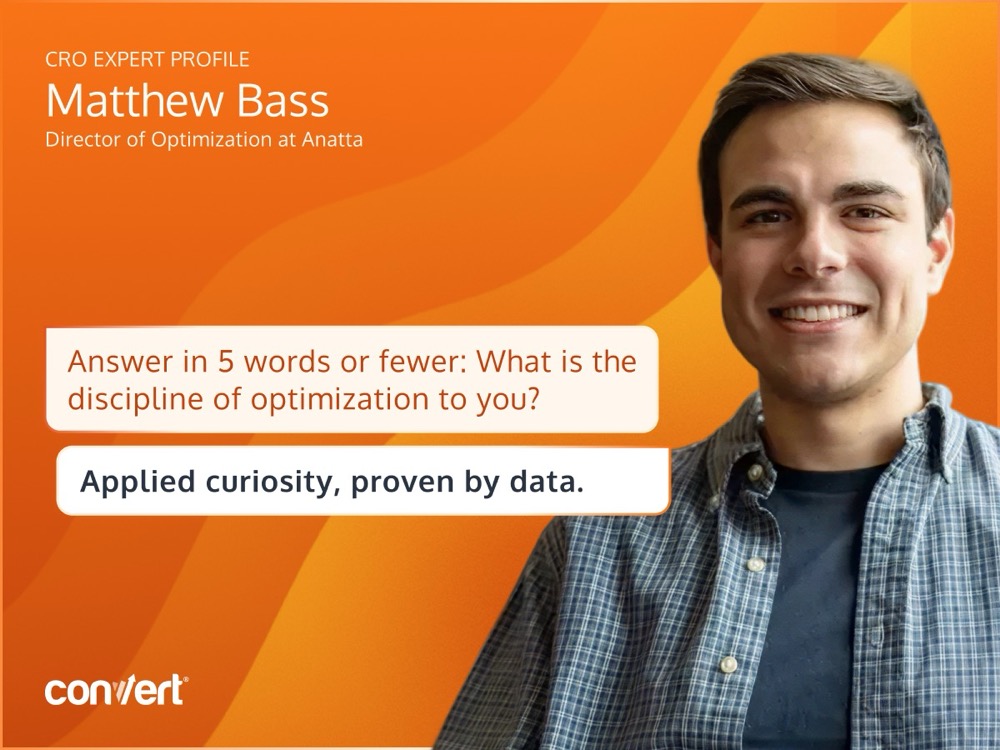
In the rapidly shifting landscape of electronic commerce, the methodology behind user experience (UX) and conversion rate optimization (CRO) has transitioned from a peripheral activity to a core business infrastructure. Matthew Bass, the Director of Optimization at Anatta, represents a growing cohort of digital strategists who view experimentation not merely as a series of isolated A/B tests, but as a comprehensive operating system for scalable performance. With over seven years of experience spanning acquisition, creative strategy, and full-funnel experimentation, Bass’s career trajectory mirrors the broader industry’s move toward data-informed decision-making. His approach, which he defines as "applied curiosity, proven by data," highlights a pivotal shift in how high-growth eCommerce brands bridge the gap between human intuition and empirical truth.
The Strategic Trajectory: From Creative Narratives to Data Systems
The professional evolution of Matthew Bass provides significant insight into the changing demands of the digital marketing sector. Beginning his career in upper-funnel eCommerce acquisition and creative strategy, Bass initially focused on the narrative elements of the consumer journey. This background in creative strategy has proven to be a distinct advantage in the field of optimization, where technical data often lacks the context of human behavior. According to industry analysis, brands that integrate creative storytelling with technical CRO see a more cohesive brand experience, which is essential for long-term customer retention.
Bass’s transition into CRO was driven by the realization that experimentation serves as the definitive bridge between a hypothesis and its confirmation. Over the past seven years, he has scaled experimentation programs for numerous high-growth brands, moving beyond simple button-color changes to deep-funnel UX research and enterprise-level optimization. This progression reflects a broader market trend where the CRO industry is expected to reach a valuation of billions by the late 2020s, driven by the increasing cost of customer acquisition and the subsequent need for higher on-site efficiency.
The Role of Artificial Intelligence in Modern Experimentation Workflows
As the Director of Optimization at Anatta, Bass has been at the forefront of integrating Artificial Intelligence (AI) into the experimentation lifecycle. In the current technological climate, AI is no longer a futuristic concept but a functional tool that accelerates data synthesis. For experimentation teams, the primary challenge has historically been the "analysis gap"—the time required to manually review thousands of session recordings, survey responses, and analytics data points to find actionable insights.
Bass notes that AI compresses this analysis period from days to hours. By leveraging AI to synthesize qualitative and behavioral data, leaders can increase their strategic leverage. The application of AI at Anatta focuses on three primary areas:

- Data Synthesis: Processing vast quantities of session recordings and user feedback to identify recurring pain points.
- Pattern Recognition: Utilizing machine learning to detect anomalies in merchandising behavior that might escape human observation.
- Efficiency Gains: Allowing senior strategists to focus on "asking the right questions" rather than getting bogged down in manual data entry and sorting.
This shift does not replace the need for human strategic thinking; rather, it amplifies it. Fact-based analysis suggests that while AI can identify what is happening in the data, the why and the subsequent strategic pivot still require the empathetic lens of a human optimizer.
Creative Strategy as a Catalyst for Optimization
One of the unique aspects of Bass’s methodology is the application of creative strategy to the discipline of CRO. Historically, creative teams and data teams have operated in silos, often with conflicting objectives. However, Bass argues that experimenters with creative backgrounds bring essential skills to the table, specifically the ability to think in narratives rather than just metrics.
This narrative-driven approach ensures that the user journey is viewed as a continuous story rather than a series of disconnected touchpoints. In a professional journalistic context, it is observed that this holistic view prevents "local maxima" optimization—where one page is improved at the expense of the overall funnel. Creative-led optimizers are more likely to:
- Develop hypotheses rooted in psychological triggers.
- Maintain brand voice consistency throughout the testing process.
- Communicate complex data results to stakeholders through compelling storytelling, which is critical for securing organizational buy-in.
Case Study: Value Architecture and the Product Detail Page
A significant milestone in Bass’s career involved a comprehensive reimagining of the Product Detail Page (PDP) for a high-growth brand. Moving away from the traditional view of the PDP as a static merchandising layout, Bass and his team treated the page as a "value-architecture system."
The experiment was rooted in behavioral and offer analysis, which revealed a discrepancy between customer motivation and site navigation. Data indicated that customers were highly motivated by exclusive bundles, yet these bundles were buried deep within the site architecture, away from the primary conversion path. To address this, the team introduced a "Best Value" framing mechanism directly within the core PDP experience.
By restructuring the prominence of the bundle and clarifying the price-per-unit economics at the moment of commitment, the team successfully reduced decision friction. The results were twofold:
- Commercial Lift: A measurable increase in key metrics, including Average Order Value (AOV) and conversion rate.
- Strategic Realignment: The test results shifted the organization’s perspective on value communication, influencing their omnichannel strategy and future merchandising decisions.
This case study illustrates the power of "cognitive accessibility"—making the most beneficial option for both the user and the business the easiest one to choose.
The Future of Optimization: Integration Over Isolation
Looking toward the future, Bass predicts a fundamental shift in how optimization teams are structured within organizations. The traditional model of the "siloed" CRO unit is likely to disappear, replaced by an integrated model where optimizers are embedded directly within growth and product teams.
As experimentation matures, it is becoming a form of organizational infrastructure. In this capacity, it informs high-level decision-making under conditions of uncertainty. This integration allows experimentation to influence:

- Product Direction: Determining which features to build based on validated user needs.
- Marketing Allocation: Optimizing spend based on which channels drive the highest quality users.
- Pricing and Merchandising: Testing price elasticity and offer structures in real-time.
Data suggests that companies that adopt this "experimentation-as-infrastructure" model build compounding competitive advantages. By institutionalizing the process of learning, these organizations can unlock exponential growth that far outpaces competitors who rely on sporadic, tactical testing.
Chronology of the Optimization Discipline
To understand Bass’s impact, one must look at the timeline of the CRO industry’s development:
- 2010–2015: The era of tactical A/B testing. Focus was largely on cosmetic changes and "quick wins."
- 2016–2020: The rise of UX research. Testing began to incorporate qualitative data, such as heatmaps and user testing videos.
- 2021–2024: Integration and AI. Optimization became a full-funnel discipline, utilizing AI to handle massive datasets.
- 2025 and Beyond: Strategic Experimentation. The discipline is now seen as a method for organizational de-risking and long-term strategic planning.
Broader Impact and Industry Implications
The insights shared by Matthew Bass highlight a critical juncture for the eCommerce industry. As digital markets become more saturated, the ability to iterate quickly and accurately is the primary differentiator between market leaders and laggards. The move toward "applied curiosity" signifies a professionalization of the field, where the goal is no longer just a higher conversion rate, but a deeper understanding of human behavior.

Furthermore, the emphasis on empathy in the user experience evolution serves as a reminder that behind every data point is a human user. By connecting commercial strategy with empathetic design, optimizers like Bass are not just driving revenue; they are creating more intuitive and satisfying digital experiences.
In conclusion, the discipline of optimization is evolving from a technical specialty into a leadership necessity. As AI continues to remove the manual burdens of data analysis, the value of an optimizer will increasingly be measured by their ability to synthesize information, tell a compelling story, and guide an organization through the complexities of the modern consumer journey. For brands looking to scale, the playbook provided by leaders like Matthew Bass offers a clear path: build systems that reward curiosity, rely on data to prove hypotheses, and never stop iterating.








