

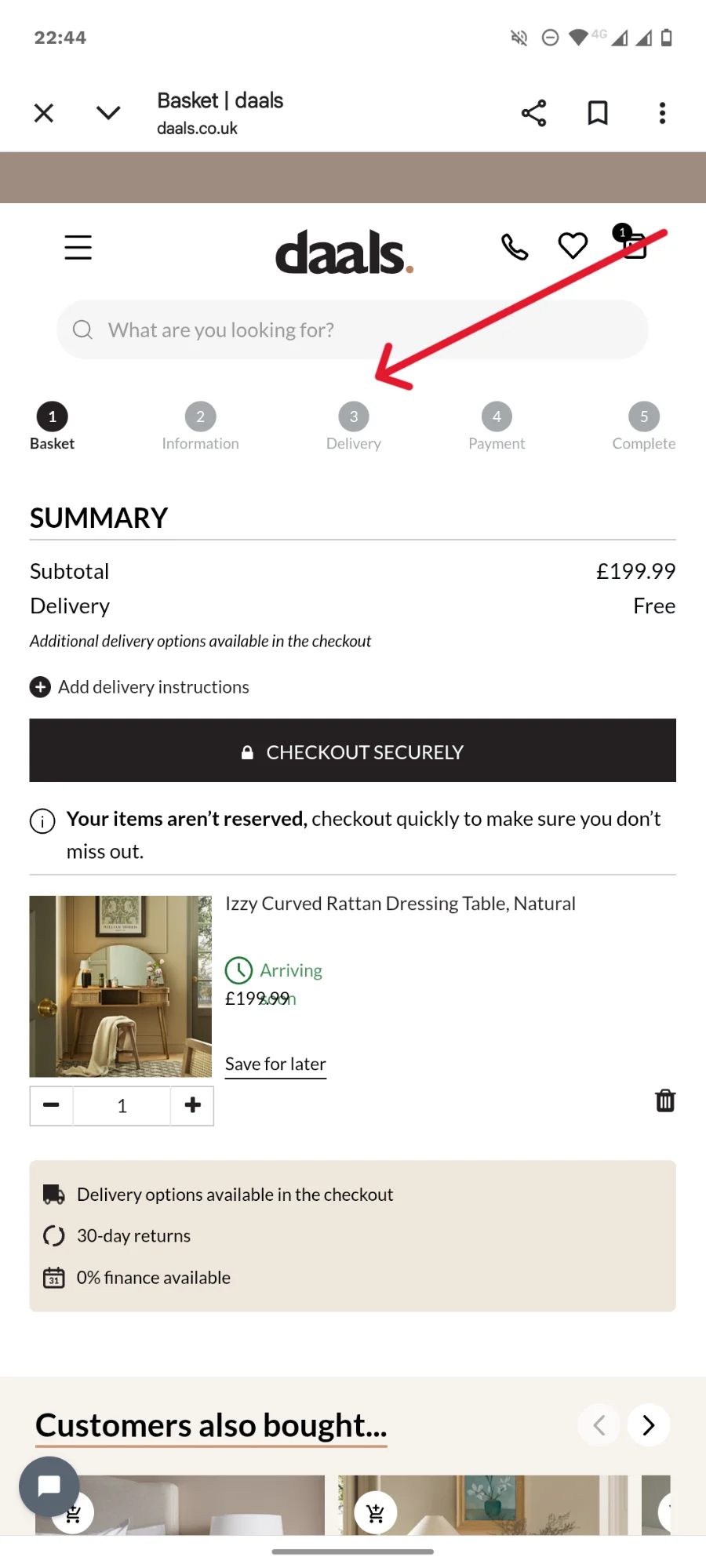
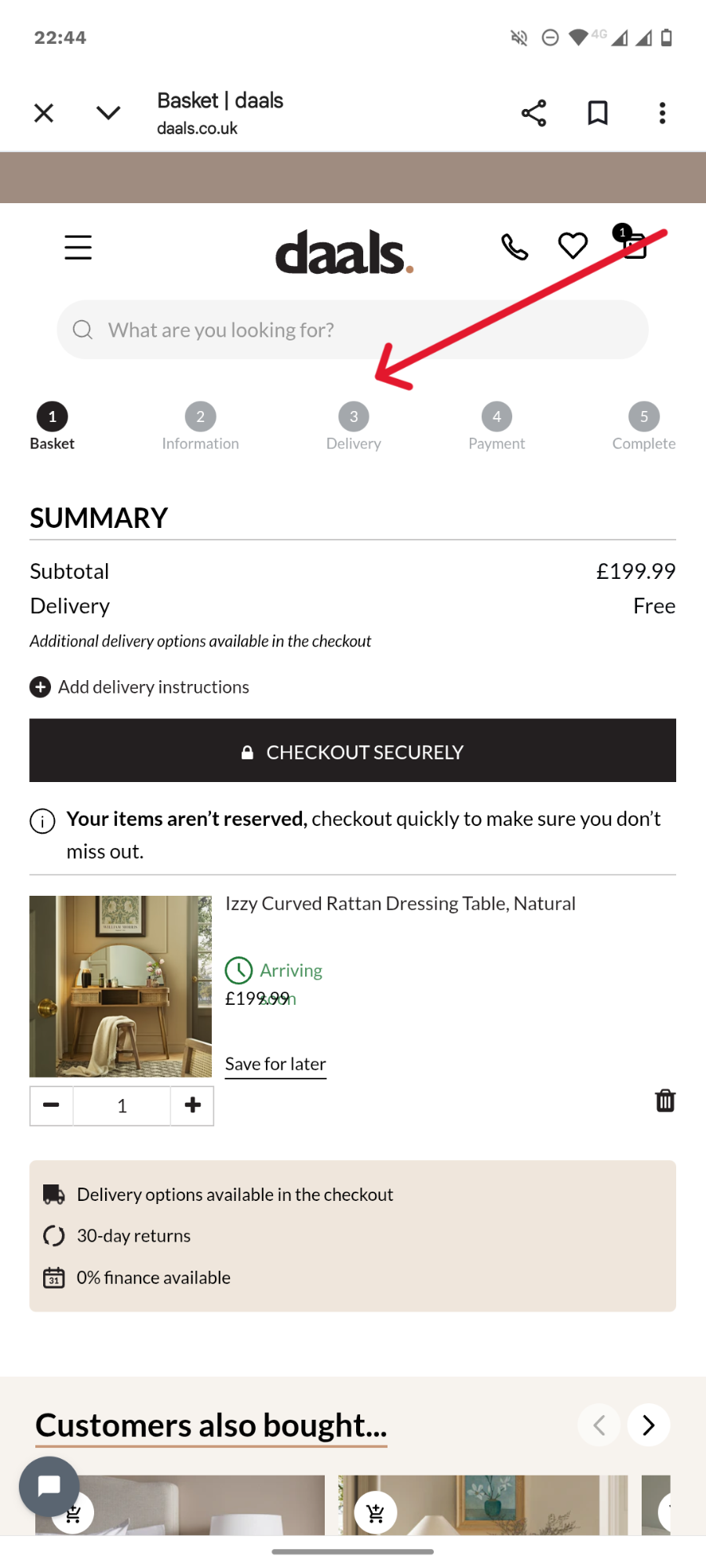
The landscape of global e-commerce has reached a critical inflection point in 2026, where mobile devices now command the vast majority of consumer attention yet continue to struggle with a significant “conversion gap.” Recent benchmark data from Dynamic Yield highlights a stark reality for digital retailers: while 74% of all e-commerce traffic now originates from mobile phones, the average mobile cart abandonment rate remains stubbornly high at 81.72%. This represents an 11-percentage-point deficit compared to desktop performance, suggesting that billions of dollars in potential revenue are being lost due to friction in the final stages of the mobile purchasing journey.

While industry analysts often attribute this disparity to the “browsing-heavy” nature of mobile users, a deeper investigation into user experience (UX) reveals that design flaws and technical hurdles are the primary culprits. For modern enterprises, bridging this gap is no longer an elective optimization but a structural necessity for survival in a mobile-first economy.
The Evolution of the Mobile Shopping Experience: A Ten-Year Chronology
To understand the current crisis in mobile checkout, one must look at the technological trajectory of the last decade. In 2016, mobile commerce was largely seen as a secondary channel, with most websites offering “responsive” designs that were essentially scaled-down versions of desktop sites. By 2020, the global pandemic accelerated the adoption of mobile shopping apps, but it also exposed the limitations of traditional form-filling on small screens.
By 2024, the introduction of biometric authentication (FaceID and TouchID) and the proliferation of digital wallets began to set a new standard for “one-tap” purchasing. Entering 2026, consumer expectations have reached a peak; shoppers now demand instantaneous load times and zero-friction navigation. The current 81.72% abandonment rate is a signal that many retailers have failed to keep pace with these escalating demands, relying on legacy checkout structures that frustrate the modern “thumb-driven” user.
Strategic Fix 1: Ergonomic Design for the “Thumb Zone”
The physical reality of how users hold their devices must dictate the architecture of the checkout page. Research into mobile ergonomics, specifically the “Thumb Zone” theory popularized by UX researchers, indicates that users interact most comfortably with the bottom and middle thirds of their screens when using a device one-handed.
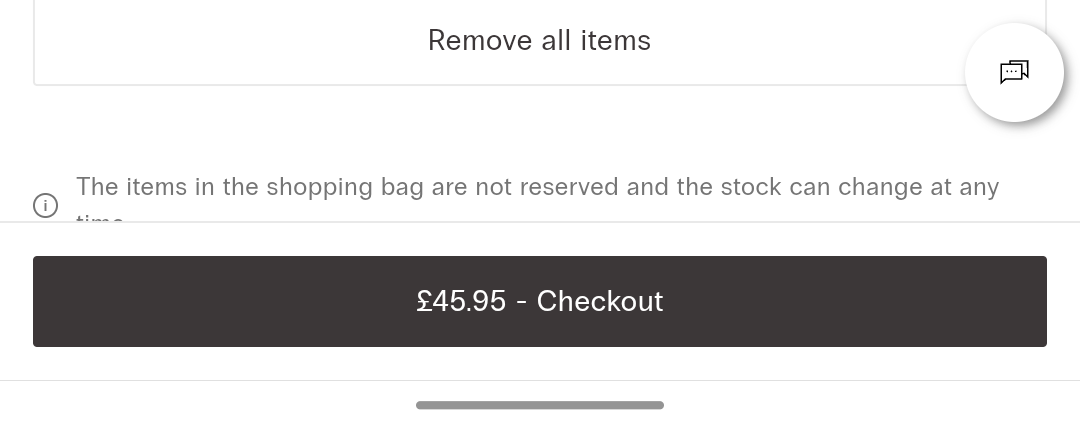
High-impact optimization requires placing primary call-to-action (CTA) buttons—such as “Complete Purchase” or “Proceed to Payment”—within this natural arc. Conversely, secondary actions like “Remove Item” or “Continue Shopping” should be placed in harder-to-reach areas to prevent accidental clicks that derail the conversion process. Furthermore, as social commerce thrives on platforms like Instagram and TikTok, retailers must ensure their checkout pages render correctly within in-app browsers, which often feature headers and footers that can clip essential UI elements.
Strategic Fix 2: Navigational Flow—Single-Page vs. Multi-Step
A persistent debate in e-commerce circles involves the efficacy of single-page versus multi-page checkouts. While single-page designs are often touted for their perceived speed, they can become cluttered and overwhelming on mobile screens, leading to “scroll fatigue.”
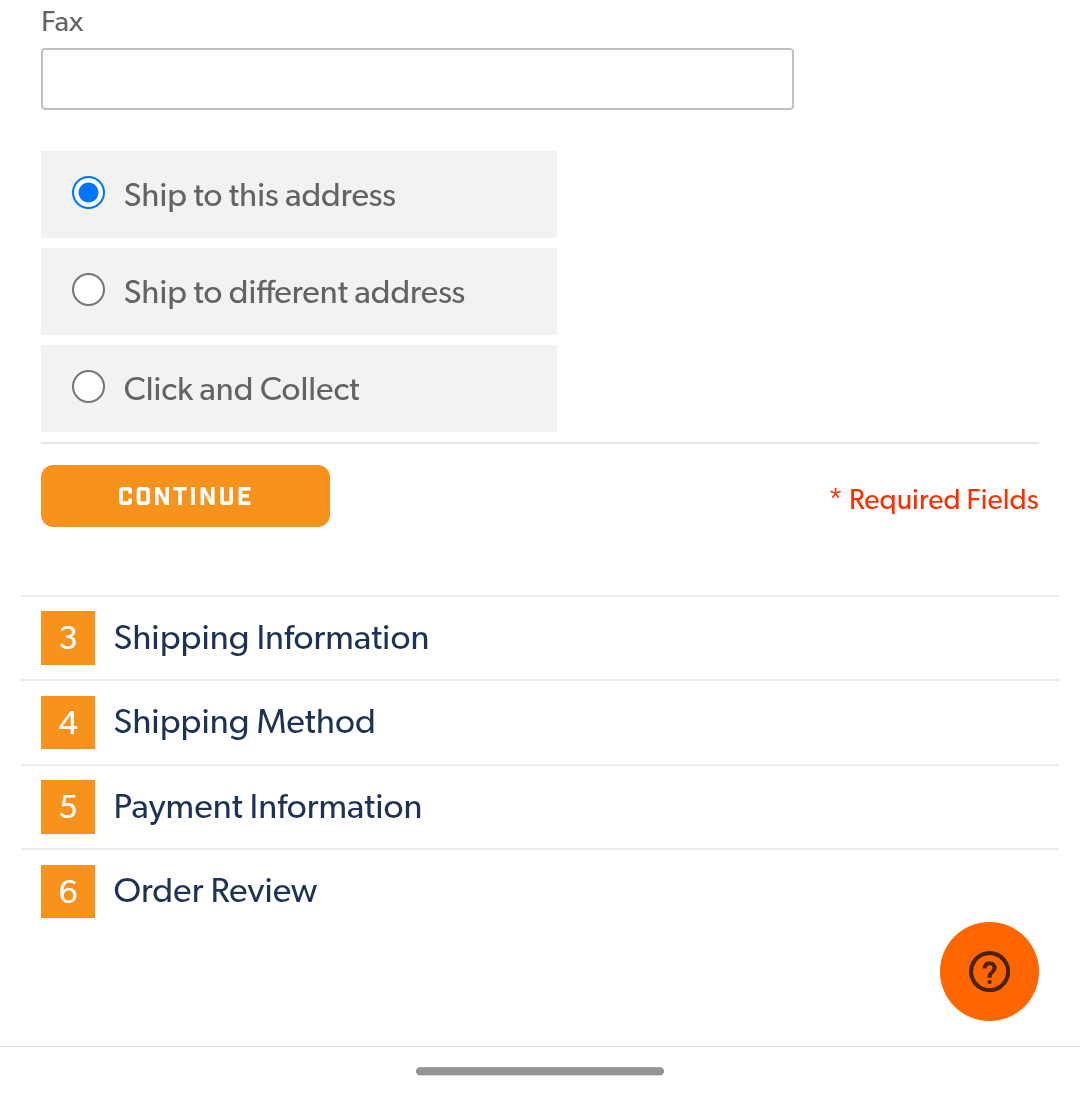
Current best practices suggest that the structure of the information matters more than the number of pages. If utilizing a single-page layout, developers should employ an accordion-style design that expands and collapses sections (Shipping, Billing, Payment) to keep the user focused on one task at a time. Conversely, multi-step checkouts allow for the early capture of email addresses—a vital component for cart recovery sequences—provided a clear progress indicator is present to manage the user’s expectations regarding the time commitment required.
Strategic Fix 3: Eliminating Forced Account Creation
One of the most significant barriers to mobile conversion remains the requirement for users to create an account before purchasing. According to the Baymard Institute, 19% of shoppers abandon their carts specifically because they do not want to go through the friction of account registration.

In 2026, the standard for high-performing checkouts is the “Guest Checkout” by default. Retailers are encouraged to move the account creation prompt to the order confirmation page, where the customer’s motivation is high and their data has already been entered. Additionally, the integration of Single Sign-On (SSO) through Google, Apple, or social platforms can reduce registration time by up to 40%, allowing for a seamless transition from guest to registered user.
Strategic Fix 4: The Rise of Digital Wallets and Localized Payments
The integration of digital wallets such as Apple Pay, Google Pay, and PayPal is no longer an optional feature. Data from Stripe in 2025 indicated that checkouts offering Apple Pay saw a 22.3% boost in conversion rates among eligible users. The success of these methods lies in their ability to bypass traditional form-filling; shipping and payment details are pulled directly from the wallet’s secure vault.
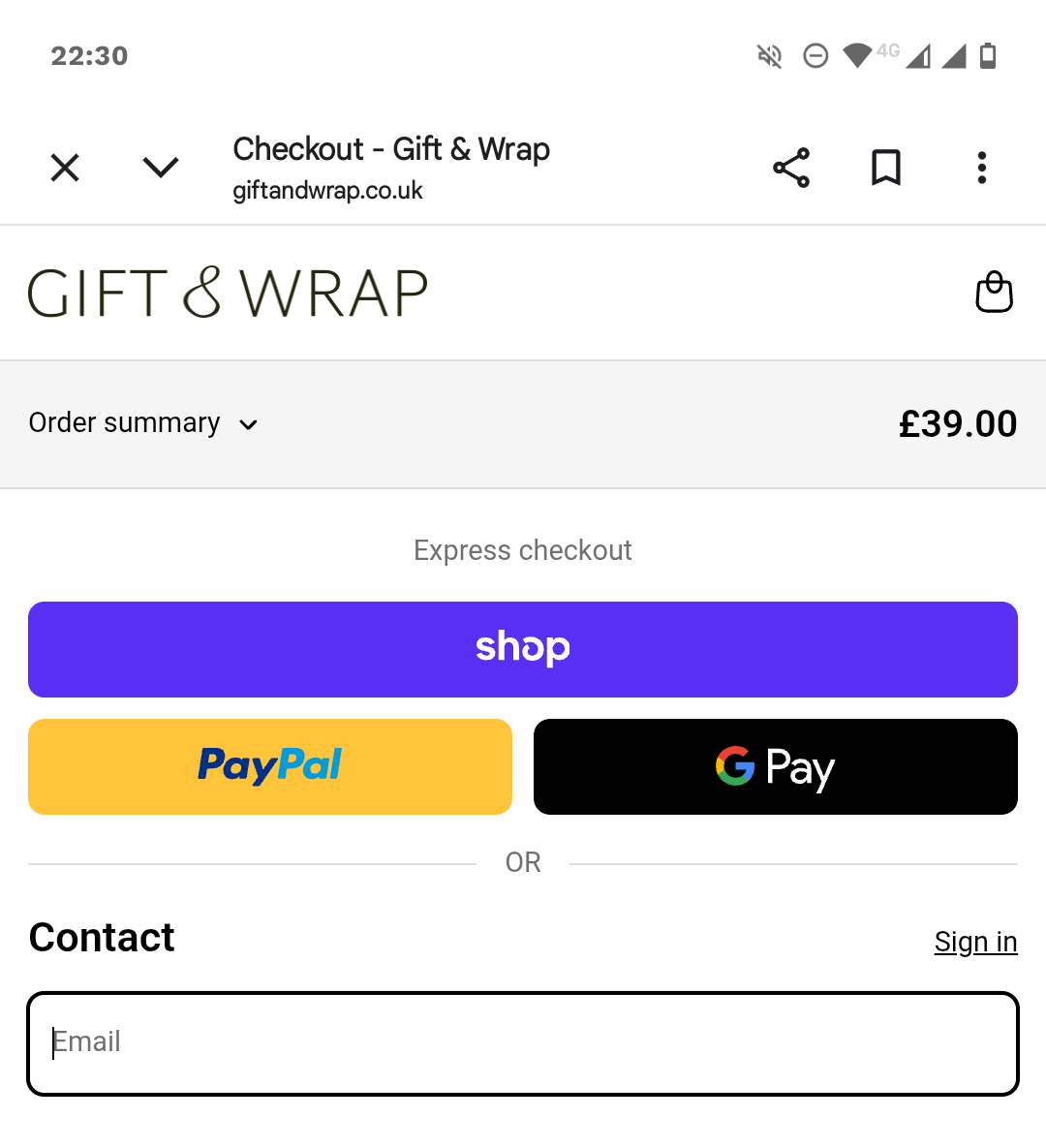
Furthermore, global retailers must account for regional preferences. In the Netherlands, iDEAL remains the dominant force, while Alipay and WeChat Pay are essential for the Chinese market. Failing to offer localized payment methods is a leading cause of abandonment in international transactions, as users lack trust in unfamiliar payment gateways.
Strategic Fix 5: Leveraging “Buy Now, Pay Later” (BNPL) for Mid-Value Orders
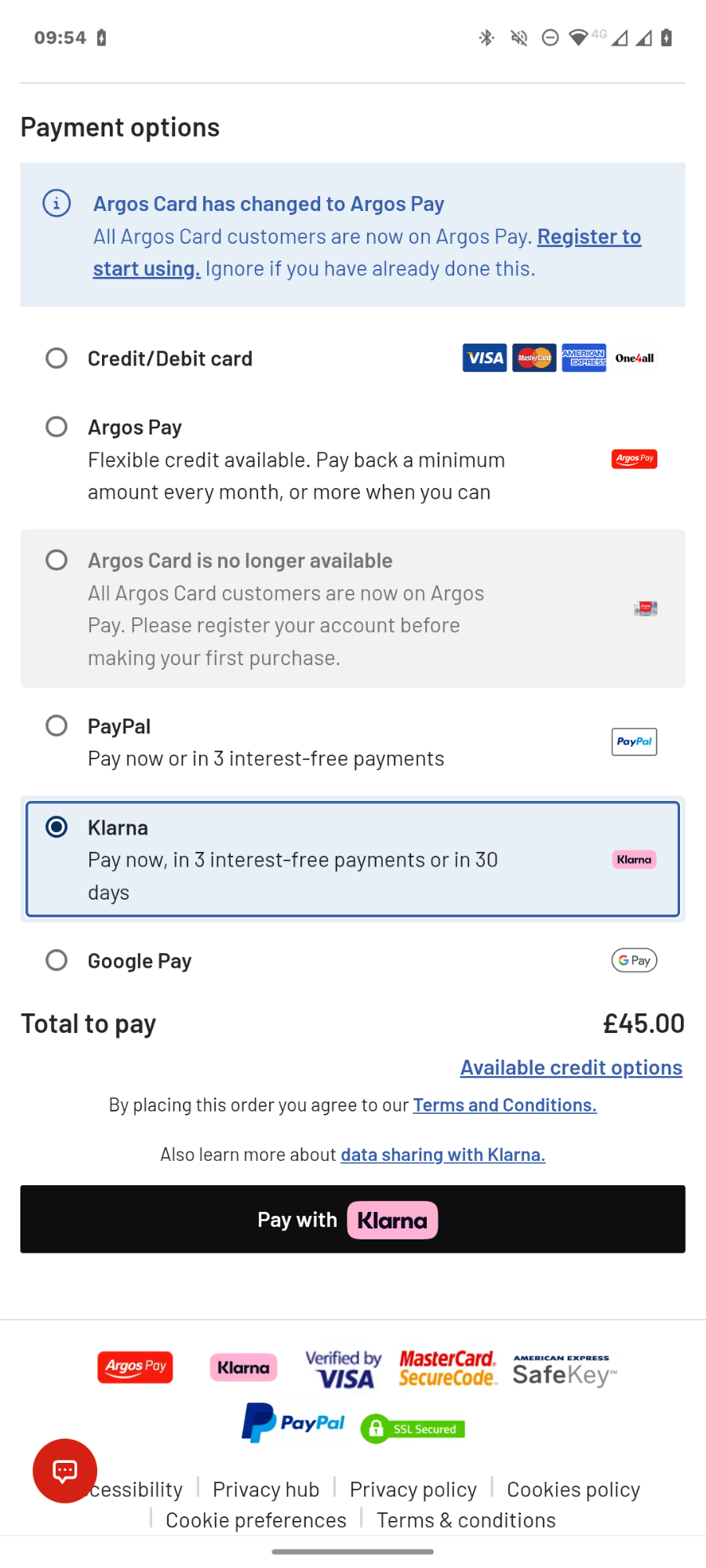
The economic impact of Buy Now, Pay Later (BNPL) services like Klarna and AfterPay has fundamentally altered consumer behavior. For orders ranging between $100 and $500, BNPL options have been shown to increase average order value (AOV) and provide a 14% lift in overall revenue. By spreading the cost over several installments, these services reduce the “pain of paying,” which is particularly effective on mobile where impulse purchases are more common.
Strategic Fix 6: Reinforcing Trust Through Visual Cues
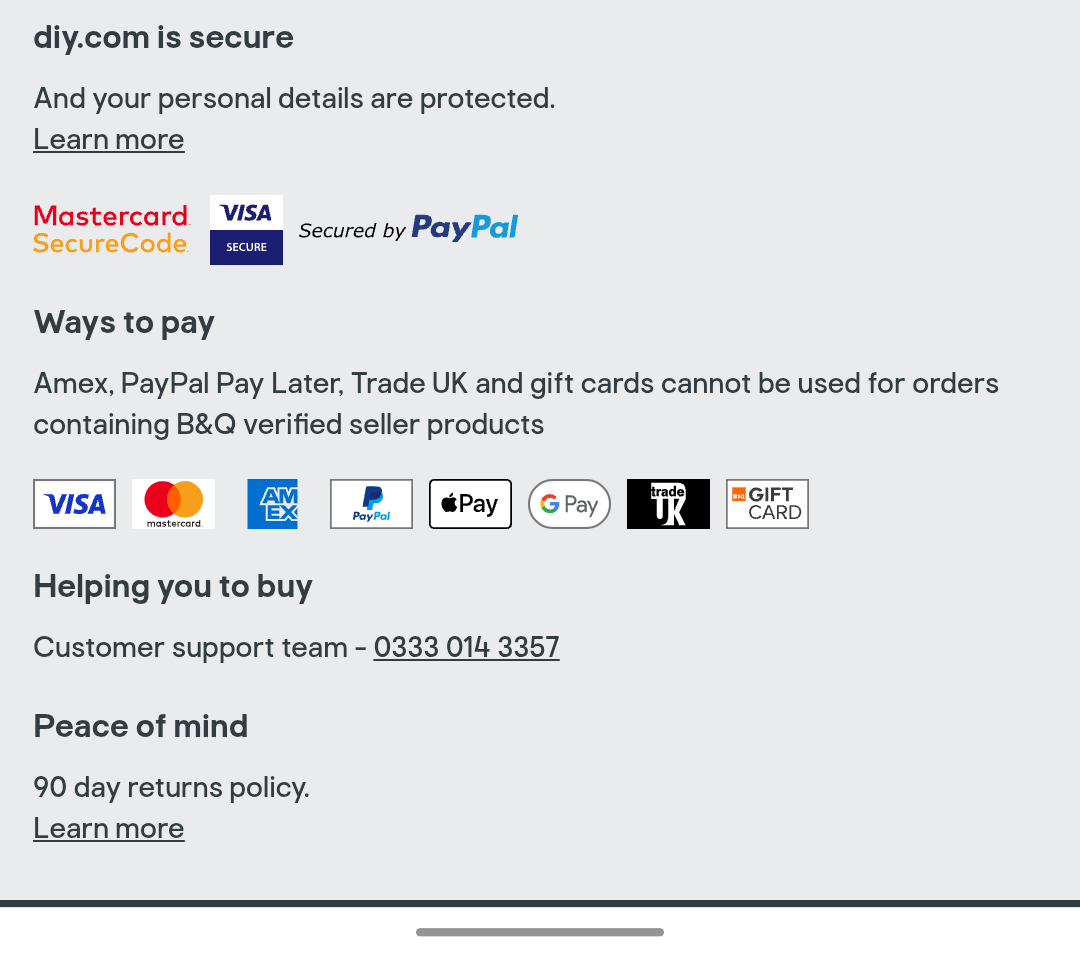
Security concerns remain a primary psychological barrier to mobile commerce. Approximately 19% of shoppers cite a lack of trust in a website’s security as their reason for abandonment. To mitigate this, trust signals—such as SSL badges, recognized payment logos (Visa, Mastercard), and clear links to return policies—must be placed in close proximity to the final payment button. On a small mobile screen, if these signals are buried in the footer, they effectively do not exist for the user.
Strategic Fix 7: Radical Reduction of Form Fields
The average e-commerce checkout form in 2024 contained 11.3 fields, a number that is widely considered excessive for mobile users. Top-tier retailers have successfully reduced this to between 6 and 8 fields. This is achieved by:
- Using a single “Full Name” field instead of separate first and last name boxes.
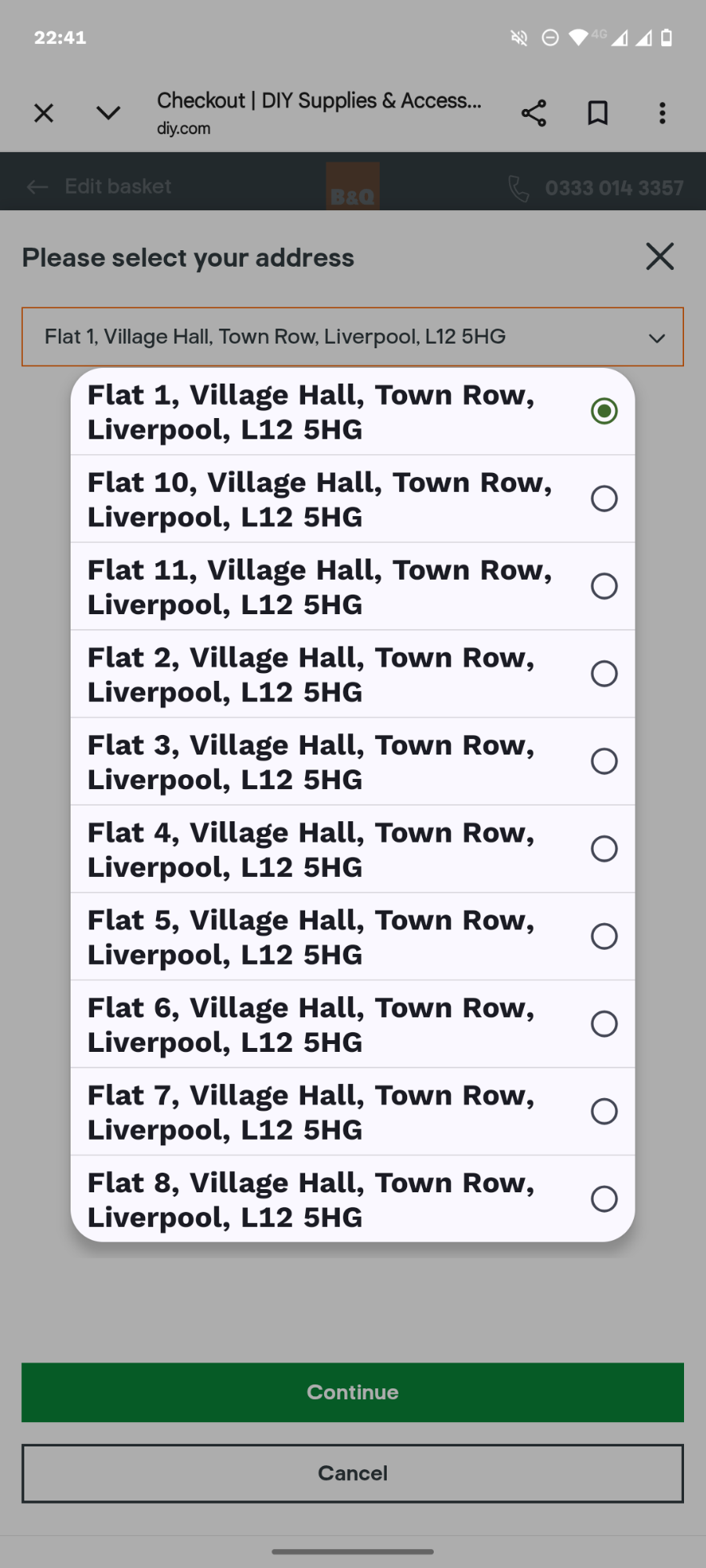
- Implementing “Address Autocomplete” via Google Maps API.
- Defaulting the billing address to match the shipping address.
- Removing optional fields like “Company Name” or “Address Line 2” unless absolutely necessary.
Strategic Fix 8: Optimizing Input Mechanics
Effort, rather than just the number of fields, is the true metric of friction. Mobile checkouts must be programmed to trigger the correct virtual keyboard for each field—numeric keypads for zip codes and credit card numbers, and email-optimized keyboards (including the “@” and “.com” shortcuts) for contact fields. Small technical adjustments, such as disabling “Auto-Correct” for name and address fields, prevent the frustration of the phone “correcting” a user’s street name into a common noun.
Strategic Fix 9: Technical Stability and Performance Benchmarking
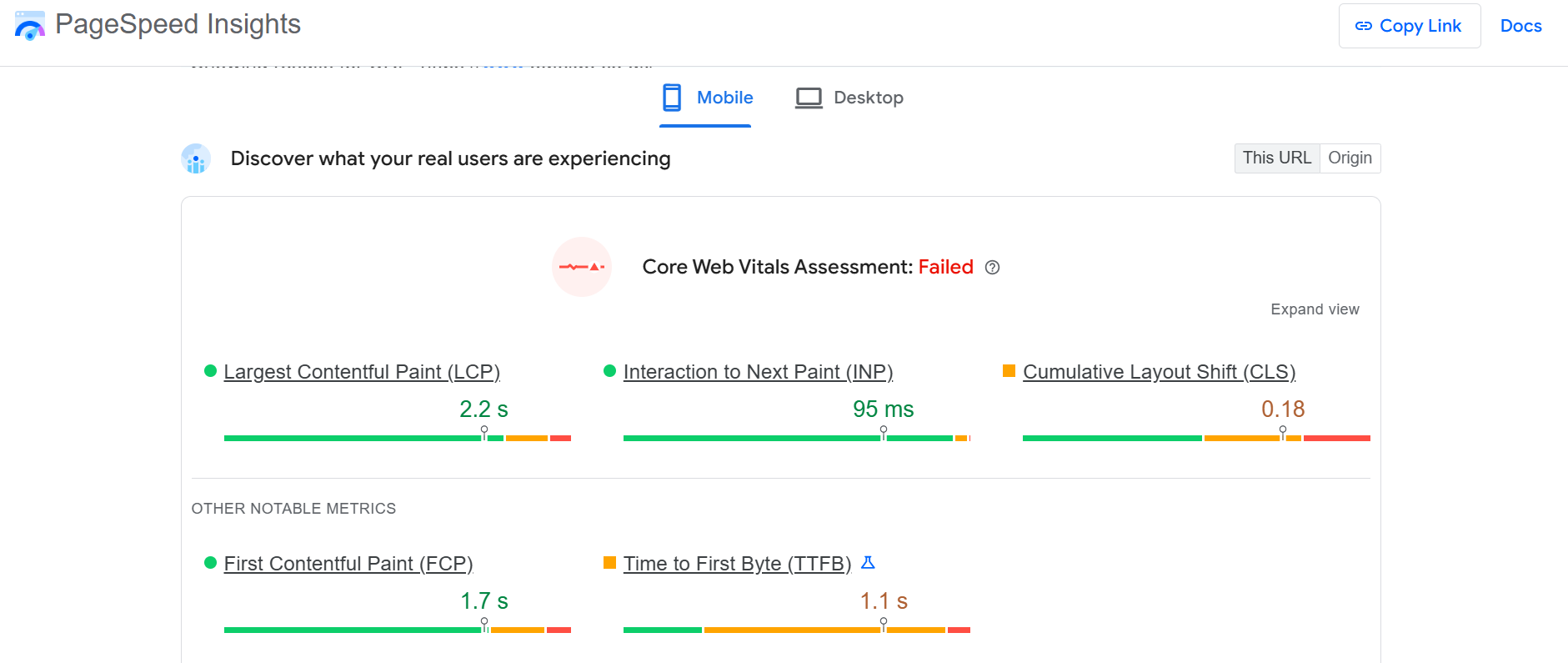
Mobile users are notoriously impatient; a page load delay of just three seconds can increase bounce rates by over 50%. Performance optimization for 2026 focuses on “Core Web Vitals,” specifically Cumulative Layout Shift (CLS) and Largest Contentful Paint (LCP). If a checkout page jumps around as images load, or if the “Pay” button takes too long to become interactive, users will perceive the site as unstable or insecure. Technical glitches are responsible for 15% of all abandoned carts, a figure that exceeds the impact of declined credit cards.
Strategic Fix 10: Cross-Device Persistence and Cart Recovery
The modern shopping journey is rarely linear. A consumer might discover a product on Instagram while commuting, add it to their cart on their phone, but prefer to complete the transaction on a desktop later that evening. Retailers must ensure that the “cart state” is saved across devices. This requires identifying the user early through loyalty IDs or email addresses. If a purchase is not completed, a sophisticated three-part email recovery sequence—sent at 1, 24, and 72 hours—remains the gold standard for recapturing lost mobile revenue.
Strategic Fix 11: Total Cost Transparency
The single greatest driver of cart abandonment is “hidden costs.” Data suggests that 39% of users drop out when they see unexpected shipping fees or taxes at the final step. To combat this, retailers must provide an “Order Summary” that remains visible or easily accessible throughout the entire checkout process. Displaying shipping estimates early, or offering a “Free Shipping” threshold, eliminates the sticker shock that kills conversions in the final seconds.
Industry Analysis: The Path Forward
As we look toward the remainder of 2026, the gap between mobile traffic and mobile conversion will likely determine the winners and losers of the digital economy. Industry experts suggest that the integration of Artificial Intelligence (AI) will be the next frontier, with AI-driven “checkout assistants” capable of predicting user errors and offering real-time support.
For businesses looking to diagnose their specific points of failure, tools like Crazy Egg provide essential behavioral analytics. By utilizing heatmaps and session recordings, retailers can identify “rage clicks”—where users tap repeatedly on a non-responsive element—and “form drop-offs,” where specific fields cause users to exit.

In conclusion, optimizing the mobile checkout is an iterative process that requires a balance of ergonomic design, technical speed, and psychological reassurance. By implementing these 11 high-impact fixes, retailers can transform their mobile presence from a mere browsing gallery into a high-performance sales engine, finally aligning their conversion rates with the reality of a mobile-dominated world.







