rifanmuazin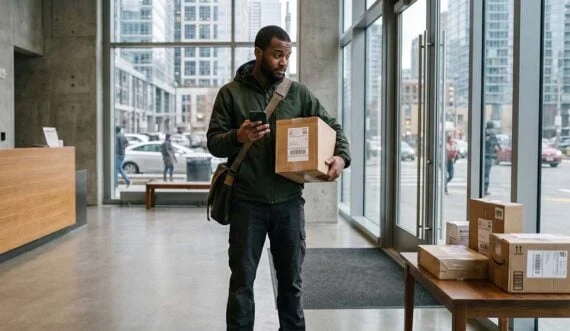
Local carriers are increasingly offering expedited and budget-friendly e-commerce delivery options, but these services can introduce significant concerns regarding consistency and the potential for package theft directly at the customer’s doorstep. This ongoing challenge within the "last mile" of delivery—the final leg of a package’s journey from a transportation hub to its destination—is prompting merchants and shippers to explore innovative solutions. A prominent example of this evolving strategy is Target’s recent announcement this month to expand its Shipt-powered same-day delivery model to over 100 of its U.S. stores by 2026.
This trend signifies a critical shift in how e-commerce brands are perceived and experienced by consumers. The delivery process itself has become a powerful touchpoint, significantly shaping customer satisfaction and brand loyalty. Services like Shipt, Amazon Flex, and Uber leverage the gig economy, employing independent contractors who often use their personal vehicles to pick up packages directly from retail locations or fulfillment centers, thereby enabling rapid last-mile fulfillment.
The Rise of Localized Fulfillment and the Shipt Model
Target’s strategic expansion of its Shipt-powered delivery network underscores a growing emphasis on localized fulfillment. By integrating Shipt’s capabilities with its extensive network of physical stores, Target is effectively bringing inventory and delivery operations closer to the end consumer. This approach transforms each store into a micro-fulfillment hub, enabling drivers to collect orders directly from local Target branches. This model bypasses the traditional, more complex long-haul shipping routes, replacing them with shorter, more efficient local deliveries. The strategic advantage of this model is substantial: by utilizing its existing store footprint, Target can significantly broaden its delivery coverage without the prohibitive expense of constructing new, dedicated distribution centers.
Target’s commitment to this localized delivery strategy was solidified with its acquisition of Shipt in 2017. Initially focused on same-day grocery delivery, Shipt has since evolved into a comprehensive last-mile network intrinsically linked to in-store inventory. This integration allows Target to potentially reduce its delivery costs by an estimated $2.50 per package when utilizing Shipt compared to traditional national carriers. These savings are primarily attributed to a reduction in package handoffs and the elimination of long-distance transit through multiple sorting facilities and extensive carrier networks.
The operational efficiency gained through this localized approach directly translates into improved delivery speed. With packages originating from a point much closer to the customer, delivery windows can be significantly tightened without the need for expensive premium air freight or expedited services. This not only lowers fulfillment costs but also aligns with escalating consumer expectations for near-instantaneous delivery. Target is far from alone in pursuing such omnichannel retail strategies; major competitors like Walmart and Amazon, along with numerous other retailers, are actively implementing similar initiatives to enhance their last-mile capabilities.
A Different Operational Paradigm: Gig Economy vs. Traditional Carriers
The operational structure of Shipt and similar delivery platforms represents a distinct departure from traditional small-package delivery services. This model, characterized by flexibility and a reliance on independent contractors, is becoming increasingly prevalent. Alongside national carriers like UPS and FedEx, a growing ecosystem of regional carriers, dedicated gig platforms, and white-label delivery services is emerging.
For merchants, this proliferation of delivery options presents both opportunities and challenges. While it offers greater choice and potentially lower costs, it also introduces a less standardized delivery landscape. Traditional carriers typically operate highly controlled and optimized networks with established processes for service levels, routing, and package handling. In contrast, gig delivery networks, while offering remarkable agility, can suffer from inherent inconsistencies.
The "Delivery Fails": Challenges in the Gig Economy Model
The realities of e-commerce delivery are often less than perfect, with virtually every consumer having encountered a delivery mishap at some point. Consider the scenario of a resident living in a high-rise apartment building in a dense urban area. In such settings, delivery protocols often involve secure drop-off locations, such as designated rooms equipped with entry codes and surveillance cameras. While services typically employ one-time passcodes for access, unfamiliarity with these procedures among some gig drivers can lead to deviations. This can result in packages being left in less secure areas, such as building lobbies or hallways, increasing the risk of damage or theft. These vulnerabilities are not confined to urban environments; suburban residents can face similar issues with package security and proper placement.
Inconsistency as a Major Hurdle
While it is important to acknowledge that mistakes can occur within any delivery service, including those operated by established carriers like Amazon, UPS, FedEx, and the USPS, the risk profile can be higher with part-time, less experienced gig workers. This can manifest in several ways:
- Variable Delivery Times: The predictability of delivery windows can fluctuate significantly, making it difficult for customers to plan their schedules.
- Inconsistent Drop-off Locations: The placement of packages at the customer’s residence can vary widely from one delivery to the next, depending on the driver’s familiarity with the property or their adherence to specific instructions.
- Limited and Inconsistent Communication: The channels for communication between the driver and the customer may be limited or inconsistent, leaving recipients without timely updates or the ability to resolve issues proactively.
For large retailers with substantial resources, absorbing the impact of occasional delivery failures through robust customer service teams and strong brand equity is often manageable. However, for small to midsize merchants, who operate with slimmer margins, such failures can have a disproportionately negative effect. A missed delivery, a poorly handled package, or a negative review stemming from a delivery issue can lead to increased customer support costs, costly refunds, and a decline in customer satisfaction, ultimately impacting sales and reputation.
The Delivery Experience as a Brand Extension
In today’s competitive e-commerce landscape, the delivery experience has transcended mere logistical fulfillment; it has become an integral component of the overall brand experience. Even though merchants may not have direct control over the final delivery leg, its quality profoundly influences customer perception. The critical challenge for businesses is to strike an optimal balance between cost-effectiveness, delivery speed, and the quality of the service provided.
To mitigate the risks associated with inconsistent last-mile delivery, businesses must implement proactive strategies. This includes setting clear expectations for customers regarding delivery timelines and procedures, and establishing robust systems for monitoring customer complaints and feedback. By actively analyzing delivery performance data and addressing recurring issues, merchants can gain valuable insights into potential problems and work towards improving the reliability of their delivery partners.
Ultimately, the success of e-commerce in the modern era hinges not just on the product itself, but on the entire customer journey, from browsing and purchasing to the final, crucial moment of delivery. As consumer expectations for speed and convenience continue to rise, the ability of businesses to navigate the complexities of last-mile delivery while ensuring a consistent and positive customer experience will be a key differentiator and a critical driver of long-term success.
Future Trends and Strategic Considerations
The ongoing evolution of last-mile delivery is not merely a trend; it represents a fundamental shift in e-commerce logistics. The integration of physical retail spaces as fulfillment points, as exemplified by Target’s Shipt strategy, is likely to become more widespread. This approach offers a compelling solution to the last-mile challenge by leveraging existing infrastructure and reducing reliance on costly, centralized distribution networks.
Furthermore, the rise of specialized delivery services, catering to specific needs such as temperature-sensitive goods or oversized items, will likely continue. These niche providers can offer a level of expertise and customization that generic gig platforms may not be able to match.
For merchants, a strategic approach to selecting delivery partners will be paramount. This involves not only evaluating cost and speed but also rigorously assessing the reliability, security, and customer service capabilities of potential providers. Developing strong partnerships, characterized by clear communication and shared performance metrics, will be essential for ensuring a consistent and positive delivery experience.
The data also suggests that customer tolerance for delivery errors is diminishing. In a competitive market, a single negative delivery experience can be enough to drive a customer to a competitor. Therefore, investing in robust tracking systems, proactive customer communication, and efficient issue resolution processes is no longer a luxury but a necessity.
The challenge of the last mile is multifaceted, encompassing technological innovation, operational efficiency, and, critically, the human element. As e-commerce continues its rapid growth, the companies that can master the art of delivering on time, on budget, and with a consistently positive customer experience will undoubtedly emerge as the leaders in the evolving retail landscape. The future of e-commerce delivery is not just about getting packages from point A to point B; it’s about delivering on the promise of convenience, reliability, and customer satisfaction.