Suro Senen
The landscape of B2B software-as-a-service (SaaS) marketing has reached a critical inflection point where traditional lead generation tactics are yielding diminishing returns. As of late 2026, many organizations report a persistent decline in demo requests despite increased budgetary allocations toward digital advertising. This phenomenon is frequently characterized by a growing friction between marketing departments, which struggle with lead volume, and sales teams, which cite a lack of lead quality. Industry analysts suggest that the primary cause of this friction is a fundamental misunderstanding of the "Request a Demo" call-to-action (CTA) and its placement within the modern buyer journey.
The Evolution of the B2B Sales Cycle: Data from 2025-2026
Recent data from Dreamdata’s 2025-2026 LinkedIn Ads Benchmark Report highlights a stark reality for SaaS providers: the average B2B customer journey now spans 211 days and involves approximately 88 distinct "touches" or interactions before a purchase is finalized. This extended timeline reflects a cautious market where high-investment software decisions are subject to intense scrutiny and multi-stakeholder approval processes.
Historically, marketers treated demo requests as low-friction entry points, comparable to downloading a white paper or registering for a webinar. However, in the current economic climate, asking a prospect to book time with a sales representative is perceived as a significant commitment of time and social capital. When marketing teams push for demo requests prematurely—before a buyer has established trust or completed sufficient research—the result is often a "leaky" conversion funnel and high cost-per-acquisition (CPA).
The Fallacy of the Low-Friction Demo Call
A critical error in contemporary SaaS strategy is the assumption that visibility equals readiness. According to market research by Sopro, only an estimated 3% to 5% of a given target market is in an active buying cycle at any specific time. The remaining 95% are in various stages of problem identification, solution research, or passive observation.
Treating a demo page as a catch-all destination for cold traffic frequently leads to performance ceilings. When conversion rates stall, teams often focus on superficial "A/B testing" of button colors or headline fonts. However, experts like landing page strategist Tas Bober argue that the issue is rarely aesthetic. Instead, the failure lies in the lack of alignment between the visitor’s intent and the page’s requirements. A buyer must feel confident that a solution belongs on their shortlist before they are willing to share personal information and enter a sales conversation.
Implementing the ‘Core Four’ Landing Page Framework
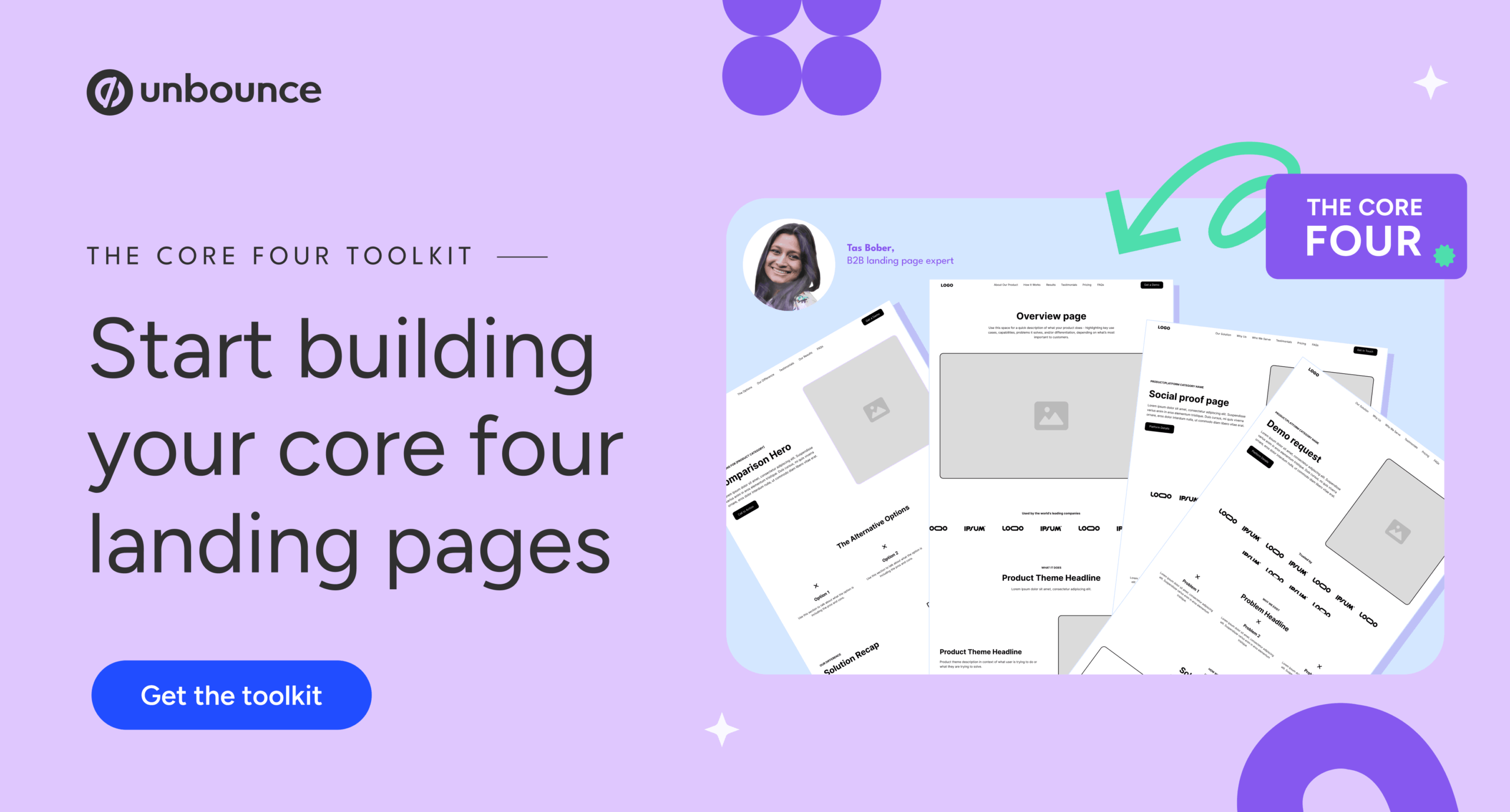
To address the complexity of the 211-day journey, high-performing B2B teams have adopted the "Core Four" framework. This strategy involves deploying four distinct types of landing pages tailored to different stages of the research process:
- The Problem/Solution Page: Aimed at Top-of-Funnel (TOFU) traffic, focusing on the pain points and the general category of the solution.
- The Product Page: Providing technical depth and specific feature sets for Middle-of-Funnel (MOFU) research.
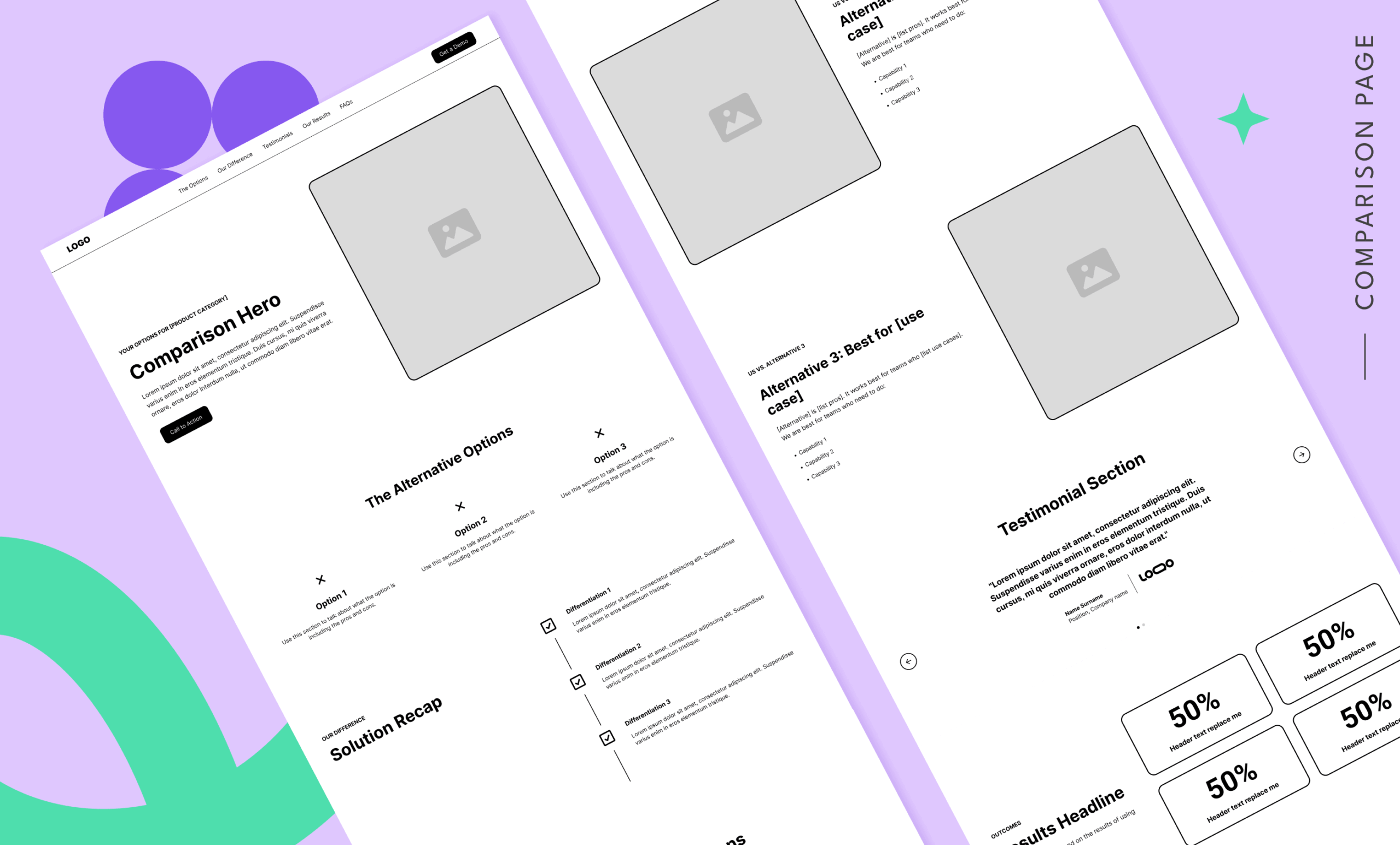
- The Comparison Page: Directly addressing competitors and establishing unique value propositions.
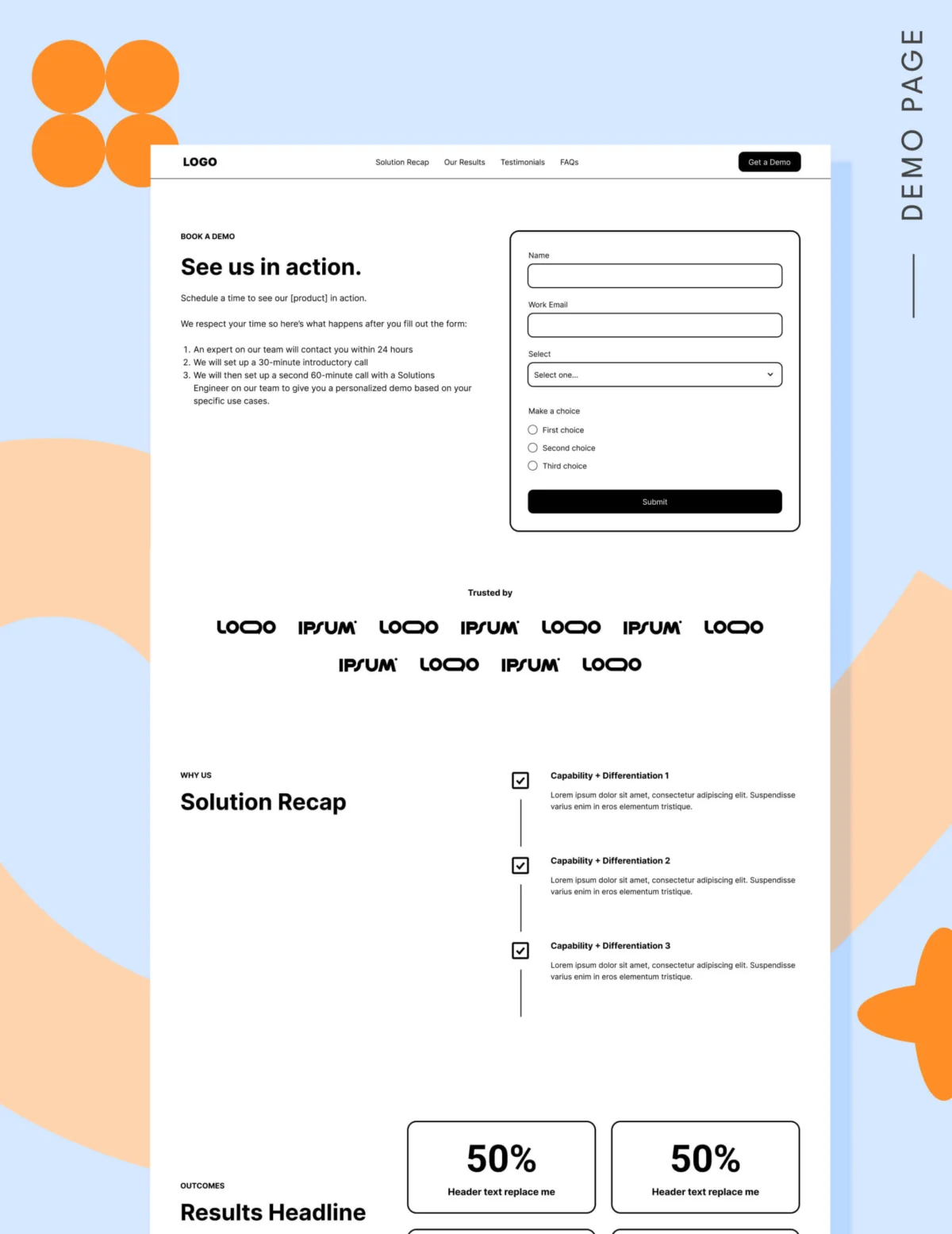
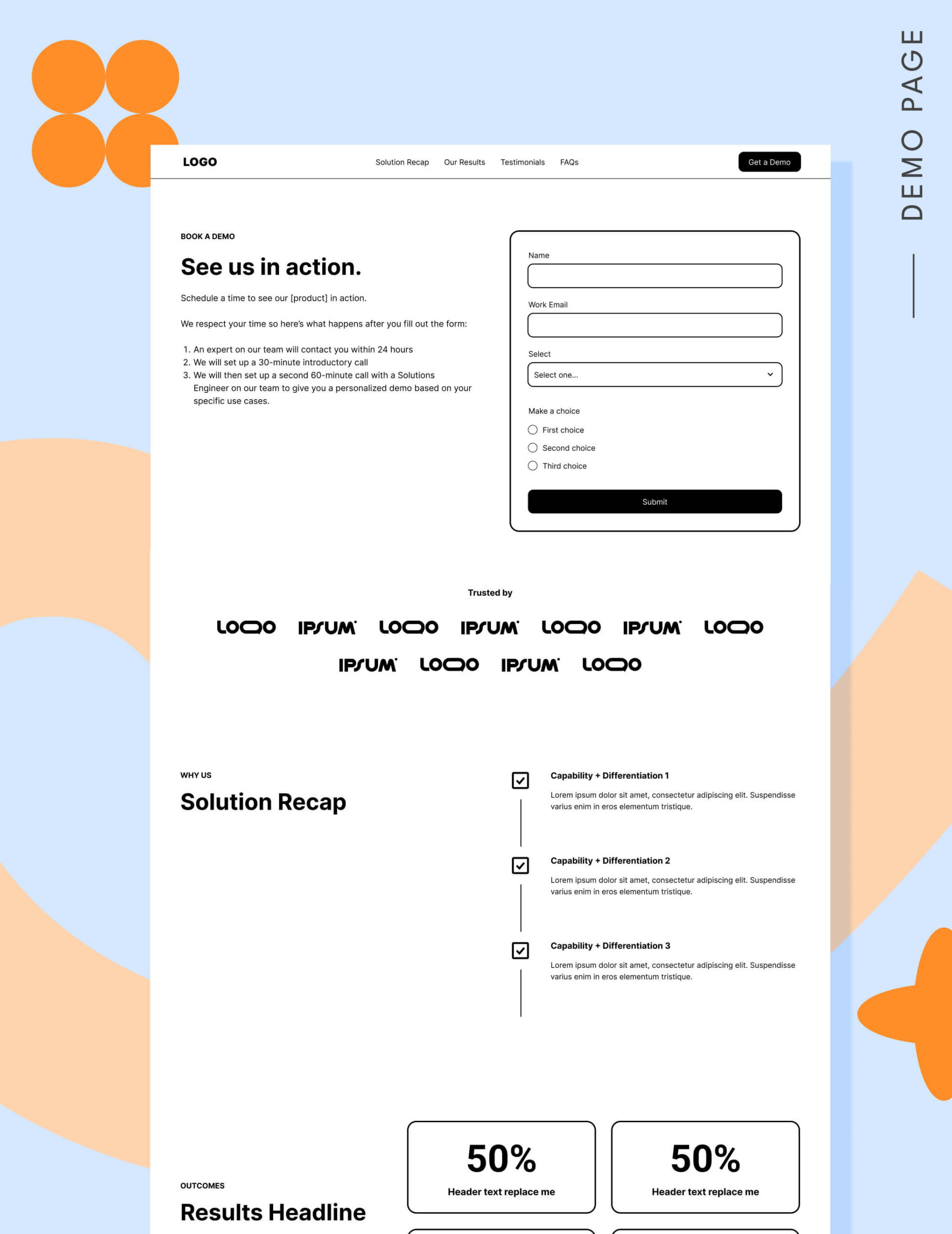
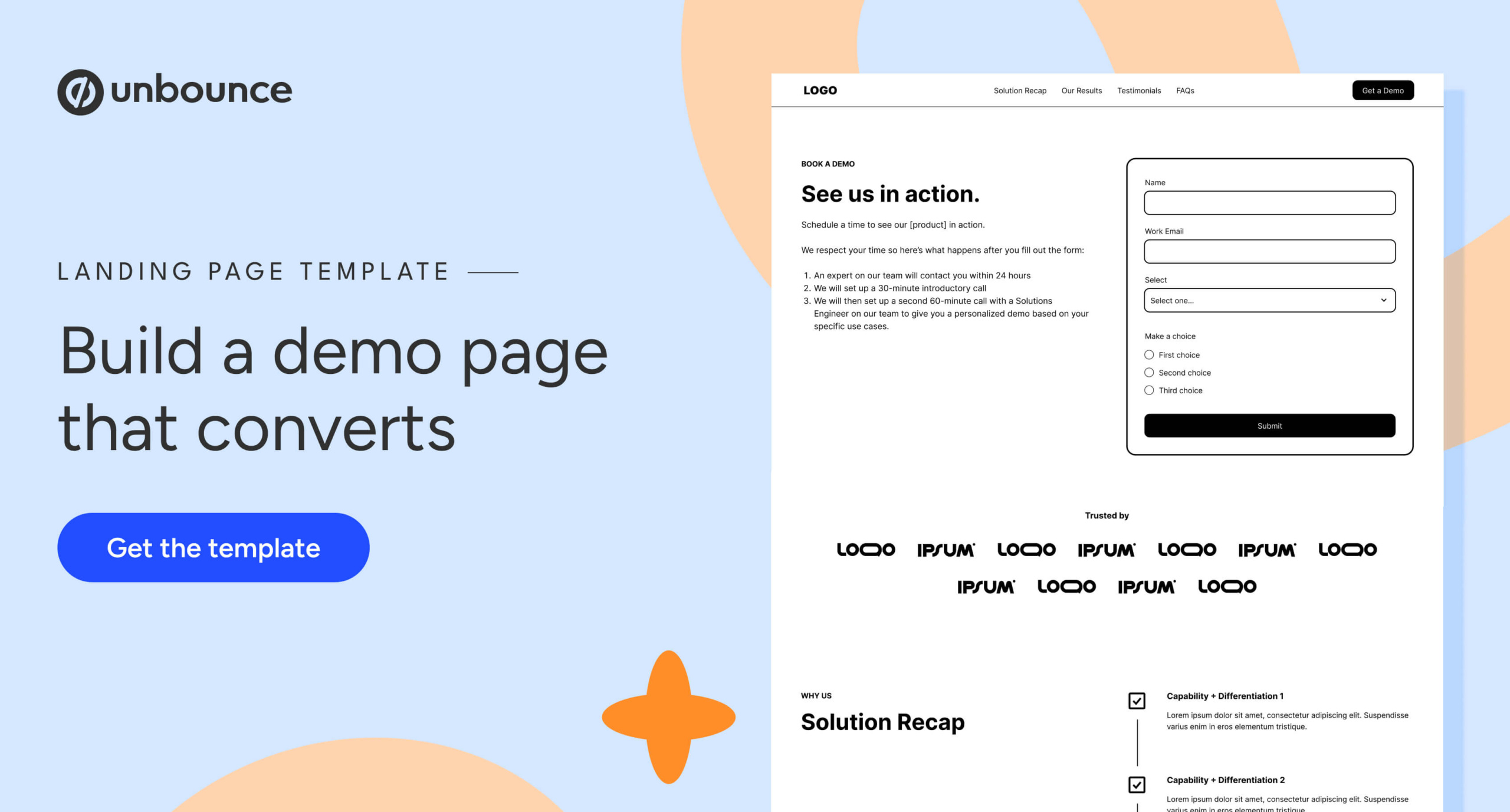
- The Demo Page: The final destination for Bottom-of-Funnel (BOFU) traffic, designed to convert well-researched, warm prospects.
Under this framework, the demo landing page is not the first page a buyer sees, but the last. Its primary function is to remove final points of friction and reassure the buyer that a live conversation is the logical next step.
Performance Metrics: Benchmarking SaaS Conversion Rates
According to Unbounce’s 2024-2026 Conversion Benchmark Reports, the median conversion rate for SaaS landing pages sits at approximately 3.8%. Specialized first-party research from B2B companies focusing on high-intent demo pages shows a slightly lower average of 3.1%.
These figures serve as a realistic proxy for performance. However, organizations often see these numbers climb significantly—sometimes exceeding 10%—when they stop sending cold traffic to demo pages and focus exclusively on retargeting or high-intent search queries. The benchmark is, therefore, highly dependent on traffic quality rather than just page design.

Anatomy of a High-Converting Demo Page
A professional-grade SaaS demo page must serve as a bridge between marketing and sales. It requires several key structural elements to build the necessary confidence for conversion:
The Hero Section and Process Transparency
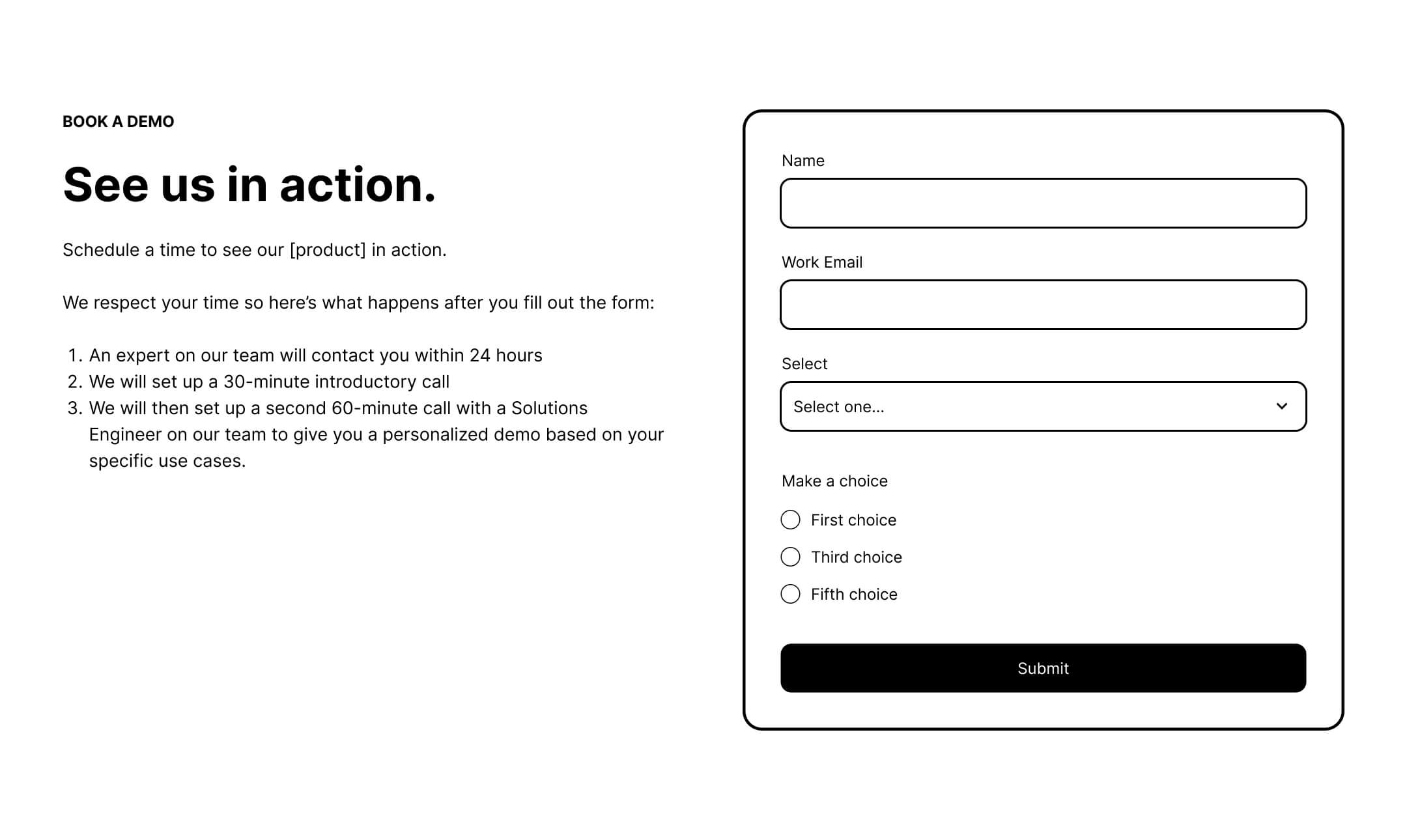
In a departure from general landing page best practices, the form should be placed "above the fold" on a demo page. Because the visitor has arrived with the intent to book, the path to action should be immediate. Crucially, the hero copy must explain exactly what happens after the form is submitted. This reduces the "fear of the unknown"—specifically the fear of being hounded by aggressive sales follow-ups.
The "Logo Garden" and Social Proof
Credibility must be established through quantifiable proof. If a brand has high-profile clients, a "logo garden" featuring recognizable trademarks is essential. For niche solutions where logos might be less recognizable, experts recommend "light testimonials"—one- to two-line quotes that highlight specific outcomes.
Results and Solution Recaps
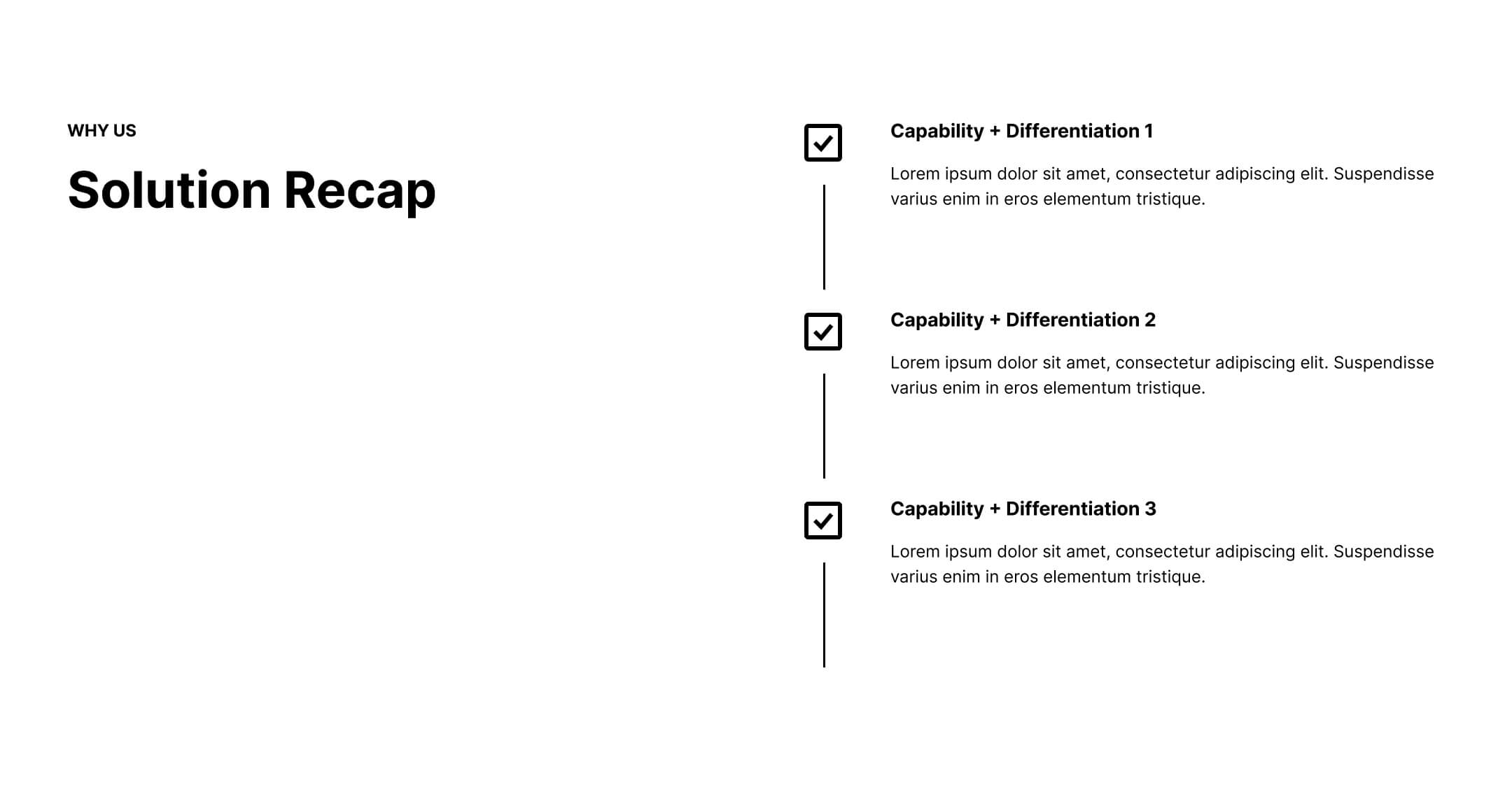
This section should reinforce the core differentiators. Rather than listing features, it must highlight measurable customer results. For example, stating "Reduced churn by 15% in 90 days" is more effective than "Advanced analytics dashboard."
The FAQ and Objection Handling
The FAQ section on a demo page should not be generic. It should directly address the three to four most common objections the sales team hears during discovery calls. This proactively clears hurdles before the prospect even speaks to a representative.
The 2025 Google Update: Navigation and User Experience
A significant shift in the digital landscape occurred in 2025 when Google updated its ad quality prediction model. For years, the industry standard for landing pages was to remove all navigation links to prevent visitors from "leaking" away from the conversion form.
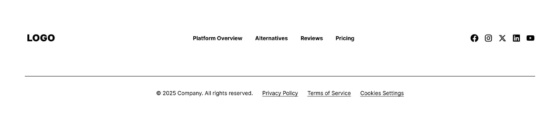
Google’s updated model now rewards pages that provide access to relevant next steps through navigation and penalizes those that "trap" the user. Modern demo pages now often include a minimal footer or an "anchor nav" that allows users to jump to sections like pricing or testimonials. This alignment with search intent ensures higher ad rankings and lower costs-per-click.
The Strategic Role of Pricing Transparency
One of the most debated aspects of SaaS demo pages is the inclusion of pricing. While many sales-led organizations prefer to hide costs until a discovery call, data suggests that transparency improves lead quality.
Providing a "starting at" price or a condensed pricing grid serves several purposes:
- Self-Qualification: It screens out prospects whose budgets are significantly below the entry point, saving sales time.
- Trust Building: It removes the suspicion that pricing is arbitrary or based on a "willingness to pay" model.
- Reduced Friction: It answers one of the buyer’s most pressing questions immediately.
Technical Optimization: Form Friction and Scheduling Dynamics
The technical configuration of the demo request can make or break the conversion rate. Research into 2026 conversion benchmarks shows a significant drop-off in engagement as form fields increase.
- 1–5 Fields: Approximately 17% conversion rate.
- 7 Fields: Drops to 11%.
- 10+ Fields: Falls below 7%.
Organizations must balance the need for lead qualification with the risk of abandonment. A common solution is the use of "positive friction"—asking one high-value qualifying question (such as company size or primary use case) while keeping other fields to a minimum.
Furthermore, the choice between a static form and a scheduling tool like Calendly depends on the sales motion. Automated scheduling is highly effective for product-led growth (PLG) models or smaller deals where speed is paramount. Conversely, traditional forms remain superior for enterprise-level sales where leads must be routed to specific account executives based on complex territory or industry rules.
Broader Impact and Industry Implications
The shift toward more sophisticated, high-intent demo pages reflects a broader trend in B2B commerce: the "consumerization" of the enterprise buyer. Modern B2B buyers expect the same level of transparency, ease of use, and speed they experience in B2C transactions.
As AI continues to influence search and discovery, the role of the landing page is evolving from a simple data-capture tool to a comprehensive "decision-support" destination. Organizations that continue to rely on high-pressure, low-information demo requests are likely to see their CAC (Customer Acquisition Cost) become unsustainable.
In conclusion, the success of a SaaS demo landing page in 2026 is predicated on two factors: the precision of the traffic sent to it and the degree of transparency provided on the page. By treating the demo request as a high-value transaction of trust rather than a simple lead-gen metric, SaaS companies can foster better alignment between marketing and sales, ultimately driving higher velocity through the sales funnel. Organizations are encouraged to audit their current "Core Four" alignment and prioritize the education of the buyer before the final ask is made.

 Pevita Pearce