rifanmuazin
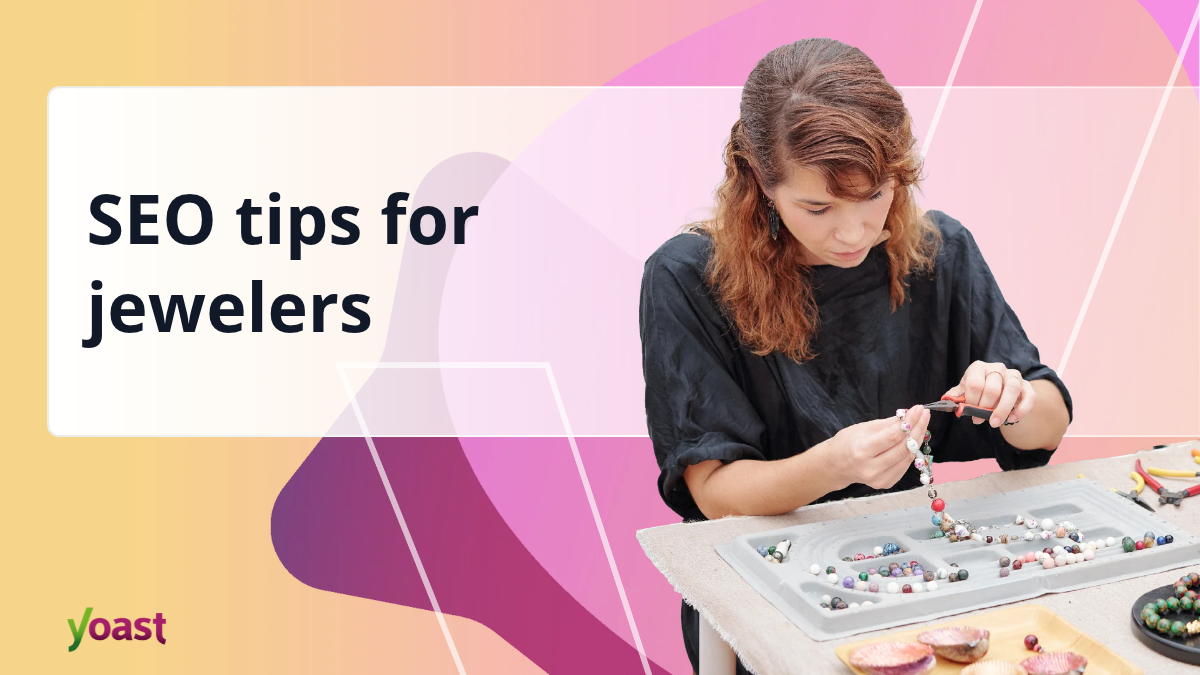
The shimmering world of jewelry, whether bespoke creations, artisanal pieces, or established luxury collections, demands more than exquisite craftsmanship to thrive in the modern market. In an increasingly digital landscape, the journey from admirer to owner often begins with a search query. Search Engine Optimization (SEO) is no longer an optional add-on but a critical pillar for jewelry businesses aiming to capture the attention of a discerning global audience actively seeking their next treasured acquisition. This comprehensive guide delves into the profound impact of SEO for jewelers, exploring why digital visibility is paramount, how consumers and artificial intelligence models interact with online content, and actionable strategies to ensure your brand shines brightly in search results.
The Indispensable Role of SEO in a Competitive Market
The jewelry industry, a global powerhouse valued at hundreds of billions, is undergoing a profound transformation with a significant shift towards online retail. Recent reports from Statista project the global online jewelry market to reach over $60 billion by 2027, signaling a clear and accelerating trend: consumers are increasingly confident and comfortable purchasing high-value items like jewelry through digital channels. For jewelers, this digital migration presents both immense opportunity and formidable competition. While social media platforms offer dynamic avenues for showcasing artistic creations, their inherently ephemeral nature often means visibility can be fleeting, demanding a constant, labor-intensive cycle of content creation to maintain engagement. SEO, conversely, offers a more enduring and strategic approach, building a digital asset that allows businesses to be discovered precisely when potential customers are expressing active interest through search.
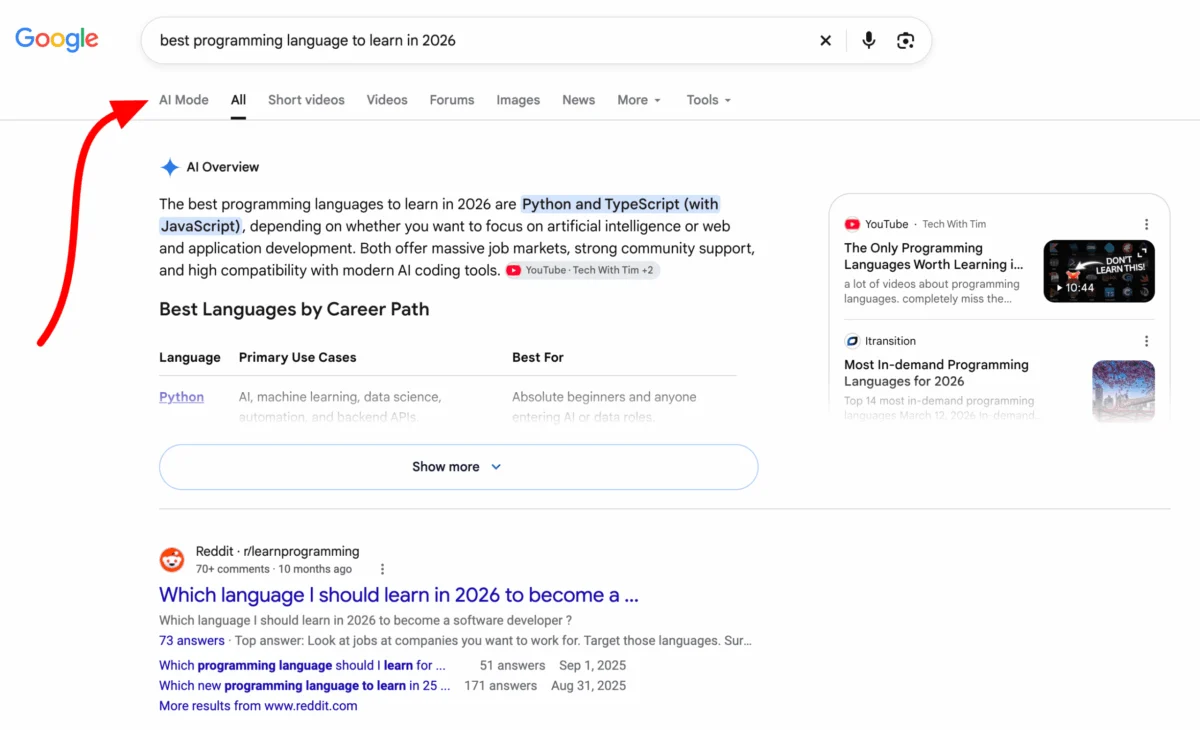
The sheer volume of intent-driven searches underscores this robust demand. A 2026 analysis by Softscotch, for instance, estimated a staggering 673,000 monthly searches for "jewelry stores near me" and 40,500 for "custom jewelry." These figures are not mere statistics; they represent a massive, active customer base that SEO is uniquely positioned to tap into. Furthermore, with the rapid ascent of AI-powered search interfaces, generative AI, and conversational assistants, businesses must cultivate an online presence that is not only readily discoverable but also clearly articulates their unique value proposition to both human users and sophisticated algorithms. AI models increasingly synthesize information from across the web, making structured, clear, and authoritative content more crucial than ever for inclusion in AI-generated answers and recommendations.
Leveling the Playing Field: Small Brands and Niche Dominance
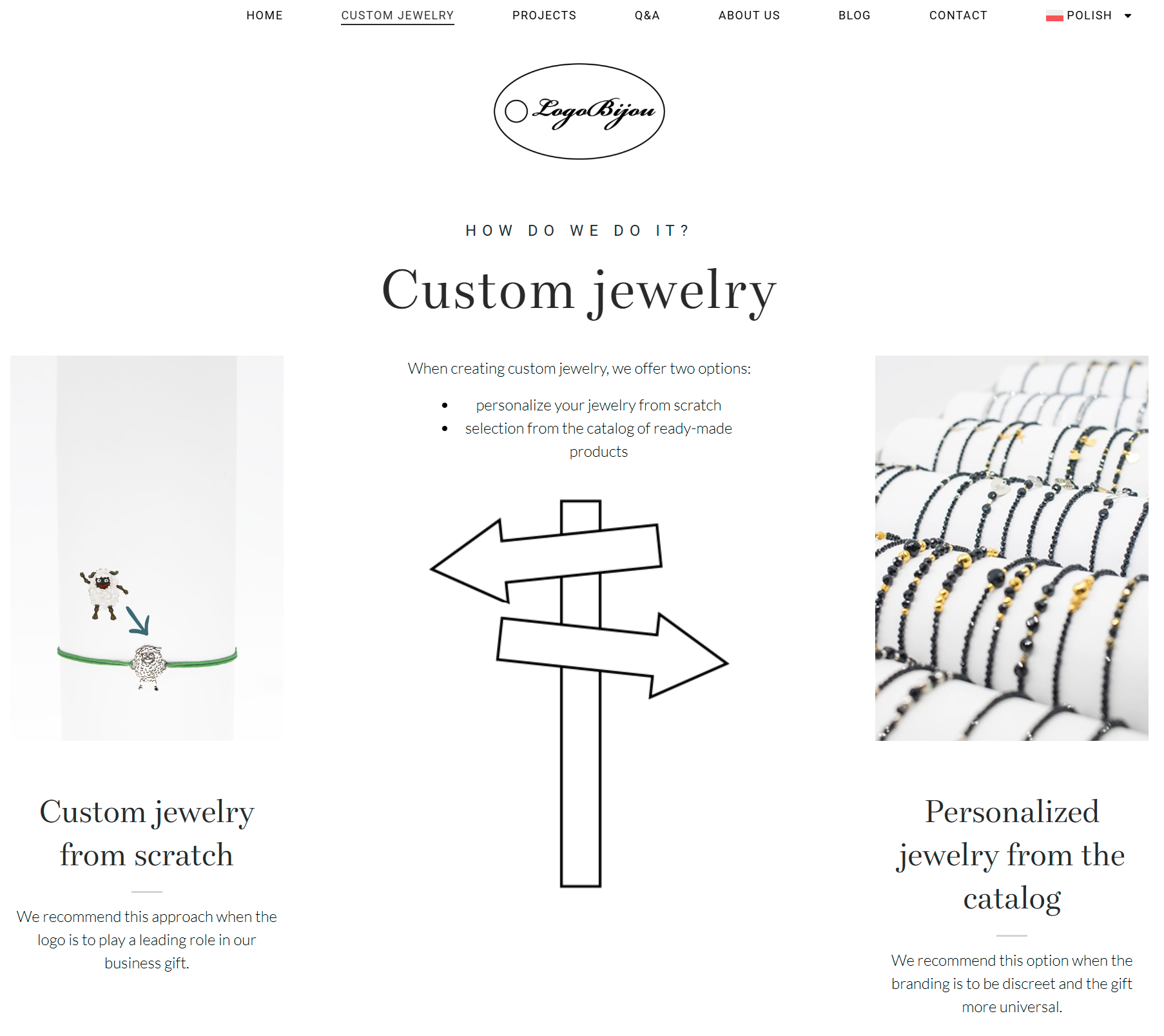
One of SEO’s most compelling advantages is its inherent ability to democratize visibility and empower smaller players. Independent jewelers, artisanal craftspeople, or niche brands often find themselves up against multi-national corporations wielding vast marketing budgets. However, SEO provides these smaller entities with a powerful mechanism to carve out significant market share by focusing on specificity and unique value. Instead of engaging in a costly battle for generic, highly competitive terms like "jewelry," a specialist in "handmade recycled silver rings" or "personalized zodiac pendant necklaces" can strategically target highly relevant, albeit lower-volume, long-tail keywords. This precise targeting attracts a more qualified audience actively seeking their exact offering, fostering stronger conversion rates, building brand loyalty, and nurturing a dedicated customer base. The strategic emphasis shifts from broad, undifferentiated appeal to deep, resonant relevance, enabling targeted growth and sustainable competitive advantage. Platforms like Bluehost’s AI Website Builder exemplify how modern technology can empower even nascent businesses to establish a professional, SEO-ready online storefront without requiring extensive technical expertise, serving as a crucial first step in building a discoverable digital foundation.
Building Lasting Visibility: SEO as a Strategic Asset
In stark contrast to the fleeting nature of social media campaigns, well-optimized website content stands as a long-term investment. A meticulously crafted page detailing "custom wedding jewelry design services," for example, can continuously attract prospective clients for years, provided it remains relevant, accurate, and technically sound. This evergreen content strategy ensures that the initial effort invested today continues to yield returns long into the future, contributing to sustained organic traffic, enhanced brand recognition, and a steady stream of qualified leads. While SEO is an ongoing process that demands periodic attention and adaptation, its cumulative effect builds a resilient foundation for online visibility, significantly reducing the perpetual chase for immediate, fleeting attention. This strategic approach transforms a website from a static digital brochure into a dynamic, discoverable, and ever-growing asset that accrues value in tandem with the business itself.
Decoding the Digital Consumer: Search Intent and Unique Identity
Effective jewelry SEO fundamentally begins with a profound understanding of what potential customers seek and, crucially, the underlying intent driving their search queries. This necessitates moving beyond surface-level keyword identification to uncover the nuanced needs, desires, and stages of the purchasing journey of your target audience.
Defining Your Jewelry Business’s Distinctive Identity
Before embarking on any keyword research, a jeweler must first articulate their unique selling proposition (USP) with crystal clarity. What precisely differentiates your brand in a crowded market? Are you a fourth-generation artisan specializing in the delicate restoration of antique pieces? Do you exclusively source ethically mined gemstones and champion sustainable practices? Is your brand’s focus on avant-garde sculptural pieces that push creative boundaries, or on timeless, delicate minimalist designs? These distinctive differentiators form the bedrock of an effective SEO strategy, enabling a precise alignment between your specific offerings and the nuanced needs of your target customers. For instance, a London-based jeweler creating bespoke, one-of-a-kind engagement rings faces a fundamentally different SEO challenge compared to an e-commerce brand selling mass-produced fashion jewelry online. Understanding and articulating this distinction is paramount for focused, impactful, and ultimately successful optimization efforts.
Navigating Diverse Search Intent
Customers engage with search engines at various stages of their purchasing journey, each characterized by distinct search intents:
- Informational Intent: Users are seeking knowledge or answers to specific questions (e.g., "how to clean diamond rings at home," "types of gold purity explained," "history of sapphire jewelry," "diamond vs. moissanite comparison").
- Navigational Intent: Users are looking for a specific brand or website (e.g., "Tiffany & Co. official website," "local jewelers near me," "Cartier store hours").
- Commercial Investigation Intent: Users are researching products or services with a strong intent to purchase, but are still evaluating options and comparing choices (e.g., "best custom jewelers London," "reviews of lab-grown diamonds," "price of emerald earrings").
- Transactional Intent: Users are ready to make a purchase and are actively looking for where to buy (e.g., "buy emerald pendant online," "engagement rings for sale," "order personalized silver bracelet").
A truly robust SEO strategy must comprehensively cater to all these intents, ensuring that relevant, high-quality content is readily available at each touchpoint in the customer’s journey. This often entails developing a diverse content portfolio, ranging from informative blog posts and detailed buying guides to rich product descriptions and dedicated service pages, each meticulously optimized for its specific purpose and the intent it aims to satisfy.
Mastering the Art of Jewelry Website Optimization
Translating strategic intent into practical, on-site website enhancements involves several key, interrelated steps designed to significantly improve discoverability, enhance user experience, and build authority.
1. Precision Keyword Research
The foundation of any successful SEO campaign is thorough and insightful keyword research. This critical process involves identifying the exact terms and phrases your target audience uses when searching for jewelry products and services like yours. Beyond obvious, broad terms, delve deeply into long-tail keywords (e.g., "sustainable handmade silver rings for women," "ethical diamond engagement rings London," "personalized rose gold necklace with birthstone") that, while often having lower individual search volumes, typically indicate higher purchase intent and face significantly less competition. Industry-leading tools like Semrush (especially valuable when integrated with Yoast SEO), Ahrefs, Moz Keyword Explorer, and Google Keyword Planner are invaluable for uncovering these opportunities, providing crucial data on search volume, competition levels, and related phrases. The ultimate goal is not merely to "stuff" keywords into content, but to deeply understand the semantic context and integrate them naturally and meaningfully into compelling, user-focused content.
2. Purpose-Driven Page Architecture
Every single page on your website should serve a clear, distinct purpose within your overall site structure. A well-organized, intuitive site architecture not only guides human users effortlessly but also helps search engine crawlers understand the hierarchy and relevance of your content. For a jewelry retailer, this translates into having dedicated, well-optimized category pages (e.g., "Gold Rings," "Diamond Necklaces," "Gemstone Bracelets") that act as logical hubs for subcategories and individual product listings. A custom jeweler, such as Poland’s LogoBijou, might create specific, keyword-rich service pages for "personalized corporate gifts," "custom event jewelry," or "bespoke engagement ring design," clearly delineating their specialized offerings. This logical, hierarchical structure ensures that potential customers can quickly find precisely what they need, while simultaneously signaling to search engines the relevance, depth, and authority of each section of your website. Crucially, an "Our Story" or "About Us" page is vital for establishing brand ethos, showcasing craftsmanship, and communicating core values – these details not only build trust with customers but also contribute significantly to E-E-A-T (Experience, Expertise, Authoritativeness, and Trustworthiness) signals, which are increasingly critical for both human perception and AI discovery systems.
3. Crafting Irresistible Product Descriptions
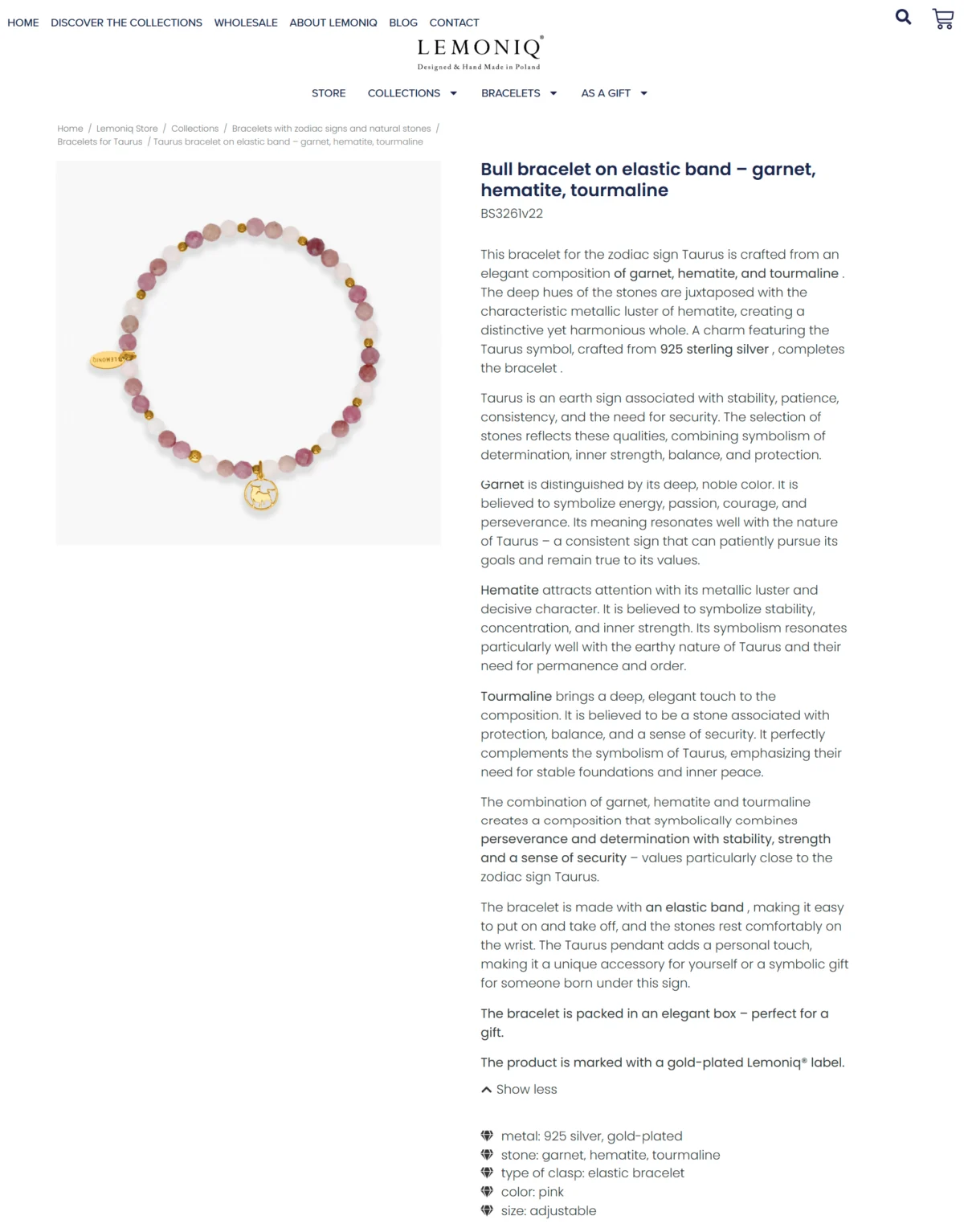
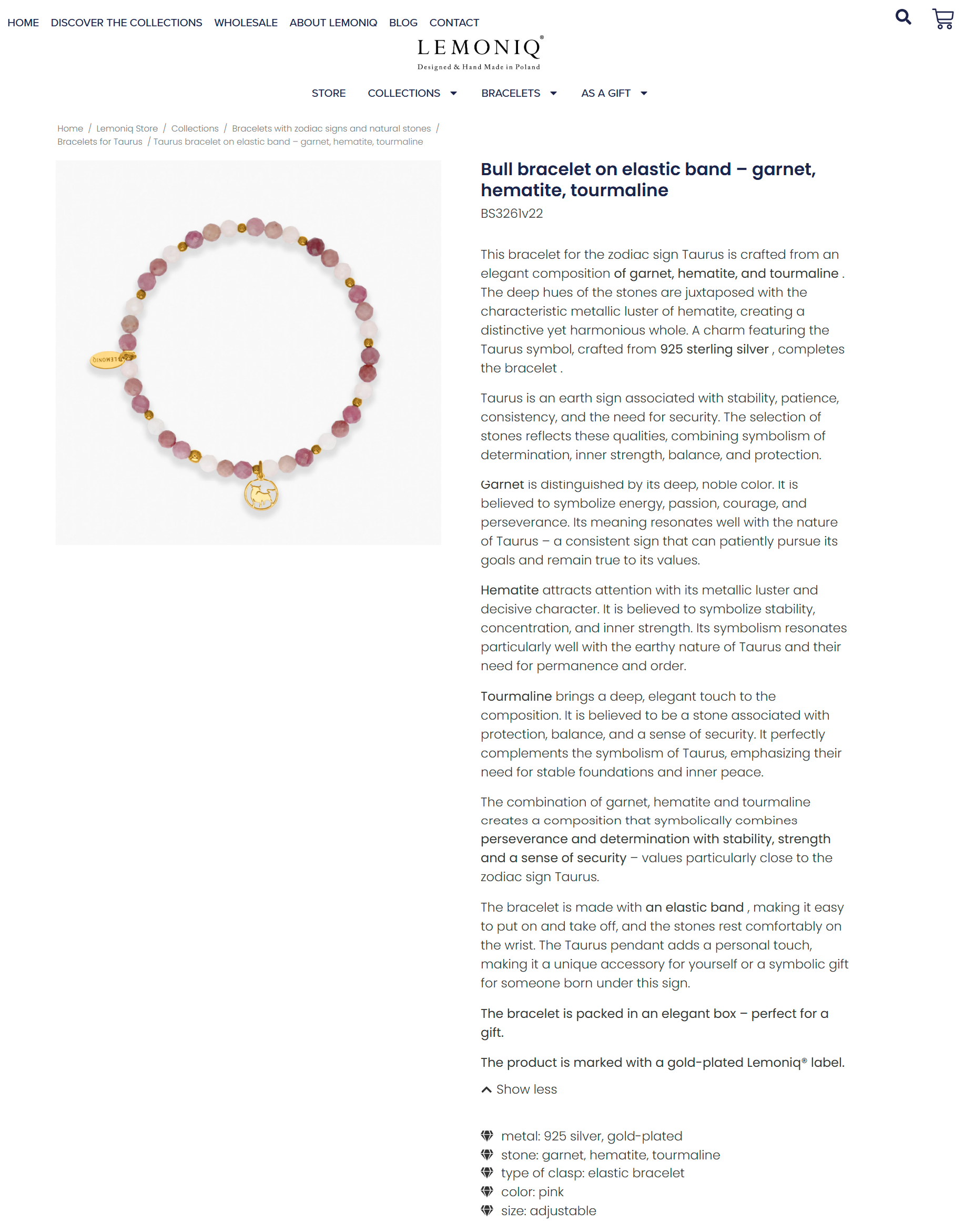
Your product pages are the digital storefronts of your online business, and their descriptions serve as your most effective digital sales associates. Vague, generic, or boilerplate descriptions are a significant missed opportunity. Instead, focus on creating highly descriptive titles (e.g., "18-Karat White Gold Solitaire Diamond Engagement Ring with Pave Band" instead of a simple "Ring") and rich, detailed product descriptions. As compellingly exemplified by Lemoniq’s Taurus bracelet page, comprehensive details about materials (e.g., "ethically sourced garnet, hematite, and tourmaline beads, set in 14k gold-plated 925 sterling silver"), design inspiration (e.g., "drawing inspiration from the astrological sign Taurus, symbolizing strength and steadfastness"), precise dimensions, weight, care instructions, and any customization options are absolutely crucial. These specific, verifiable details not only inform the discerning customer but also provide search engines and advanced AI models with granular attributes to accurately interpret, categorize, and surface your products for highly relevant queries. Originality in descriptions is paramount; avoid using identical or near-identical text across multiple products to distinguish each unique piece and avoid potential duplicate content issues.
4. Maximizing the Impact of Jewelry Imagery
Jewelry is, by its very nature, an inherently visual product. High-quality, authentic product photography is therefore not merely a recommendation but an absolute non-negotiable requirement. Customers need to meticulously examine the intricate details, the unique play of light on gemstones, the precise texture of the metal, and the overall craftsmanship before making a purchasing decision.
- Descriptive Filenames: Abandon generic names like "IMG_1234.jpg." Instead, use meaningful, keyword-rich filenames such as "handmade-silver-pendant-oval-blue-lapis-lazuli.jpg." Google Search Central explicitly states that filenames can provide "very light clues" about an image’s subject matter.
- Useful Alt Text: Write concise yet descriptive alt text that accurately describes the image for accessibility purposes and to help search engines understand the image’s content (e.g., "Close-up of a handmade sterling silver pendant featuring an oval blue lapis lazuli gemstone, showcasing intricate bezel setting"). Avoid keyword stuffing in alt text. Tools like Yoast WooCommerce SEO can even assist in generating AI-powered alt text suggestions, which can then be reviewed and refined.
- Optimized File Sizes: Images frequently constitute the largest portion of a page’s total size, directly impacting loading speed. Compress images appropriately to reduce file size without significantly sacrificing visual quality, and consider utilizing modern, efficient formats like WebP.
- Appropriate Dimensions and Formats: Ensure that image dimensions are suitable for their display on various devices and leverage responsive image techniques to deliver the optimal image size for each user’s screen.
- Multiple Views: Provide a comprehensive visual experience by including front, side, close-up, and scale-reference shots where relevant. Lifestyle shots (jewelry being worn by models) are also highly effective for demonstrating scale, fit, and overall aesthetic appeal in real-world contexts.
5. Anticipating Customer Queries with FAQs
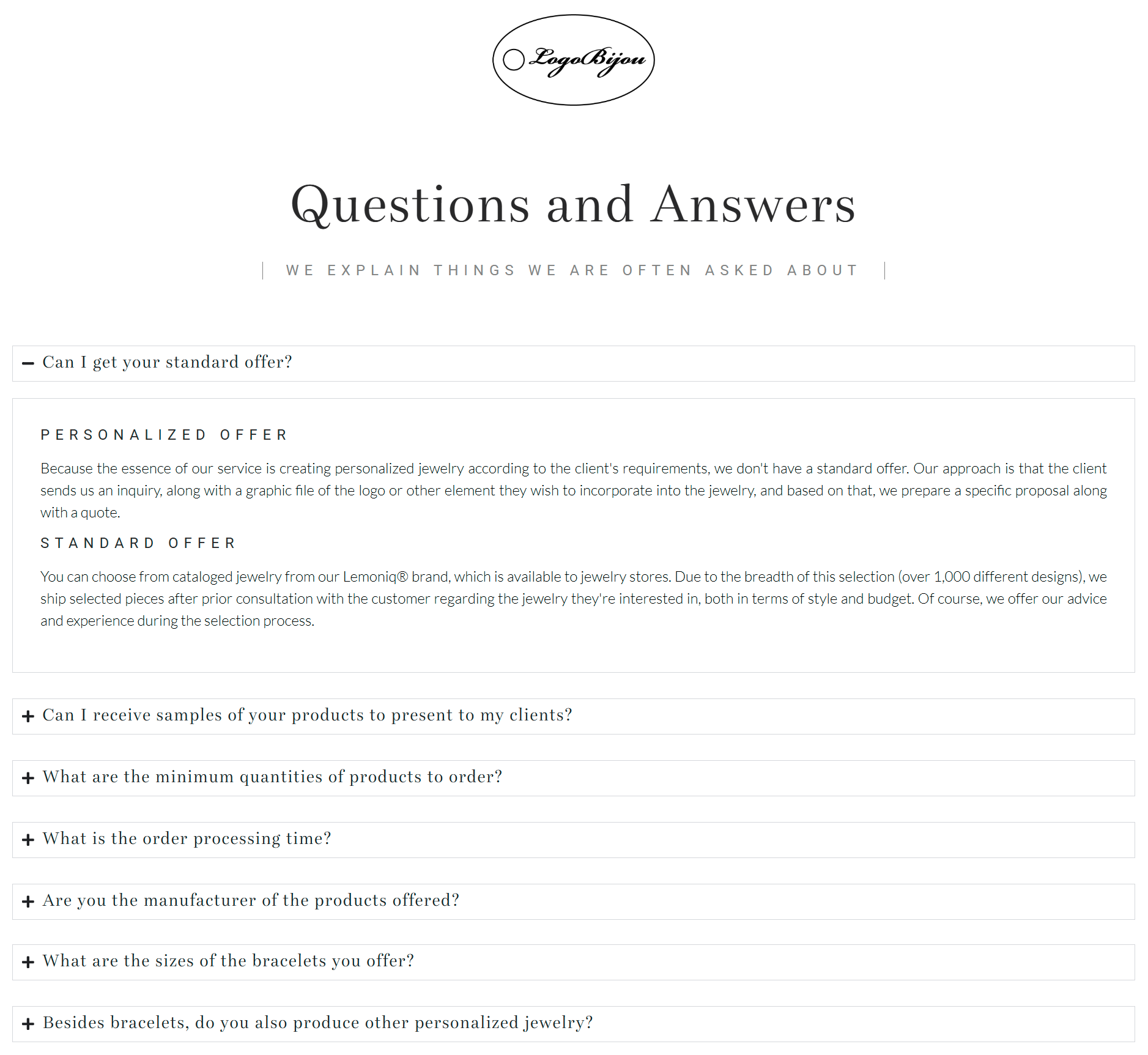
The purchase of jewelry often involves significant emotional and financial consideration, leading to numerous questions from potential buyers. Proactively addressing these common queries through a dedicated FAQ (Frequently Asked Questions) section or by integrating answers within relevant product or service pages is a powerful SEO tactic. FAQs effectively address specific, conversational queries that might not fit naturally into concise product descriptions, such as "How do I accurately measure my ring size at home?", "What is the key difference between natural and lab-grown diamonds?", "What are your recommended jewelry cleaning and care tips for specific gemstones?", or "Can I customize the engraving on this piece?". Clear, direct, and authoritative answers not only significantly enhance the user experience by providing instant information but also supply valuable, structured content for search engines and AI tools to interpret and potentially utilize in direct answers, featured snippets, or AI-generated summaries. For WordPress users, the Yoast FAQ content block simplifies this process by automatically adding FAQ structured data, eliminating the need for manual markup implementation.
6. The Power of Local SEO for Brick-and-Mortar and Service-Based Jewelers
For jewelers operating with a physical storefront, serving a specific geographic region, or offering localized services (e.g., jewelry repair, custom design consultations in a particular city), local SEO is an absolutely paramount strategy. Optimizing for location-specific terms like "jewelry repair [city name]," "engagement rings near me," "best jewelers [neighborhood]," or "watch battery replacement [zip code]" directly connects your business with local demand.
- Google Business Profile (GBP): This is the undisputed cornerstone of local SEO. Ensure your GBP listing is meticulously complete, accurate, and regularly updated with high-quality photos, detailed service descriptions, precise business hours, and actively managed customer reviews and Q&A.
- Consistent NAP: Maintain absolute consistency in your Name, Address, and Phone number across all online directories, social media profiles, and your website. Inconsistencies can confuse search engines and erode trust.
- Local Citations and Directories: Actively list your business on relevant local directories (e.g., Yelp, Yellow Pages, industry-specific local listings) and ensure all information is accurate.
- Geo-Targeted Content: Naturally incorporate location-specific keywords into your website content, particularly on your contact page, service pages, and "About Us" section. Yoast SEO Premium offers advanced local SEO features for WordPress users, which are particularly beneficial for businesses operating multiple jewelry store locations.
7. Building a Technically Sound Website
Even the most dazzling jewelry and compelling content will struggle to gain search visibility if search engines cannot properly access, crawl, or understand your website’s pages. Technical SEO ensures your site is fundamentally crawlable, indexable, and provides a seamless, efficient user experience.
- Crawlability and Indexing: Regularly utilize Google Search Console to monitor your site’s indexing status, submit updated XML sitemaps, and ensure your robots.txt file is not inadvertently blocking important pages from being discovered.
- Speed and Mobile-Friendliness: Optimize images, leverage browser caching, minimize code, and

 Neng Nana

 Siti Muinah