Muslim
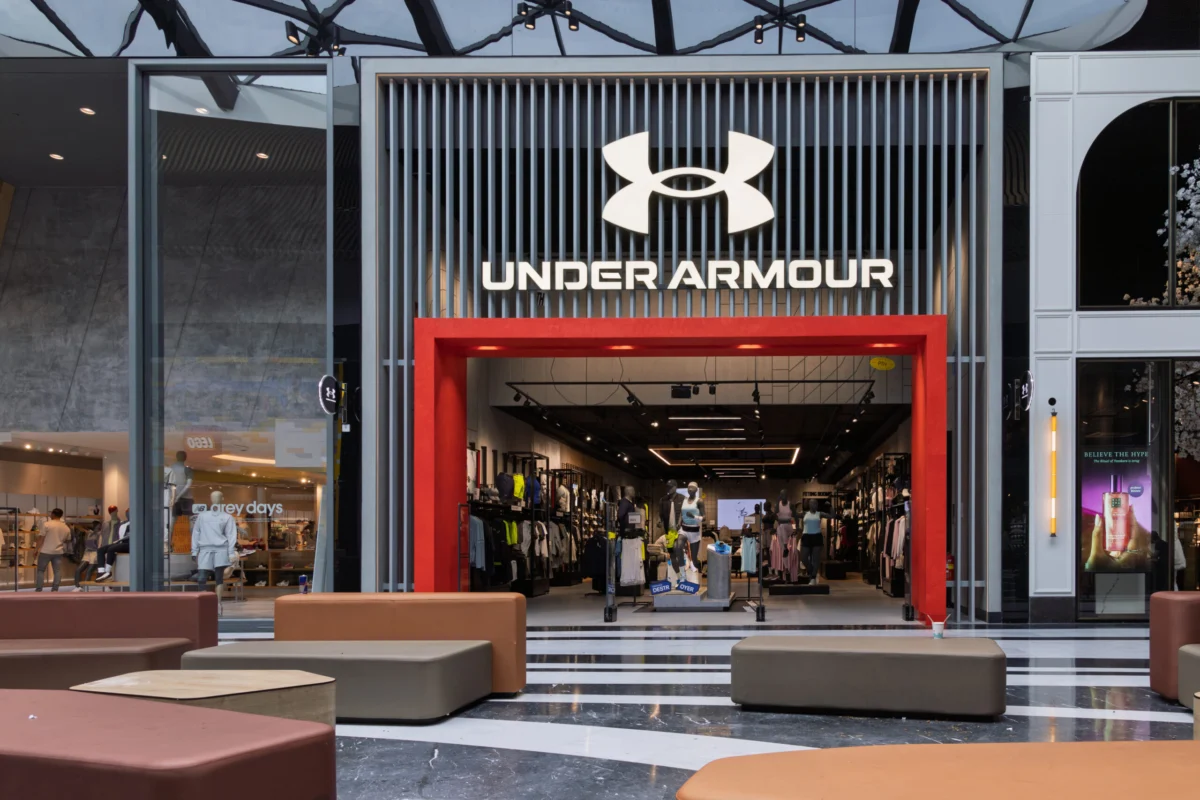
Under Armour CEO Kevin Plank projected a message of resilience and strategic foresight during the company’s fiscal second-quarter earnings call, even as the sports apparel and equipment giant reported a 6.9% year-over-year decrease in net revenue, totaling $1.24 billion for the period ending September 30. Despite the revenue decline, Plank emphasized that the company met its revenue expectations and surpassed its operating income outlook, signaling a degree of control amidst ongoing transformation efforts.
"We delivered against our revenue expectation and exceeded our operating income outlook," Plank stated in the company’s official earnings announcement. He elaborated on the company’s strategic direction, highlighting a concerted push toward greater business efficiency, a refinement of its product portfolio, and an amplified global marketing strategy aimed at strengthening the Under Armour brand and ultimately improving financial performance.
The company also disclosed that it incurred $13 million in costs associated with its Fiscal 2025 Restructuring Plan during the second quarter. This comprehensive plan, designed to streamline operations and enhance profitability, is anticipated to be "substantially complete" by the end of 2026. Looking ahead, Under Armour projects that its full fiscal year revenue will continue to experience a year-over-year decline, estimating this decrease to be at a "mid-single-digit percentage rate." This cautious outlook underscores the ongoing challenges within the competitive athletic wear market.
Under Armour’s position in the digital commerce landscape was further contextualized by its ranking in industry databases. The company is listed as No. 158 in the Digital Commerce 360 Top 1000 Database, an annual compilation that ranks North America’s largest online retailers based on their annual e-commerce sales and other key metrics. Additionally, Under Armour holds the No. 285 spot in Digital Commerce 360 and ReFiBuy’s AI Commerce Rankings, a more specialized assessment of companies leveraging artificial intelligence in their e-commerce strategies. This latter ranking is available within the Top 1000 Pro with AI Database, indicating a growing focus on technological integration within the retail sector.
Navigating Sales Channels: Wholesale and Direct-to-Consumer Performance
Delving deeper into the quarterly results, Under Armour’s sales performance across its key channels revealed nuanced trends. Wholesale revenue saw a decrease of 6%, amounting to $725 million. Plank attributed this decline to "softer full-price sell-through and pressure in parts of the distributor business," though he noted that this was "partly offset by select accounts and markets." This suggests a mixed performance within its wholesale partnerships, with some segments struggling while others offered a degree of stability.
The direct-to-consumer (DTC) segment, which includes owned and operated retail stores and e-commerce operations, experienced an 8% decrease in revenue, totaling $494 million. Within DTC, owned and operated stores saw a 7% decline, while the e-commerce channel experienced a more significant 12% drop. This contraction in DTC sales, particularly in the digital space, points to a broader challenge in attracting and converting online shoppers.
Plank identified a reduction in overall traffic as the primary driver behind these sales dips. "Traffic remained the primary challenge, particularly in North America, with better conversion and targeted digital initiatives providing some offset," he informed investors during the Q2 earnings call. This statement underscores the critical importance of driving foot traffic and online engagement in a highly competitive retail environment. The company’s efforts to improve conversion rates and implement targeted digital marketing initiatives are seen as crucial countermeasures to combat this traffic deficit.
The AI Imperative: Under Armour’s Vision for Technological Integration
Looking beyond the immediate financial results, Under Armour CEO Kevin Plank articulated a strong conviction in the transformative potential of artificial intelligence (AI) as the company endeavors to orchestrate a comprehensive business turnaround. Speaking to analysts on November 6, Plank expressed his belief that the athletic apparel industry is uniquely positioned to harness the advantages offered by AI.
"I think that our industry actually lines and maps up perfectly for the advantage of what AI brings for us," he stated, signaling a strategic embrace of advanced technologies. Plank outlined three key areas where he believes Under Armour can most effectively leverage AI to drive tangible benefits: supply chain management, merchandising, and marketing.
In the realm of supply chain, AI can optimize inventory forecasting, streamline logistics, and enhance demand planning, leading to reduced waste and improved efficiency. For merchandising, AI can analyze consumer trends, personalize product recommendations, and inform design and development processes, ensuring that Under Armour offers products that resonate with its target audience. In marketing, AI can facilitate more precise customer segmentation, personalize campaign messaging, and optimize media spend for greater return on investment.
However, Plank also injected a note of realism, cautioning that technological solutions alone would not suffice. He emphasized that the ultimate success of Under Armour’s turnaround would hinge on fundamental operational excellence, particularly in the area of order fulfillment. "The answer to solving Under Armour’s problems would have to eventually address one topic: ‘ship us everything that we ordered,’" he remarked. This pointed statement highlights the ongoing importance of accuracy, on-time delivery, and fulfilling orders completely as core operational priorities that AI must support rather than replace. The company’s commitment to "accuracy and delivering on time and full" is therefore positioned as a non-negotiable prerequisite for its future success.
Under Armour’s Strategic Context and Industry Landscape
Under Armour’s current financial performance and strategic pivot occur within a broader context of evolving consumer preferences and a highly competitive athletic wear market. The company, a significant player since its inception in 1996, has faced increasing pressure from established giants like Nike and Adidas, as well as a surge of agile, digitally native brands.
The fiscal second quarter results reflect ongoing challenges in navigating this dynamic landscape. The decline in both wholesale and DTC sales suggests a need for a more robust and appealing product offering, as well as more effective strategies to drive consumer engagement both online and in physical stores. The reduction in traffic, particularly in North America, indicates that Under Armour may be struggling to capture the attention of its core demographic or to effectively compete for market share against rivals who have also been investing heavily in product innovation, marketing, and digital experiences.
The company’s Fiscal 2025 Restructuring Plan, with its significant investment in operational improvements and efficiency gains, signals a commitment to addressing these challenges head-on. The focus on supply chain, merchandising, and marketing through AI integration suggests a forward-looking approach, aiming to build a more agile, data-driven, and customer-centric organization.
The emphasis on AI is particularly noteworthy. As the retail industry increasingly embraces automation and data analytics, companies that effectively integrate AI are likely to gain a competitive edge. For Under Armour, AI’s potential to optimize operations, personalize customer experiences, and inform strategic decision-making could be crucial in its quest to regain market momentum. However, as Plank rightly pointed out, technology is only one piece of the puzzle. The foundational elements of operational execution—accurate order fulfillment, timely delivery, and product quality—remain paramount.
Broader Implications and Future Outlook
The financial results and strategic pronouncements from Under Armour offer a window into the challenges and opportunities facing a major athletic apparel brand in the current market. The company’s ability to successfully execute its restructuring plan and leverage AI will be critical in determining its long-term trajectory.
The reported revenue decline, while concerning, is being addressed through a multifaceted strategy. The focus on efficiency and brand strengthening suggests a desire to build a more sustainable and profitable business model. The acknowledgement of traffic as a primary challenge indicates a clear understanding of where improvements are most needed.
The integration of AI into supply chain, merchandising, and marketing could lead to more responsive product development, personalized marketing campaigns, and a more efficient distribution network. This could translate into a stronger brand connection with consumers and improved financial performance over time.
However, the path ahead is not without its hurdles. The competitive intensity of the athletic wear market shows no signs of abating. Consumer spending patterns can be volatile, and brands must continually innovate to stay relevant. Under Armour’s success will ultimately depend on its ability to translate its strategic vision into tangible results, improving its operational execution while simultaneously enhancing its brand appeal and market penetration. The company’s journey through this transformation period will be closely watched by investors, competitors, and consumers alike. The next few fiscal years will likely be a critical period for Under Armour as it seeks to redefine its position in the global athletic market.


 Laily UPN

 Lina Hope