Neng Nana
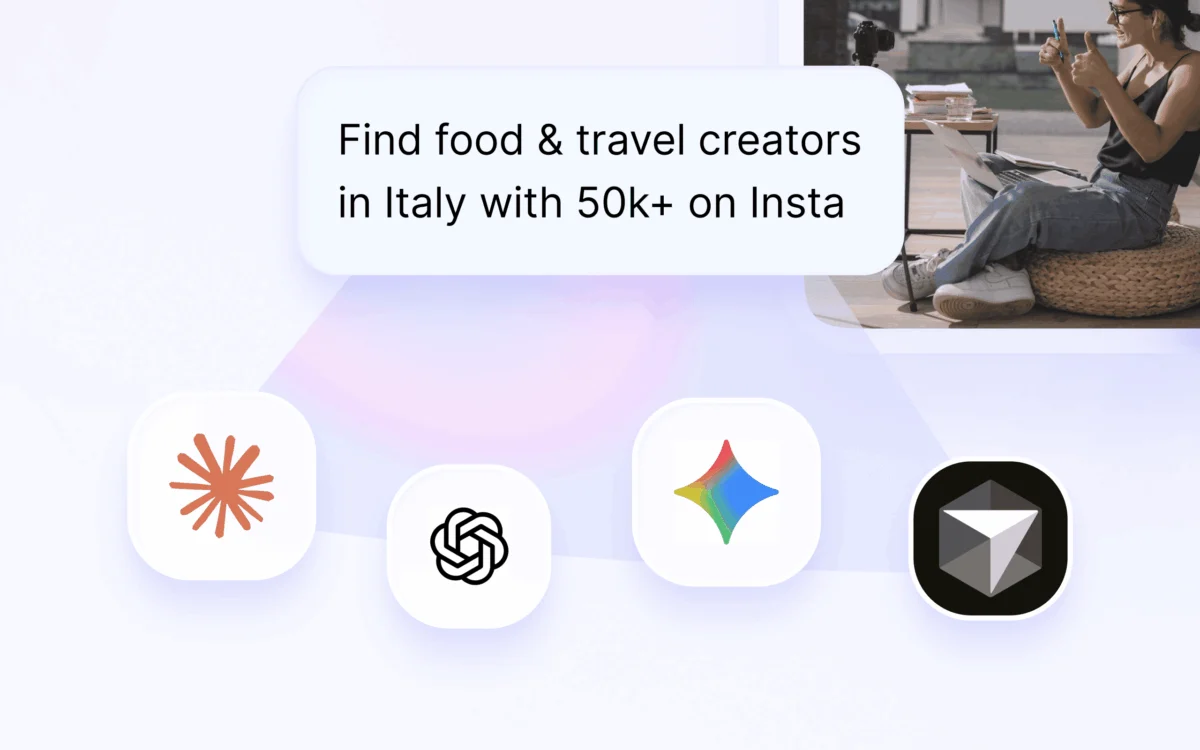
The mathematical foundations of traditional influencer marketing have reached a breaking point, forcing a fundamental shift toward automated, data-driven strategies. As the global creator economy expands to include millions of active participants across platforms like Instagram, TikTok, and YouTube, the manual labor required to identify, vet, and manage these partnerships has become unsustainable for modern marketing teams. Industry data suggests that a two-person team utilizing artificial intelligence can now execute programs that previously required a staff of six, signaling a major paradigm shift in how brands interact with social media personalities.
This transformation is driven by the realization that "gut-feel" selection is no longer a viable business strategy. With the rise of sophisticated bot networks and engagement pods, the risks of manual selection have never been higher. Today, the most effective influencer marketing strategies are built on a foundation of AI-driven sorting, scoring, and automated outreach, allowing brands to scale their operations without a linear increase in headcount.
The Crisis of Scale in the Creator Economy
The influencer marketing sector has transitioned through three distinct eras. The first was the Celebrity Era, characterized by high-cost endorsements with broad reach but low engagement. This was followed by the Micro-Influencer Era, where brands sought higher engagement through smaller, niche creators. We have now entered the AI-Driven Creator Commerce Era, where the focus has shifted from raw follower counts to granular audience authenticity and revenue attribution.
Recent industry analysis highlights why this shift was necessary. A comprehensive study of 10.9 million creator profiles across major social platforms conducted in early 2024 revealed a stark inverse correlation between audience size and engagement. Nano-influencers, defined as those with fewer than 10,000 followers, maintained a median engagement rate of approximately 2.5% on Instagram. In contrast, "mega-influencers" with over one million followers saw engagement rates plummet to a median of 0.8%.
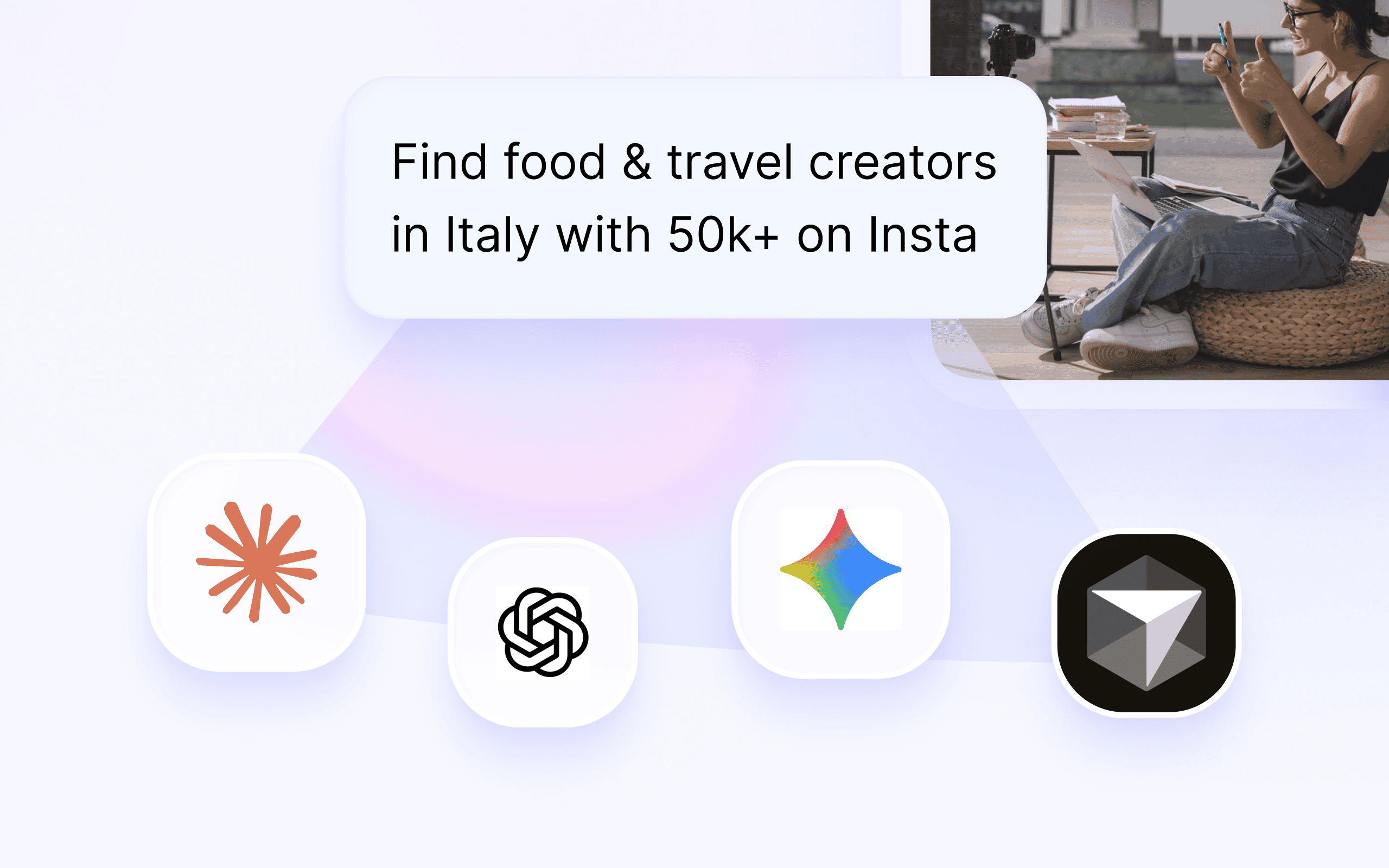
For brands, this data confirms that bigger is rarely better. However, managing a roster of hundreds of nano-influencers is a logistical nightmare without automation. AI tools have stepped into this vacuum, automating the four core pillars of the industry: discovery, vetting, management, and measurement.
A Chronology of Technological Integration
The integration of AI into influencer marketing has followed a specific chronological path, moving from simple data indexing to proactive "agentic" behavior.
- The Database Phase (2010-2016): Early tools acted as digital Rolodexes. They indexed profiles based on keywords and follower counts. Selection remained entirely manual.
- The Analytics Phase (2017-2021): Platforms began offering deeper insights into audience demographics (age, gender, location). This era saw the first automated fraud detection tools as brands became wary of "fake followers."
- The AI Copilot and Agent Phase (2022-Present): Current technology does not just provide data; it offers recommendations. Tools now use natural language processing (NLP) to understand campaign briefs and "agents" to handle the repetitive tasks of outreach and follow-up.
The Leading AI Solutions for Modern Brands
As the market has matured, several key players have emerged, each specializing in a specific aspect of the influencer lifecycle.
Upfluence: The All-in-One AI Agent
Upfluence has positioned itself as an end-to-end solution, moving beyond simple discovery to offer an AI agent known as "Jaice." This tool acts as a virtual team member, launching campaigns, vetting creators based on 12 years of historical data, and automating the outreach process. A standout feature is its "Live Capture" technology, which analyzes a brand’s existing customer base to identify influential followers—turning customers into advocates.
Modash: Cross-Platform Discovery
For teams focused on the "top of the funnel," Modash provides an expansive database that indexes creators across Instagram, TikTok, and YouTube. Its AI focuses on wide-scale discovery and audience filtering, making it a preferred choice for brands that need to find niche creators across multiple social ecosystems simultaneously.

Grin: Revenue-Centric Relationship Management
Grin caters specifically to Direct-to-Consumer (DTC) brands that view influencers as a long-term sales channel. Its AI "copilot" focuses on revenue attribution and product gifting logistics, ensuring that creator partnerships are tied directly to e-commerce performance.
CreatorIQ: Enterprise Governance
Large-scale organizations and agencies often require a higher level of oversight. CreatorIQ utilizes AI for brand-safety analysis and "similar-creator" matching. In an era where a single controversial post can damage a brand’s reputation, CreatorIQ’s AI scans historical content for risk signals, ensuring compliance across complex, multi-region campaigns.
HypeAuditor: The Integrity Specialist
With the "shadow economy" of fake engagement continuing to grow, HypeAuditor focuses its AI efforts on fraud detection. Industry reports indicate that the median Instagram profile carries roughly 7% fake followers, while one in 16 profiles has an audience that is more than 25% fraudulent. HypeAuditor’s AI scores audience quality, providing a shield for marketing budgets.
Aspire and Traackr: Specialized Workflows
Aspire excels in managing community-led growth and user-generated content (UGC), using AI to organize inbound applications from its marketplace. Meanwhile, Traackr serves the global enterprise, using AI to provide cross-market benchmarking, allowing brands to compare the performance of their influencer programs in different countries.
The Hidden Cost of Fraud and the Role of AI Vetting
One of the most significant implications of AI in this field is the protection of marketing capital. Influencer fraud is not merely a nuisance; it is a multi-billion dollar drain on global advertising spend. Engagement pods—groups of users who coordinate to like and comment on each other’s posts—can easily deceive a human observer.

AI vetting tools analyze growth patterns. A legitimate creator typically sees a steady, organic increase in followers. In contrast, AI can flag "staircase" growth—sudden spikes in followers followed by plateaus—which is a hallmark of purchased bots. By automating this vetting process, brands can ensure they are paying for access to real humans rather than algorithmically generated ghosts.
Strategic Implications: Point Tools vs. All-in-One Platforms
As brands evaluate their technology stacks, a critical debate has emerged: is it better to use specialized "point tools" or consolidated "all-in-one" platforms?
For smaller teams, the "all-in-one" approach is increasingly dominant. The "consolidation math" favors platforms where discovery, outreach, payments, and reporting live in a single ecosystem. Moving data between a discovery tool, a separate email client, and a manual payment system creates "data silos" and increases the likelihood of human error. Consolidation provides a single source of truth, allowing for more accurate ROI calculations.
Conversely, large enterprises may still opt for a "best-of-breed" stack, using one tool for rigorous fraud detection and another for complex global payments, though this requires significant internal resources to manage the integrations.
The Human Element: Where AI Reaches Its Limit
Despite the rapid advancement of AI agents, industry experts agree that human judgment remains the final arbiter of success. While AI can narrow down 10,000 potential creators to a shortlist of 10 based on data, it cannot fully replicate "creative taste" or assess the intangible "vibe" of a brand-creator fit.
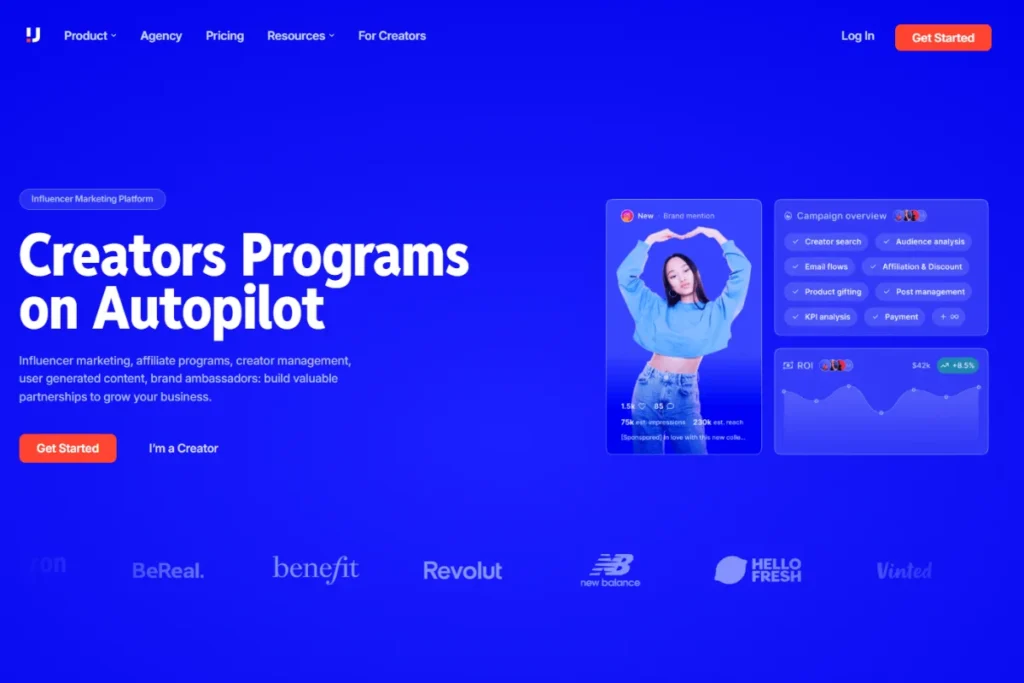
The most successful programs use AI to handle the "mechanics"—the sourcing, the vetting, and the follow-ups—while reserving human hours for "judgment"—strategy, creative direction, and high-level relationship building. This division of labor allows marketers to reclaim the 20-plus hours a week previously lost to spreadsheets and manual DMs.
Future Outlook: The Rise of Virtual Influencers and Predictive Analytics
Looking ahead, the industry is bracing for the further integration of AI-generated influencers—entirely digital personas with massive followings. While this article focuses on tools for managing human creators, the line between human and digital influence is blurring.
Furthermore, the next frontier of AI tools will likely move from descriptive analytics (what happened) to predictive analytics (what will happen). We are entering an era where AI will be able to predict the sales lift of a specific creator before a contract is even signed, based on historical performance patterns and real-time market trends.
In conclusion, the adoption of AI in influencer marketing is no longer an optional "innovation" for forward-thinking brands; it is a requirement for survival in a saturated digital marketplace. By automating the manual bottlenecks of the creator economy, these tools allow brands to move from speculative spending to data-backed investment, ensuring that the "math" of influencer marketing works once again.

 Iffa Jayyana
 Suro Senen