Raul Delapena Setiawan
Digital transformation has fundamentally altered the landscape of business intelligence, shifting web analytics from a luxury for large enterprises to a critical necessity for any organization with an online presence. In the current market, web analytics tools serve as the primary engine for interpreting visitor behavior, tracking conversion funnels, and optimizing marketing spend. However, the industry is currently navigating a period of significant transition, characterized by the sunsetting of legacy platforms and a heightened global focus on data privacy regulations such as the General Data Protection Regulation (GDPR) and the California Consumer Privacy Act (CCPA).
The core function of these platforms remains the same: transforming raw digital footprints into actionable insights. They provide answers to fundamental business questions regarding traffic sources, customer journey friction points, and the return on investment (ROI) of various marketing campaigns. Despite these shared goals, the market has bifurcated into specialized categories: traffic and marketing analytics, behavioral analytics, and product analytics. Selecting an inappropriate tool for a specific organizational need remains the primary reason for low adoption rates within internal teams.
A Chronology of the Analytics Industry: From Log Files to Predictive AI
The history of web analytics is marked by several distinct eras that have shaped the tools available today. In the mid-1990s, analytics consisted of simple log file analysis, where servers recorded basic hits. The acquisition of Urchin by Google in 2005 democratized data, leading to the birth of Google Analytics, which remained the industry standard for nearly two decades.
By the early 2010s, the rise of the "app economy" and Software as a Service (SaaS) models necessitated a shift from pageview-based tracking to event-based tracking. This era saw the emergence of platforms like Mixpanel and Amplitude, which focused on what individual users were doing within an application rather than just how they arrived at a website.
The most recent major shift occurred in July 2023, when Google officially sunsetted Universal Analytics in favor of Google Analytics 4 (GA4). This transition forced millions of businesses to migrate to a more complex, event-driven model. Simultaneously, the growth of open-source solutions like PostHog has signaled a move toward data sovereignty, where companies seek to host their own analytics to ensure total compliance and control.
Comprehensive Analysis of Market-Leading Analytics Platforms
To assist organizations in navigating this complex ecosystem, a comparative analysis of the six most prominent platforms—Crazy Egg, Google Analytics 4, Amplitude, PostHog, Mixpanel, and Heap—reveals distinct advantages tailored to specific operational needs.
Crazy Egg: Prioritizing User Experience and Accessibility
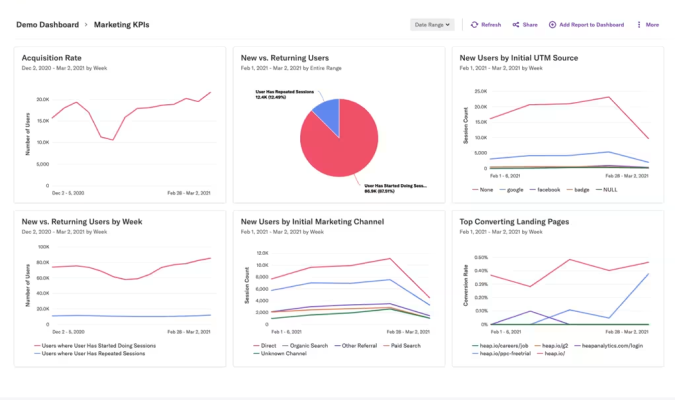
Crazy Egg has established itself as a leader in behavioral analytics by focusing on visual data representation. Founded nearly 20 years ago, it was a pioneer in heatmap technology. Unlike enterprise-grade product analytics tools, Crazy Egg is designed for marketers and small-to-medium businesses (SMBs) who require immediate insights without the need for a dedicated data science team.
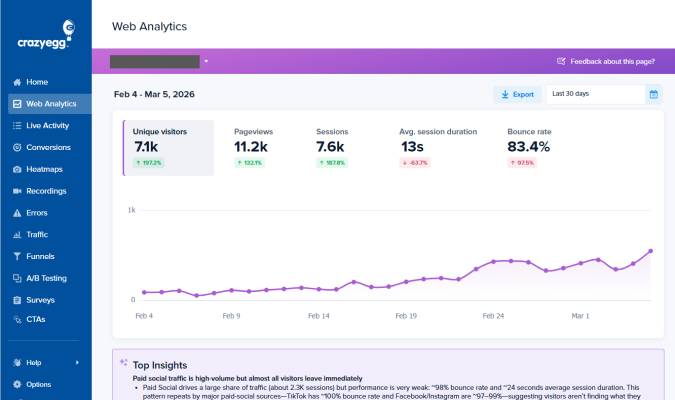
The platform’s primary value proposition is its "no-code" environment. Installation involves a simple JavaScript snippet, after which the tool begins generating clickmaps, scrollmaps, and snapshots of user sessions. Recent updates have introduced AI-generated insights that highlight trends and suggest site improvements automatically. For organizations struggling with the complexity of GA4, Crazy Egg offers a direct integration that simplifies data visualization, making it an ideal choice for conversion rate optimization (CRO) specialists.
Google Analytics 4: The Performance Marketing Standard
Google Analytics 4 remains the most widely used analytics tool globally, primarily due to its integration with the Google marketing ecosystem. For any organization utilizing Google Ads or seeking to improve organic search rankings via Search Console, GA4 is an essential component of the tech stack.
However, the industry reaction to GA4 has been mixed. While it offers advanced machine learning capabilities and cross-platform tracking (web and app), its interface is widely regarded as less intuitive than its predecessor. The shift to "Key Events" instead of "Conversions" and the technical requirements for setting up custom events have increased the total cost of ownership, as many firms now require specialized consultants to maintain accurate data streams.
Amplitude and Mixpanel: The Product Analytics Powerhouses
For enterprise-level product teams, Amplitude and Mixpanel represent the gold standard for event-based tracking. These tools move beyond simple website traffic to analyze the entire customer lifecycle.
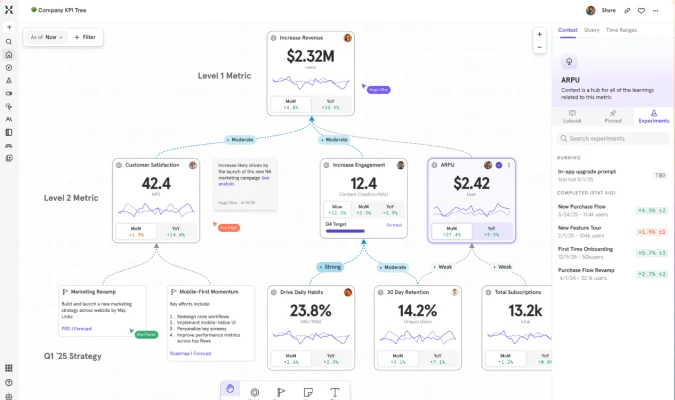
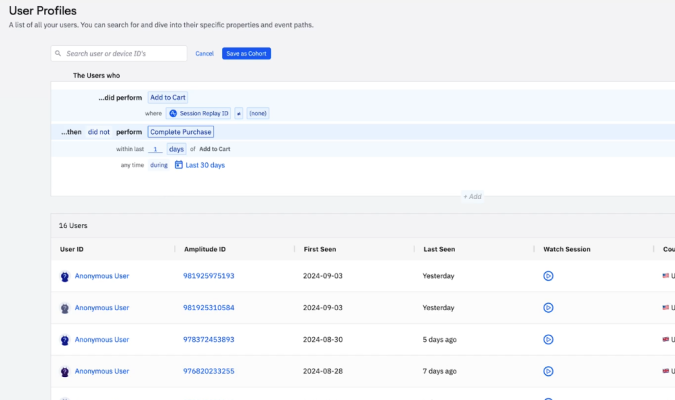
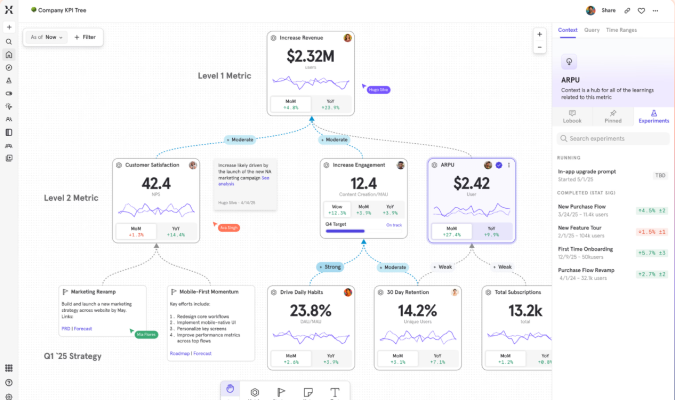
Amplitude is particularly favored by large organizations that require deep cohort analysis and built-in experimentation frameworks. It allows product managers to track feature adoption and identify the exact moment a user becomes "hooked" on a service. Mixpanel, while similar, is often praised for its superior user interface and "Metric Trees," which help cross-functional teams align product actions with high-level business objectives. Both platforms have moved toward usage-based pricing models, meaning costs can scale rapidly as user engagement increases.
PostHog: The Developer-Centric Open Source Alternative
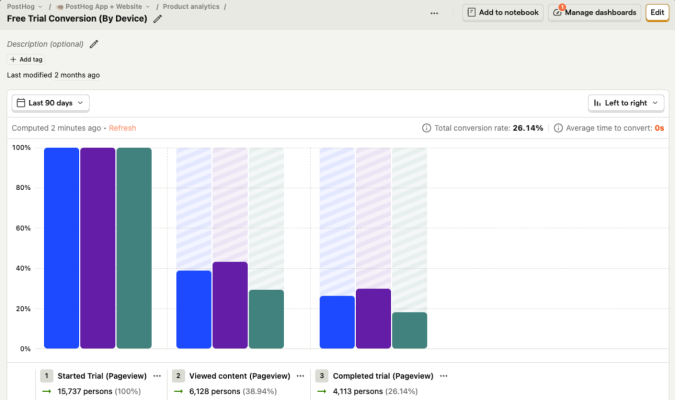
PostHog has disrupted the market by offering an all-in-one suite specifically for engineers. By combining analytics with session recordings, feature flags, and A/B testing, it eliminates the "tool sprawl" that often plagues technical teams. Its most significant advantage is the option for self-hosting, which is a critical requirement for industries with high security standards, such as fintech or healthcare. While the platform offers no-code features, its true power lies in its extensibility for teams that can write custom queries and manage their own data infrastructure.
Heap: Automation Through Autocapture
Heap’s primary differentiator is its "autocapture" technology. While most tools require teams to define events before they can be tracked, Heap records every interaction from the moment of installation. This allows for retroactive analysis, enabling a product manager to ask a question today about user behavior that occurred six months ago. In 2023, Heap was acquired by Contentsquare, a move that is expected to further integrate qualitative "Voice of the Customer" data with quantitative behavioral metrics.
Technical Comparison and Data Governance
| Tool | Primary Data Model | Ideal User | Setup Complexity |
|---|---|---|---|
| Crazy Egg | Pageview + Visual Behavior | Marketers / SMBs | Low (Minutes) |
| GA4 | Event-driven (Marketing) | Performance Marketers | Medium-High |
| Amplitude | Event-driven (Product) | Enterprise Product Teams | High |
| PostHog | Event-driven (Suite) | Developers / Engineers | High |
| Mixpanel | Event-driven (Growth) | Cross-functional Teams | Medium-High |
| Heap | Autocapture | UX Researchers / PMs | Medium |
The Economic Implications of Analytics Selection
The financial impact of choosing an analytics platform extends far beyond the monthly subscription fee. Organizations must account for the "Total Cost of Ownership" (TCO), which includes implementation, training, and ongoing maintenance.
- Implementation Costs: While tools like Crazy Egg and Heap offer rapid deployment, enterprise solutions like Amplitude can require months of data taxonomy planning and engineering hours.
- Maintenance and Data Integrity: As products evolve, event tracking often "breaks." Organizations using manual tracking (GA4, Mixpanel) must budget for regular audits to ensure data accuracy.
- Data Storage and Overages: Many modern tools charge based on "Events" or "MTUs" (Monthly Tracked Users). A sudden surge in traffic or a poorly configured tracking script can lead to significant unbudgeted expenses.
Privacy Compliance and the Global Regulatory Landscape
The legal implications of web analytics have never been higher. Following several rulings by European data protection authorities regarding the transfer of personal data to the United States, many organizations are re-evaluating their reliance on cloud-hosted US platforms.
Compliance now requires more than just a privacy policy; it necessitates active consent management. Tools like PostHog and certain configurations of GA4 allow for IP anonymization and cookieless tracking, which are becoming standard requirements for global operations. Organizations are increasingly looking for platforms that offer Data Processing Agreements (DPAs) and Business Associate Agreements (BAAs) for HIPAA compliance in the healthcare sector.
Future Outlook: The Role of Artificial Intelligence
The next frontier for web analytics is the transition from descriptive analytics (what happened) to predictive analytics (what will happen). Market leaders are aggressively integrating AI to identify churn risks, predict lifetime value (LTV), and automate the A/B testing process.
The industry is also moving toward "Composable Analytics," where data is stored in a central warehouse (like Snowflake or BigQuery) and various tools "plug in" to that data, rather than each tool maintaining its own siloed database. This shift promises to provide a single source of truth for organizations, reducing discrepancies between different reporting platforms.
In conclusion, the selection of a web analytics tool is a strategic decision that must balance ease of use with the depth of required insights. While Google Analytics 4 remains a foundational tool for acquisition, the rise of specialized platforms like Crazy Egg for UX and PostHog for developers indicates a maturing market where one size no longer fits all. Businesses that successfully align their analytics stack with their internal technical capabilities and strategic goals will maintain a significant competitive advantage in an increasingly data-dependent global economy.


 Siti Muinah
 Asep Darmawan