Siti Muinah
June 5, 2026 – In an increasingly competitive digital landscape, businesses are re-evaluating their foundational marketing technologies, with email platforms at the forefront of this strategic shift. A notable trend emerging is the migration of companies from established providers like Mailchimp to more specialized and scalable solutions such as Sinch Mailjet. This transition is driven by a complex interplay of factors, including the need for enhanced performance, superior collaboration features, robust compliance frameworks, and platforms that can truly scale with burgeoning business requirements.
The decision to switch email service providers (ESPs) transcends a simple feature-by-feature comparison; it represents a strategic investment in a company’s future growth and operational efficiency. As organizations mature and their email marketing efforts become more sophisticated, the demands placed on their underlying infrastructure intensify. Platforms that once served adequately for nascent businesses may eventually present limitations that hinder advanced segmentation, high-volume sending, sophisticated automation, or seamless team collaboration. This article delves into the reasons propelling businesses towards Sinch Mailjet and outlines the systematic approach to ensure a smooth transition of critical assets, from contact lists to email templates and historical data.
The Shifting Landscape of Email Marketing: Beyond Basic Broadcasts

Email marketing has evolved dramatically from its early days as a simple broadcast channel. Today, it stands as a cornerstone of customer relationship management, driving everything from lead nurturing and transactional communications to highly personalized campaigns and sophisticated automation sequences. This evolution has raised the bar for ESP capabilities. Modern businesses require platforms that offer:
- Exceptional Deliverability: Ensuring emails reach the inbox, not the spam folder, is paramount for engagement and ROI. This necessitates advanced infrastructure, sender reputation management, and adherence to email authentication standards like SPF, DKIM, and DMARC.
- Scalability and Performance: As contact lists grow and sending volumes increase, an ESP must handle millions of emails with consistent speed and reliability without compromising performance.
- Advanced Segmentation and Personalization: The ability to finely segment audiences based on behavior, demographics, and preferences, and then personalize content at scale, is crucial for relevance and engagement.
- Robust Automation: Beyond simple autoresponders, businesses need complex journey builders to automate multi-step campaigns based on user triggers.
- Team Collaboration and Workflow: For larger marketing teams, features that enable multiple users to work concurrently, manage approvals, and maintain brand consistency are indispensable.
- API-First Approach: Integration with CRM systems, e-commerce platforms, and other business applications through flexible APIs is essential for creating a unified marketing ecosystem.
- Compliance and Security: Adherence to global data privacy regulations (e.g., GDPR, CCPA) and stringent security protocols is non-negotiable.
- Cost-Effectiveness: Transparent and predictable pricing models that align with usage, especially for high-volume senders, become a significant factor.
Why Companies Are Re-evaluating Mailchimp
Mailchimp has long been a popular choice, particularly for small businesses and startups, known for its user-friendly interface and comprehensive suite of entry-level features. However, as companies grow, some find that its architecture and pricing model begin to present challenges:
- Pricing for Scale: Mailchimp’s contact-based pricing can become increasingly expensive for businesses with large, active lists, especially when compared to volume-based models offered by competitors. The cost can escalate rapidly as contact numbers grow, even for inactive subscribers.
- Advanced Functionality Gaps: While Mailchimp offers a good range of features, enterprises often seek more granular control over deliverability, deeper API integrations for complex tech stacks, or more sophisticated A/B testing and analytics capabilities that may be limited or require higher-tier plans.
- Team Collaboration Limitations: For larger teams requiring strict role-based access control, sub-accounts, or intricate approval workflows, Mailchimp’s collaborative features may not meet complex organizational structures.
- Deliverability Concerns at Scale: While generally reliable, some high-volume senders report seeking more dedicated IP options or advanced deliverability consulting services that are more central to specialized sending platforms.
- Compliance Complexity: Navigating global compliance can be intricate, and businesses look for platforms that offer built-in tools and expertise to simplify these challenges.
Sinch Mailjet’s Differentiated Offering: Addressing Evolving Needs
Sinch Mailjet, as part of the broader Sinch Communications platform, has positioned itself as a robust solution for businesses prioritizing scalability, deliverability, and developer-friendly integrations. Industry analysts highlight several key differentiators that drive its adoption:
"The email marketing sector is undergoing a significant transformation," states Dr. Evelyn Reed, a lead analyst at Digital Growth Insights. "Businesses are no longer content with ‘good enough’ email solutions. They demand platforms that are not only powerful but also agile, integrating seamlessly into complex digital ecosystems. Mailjet’s focus on transactional and marketing email excellence, combined with its API-first approach, makes it particularly attractive to companies with sophisticated sending needs and a global footprint."
A spokesperson for Sinch Mailjet echoed this sentiment: "We’ve observed a clear and accelerating trend of businesses migrating to Mailjet because their existing platforms can no longer keep pace with their growth or their technical requirements. Our platform is engineered from the ground up to support high-volume sending, offer unparalleled deliverability through robust infrastructure, and empower teams with powerful collaboration tools and comprehensive compliance features. We provide the infrastructure and expertise for businesses to truly scale their email programs globally."
Key advantages that attract businesses to Sinch Mailjet include:
- Unmatched Scalability: Designed to handle billions of emails per month, making it ideal for large enterprises and high-volume senders. Its architecture ensures consistent performance even during peak periods.
- API-First Approach: Offering a comprehensive and well-documented API, Mailjet allows for deep integration with custom applications, CRM systems, and e-commerce platforms, providing developers with extensive control and flexibility.
- Dedicated Deliverability Expertise: Mailjet places a strong emphasis on deliverability, offering tools, insights, and dedicated support to optimize sender reputation, manage IP addresses (including dedicated IPs), and ensure emails reach their intended recipients.
- Advanced Collaboration Features: Built for teams, Mailjet offers features such as multi-user access, sub-accounts, and approval workflows, fostering efficient collaboration while maintaining security and brand consistency.
- Comprehensive Compliance: With a strong focus on data privacy, Mailjet provides features and assurances to help businesses comply with regulations like GDPR and CCPA, crucial for operating in diverse global markets.
- Flexible Pricing Models: Mailjet often offers more competitive and transparent pricing for high-volume senders, allowing businesses to predict and manage costs more effectively as they scale.
- Transactional Email Excellence: Beyond marketing campaigns, Mailjet is highly regarded for its robust transactional email capabilities, ensuring critical communications like order confirmations and password resets are delivered instantly and reliably.
A Comprehensive Guide to Migrating from Mailchimp to Sinch Mailjet
The decision to migrate an ESP is significant, but the process itself, when approached systematically, can be remarkably smooth. Sinch Mailjet has streamlined the migration path to minimize disruption and maximize efficiency.
Phase 1: Strategic Planning and Assessment
Before initiating any technical steps, a thorough strategic assessment is crucial. This involves:

- Defining Objectives: Clearly articulate why the migration is happening. Is it for cost savings, better deliverability, advanced features, or improved collaboration?
- Inventorying Assets: Identify all contact lists, segments, automations, templates, and reporting data that need to be considered.
- Team Alignment: Ensure all stakeholders, including marketing, sales, IT, and legal teams, are aware of the migration and their roles.
- Comparative Review: While the decision to move to Mailjet may be made, it’s beneficial to understand the full scope of Mailjet’s features, potentially exploring its "roundup of Mailchimp alternatives" page for a detailed comparison on pricing, free plans, and team access.
Phase 2: Seamless Data Transfer – Migrating Your Contacts
Migrating contacts is arguably the most critical step, ensuring business continuity and compliance. The goal is to transfer all subscribed contacts accurately and, crucially, to respect the preferences of unsubscribed contacts.
-
Exporting Contacts from Mailchimp:
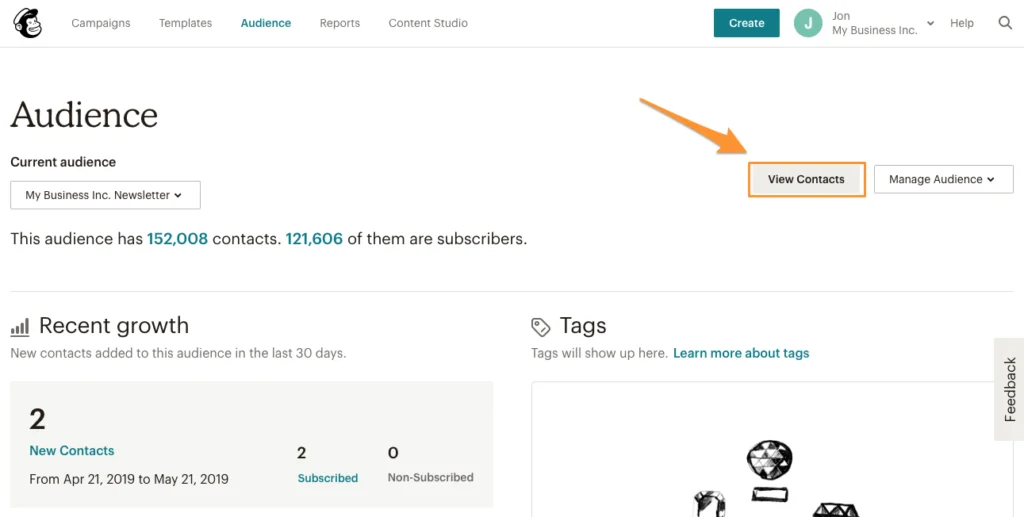
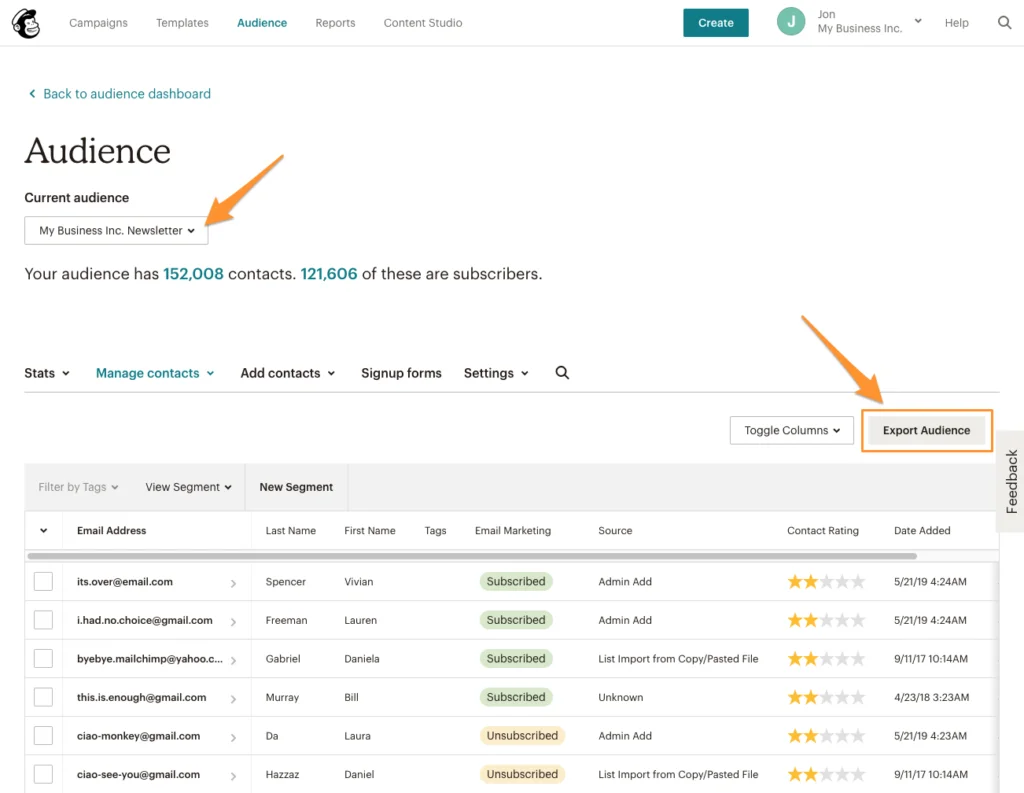
- Login and Navigate: Log in to your Mailchimp account. From the main menu, click "Audience," then select "View Contacts."
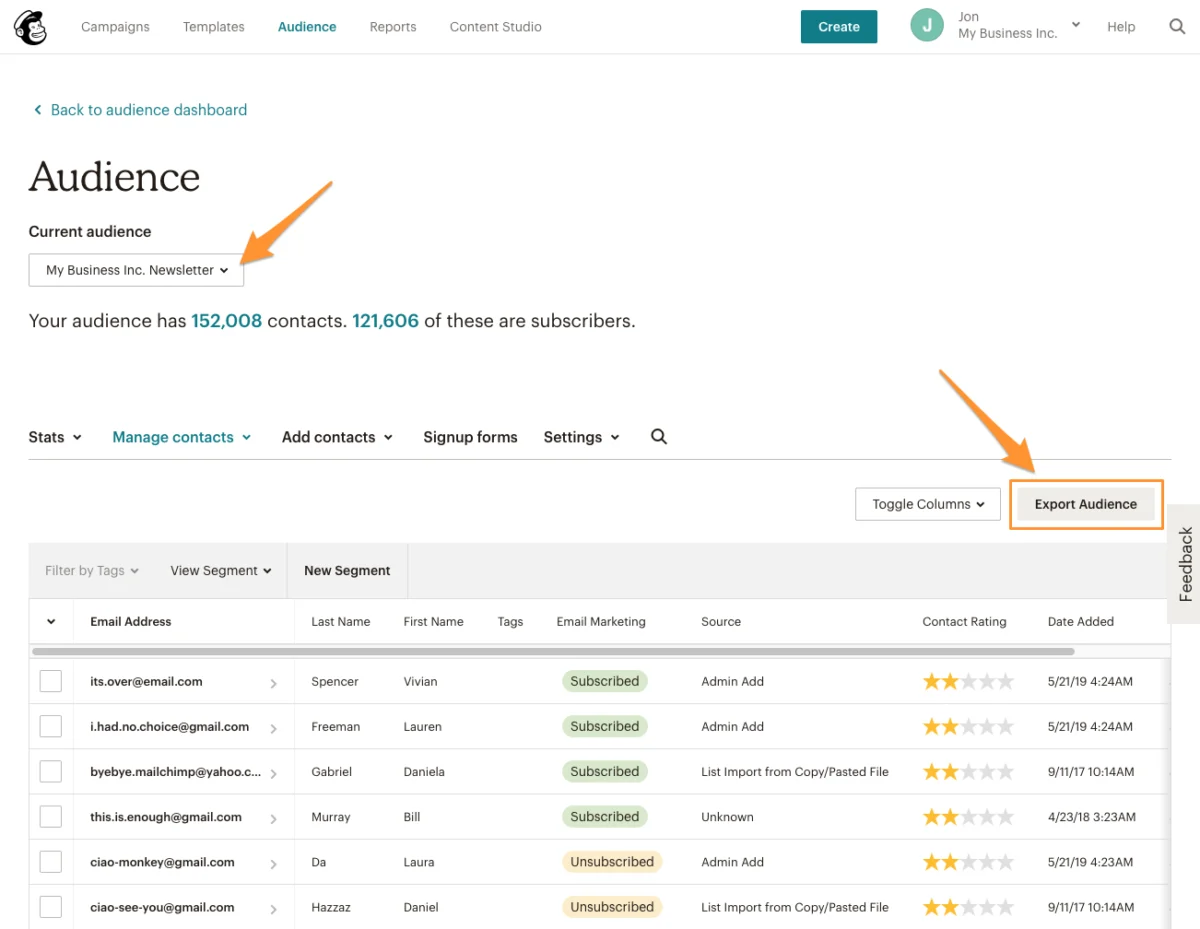
- Select and Export Audience: Choose the specific audience you wish to export from the dropdown menu if you have multiple. Then, click the "Export Audience" button. This action generates a downloadable file.
- Repeat for All Audiences: It is imperative to repeat this process for every audience (contact list) you manage within Mailchimp to ensure no data is left behind.
- Download and Unzip: Once the export is complete, download the generated CSV file. Mailchimp typically provides a compressed archive containing separate CSV files for subscribed members and unsubscribed members. Unzip this archive to access the individual CSVs. This separation is vital for accurate import into Mailjet.
-
Importing Contacts into Sinch Mailjet:
- Login to Mailjet: Log in to your Sinch Mailjet account.
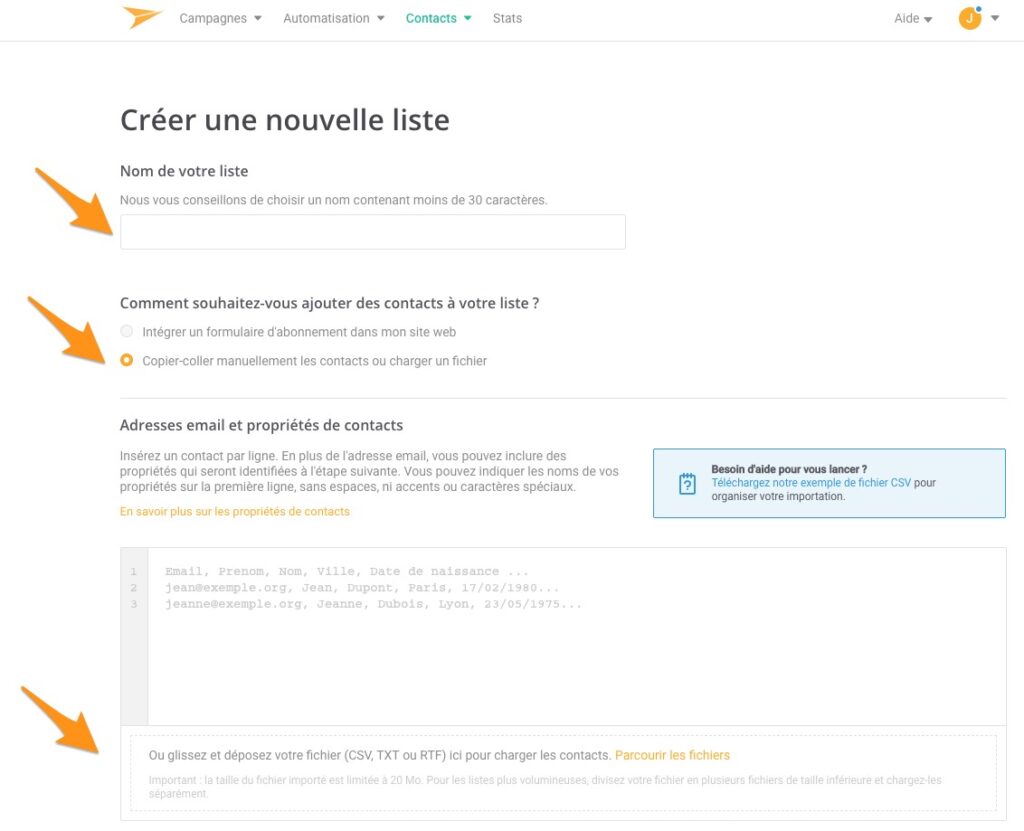
- Create New List: Navigate to "Contacts" > "Contact Lists" from the menu. Click "Create a new list."
- Upload Subscriber Data: Select the option "Paste contacts manually or upload a file," then upload the CSV file containing your subscribed contact data.
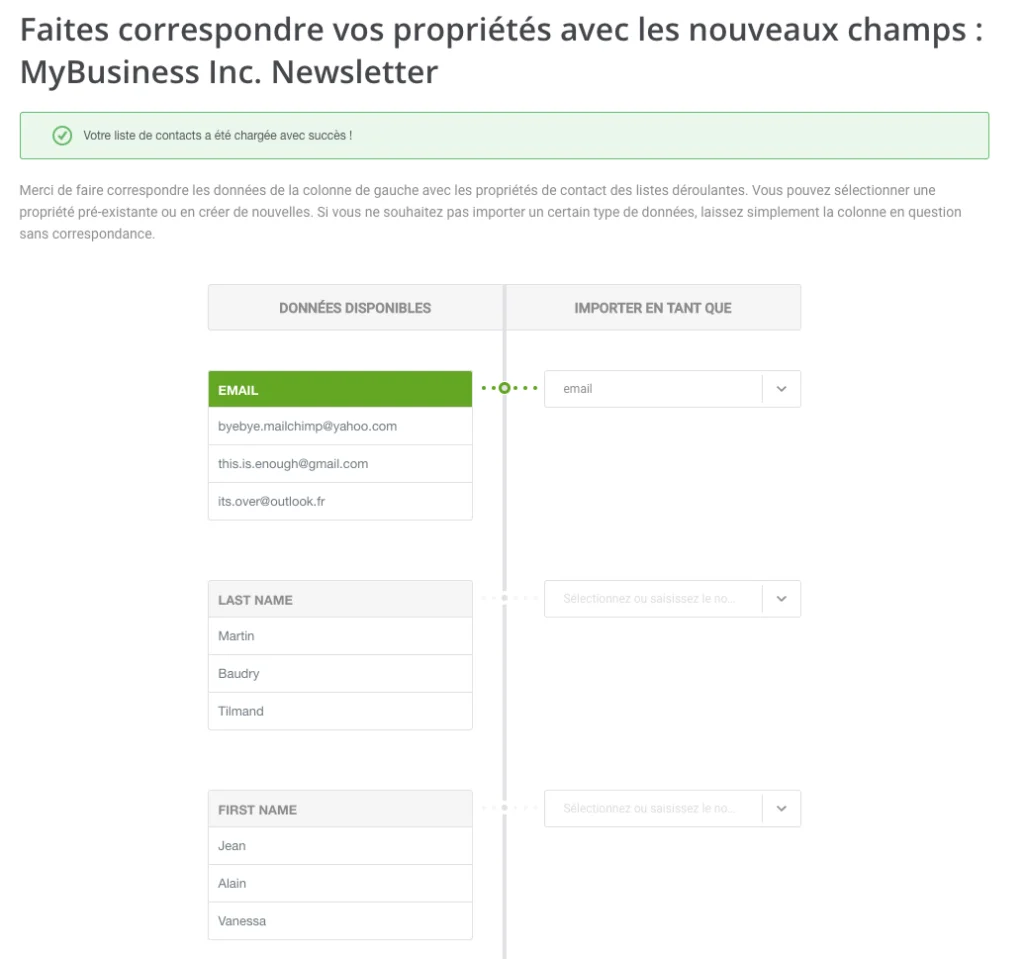
- Mapping Fields: The Mailjet interface will prompt you to map your contact fields. This step ensures that data such as "Email Address," "First Name," "Last Name," "Company," "Birthday," and any other custom properties from your Mailchimp export are correctly aligned with corresponding fields in Mailjet. This meticulous mapping is crucial for future segmentation and personalization efforts. Once satisfied, click "Save and continue."
- Import Unsubscribed Contacts: This is a critical compliance step. After importing your subscribed contacts, you must import your unsubscribed list to prevent inadvertently emailing individuals who have opted out.
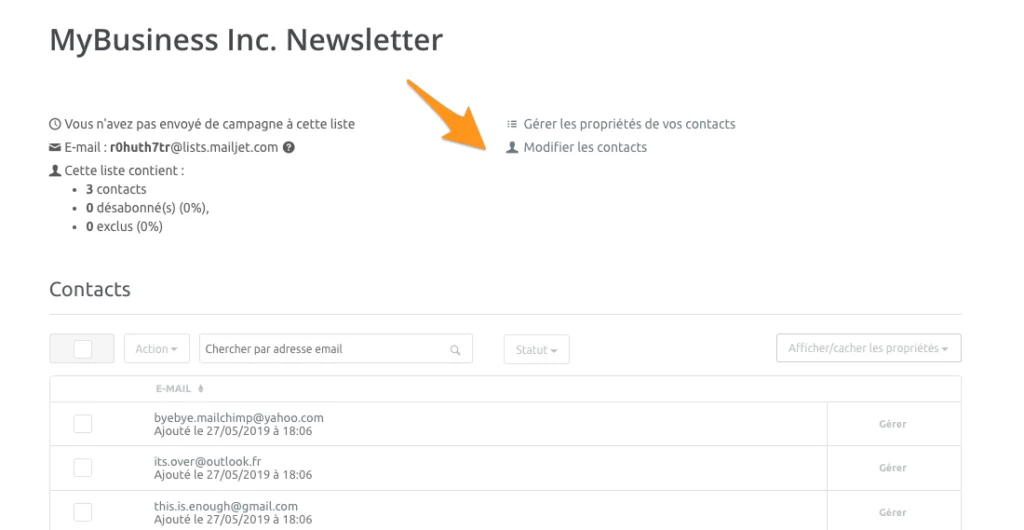
- Manage Contacts: From your newly created Mailjet contact list dashboard, click "Manage contacts" or an equivalent option to modify the list.
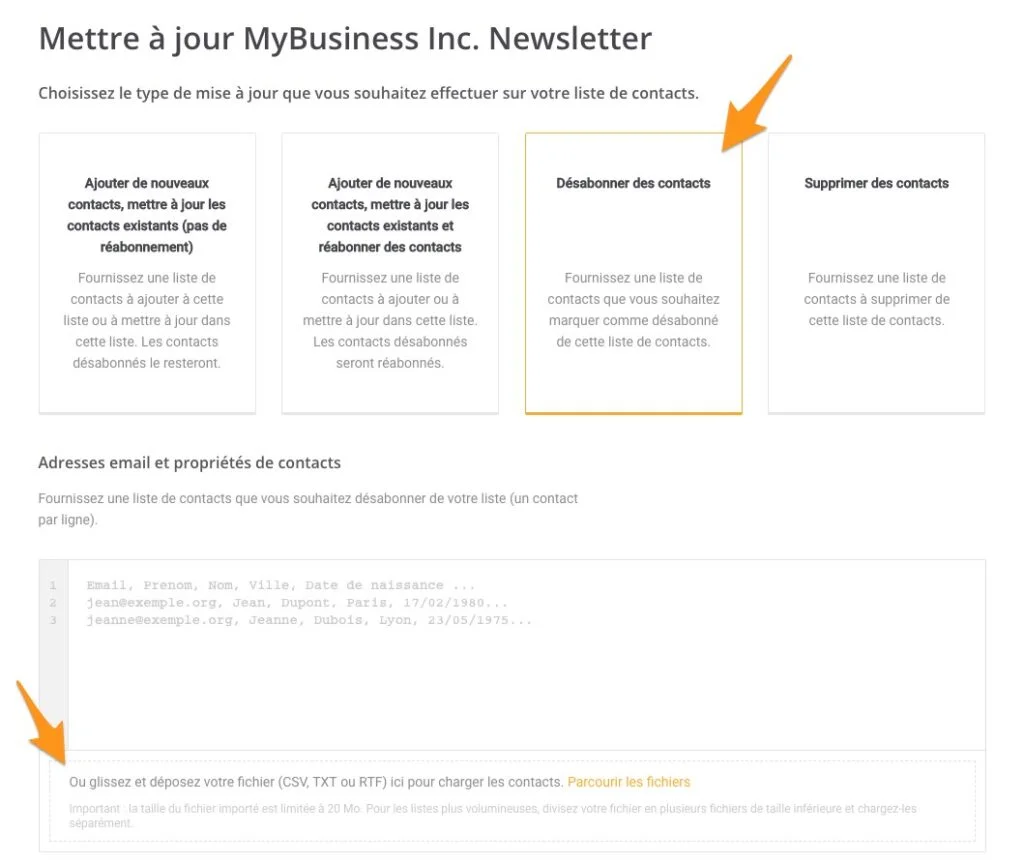
- Select Update Type: Choose "Unsubscribe contacts" as the update type.
- Upload Unsubscribed CSV: Drag and drop or upload the CSV file containing your unsubscribed contacts (which you separated earlier from the Mailchimp export).
- Map Fields (if necessary): Similar to the subscribed contacts, map any necessary fields. This action will flag these contacts as unsubscribed within your Mailjet list, upholding their preference and maintaining your sender reputation.
Phase 3: Reimagining Email Templates
Direct, editable template migration from Mailchimp to Mailjet is not possible due to platform-specific coding architectures. However, businesses have two primary options:
- Recreate Templates in Mailjet’s Editor: This is often the recommended approach, especially for organizations looking to refresh their email designs or leverage Mailjet’s advanced drag-and-drop editor features fully. It allows for a clean start and ensures full compatibility with Mailjet’s design functionalities.
- Import Templates as HTML: For those with complex, custom-coded templates or a desire to maintain existing designs precisely, exporting templates as HTML from Mailchimp and importing them into Mailjet is a viable path.
Steps for HTML Template Migration:
-
Export from Mailchimp:
- Navigate to Templates: In your Mailchimp account, go to "Templates."
- Export as HTML: For each template you wish to migrate, locate it and click the "Export as HTML" option from its dropdown menu. This will download an HTML file to your computer.
-
Import into Sinch Mailjet:
- Create New Template: In your Sinch Mailjet account, go to "Campaigns" and select "Create a new template."
- Choose HTML Option: Select "Code it in HTML." Mailjet provides options to code from scratch, upload a zip, or import an HTML file. Choose to upload your HTML file.
- Upload HTML: Upload the HTML file(s) you exported from Mailchimp. While these templates will be functional, they may have limited editability within Mailjet’s visual editor, requiring direct HTML modifications for changes.
Phase 4: Archiving Performance Data
It is important to acknowledge that historical reporting data from Mailchimp cannot be directly transferred or imported into Sinch Mailjet. This means that past campaign performance metrics (open rates, click-through rates, bounces, etc.) will not automatically appear in your new Mailjet dashboard.
To preserve this valuable historical context:
- Download All Reports: In your Mailchimp account, navigate to "Reports." Look for an option to "Download All Reports" or export individual campaign reports. This will typically provide CSV or Excel files containing detailed analytics.
- Secure Archival: Store these downloaded reports securely. This archived data will serve as a crucial benchmark for comparing future performance on Sinch Mailjet and for maintaining a comprehensive record of your email marketing history. While not integrated into the new platform, it remains accessible for reference and analysis.
Post-Migration Best Practices for Optimal Performance
Upon completing the migration of contacts and templates, several crucial steps remain to ensure optimal performance on Sinch Mailjet:
- Domain Validation and Sender Authentication: This is non-negotiable for deliverability.
- Validate Domains: Ensure all sending domains are validated within your Mailjet account.
- Configure SPF, DKIM, and DMARC: These email authentication protocols are vital for verifying your sender identity, preventing spoofing, and significantly improving inbox placement. Mailjet provides clear instructions for setting up these records in your DNS.
- Warm-up Sending (if applicable): For high-volume senders or those with previously poor sender reputations, a gradual "warm-up" of your new IP address (if using a dedicated IP) is essential to build trust with internet service providers (ISPs).
- List Segmentation and Hygiene: Leverage Mailjet’s robust segmentation tools to organize your imported contacts effectively. Regularly clean your lists to remove inactive subscribers and invalid addresses, which contributes to better deliverability and lower costs.
- Test Everything: Before launching your first major campaign, send numerous test emails to various clients and devices to verify template rendering, link functionality, and personalization tags.
- Set Up Automation Workflows: Recreate or enhance your automated email journeys, leveraging Mailjet’s automation builder.
- Monitor and Optimize: Continuously monitor your campaign performance within Mailjet’s analytics dashboard. Utilize A/B testing features to optimize subject lines, content, and send times.
Broader Implications for Digital Marketing Strategies
The migration from one ESP to another is more than a technical exercise; it’s a strategic decision that can profoundly impact a company’s overall digital marketing effectiveness. By moving to a platform like Sinch Mailjet that aligns with their current and future needs, businesses can:
- Enhance ROI: Improved deliverability, advanced personalization, and efficient automation directly translate to higher engagement, better conversion rates, and a stronger return on email marketing investment.
- Boost Marketing Agility: A flexible, API-driven platform allows marketing teams to integrate quickly with new technologies and adapt to evolving market demands, fostering greater innovation.
- Strengthen Brand Reputation: Consistent, well-delivered, and relevant communications reinforce brand trust and customer loyalty.
- Empower Teams: Collaborative features streamline workflows, reduce manual errors, and free up marketing professionals to focus on strategy rather than operational bottlenecks.
- Ensure Future-Proofing: Partnering with an ESP built for scale and continuous innovation positions the business to leverage emerging trends like AI-driven content optimization and hyper-segmentation.
The journey to an optimized email marketing future is complete. Your contacts are now meticulously imported, your templates are ready for deployment, and your domain is authenticated for peak performance on Sinch Mailjet. This migration represents a pivotal step in equipping your business with the tools necessary to thrive in an increasingly data-driven and customer-centric marketing landscape. The robust capabilities of Sinch Mailjet, from unlimited contacts and powerful collaboration features to advanced automation and dedicated deliverability expertise, are now at your disposal to cultivate deeper customer relationships and drive sustained business growth.
Ready to unlock the full potential of your email marketing strategy?
- Create your free Sinch Mailjet account today.
- Explore a detailed comparison of Sinch Mailjet versus Mailchimp to understand the full scope of benefits.

 Raul Delapena Setiawan
 Sagoh