Iffa Jayyana
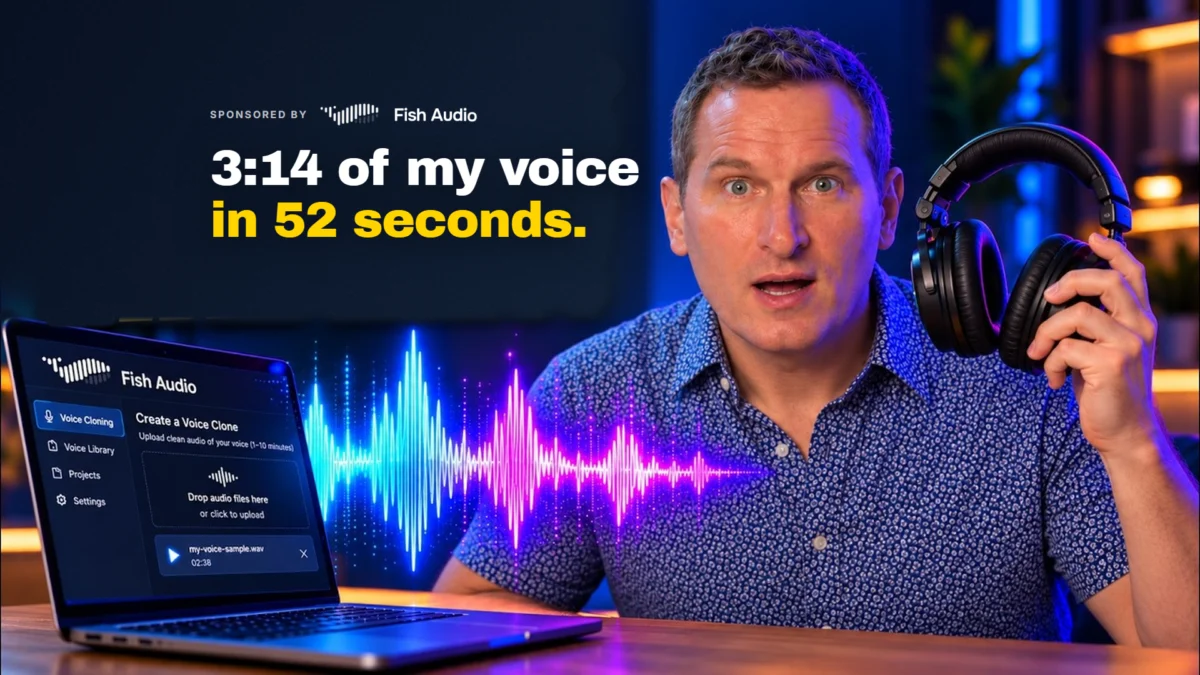
The landscape of generative artificial intelligence has shifted from static text and image generation toward high-fidelity, emotionally resonant audio synthesis. At the forefront of this transition is Fish Audio, a platform that has introduced the S2.1 Pro API, a tool designed to eliminate the "robotic" cadence historically associated with text-to-speech (TTS) technologies. By leveraging advanced neural networks and an API-first architecture, the platform allows users to clone human voices with a high degree of accuracy while integrating specific emotional triggers—such as laughter or excitement—directly into the generated output. This development marks a significant departure from traditional TTS models that often require extensive manual editing or suffer from high operational friction.
The Evolution of Neural Speech Synthesis
The transition from concatenative synthesis, which pieced together recorded fragments of speech, to neural TTS has been rapid. Modern generative audio relies on deep learning models that analyze the prosody, rhythm, and phonetic nuances of a target voice. However, the primary challenge in the industry remains the "uncanny valley" of audio: recordings that sound nearly human but lack the emotional inflection necessary for high-stakes environments like sales, narration, or customer service.
Fish Audio’s entry into the market addresses these deficiencies through a dual-tier cloning system. The "Instant Clone" feature allows for rapid deployment using as little as ten seconds of source audio, providing a baseline for internal testing and low-stakes applications. The "Professional Clone," however, represents the platform’s high-fidelity offering, requiring twelve to fifteen high-quality audio samples to build a comprehensive vocal profile. This tiered approach mirrors broader trends in the AI sector, where speed is balanced against depth and quality of output.

Technical Chronology: The Professional Cloning Workflow
The deployment of a professional-grade AI voice clone through Fish Audio follows a structured sequence designed to ensure both quality and security. Industry experts, including veteran marketing agency founders, have noted that the efficiency of this workflow is a primary differentiator in a crowded marketplace.
- Asset Preparation: The process begins with the collection of high-fidelity audio clips. While the platform requires approximately 15 clips, users with extensive libraries—such as podcasters or YouTubers—often provide larger datasets to ensure the model captures a wide range of phonetic variations.
- Identity Verification: To mitigate the risks of unauthorized voice cloning and "deepfake" technology, the platform implements a mandatory verification step. Users must record a specific script in real-time to confirm ownership of the voice being cloned.
- Neural Training: Once assets are uploaded and identity is verified, the platform’s proprietary S2.1 Pro model begins training. This process typically concludes in 20 to 30 minutes, a significant improvement over earlier iterations of voice cloning technology that required hours or days of processing time.
- API Integration: Following the training phase, the voice becomes accessible via the S2.1 Pro API. This allows the voice to be called programmatically from external environments, such as Large Language Models (LLMs) or custom software applications.
The Innovation of Emotion-Based Tagging
Perhaps the most significant technical advancement within the Fish Audio ecosystem is the implementation of emotion tags. Unlike standard TTS systems that maintain a uniform tone, Fish Audio allows for the insertion of metadata tags such as [excited], [laughing], or [wry] within the text script.

When the S2.1 Pro model encounters these tags, it adjusts the pitch, speed, and breathiness of the output to simulate human emotion. In practical tests, the "laughing" tag has demonstrated an ability to produce realistic vocal inflections that were not explicitly present in the training data. This suggests that the model possesses a sophisticated understanding of vocal anatomy and emotional expression, allowing it to extrapolate human-like responses based on the context of the text.
Comparative Market Analysis: Pricing and Friction
The AI voice synthesis market is currently valued at billions of dollars, with competitors like ElevenLabs and Play.ht commanding significant market share. However, many existing tools operate on a "per-character" pricing model that can become cost-prohibitive for large-scale content production.

Fish Audio’s business model introduces a "Pro" subscription that unlocks professional cloning and grants access to the S2.1 Pro API. Under this model, the actual generation of audio through the API is provided under a "fair use" policy without additional per-character charges. This shift is particularly relevant for enterprise users and digital creators who require high-volume output for audiobooks, video sales letters (VSLs), or personalized customer interactions.
Furthermore, the platform addresses "workflow friction." In traditional setups, users must navigate between their writing environment and a separate audio generation app, manually downloading and uploading files. By providing a robust API, Fish Audio enables a seamless integration where an LLM—like Anthropic’s Claude—can write a script, apply emotion tags, and call the Fish Audio API to produce the final MP3 file in a single automated loop.

Industry Implications and Professional Use Cases
The ability to generate indistinguishable voice clones has profound implications across several sectors:
- Marketing and Advertising: Digital agencies can now produce localized or personalized video advertisements at scale. A single professional clone can read thousands of different scripts, each tailored to a specific demographic, without requiring the original speaker to return to the studio.
- Education and E-Learning: Complex technical subjects can be converted into audio format with natural inflections, making long-form educational content more engaging and accessible.
- Accessibility: For individuals with speech impairments or those who have lost their natural voice, professional cloning offers a way to maintain a digital identity that sounds authentic rather than synthesized.
- Content Strategy: The integration of AI audio into the "War on Cookies" era of marketing allows brands to create more direct, human-centric connections with their audiences through audio-first content that bypasses traditional digital tracking limitations.
Ethical Considerations and Security Frameworks
The rise of high-fidelity voice cloning is not without controversy. The potential for misuse in phishing attacks or the creation of misinformation is a primary concern for regulators and technology providers. Fish Audio’s insistence on a real-time vocal verification step is a critical safeguard in this regard. By ensuring that the person initiating the clone is the person who owns the voice, the platform establishes a baseline of ethical responsibility.

However, as the technology becomes more pervasive, the industry may face calls for standardized digital watermarking. Such measures would allow platforms to identify AI-generated audio and distinguish it from organic recordings, protecting the integrity of digital communications.
Fact-Based Analysis of the S2.1 Pro Model
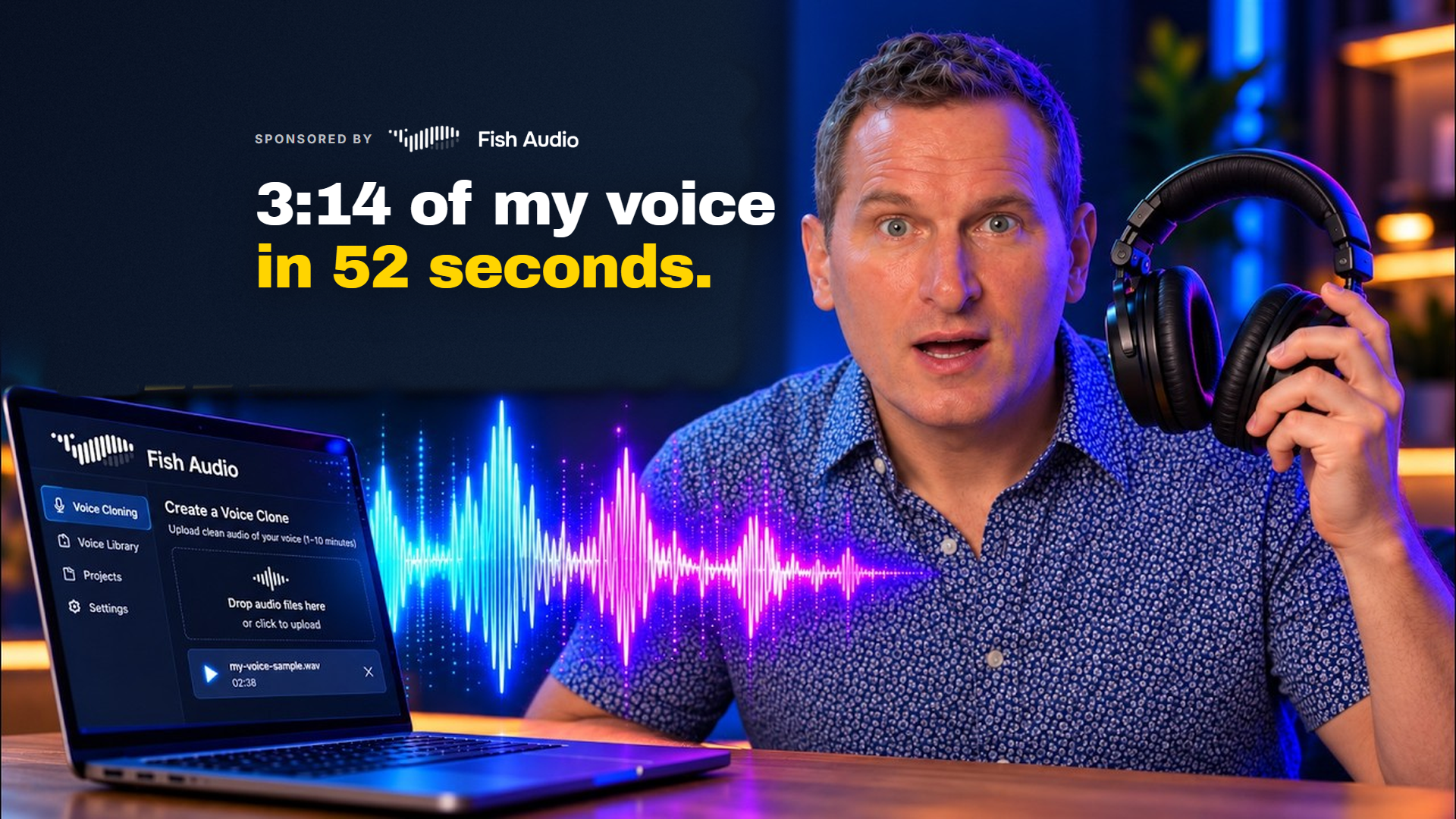
Technical benchmarks indicate that the S2.1 Pro model excels in "zero-shot" and "few-shot" learning scenarios. This means the model can generalize from a limited amount of data to produce a wide variety of speech patterns. In a documented case study, a professional sales letter spanning over three minutes was generated in approximately 52 seconds across five distinct sections. This level of throughput suggests that the platform is optimized for production environments where time-to-market is a critical KPI.

The success of the platform also hinges on its compatibility with modern developer tools. By allowing for HTTP requests via standard libraries, Fish Audio has lowered the barrier to entry for developers using Python, Node.js, or no-code automation platforms like Make.com and n8n.
Future Outlook
As generative AI continues to mature, the distinction between human-led production and AI-augmented workflows will continue to blur. Fish Audio’s approach—prioritizing emotional resonance and API-first accessibility—positions it as a vital utility in the creator economy. The platform’s ability to turn a static text-to-speech task into a dynamic, integrated, and emotionally intelligent process represents the next logical step in the evolution of digital media.

For businesses and creators, the transition to tools like Fish Audio represents an opportunity to regain time and reduce the "context-switching" costs that have historically hindered creative output. By automating the technical hurdles of voice production, the focus returns to the quality of the message and the emotional connection with the listener. As the S2.1 Pro model continues to iterate, the industry can expect even higher levels of vocal nuance, further cementing AI’s role as a permanent fixture in the global communications landscape.


 Nila Kartika Wati

 Evan Lee Salim