Raul Delapena Setiawan
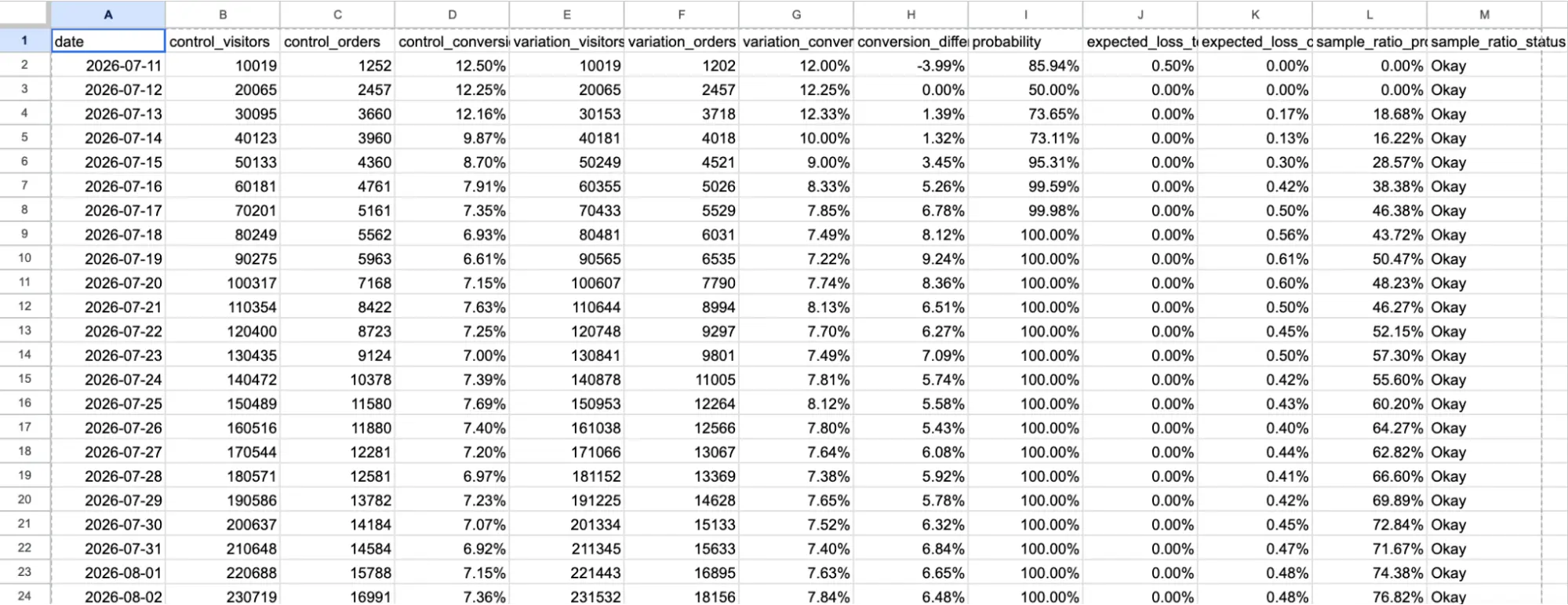
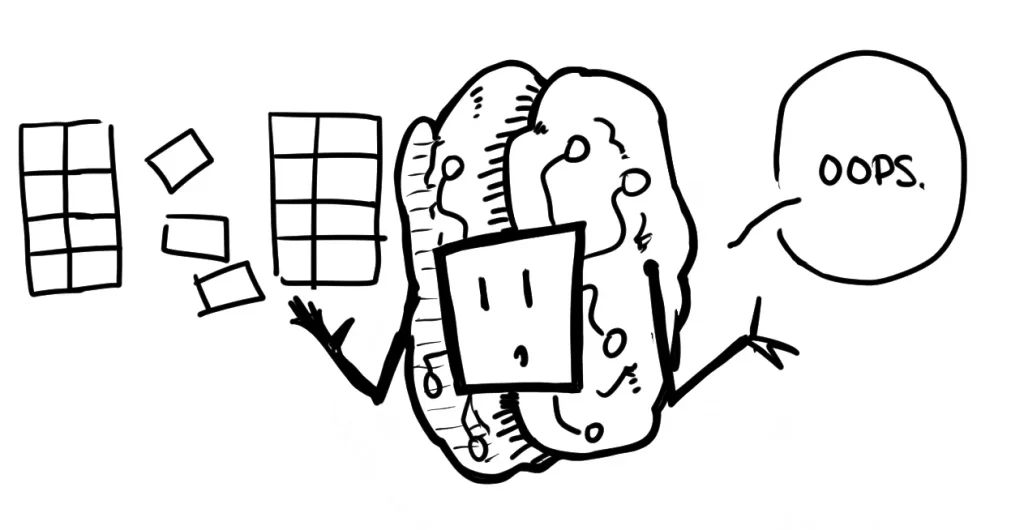
The rapid integration of Generative Artificial Intelligence (AI) into professional workflows has created a paradoxical challenge for data scientists and analysts: the very tools designed to increase efficiency often introduce a "black box" element that threatens the accuracy of hard-earned data. As organizations increasingly lean on Large Language Models (LLMs) to process experimental results and perform statistical calculations, experts are raising alarms regarding the probabilistic nature of these models. Unlike traditional calculators or statistical software, LLMs do not "calculate" in the mathematical sense; they predict the next most likely token in a sequence, a process that can lead to "hallucinated" figures or the omission of critical data points. To address these vulnerabilities, a new hybrid workflow is emerging that leverages AI for structural automation while sequestering the actual numerical analysis within deterministic, code-based environments.

The Problem of the Statistical Black Box
The convenience of AI-driven analysis is undeniable. By reducing the friction between data collection and insight generation, tools like ChatGPT, Claude, and Gemini have become the first stop for many looking to run A/B test calculations or regression analyses. However, the internal logic of these models remains largely opaque. When a user uploads a CSV file of experiment results into an LLM, they are essentially entrusting their raw data to a system that may "forget" rows, misinterpret decimal points, or apply inconsistent formulas across different sessions.
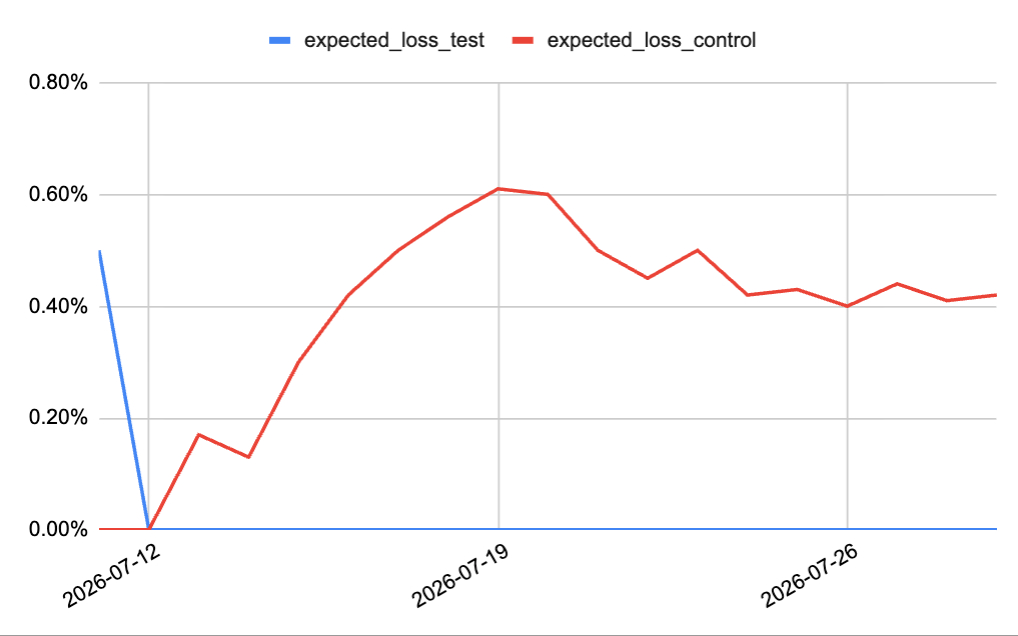
In the context of A/B testing—a cornerstone of modern digital product development—accuracy is paramount. Analysts often look for specific metrics such as "Expected Loss," which quantifies the risk of choosing one variation over another. Convert, a leader in the experimentation space, notes that while their tools provide these views, many analysts prefer cumulative views to understand the "noise" level within their results. Throwing this data into an AI and hoping the numerical integrity survives the trip is a risk that many senior data architects are no longer willing to take.
A New Framework: The Deterministic Hybrid Workflow
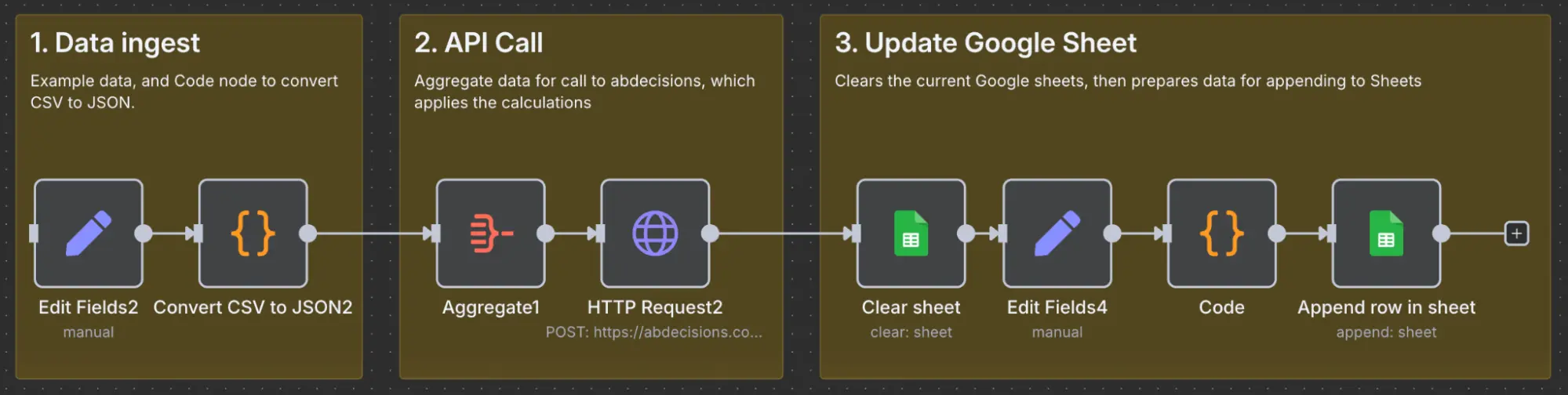
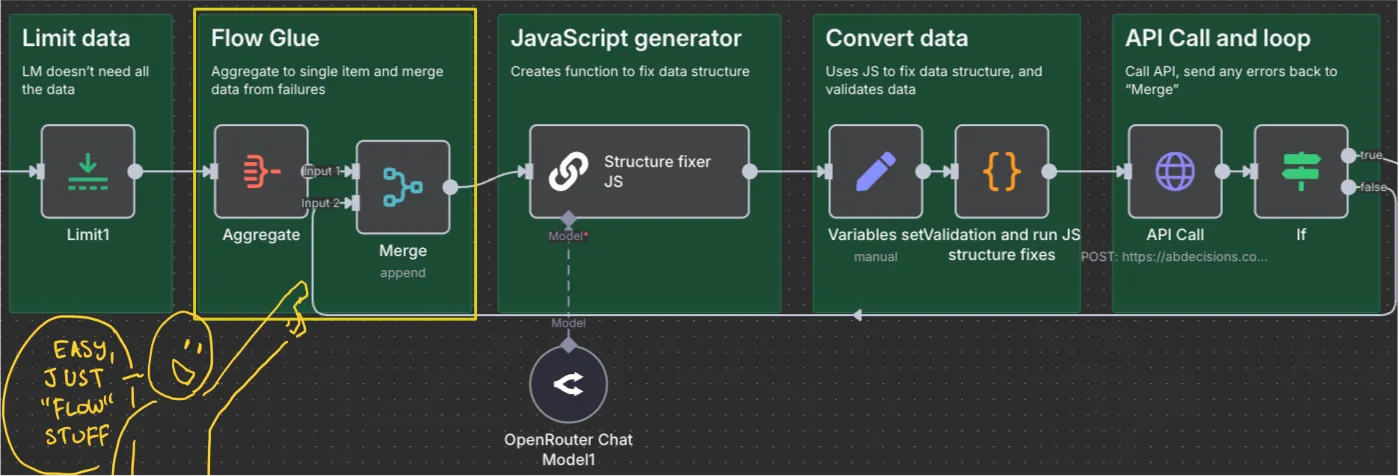
To harness the power of AI without sacrificing precision, technical leads are advocating for a workflow that uses AI as "flow glue" rather than a calculator. This approach relies on automation platforms like n8n to orchestrate a multi-step process where the AI’s role is strictly limited to identifying and fixing data structures.
Chronology of a Modern Data Processing Pipeline
The evolution of data processing has moved through several distinct phases over the last two decades. Understanding this timeline is essential for recognizing why the current hybrid approach is necessary:
- The Manual Era (2000s–2010s): Analysts manually exported CSVs and performed calculations in Excel or specialized statistical software like SPSS. This was slow but highly auditable.
- The API and Scripting Era (2010s–2022): Python and R scripts automated the pipeline. Data was pulled via API and processed through deterministic libraries (NumPy, Pandas). Reliability was high, but the barrier to entry required significant coding knowledge.
- The AI "Shortcut" Era (2023–Present): Users began uploading raw data directly to LLMs. This lowered the barrier to entry but introduced high levels of "silent failure" where results looked correct but were mathematically flawed.
- The Hybrid Automated Era (Current Trend): The emerging standard involves using AI to write the transformation code (JavaScript/Python) on the fly, which is then executed in a controlled environment. The AI never touches the math; it only builds the "pipes."
Step-by-Step Implementation of the Secure Workflow
The core of this strategy is a sophisticated automation sequence. In this model, the AI is treated as a highly skilled but untrustworthy assistant who is allowed to write the instructions but is never allowed to handle the money.
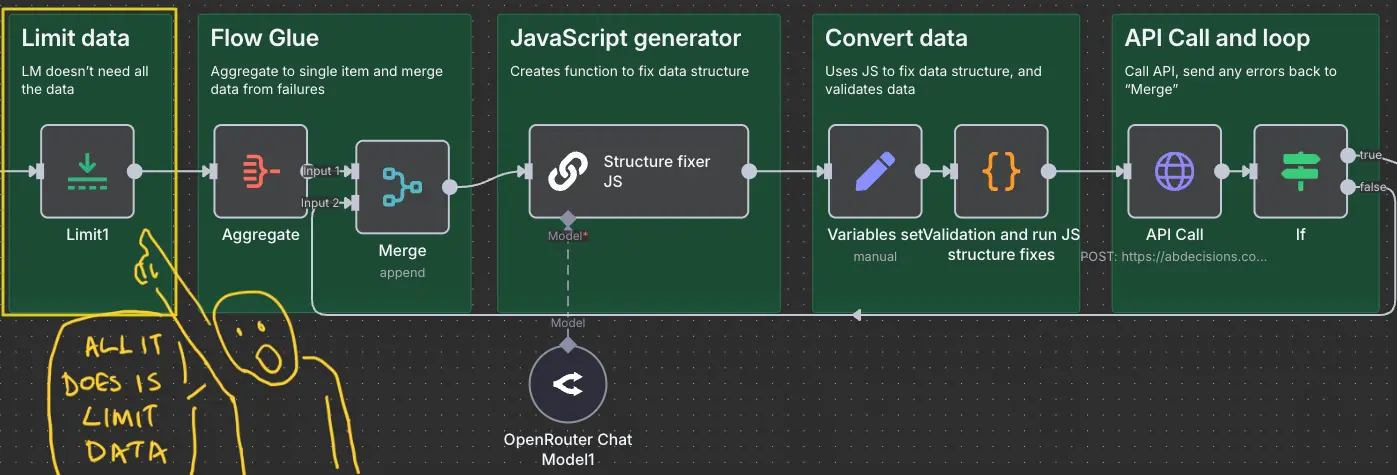
1. Data Ingestion and Limitation
The process begins with the ingestion of raw data, typically in CSV format. To protect the integrity of the full dataset and minimize "token cost," only a small sample (e.g., the first four rows) is fed to the AI. This sample provides enough context for the model to understand the headers and data types without exposing the entire dataset to potential transformation errors.
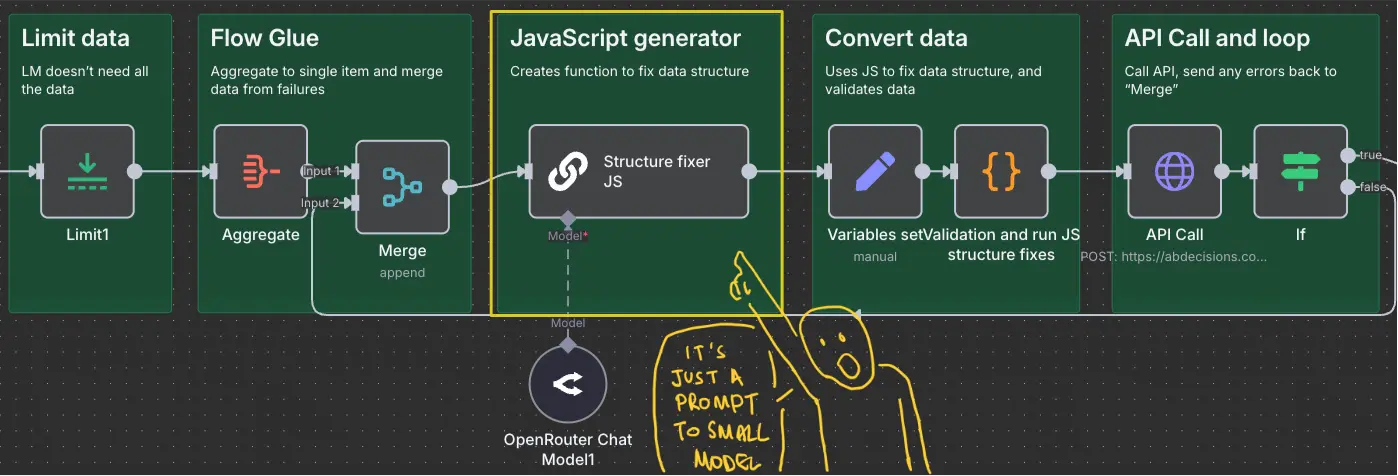
2. AI-Generated Transformation Code
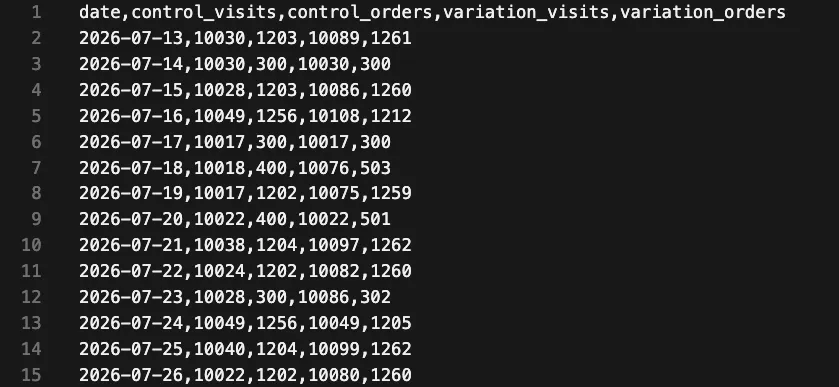
Instead of asking the AI to "calculate the expected loss," the prompt directs the AI to "write a JavaScript function to map these specific headers to a standardized JSON format." This shifts the AI’s task from mathematics to syntax. For instance, if one CSV uses the header cntrol_visits and another uses control_visitors, the AI identifies these as the same entity and writes a script to normalize them.
The instructions given to the model are explicit:

- Never embed concrete data values in the code.
- Handle field name variations dynamically.
- Ensure the output matches the requirements of a deterministic statistical API.
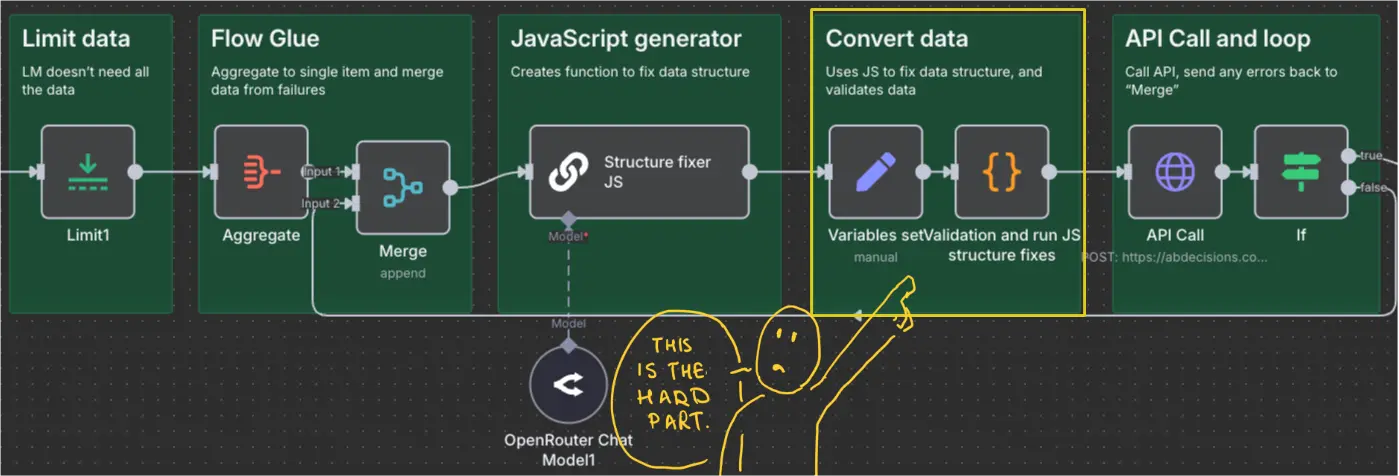
3. The Validation Gate
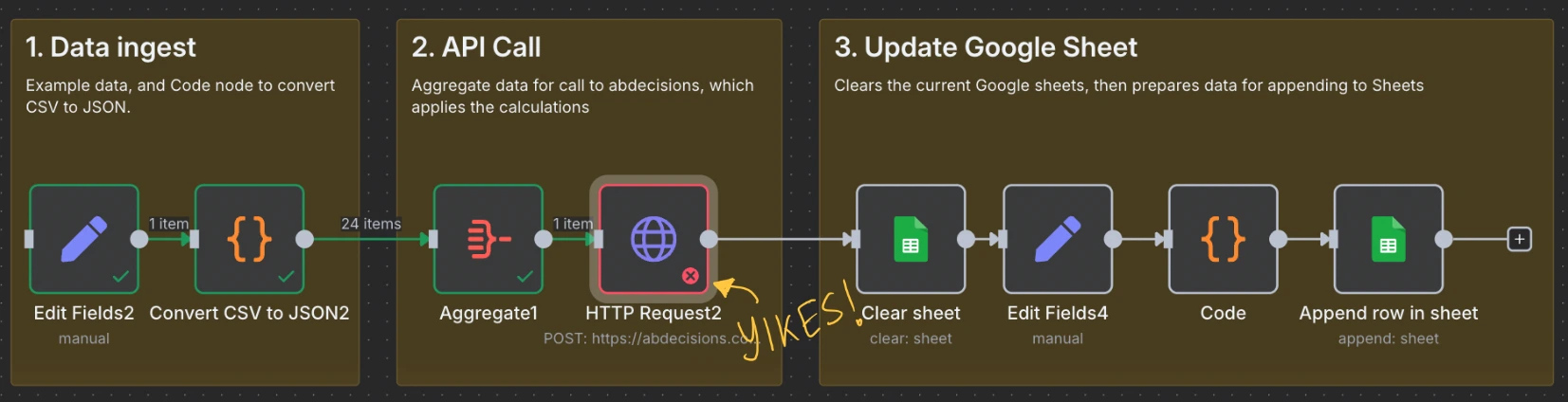
A critical and often overlooked step is the inclusion of a "Code Node" that validates the AI’s output. This node runs the generated JavaScript and checks the results against a set of hardcoded rules. If the number of rows in the output does not match the number of rows in the input, or if the data types have shifted (e.g., a number became a string), the workflow triggers an error and loops back for a retry. This ensures that the model cannot "hallucinate" away part of the dataset.

4. Deterministic API Integration
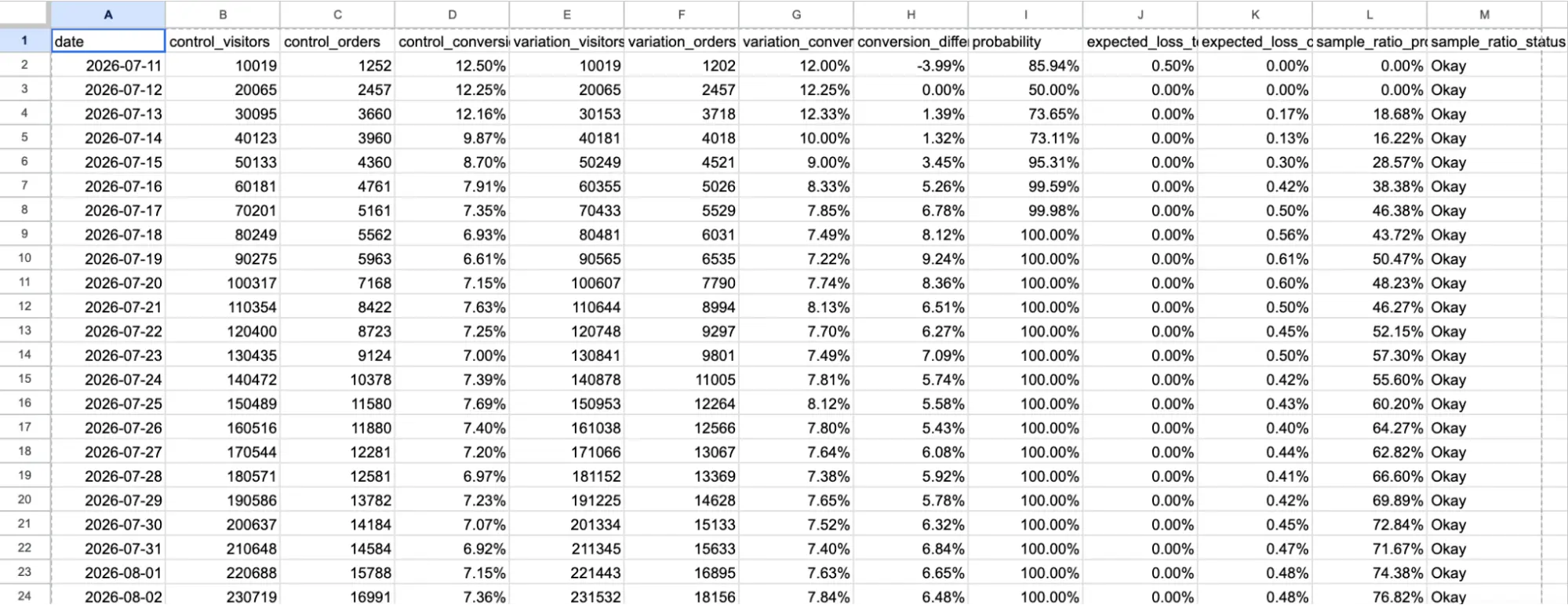
Once the data is standardized, it is sent to a specialized statistical tool—such as an open-source Bayesian calculator or a proprietary API like A/B Decisions. These tools are deterministic; they use fixed mathematical formulas that yield the same result every time. By offloading the math to a dedicated engine, the analyst ensures that the statistical rigor of the experiment is maintained.
Supporting Data and Analysis of AI Reliability
Recent studies into the mathematical capabilities of LLMs support the need for this partitioned approach. Research indicates that while "Frontier Models" like GPT-4o show high proficiency in reasoning, they still struggle with multi-step arithmetic and large-number multiplication due to the way they "tokenize" digits.
Furthermore, the industry is seeing a shift toward "Small Language Models" (SLMs) for these types of tasks. Because the goal is syntax mapping rather than creative writing, smaller models are often faster, cheaper, and less prone to the "over-thinking" that can lead to complex errors in larger models. Using a smaller model within a tool like n8n allows for a high-speed, iterative loop that can retry a transformation ten or twenty times until the validation gate is passed, all for a fraction of the cost of a single call to a larger model.
Broader Implications for Data Privacy and Corporate Security
Beyond the concerns of mathematical accuracy, the hybrid workflow addresses a growing crisis in data privacy. Corporate legal departments are increasingly wary of "data leakage," where sensitive business metrics are fed into public AI models and used for further training.

By limiting the AI’s exposure to structural samples rather than full datasets, companies can maintain a higher level of security. The "Heavy Lifting"—the processing of thousands of rows of customer data—happens locally or within a controlled API environment, while the AI only sees the "envelope" the data arrives in.
Conclusion: The Future of the "AI Agent" in Analytics
The role of the data analyst is transitioning from "number cruncher" to "workflow architect." The most successful professionals will be those who recognize that AI is an excellent translator but a poor accountant.
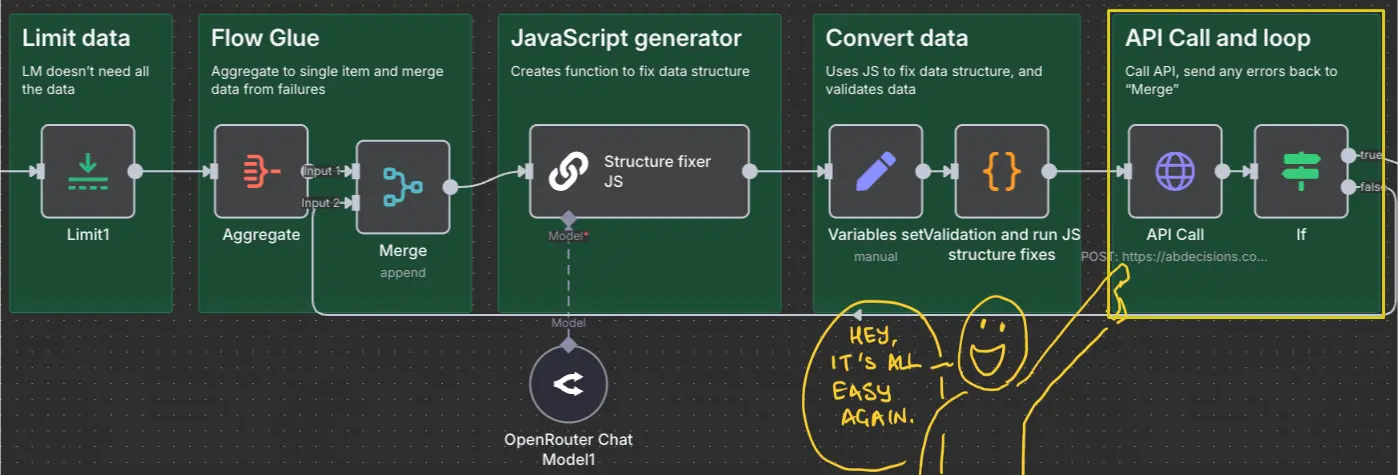
By implementing workflows that prioritize transparency and deterministic outcomes, organizations can enjoy the speed of AI automation without the "black box" risks. As demonstrated in the n8n workflow model, the final output—often a visualization in Google Sheets or a BI tool—is only as reliable as the weakest link in the chain. By removing AI from the calculation phase and placing it in the orchestration phase, that weak link is effectively eliminated. This methodology doesn’t just produce faster results; it produces results that can be defended in a boardroom, matching the rigorous standards of modern data science.

 Ali Ikhwan
 Neng Nana