Nana
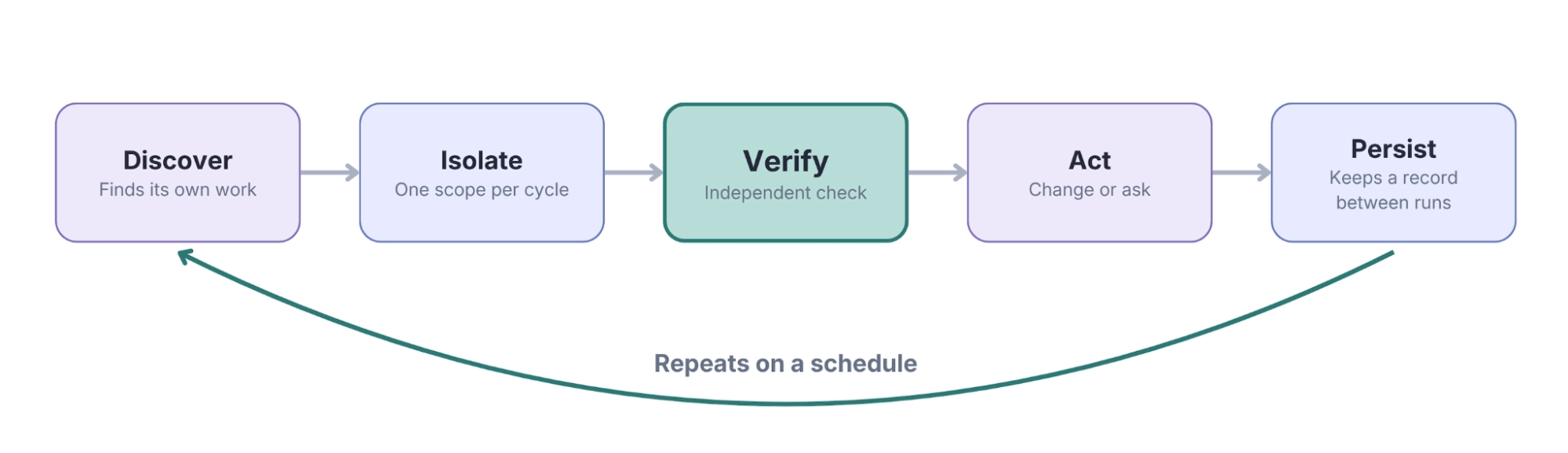
Landing page optimization (LPO) has emerged as a critical discipline within the broader spectrum of conversion rate optimization (CRO), focusing specifically on the post-click experience to ensure that marketing spend translates into tangible business outcomes. As digital acquisition costs continue to rise, the ability to refine the visitor experience on specific entry pages—whether the goal is a product purchase, a newsletter sign-up, or a demo booking—has become a primary lever for maintaining profitability. The process is defined by a continuous, data-driven loop: identifying where a page loses potential customers, implementing evidence-based fixes, and rigorously testing those changes before a full-scale rollout.
The Strategic Importance of Landing Page Diagnostics
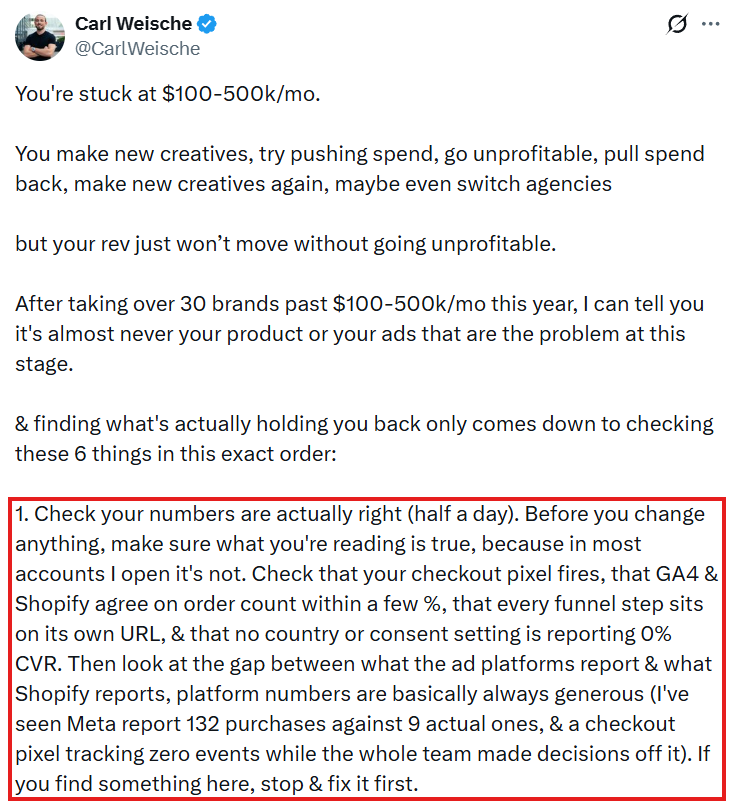
The initial phase of any optimization effort must be rooted in diagnostic precision. Industry experts, including Carl Weische, CEO of Accelerated, emphasize that the most common pitfall in digital marketing is acting upon inaccurate data. Before structural or aesthetic changes are made, organizations must verify the integrity of their tracking systems. This involves auditing Google Tag Manager (GTM) triggers, ensuring that "thank you" page redirects are not firing duplicate conversions, and confirming that bot traffic is filtered from the primary analytics view.
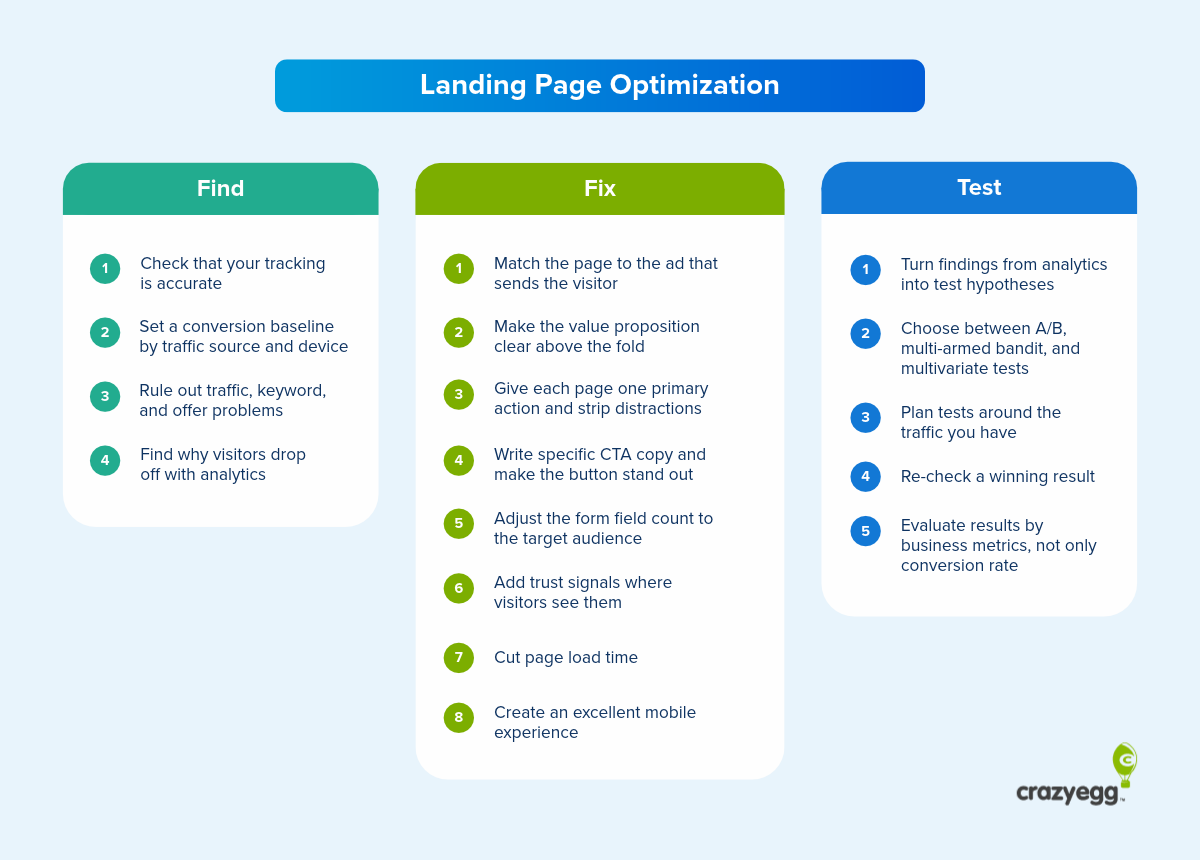
Once data integrity is established, marketers must set conversion baselines segmented by traffic source and device. According to the Unbounce 2024 SaaS Benchmark Report, landing page performance varies significantly across channels. Median conversion rates for email traffic hover around 16.9%, while paid search typically yields 4.1%, and paid social averages 2.9%. Display advertising often sees rates as low as 0.3%. Without this segmentation, a surge in low-intent display traffic could falsely suggest a decline in page performance, even if the page is converting high-intent search traffic more efficiently than before.
Identifying the Root Causes of Conversion Attrition
When a landing page fails to meet performance benchmarks, the cause usually falls into one of three categories: external traffic issues, offer misalignment, or internal page friction. Journalistic analysis of performance dips requires a systematic review of the following variables:
- Traffic Mix Shifts: If the overall conversion rate drops while individual source rates remain steady, the issue is likely a change in the proportion of high-intent versus low-intent visitors.
- Ad-to-Page Disconnect: A high bounce rate often indicates a "broken bridge" where the promise made in the advertisement (e.g., a specific discount or feature) is not immediately visible on the landing page.
- Keyword Irregularities: For organic traffic, tools like Google Search Console may reveal that a page is ranking for queries that do not align with the page’s actual intent.
- Offer Fatigue: If conversion rates fall across all channels simultaneously, it may indicate that a competitor has launched a superior offer or that the current value proposition has lost its market relevance.
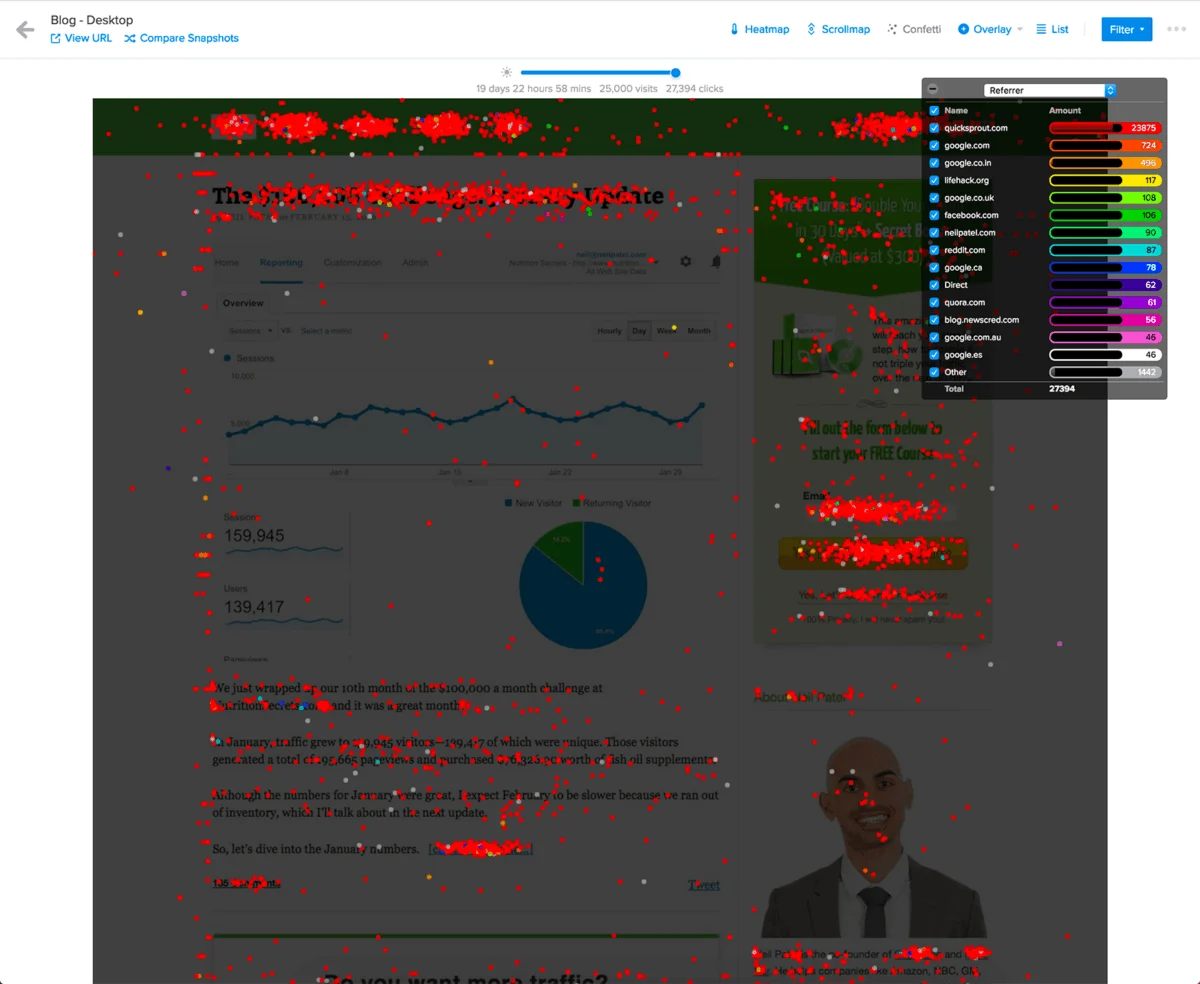
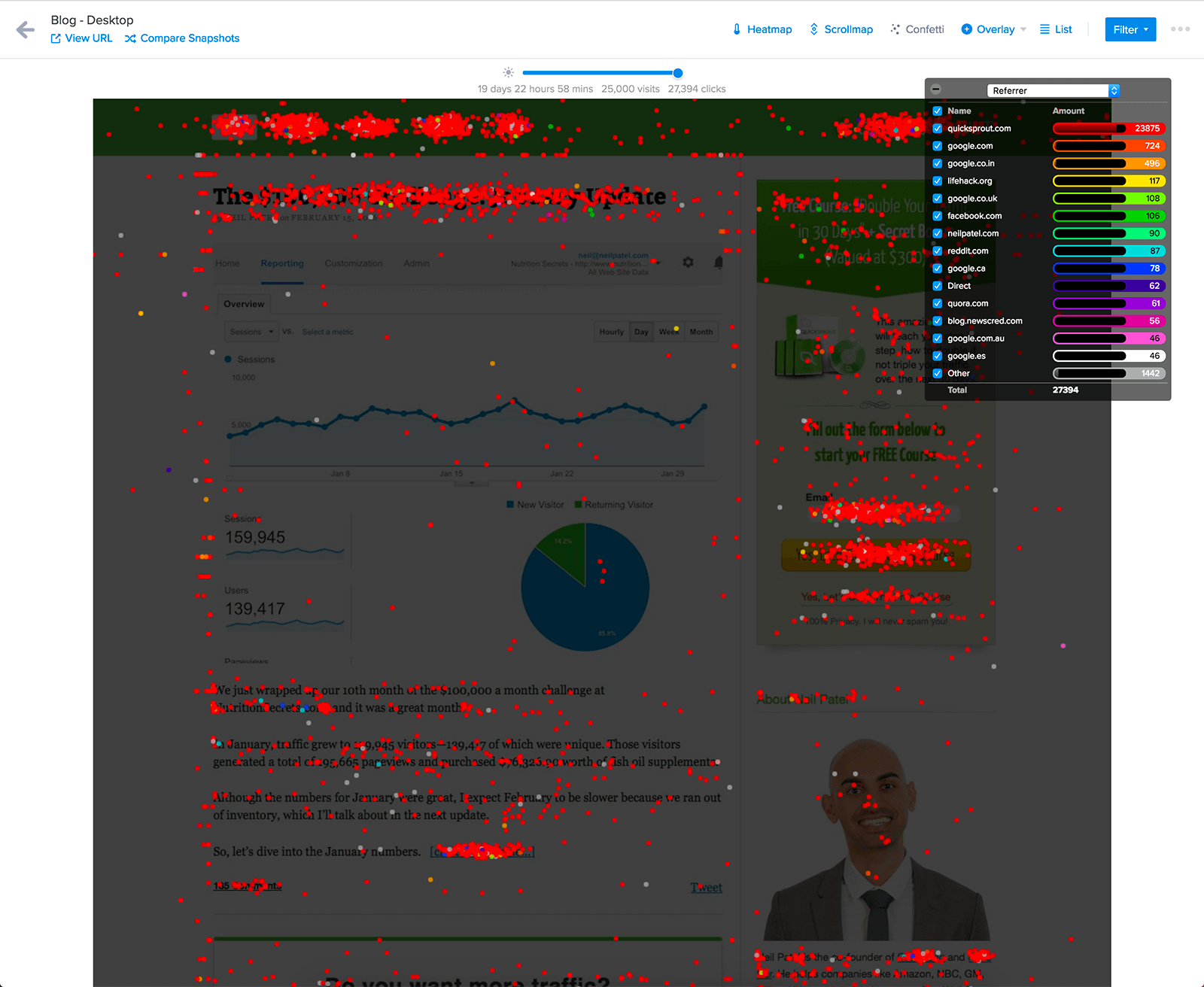
To move beyond quantitative data, behavioral analytics tools—such as heatmaps, scroll maps, and session recordings—provide qualitative insights into user frustration. Confetti maps, for instance, can identify "rage clicks" where users attempt to interact with non-clickable elements, while scroll maps highlight whether critical information is being buried too far down the page.
Eight Pillars of High-Converting Landing Page Design
The transition from diagnosis to implementation involves adhering to established psychological and technical best practices. These pillars focus on reducing cognitive load and building immediate trust with the visitor.
1. Maintaining Message Match
Google’s support documentation highlights that the relevance between an ad and its destination page is the primary driver of Quality Score and conversion probability. Message match ensures that the headline, imagery, and call-to-action (CTA) on the landing page are a direct reflection of the ad that preceded them.
2. Above-the-Fold Clarity
The "first screen" experience must answer four essential questions within seconds: What is the product? Who is it for? Why should the user care? What should they do next? A common industry standard is the "five-second test," where participants view a page briefly and then describe its purpose. If the value proposition is not clear without scrolling, the page is likely to suffer from high bounce rates.
3. Minimizing Friction and Distraction
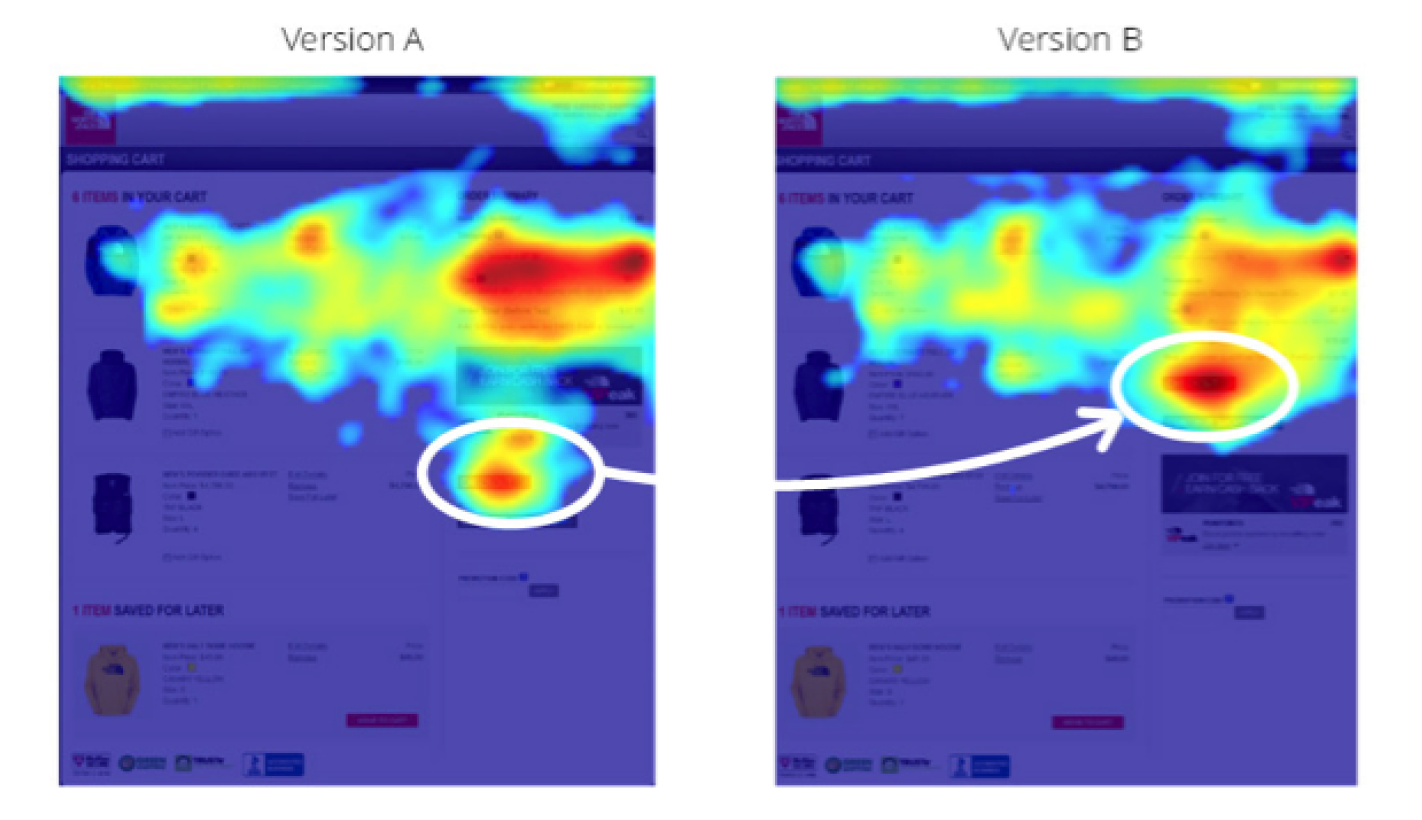
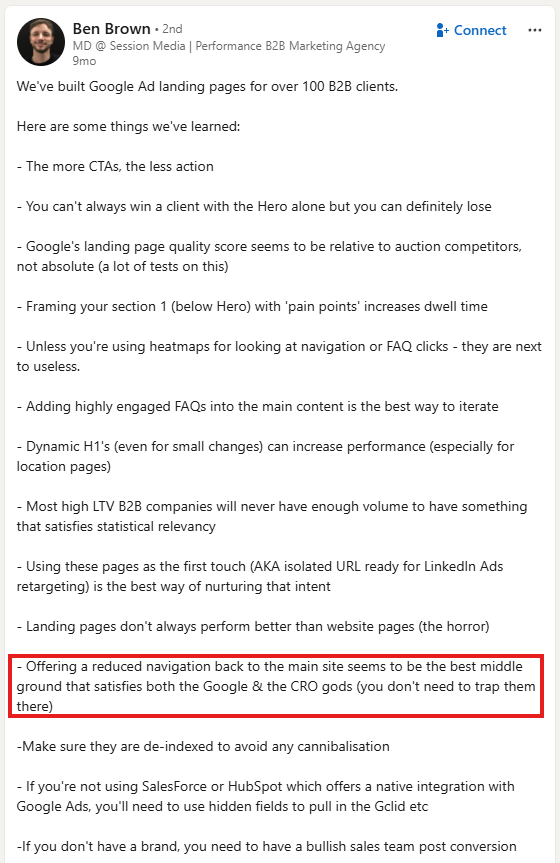
High-performance landing pages often utilize "reduced navigation." By removing the standard website header and footer, marketers can prevent visitors from wandering away from the primary conversion goal. A case study involving The North Face demonstrated that moving a checkout button above a distracting rewards banner increased conversions by 12%, illustrating how even small visual distractions can cannibalize sales.
4. Precision in CTA Copy
Generic buttons like "Submit" or "Click Here" are less effective than specific, benefit-oriented language. CTAs such as "Start My Free Trial" or "Get My Custom Report" provide clarity on the immediate outcome of the click. Visual hierarchy is also vital; the button must contrast with the background to be findable at a glance.
5. Optimizing Form Fields
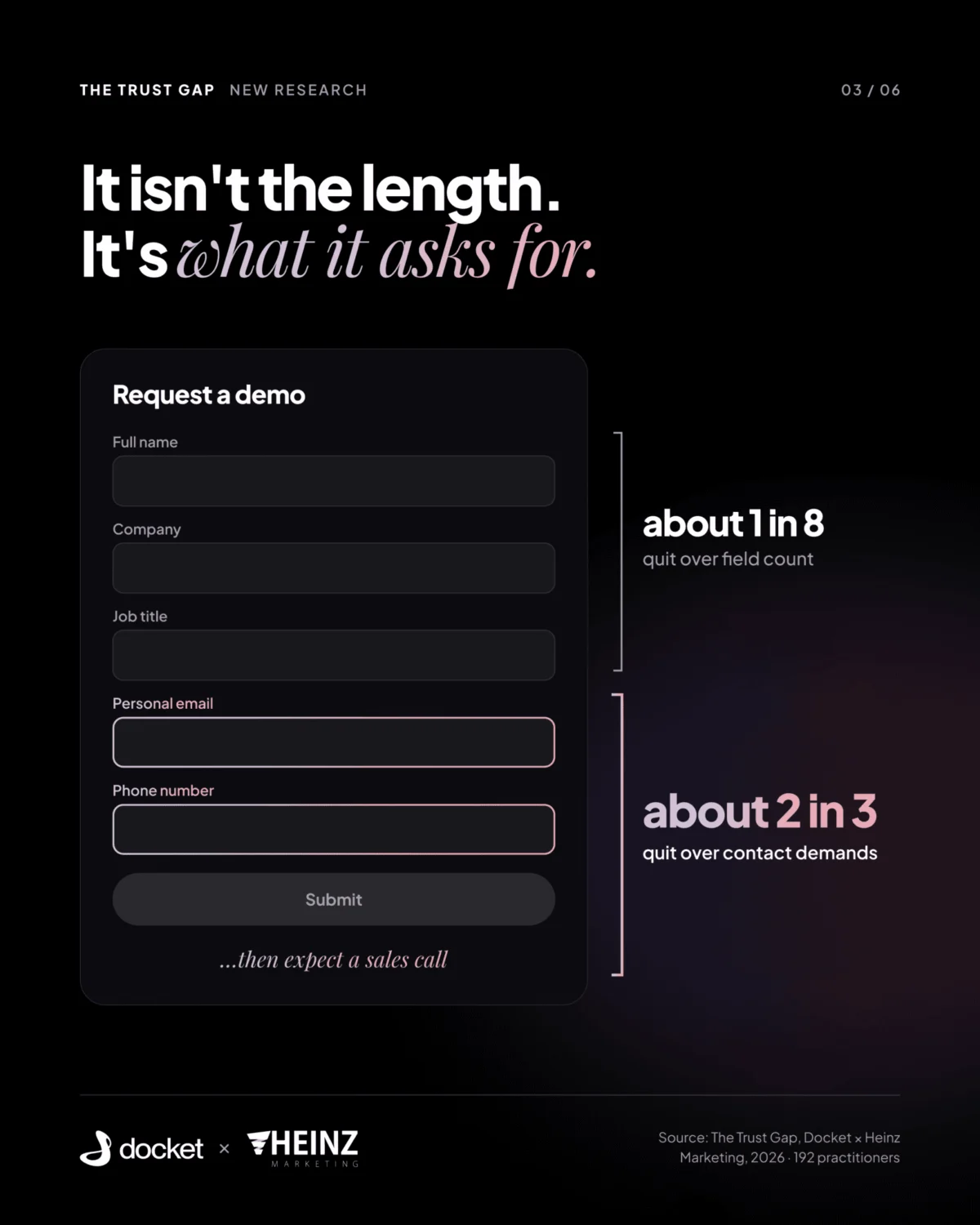
The number of fields in a lead generation form should be inversely proportional to the visitor’s intent level. While high-intent prospects might tolerate an eight-field form for a detailed software demo—as seen with firms like Loxo, which maintained a 33% conversion rate with longer forms—top-of-funnel offers generally require brevity. A 2024 study by Bacula Systems showed that removing just two qualifying questions increased software trial sign-ups from 2.4% to 3.44%.
6. Leveraging Strategic Social Proof
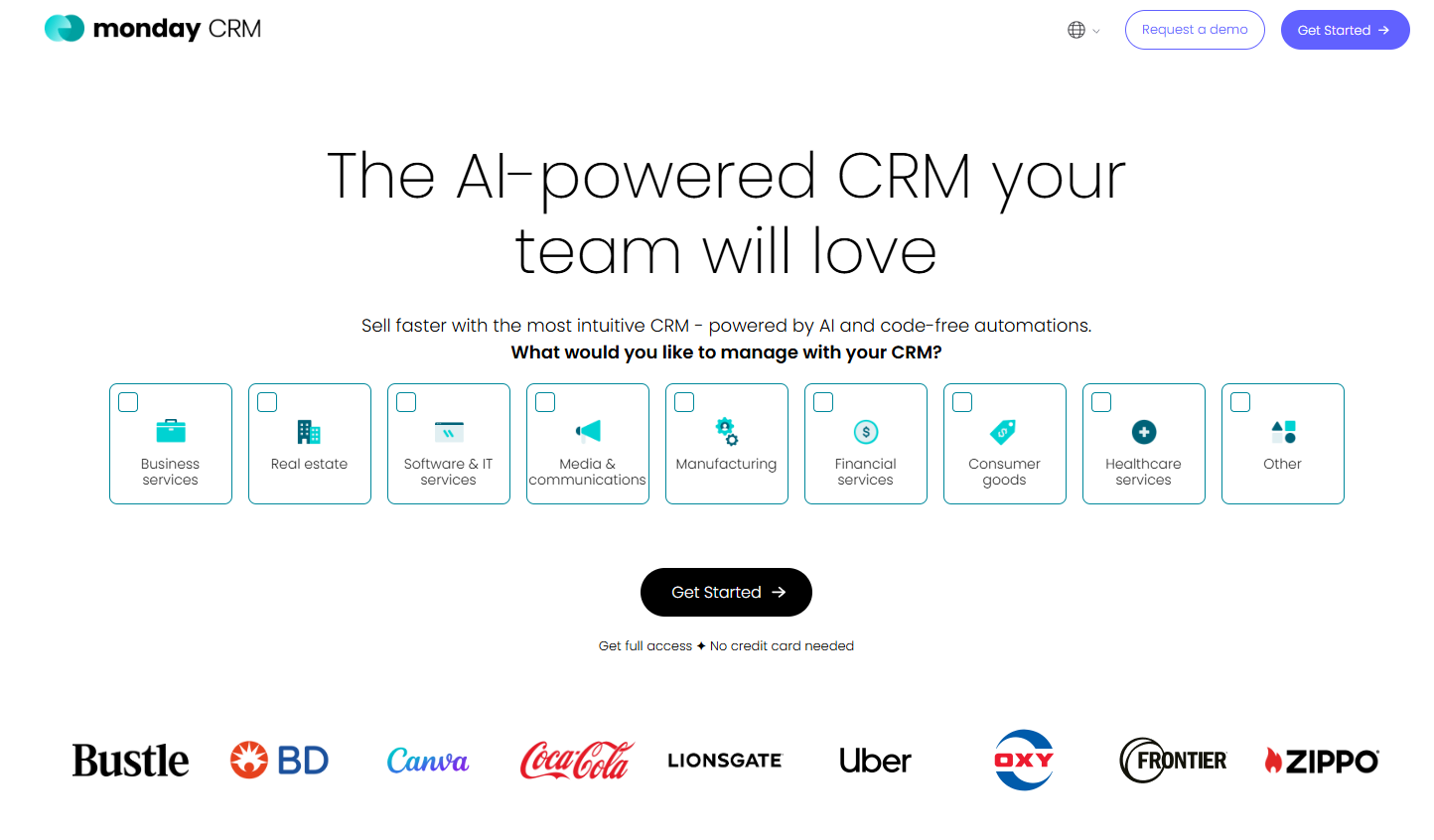
Trust signals, including testimonials, industry logos, and third-party certifications, should be placed near decision points. When the public radio station WUNC added a single testimonial to its sign-up page, conversion rates rose from 44.3% to 51.1%. The most effective social proof is specific, featuring names, titles, and quantifiable results.
7. Technical Performance and Load Speed
Site speed is no longer just a technical metric; it is a financial one. Research from Portent indicates that B2B sites loading in one second convert at three times the rate of those loading in five seconds. Adhering to Google’s Core Web Vitals—specifically a Largest Contentful Paint (LCP) of under 2.5 seconds—is essential for both user experience and search engine visibility.
8. Mobile-First Responsiveness
With mobile traffic frequently exceeding desktop volume, pages must be designed for "thumb-friendly" interaction. This includes ensuring buttons are large enough to tap easily and that forms do not trigger cumbersome auto-correct or zoom issues on mobile browsers.
The Testing Framework: Validating Hypotheses
The final phase of the optimization loop is rigorous testing. Marketers must resist the urge to implement "best practices" without local validation, as what works for one audience may fail for another.
Testing should begin with a formal hypothesis: "Because [Evidence], changing [Variable] will result in [Metric Improvement] for [Segment]." For high-traffic pages, A/B testing allows for a direct comparison between a control and a variant. For pages with lower traffic, "upstream metrics"—such as clicks on a form field rather than total form completions—can provide a faster indication of success.
The choice of testing methodology is also significant:
- A/B Testing: Ideal for comparing two distinct versions of a page.
- Multi-Armed Bandit (MAB): A dynamic approach that shifts traffic toward the winning variant in real-time, minimizing the "cost" of showing a losing version to visitors.
- Multivariate Testing: Useful for understanding how multiple elements (e.g., headline and button color) interact, though it requires significantly higher traffic volumes to reach statistical significance.
Broader Economic and Industrial Implications
The implications of landing page optimization extend beyond individual marketing campaigns. In an era of "agentic AI," tools are now emerging that can automate the entire LPO loop—analyzing behavior, generating recommendations, and designing variants autonomously. However, industry veterans caution that AI should be viewed as an accelerator rather than a replacement for human strategy.
Furthermore, the success of a landing page should ultimately be measured by business-level KPIs rather than surface-level conversion rates. A variant that generates more leads but lower-quality prospects is a net negative for a sales organization. Therefore, "guardrail metrics"—such as Average Order Value (AOV) for e-commerce or Lead-to-Qualified-Opportunity rates for B2B—must be monitored to ensure that optimization efforts are driving genuine growth.
In summary, landing page optimization is a sophisticated blend of data science, psychology, and technical engineering. By treating the landing page as a dynamic environment that requires constant diagnosis and refinement, organizations can significantly enhance their digital efficiency and maximize the return on their advertising investments.


 Siti Muinah