The modern B2B software-as-a-service (SaaS) landscape is facing a significant performance plateau as traditional lead generation tactics encounter an increasingly skeptical and well-researched buyer base. According to recent industry analysis, the primary friction point in the contemporary sales funnel is the "Request a Demo" call-to-action (CTA), which many marketing teams erroneously treat as a low-commitment engagement. As lead volumes fluctuate and sales departments report a decline in lead quality, a fundamental shift in how demo landing pages are constructed and targeted has become a necessity for sustained growth.
The Evolution of the B2B Buyer Journey
The complexity of the B2B purchasing process has reached unprecedented levels. Data from Dreamdata’s 2025 LinkedIn Ads Benchmark Report reveals that the average B2B customer journey now spans 211 days and requires approximately 88 distinct touchpoints before a transaction is finalized. This elongated timeline reflects a broader trend toward "self-serve" research, where buyers prefer to remain anonymous until they have reached a high level of confidence in a solution.
Historically, the demo request was viewed as a middle-of-the-funnel activity. However, in the current market, it has shifted to a late-stage conversion event. Only an estimated 3% to 5% of a given market is in an active buying cycle at any specific time. Despite this, many marketing departments continue to allocate significant portions of their budgets toward "cold" demo ads, attempting to force a high-friction interaction—booking time with a sales representative—on prospects who have not yet established trust with the brand.
The Strategic Framework: The "Core Four" Landing Page Model
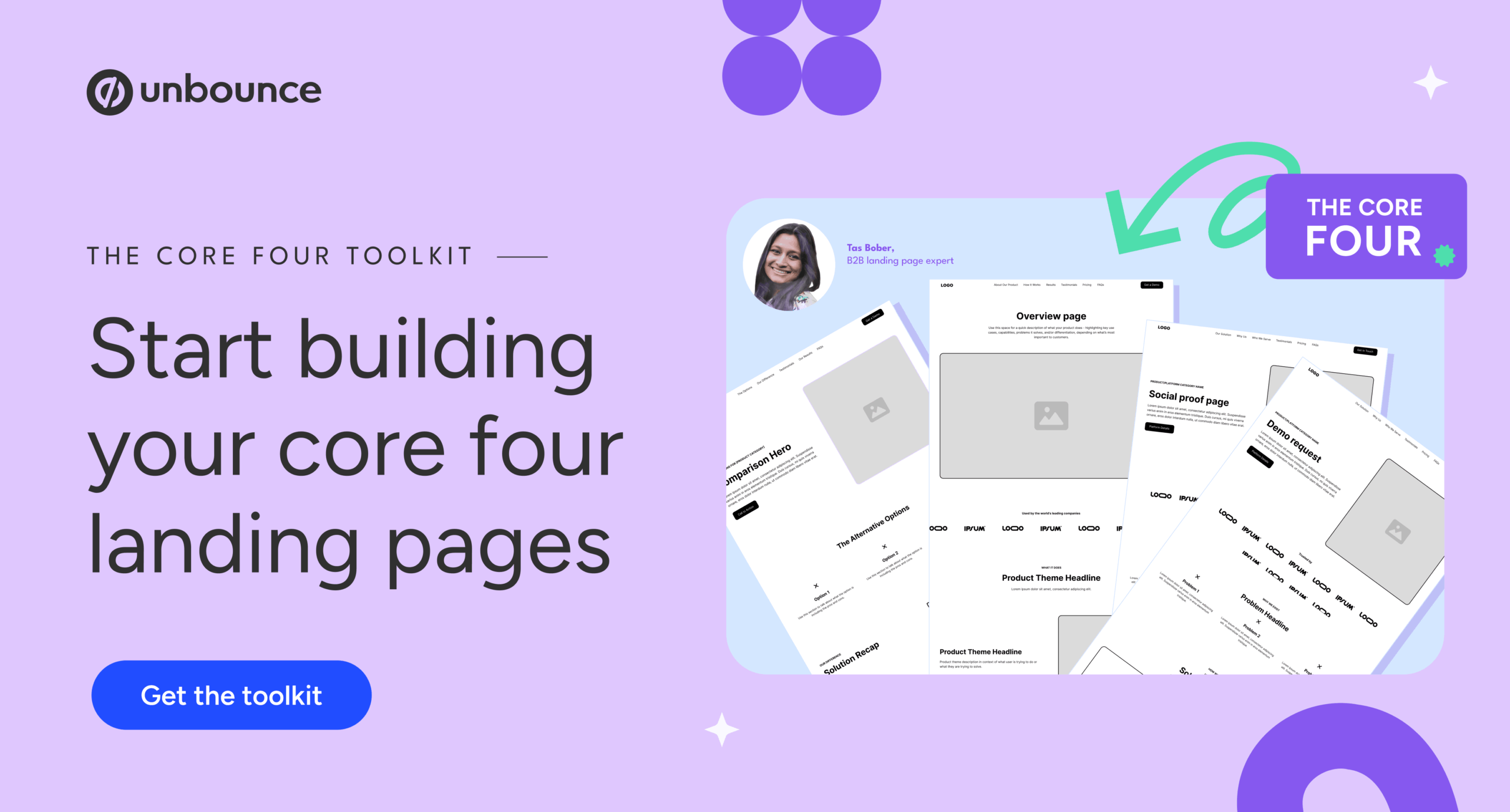
To address the disconnect between buyer readiness and marketing CTAs, industry experts, including B2B landing page specialist Tas Bober, have advocated for a "Core Four" framework. This model suggests that a demo landing page should not exist in isolation but should be the final destination in a sequence of four specialized landing pages:
- Educational/Top-of-Funnel (TOFU): Focused on problem identification and industry insights.
- Solution/Middle-of-Funnel (MOFU): Highlighting how a specific category of software solves the identified problem.
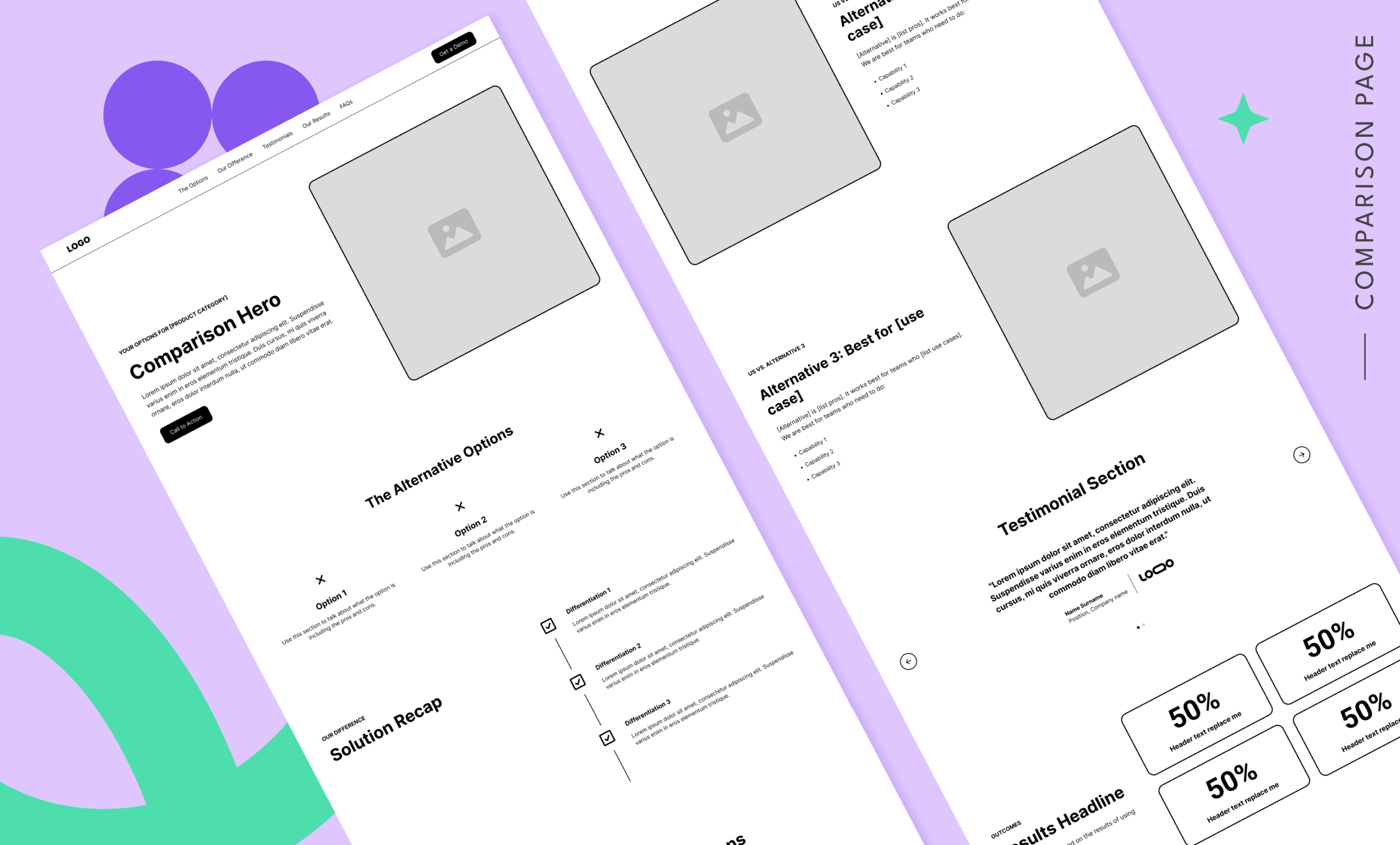
- Product/Comparison: Detailing the specific features and how they stack up against competitors.
- Demo/Bottom-of-Funnel (BOFU): The final conversion point for high-intent, well-researched buyers.
By the time a prospect arrives at the demo landing page, they should already understand the product’s value proposition and core functionality. The purpose of the page is no longer to introduce the software but to confirm that a conversation with sales is a valuable use of the buyer’s time.
Benchmarking Performance in 2026
Conversion benchmarks for SaaS landing pages have seen a slight contraction as the market matures. The Unbounce 2024 Conversion Benchmark Report indicated a median conversion rate of 3.8% for SaaS pages. However, first-party research from 2025 and 2026 suggests that for demo-specific pages, the realistic benchmark often hovers between 3.1% and 3.4%.
These figures are highly dependent on traffic quality. Pages receiving "warm" traffic—such as visitors from brand search queries, retargeting campaigns, or high-intent SEO keywords—frequently outperform these averages. Conversely, pages reliant on cold social media traffic often hit a performance ceiling regardless of design optimizations, as the visitors are simply not yet "demo-ready."
Critical Components of a High-Converting Demo Page
To mitigate buyer hesitation, the modern demo landing page must prioritize transparency and proof. Several key blocks have been identified as essential for reducing friction:
Navigation and the Google 2025 Update
A significant shift in landing page philosophy occurred following Google’s 2025 update to its ad quality prediction model. Previously, marketers were encouraged to remove all navigation links to prevent "leakage." However, Google now rewards pages that provide relevant next steps. For demo pages, this means including "anchor" navigation that allows users to jump to specific sections (like pricing or FAQs) and minimal footer links to other "Core Four" pages. This prevents the "back-button" bounce, keeping the user within the brand’s ecosystem even if they aren’t ready to book a demo immediately.

The Hero Section and Process Transparency
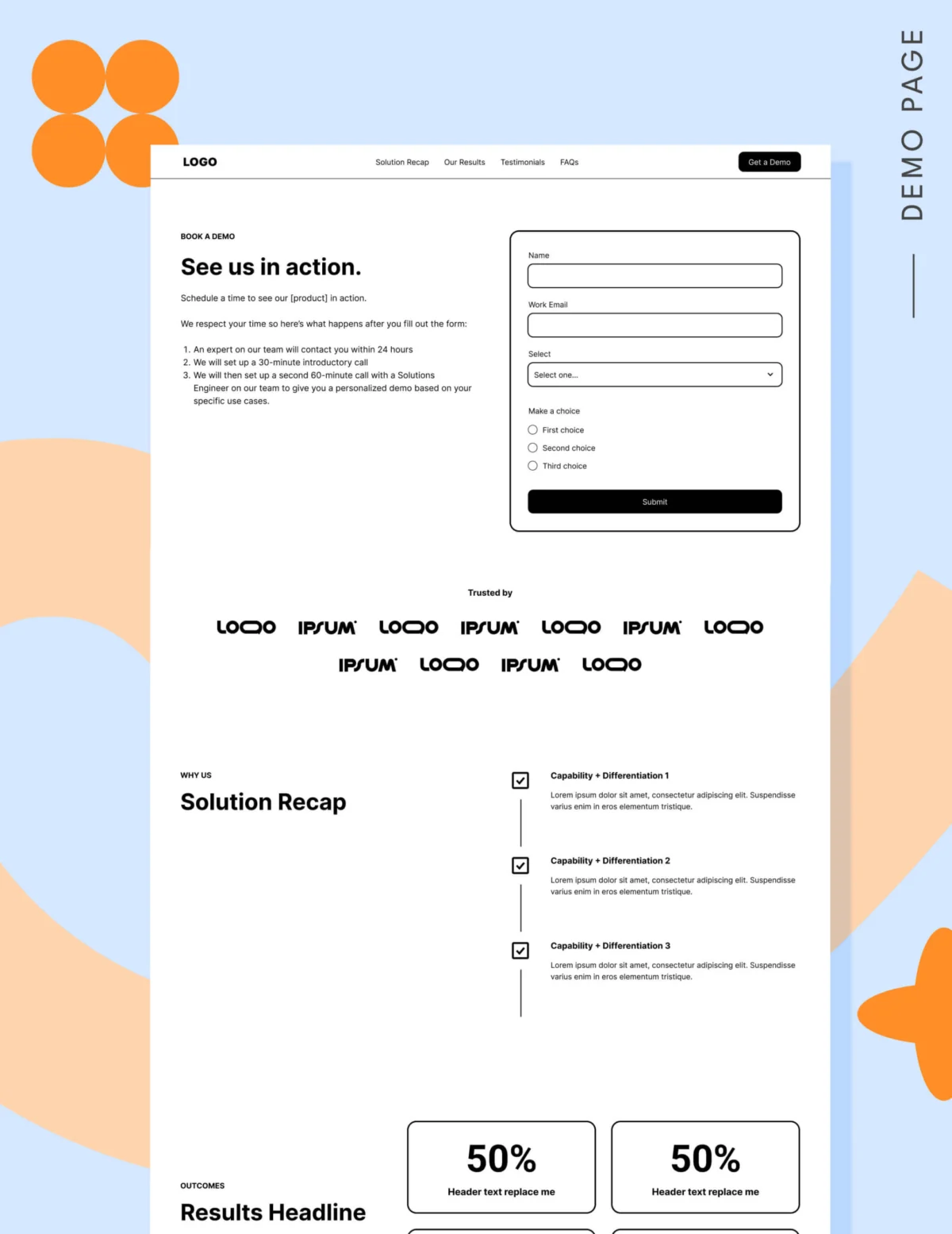
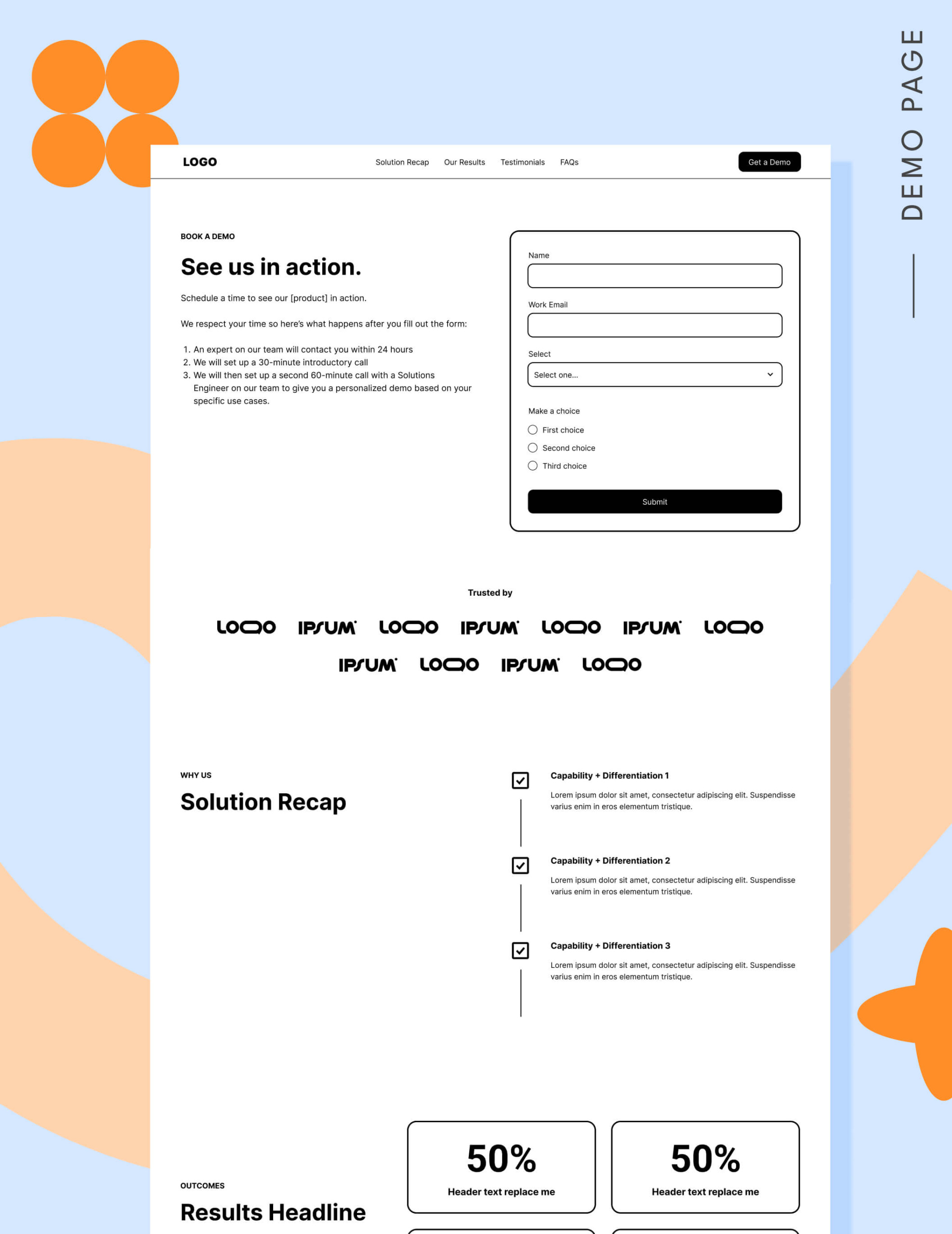
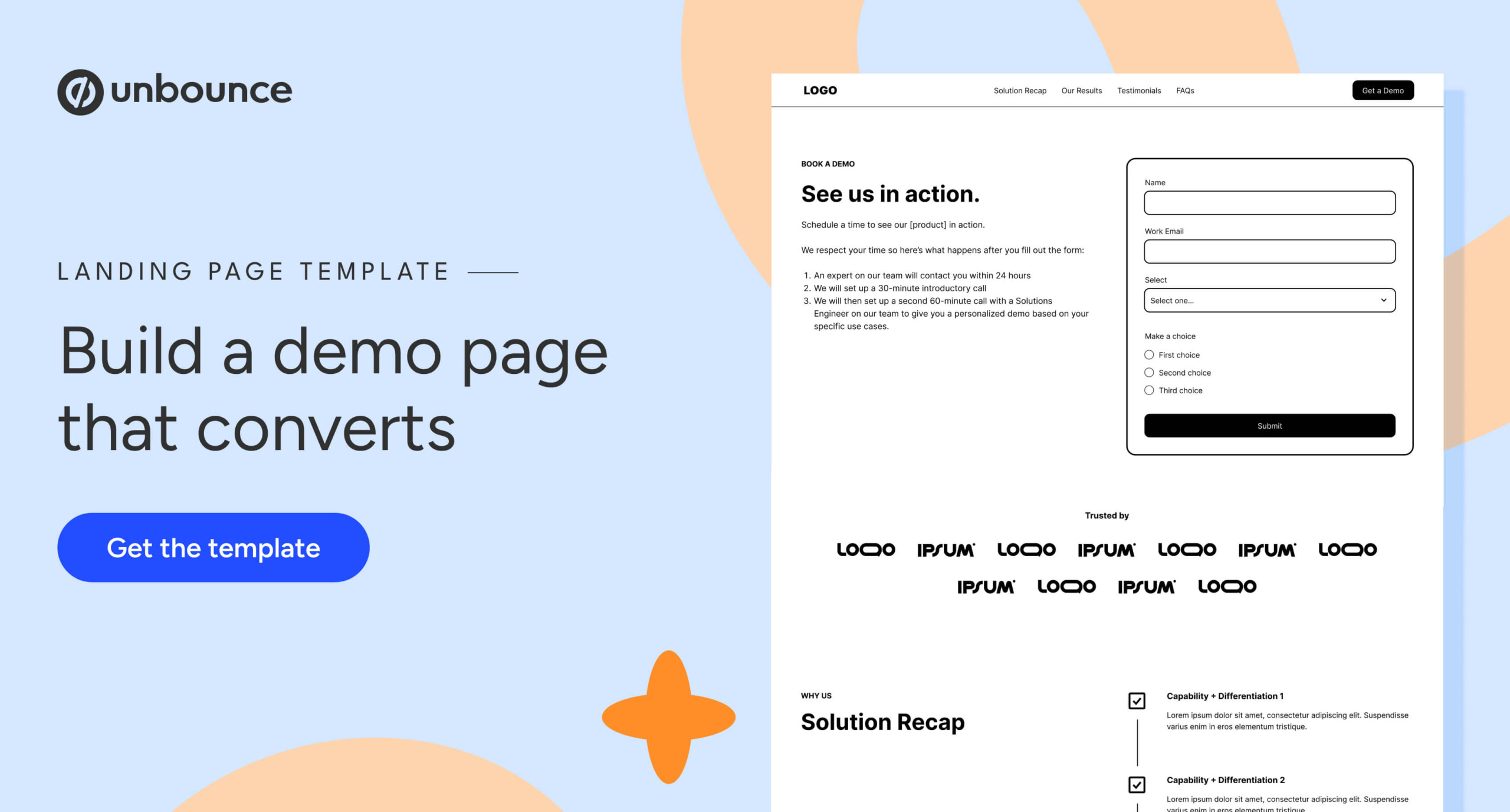
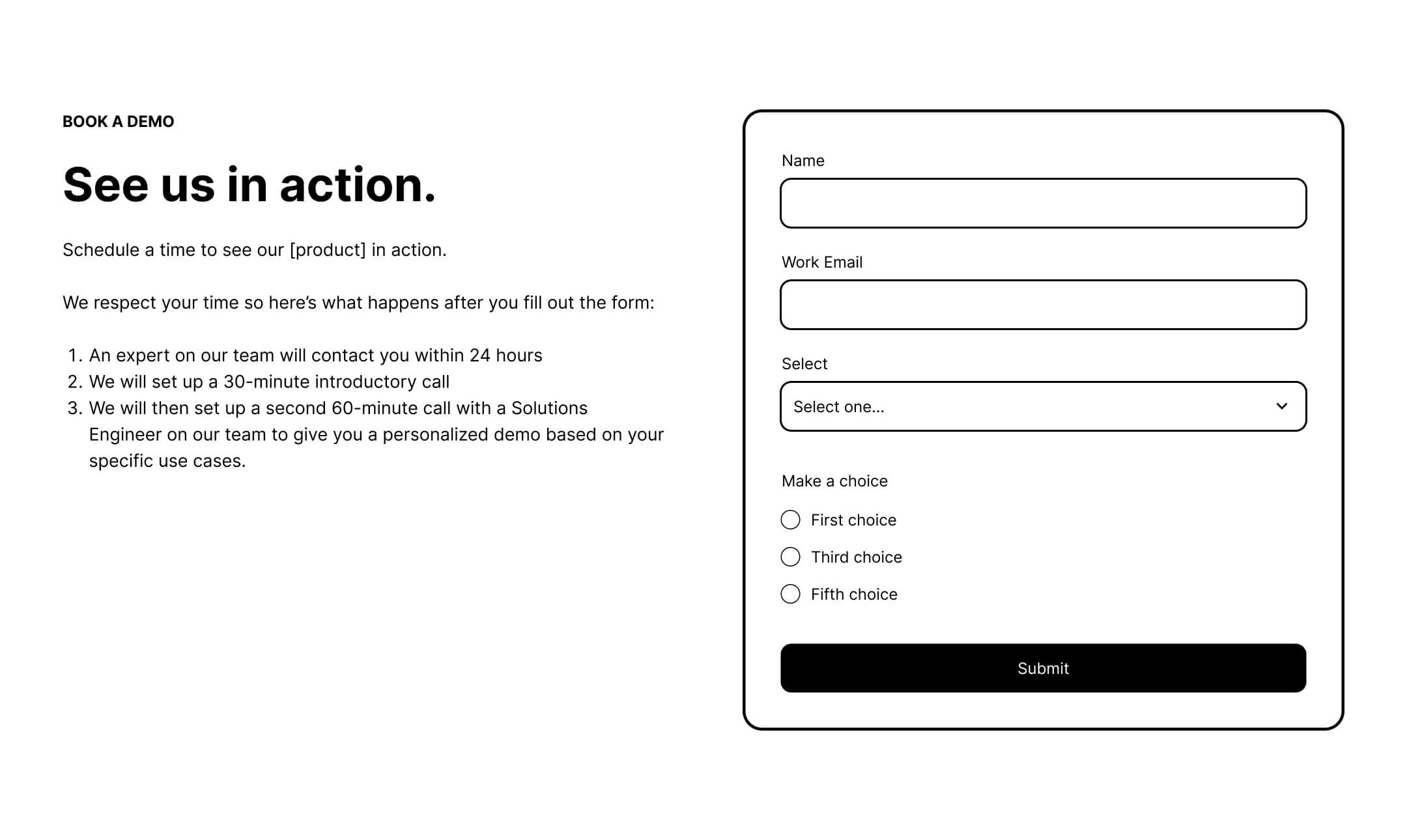
The hero section remains the most critical real estate. Unlike other landing pages, placing the form "above the fold" is recommended for demo pages because the intent of the visitor is already high. However, the copy must do more than ask for a meeting; it must explain the process. Buyers often fear that a demo request will trigger an aggressive, unceasing sales pursuit. High-performing pages now include a "What Happens Next" checklist in the hero, detailing:
- Who the buyer will speak with (e.g., an Account Executive vs. a Sales Development Rep).
- The duration of the initial call (e.g., a 15-minute discovery call).
- The expected outcome (e.g., a customized platform walkthrough).
The Role of Social Proof and "Logo Gardens"
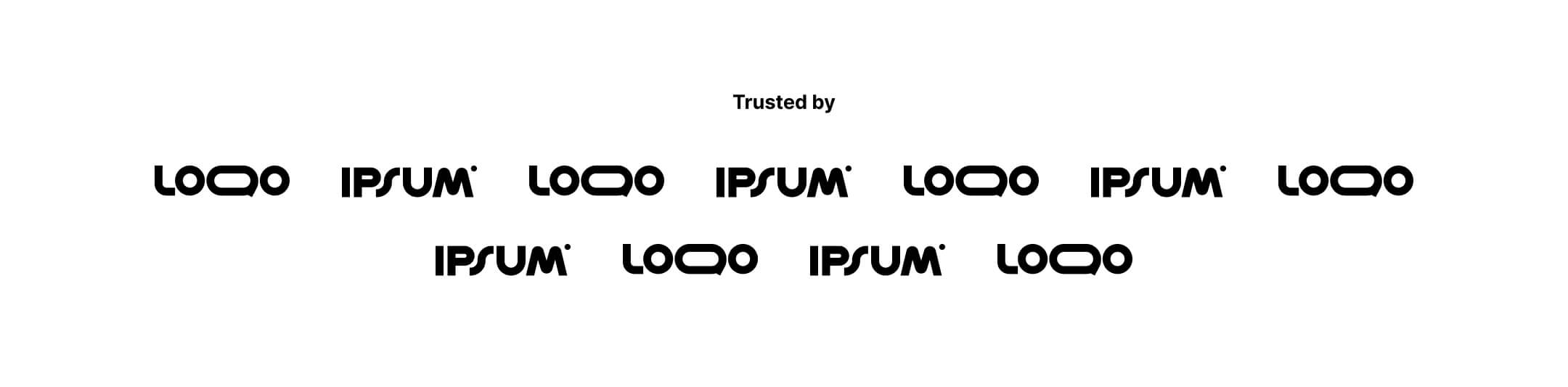
Social proof is no longer just about displaying logos of Fortune 500 companies. While "logo gardens" build initial credibility, the inclusion of 6 to 12 detailed testimonials or quantifiable results is now standard. Buyers look for "people like them"—peers in the same industry facing the same challenges. Measurable results (e.g., "Reduced churn by 15% in 90 days") carry more weight than vague praise.
The Pricing Transparency Debate
One of the most contentious issues in SaaS marketing is whether to display pricing on a demo request page. Traditionally, sales-led organizations withheld pricing to maintain leverage during negotiations. However, in 2026, the lack of pricing is increasingly viewed as a red flag by buyers.
Including a "starting at" price or a condensed pricing grid serves several functions:
- Self-Qualification: It prevents low-budget leads from wasting the sales team’s time.
- Trust Building: It signals that the company is confident in its value and is not hiding costs.
- Friction Reduction: It answers one of the buyer’s most pressing questions before they even speak to a human.
Even for enterprise-grade software with complex configurations, providing a "starting range" has been shown to improve lead quality and increase the conversion rate of qualified prospects.
Form Optimization and Lead Capture Mechanics
The mechanics of the lead capture form itself are a primary driver of conversion drop-off. Data from 2026 indicates a sharp decline in completion rates once a form exceeds five fields.
- 3-5 Fields: Average 17% conversion rate.
- 7 Fields: Average 11% conversion rate.
- 10+ Fields: Conversion rates typically fall below 7%.
The strategic use of "positive friction"—adding one or two highly specific qualifying questions (such as company size or primary use case)—is often worth the slight drop in volume if it significantly improves lead quality for the sales team.
Furthermore, the choice between a static form and an automated scheduling tool like Calendly depends on the sales motion. Direct scheduling is highly effective for high-intent, qualified traffic, but it can lead to "calendar chaos" if applied to lower-intent traffic sources. Many firms are now experimenting with a hybrid approach: a short qualifying form that redirects "ideal" leads to a scheduling page while sending others to a standard "we’ll contact you" confirmation.
The Psychological Shift: From "Demo" to "Tour"
A notable trend in late 2025 and early 2026 is the rebranding of the "Request a Demo" CTA. Companies that have changed their language to "Take a Tour" or "See it in Action" often report higher engagement. For instance, the software company FORM reported a 33% increase in PPC conversions after switching to "Take a Tour" and incorporating an interactive, self-guided demo on the landing page before the final form.
This shift acknowledges the buyer’s desire for autonomy. By offering a "softer" path—such as a recorded weekly demo webinar or an interactive product tour—companies can engage prospects who are not yet ready for a 1:1 sales call, eventually nurturing them into high-intent demo requests.
Implications for the Future of SaaS Growth
The data suggests that the era of "brute-force" lead generation is ending. As the cost per lead (CPL) in traditional channels like LinkedIn and Google continues to rise, the efficiency of the demo landing page becomes a critical factor in a company’s Customer Acquisition Cost (CAC) to Lifetime Value (LTV) ratio.
Marketing and sales alignment is no longer a luxury but a functional requirement. If a marketing team promises a "20-minute consultation" on a landing page, but the sales team delivers a 60-minute hard-sell pitch, the brand trust is immediately eroded, leading to lower close rates and higher churn.
In conclusion, the success of a SaaS demo landing page in 2026 is determined long before the visitor clicks the CTA. It is the result of a disciplined targeting strategy that focuses on warm traffic, a page design that prioritizes transparency and social proof, and a fundamental respect for the buyer’s time and research process. Organizations that view the demo page as a tool for buyer empowerment, rather than just a lead capture trap, are positioned to lead the next cycle of SaaS market expansion.