The landscape of digital communication has undergone a fundamental transformation as artificial intelligence agents increasingly serve as the primary gatekeepers between brand messaging and consumer discovery. In what industry experts are characterizing as the "second golden age" of content marketing, the year 2026 has marked a definitive shift in how information is produced, verified, and disseminated. While initial fears suggested that generative AI would render human content creators obsolete, the reality has proven to be the opposite; the rise of AI answer engines has placed a premium on high-quality, human-led storytelling and corroborated data. Marketers are no longer optimizing solely for human readers or traditional search engine algorithms; they are now writing for a sophisticated ecosystem of Large Language Models (LLMs) and AI agents that prioritize credibility and cross-platform consistency above all else.
The Paradigm Shift: From Generative Automation to AI Curation
The transition into this new era of digital marketing has occurred in two distinct phases. The first era, which dominated the early 2020s, was defined by a surge in AI-generated "commodity content." During this period, businesses utilized tools to mass-produce blog posts and social media updates, leading to a saturated market of predictable, repetitive, and often uninspired text. However, as consumers and AI algorithms alike became more adept at identifying and discounting low-effort synthetic content, this phase began to wane.
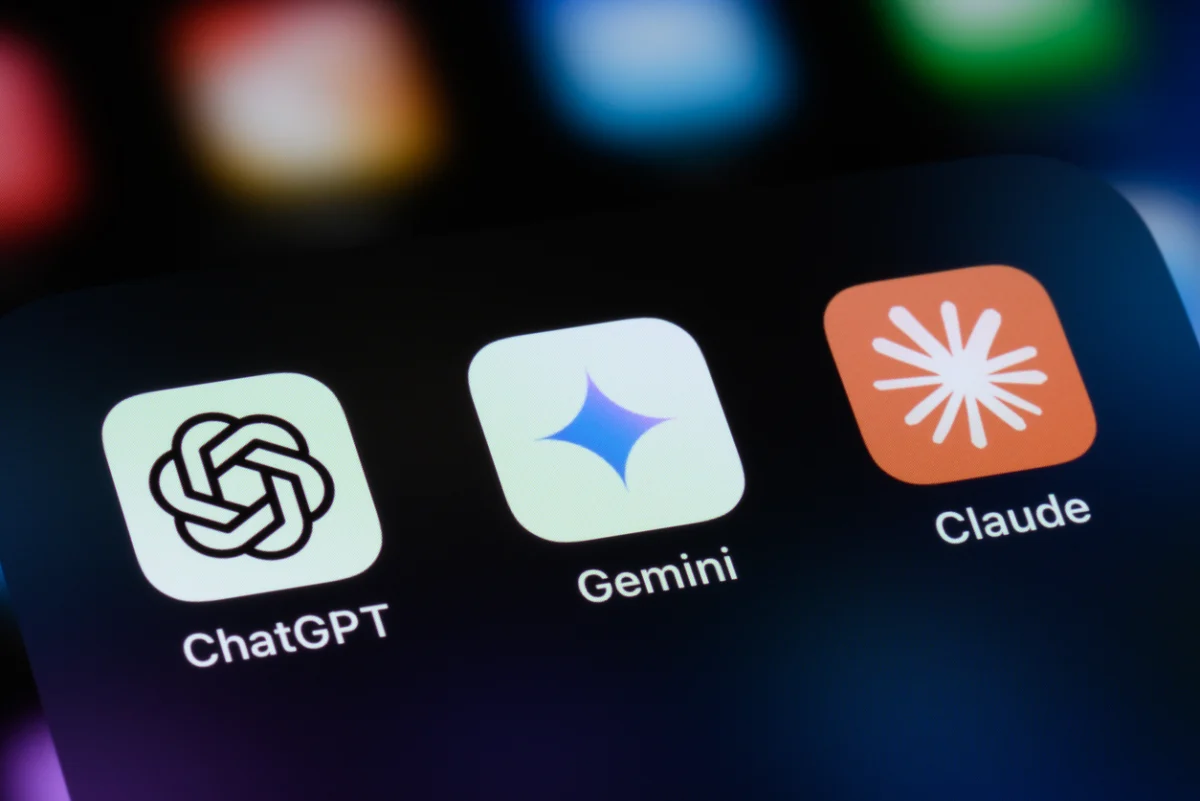
The second and current era is defined by the emergence of AI agents as active curators. Rather than simply generating text, these agents—integrated into platforms like Perplexity, OpenAI’s SearchGPT, and Google’s Gemini—act as researchers. They scan the digital "ether" to determine which brands are trustworthy and which answers are most accurate. For content marketers, this shift has validated the long-standing principles of clear copywriting, earned media, and integrated communication strategies. The role of the marketer has evolved from a volume producer to a "visibility engineer," tasked with ensuring that AI agents find enough corroborated evidence to cite a brand as a definitive source.
A Chronological Timeline of Content Marketing Evolution
To understand the current state of the industry, it is essential to trace the trajectory of content marketing over the last decade:
- 2015–2020: The SEO Dominance Era. Content was largely driven by keyword density and backlink profiles. Brands focused on "gaming" the Google algorithm to appear on the first page of search results.
- 2021–2023: The Generative Explosion. The public release of advanced LLMs led to a focus on efficiency. Marketing departments experimented with AI to reduce costs, often at the expense of original thought.
- 2024–2025: The Trust Crisis. A flood of AI-generated misinformation led to a decline in consumer trust. Search engines began implementing "SGE" (Search Generative Experience), prioritizing direct answers over website links.
- 2026: The Age of Visibility Engineering. The industry adopts the PESO Model® (Paid, Earned, Shared, Owned) as a framework for AI optimization. The focus shifts to "corroboration," where AI agents require multiple sources to verify a brand’s claims before citing them in an answer.
Supporting Data: The Value of AI Citations
Recent market analysis indicates a significant shift in consumer behavior and its impact on brand ROI. According to 2025-2026 industry reports, nearly 60% of consumers now prefer receiving direct answers from AI interfaces rather than browsing through traditional search engine result pages (SERPs). However, this convenience comes with a caveat: consumers report a 40% higher trust level in AI-provided answers when the AI cites a reputable third-party news source or a specialized trade publication as its reference.
Furthermore, data from Emarketer suggests that traditional advertisements within AI search results are often viewed with skepticism. Approximately 70% of users believe that sponsored placements undermine the objectivity of an AI’s response. This has led to a 25% increase in corporate spending on earned media and strategic PR, as brands realize that being "organically" cited by an AI agent is more valuable than a paid placement.
The PESO Model as a Framework for AI Discovery
The resurgence of content marketing is deeply rooted in the PESO Model®, a strategic framework popularized by Gini Dietrich. In the context of AI agents, each component of the model serves a specific function in building the "trust graph" that AI uses to evaluate a brand.
Owned Media: The Anchor Hub
In 2026, the "anchor hub" has become the most critical asset for any brand. This is a comprehensive, authoritative page on a company’s website that serves as the definitive guide to its core topic. AI agents prioritize content that provides "answer-first" copy—concise, direct responses to potential user queries located immediately under headings. If a brand’s owned media is fragmented or vague, AI agents will likely bypass it in favor of a competitor that offers clearer definitions and structural data.
Earned Media: The Resurrection of PR
Perhaps the most surprising development of the AI era is the revitalization of media relations. AI models are trained to look for corroborated information. When a brand’s news or expertise is featured in a reputable publication, it provides the AI with the "proof" it needs to cite that brand. Industry experts note that trade and B2B publications are currently seeing a higher rate of AI citation than some general high-authority news sites because LLMs prioritize niche specificity and corroboration over mere domain authority.
Shared Media: Social Signals as Data Points
Social media has transitioned from a purely human-to-human interaction space to a data repository for AI. AI agents now monitor "shared media" to gauge the relevance and sentiment of a brand. Strategies that focus on keyword-rich captions, consistent posting, and high engagement levels signal to the AI that a brand is a current and active participant in its industry’s discourse.
Paid Media: The Signal of Reach
While paid ads in AI interfaces face trust issues, paid media remains a vital component of an integrated strategy. Paid amplification ensures that a brand’s owned and earned content reaches a wider audience, thereby increasing the number of digital "touchpoints" an AI agent can find. In 2026, paid media is used less for direct conversion and more as a catalyst for visibility and authority.
Official Responses and Industry Analysis
The shift toward AI-centric content marketing has prompted reactions from major corporate players and educational institutions. The Wall Street Journal recently reported a significant uptick in the hiring of "strategic storytellers" within Fortune 500 companies. These roles are designed to bridge the gap between technical SEO and creative brand narrative, ensuring that a company’s story is told consistently across all channels.
"The AI agent is essentially a ‘monkey in the middle’ between us and our customers," says a spokesperson for a leading digital marketing agency. "Our job is no longer just to speak to the customer; it is to convince the agent that we are the most reliable source of information available. This requires a level of consistency that many brands have historically lacked."
Analysts suggest that the greatest risk to brands in 2026 is "translation noise." This occurs when a company’s website says one thing, its social media says another, and its press releases offer a third variation. To a human, these are minor discrepancies; to an AI agent, they are red flags that indicate a lack of reliability.
Broader Impact and Future Implications
The long-term implications of this shift suggest a move toward a more "integrated" marketing department. The silos between PR, social media, and web development are collapsing, as the AI’s need for consistency demands a unified voice.
Moreover, the "Second Golden Age" of content marketing is democratizing visibility to some extent. While large budgets still provide an advantage, the AI’s reliance on corroboration and clear, factual answers allows smaller, more authoritative brands to outcompete larger corporations that rely on generic, mass-produced content.
As AI technology continues to evolve, the demand for human expertise in "Visibility Engineering" will only grow. The brands that succeed in the latter half of the 2020s will be those that view AI not as a tool for replacing human creativity, but as a sophisticated audience that requires clarity, honesty, and a well-corroborated story. The written word, far from being dead, has become the primary currency of trust in a world governed by algorithms.