Instapage, a pioneer in landing page technology since 2012, has officially announced the transition of its service architecture into a comprehensive, end-to-end AI-powered marketing platform. This strategic pivot marks a significant evolution for the company, which rose to prominence as a top-rated landing page builder before expanding into a multi-faceted Conversion Rate Optimization (CRO) and marketing suite. The latest updates integrate artificial intelligence across the entire campaign lifecycle, from initial page generation to automated lead follow-up and performance scaling. By embedding AI into every stage of the creative and analytical process, Instapage aims to address the persistent challenges of tool fragmentation and the high overhead costs associated with modern digital marketing.
The Evolution of Landing Page Technology and the Shift Toward Integrated AI
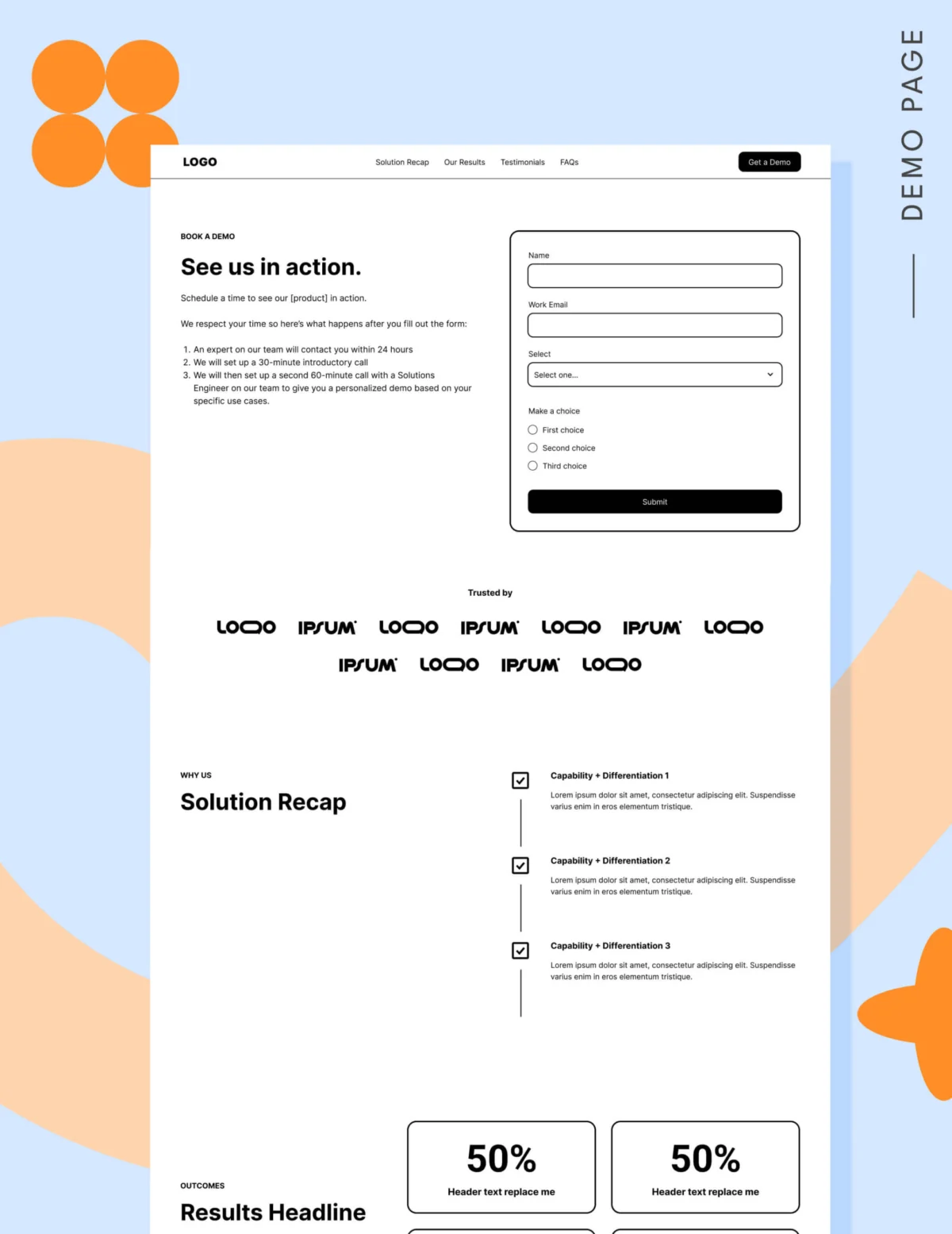
Since its inception over a decade ago, Instapage has focused on reducing the technical barriers to entry for high-converting digital marketing. The platform originally gained market share by offering a "pixel-perfect" drag-and-drop builder that allowed marketers to bypass traditional development bottlenecks. Over time, the company expanded its ecosystem to include personalization tools, experimentation features (such as A/B testing), heatmaps, and advanced analytics.
The current shift toward a generative AI-centric model represents the next phase of this chronology. In the early 2020s, the company began embedding AI copy tools to assist with content creation. This has now culminated in a 2026 roadmap where AI serves as the foundational layer for page architecture, email sequencing, and organizational "Collections." This transition reflects a broader trend in the Software as a Service (SaaS) industry, where standalone tools are being replaced by unified platforms that leverage large language models (LLMs) to automate repetitive design and communication tasks.
Addressing the "Blank Page" Barrier with Generative Design
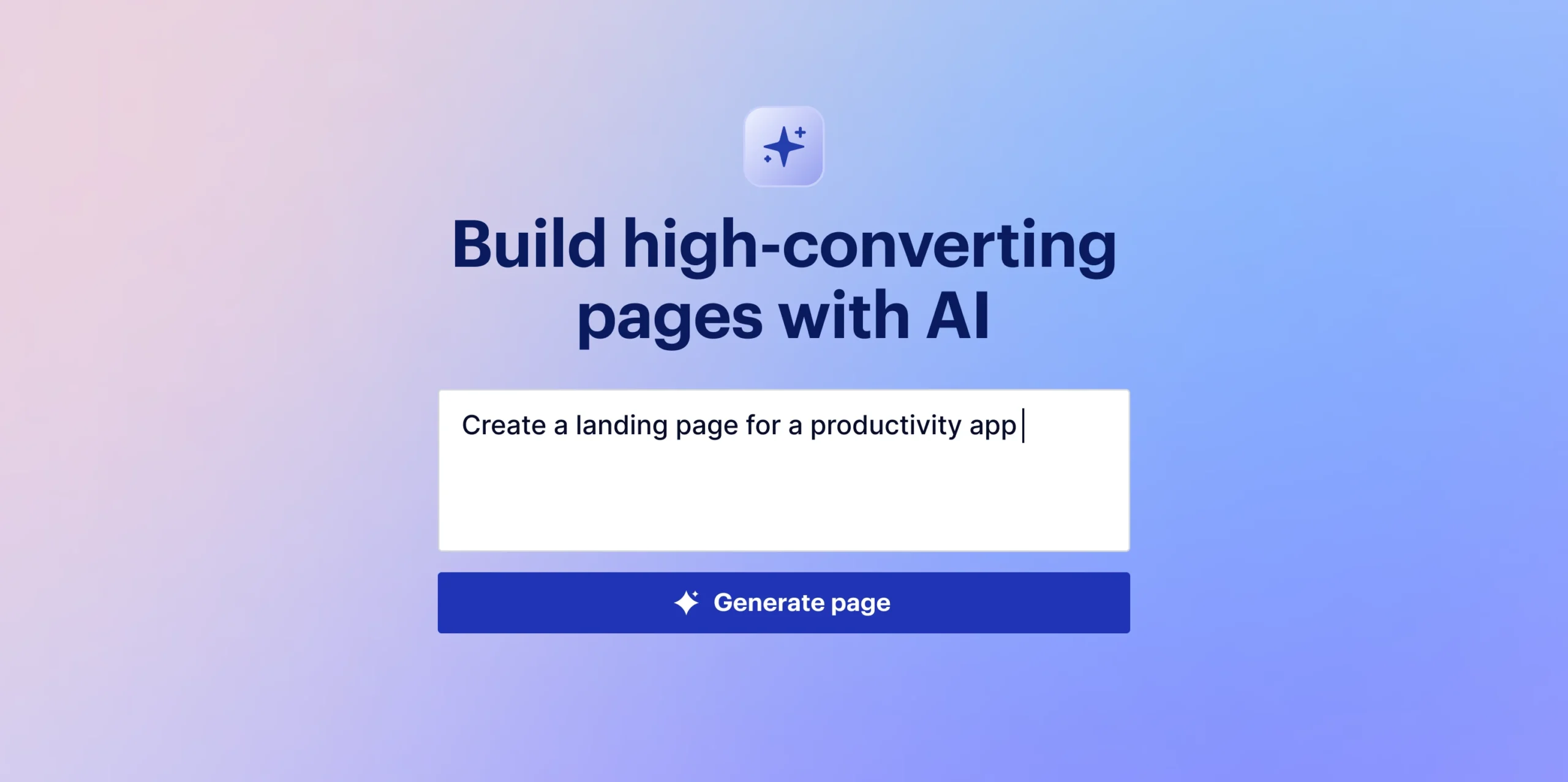
One of the primary friction points in digital marketing is the transition from conceptualization to execution. Industry data suggests that the "blank page syndrome" can delay campaign launches by days or even weeks, as creative teams struggle to align copy, layout, and user experience (UX) design. Instapage’s new AI page generation tool seeks to eliminate this delay by allowing users to describe their goals in natural language.
Unlike many standalone AI design tools that generate static images or rigid templates, the Instapage solution produces a fully editable, conversion-ready page in seconds. The AI selects the optimized layout based on historical CRO data and populates it with tailored messaging. A critical distinction in this rollout is the integration with the platform’s existing visual builder. While many generative tools require users to "re-prompt" or regenerate an entire page to make minor adjustments—a process that is both time-consuming and computationally expensive—Instapage allows for manual refinement via its drag-and-drop interface. This hybrid approach ensures that marketers maintain creative control without the "token-drain" associated with repetitive AI iterations.
Streamlining Lead Management via AI-Powered Email Integration
The platform’s expansion into AI-powered email generation addresses a critical gap in the lead conversion funnel. Traditionally, marketing teams have been forced to "stitch together" disparate tools: a landing page builder for lead capture, a separate Customer Relationship Management (CRM) or email service provider (ESP) for follow-up, and a third-party AI tool for copywriting. This fragmentation often results in "lead decay," where the time elapsed between a lead’s submission and a company’s response negatively impacts conversion rates.
The new Instapage suite brings these elements into a single workflow. The built-in AI email generator allows users to define their target audience, tone, and specific campaign goals. The system then produces tailored messaging that can be triggered automatically upon lead capture. By centralizing leads, pages, and emails, the platform aims to eliminate manual data exports and the risk of communication gaps. This integration is particularly vital for lean marketing teams that lack the headcount to manually manage complex multi-channel sequences.
Supporting Data: The Economic Imperative for AI Automation
The move toward AI-driven marketing is supported by shifting economic realities in the mid-2020s. Marketing departments are increasingly facing "leaner" budgets and smaller teams, even as the demand for personalized, high-performance content grows.

Recent industry reports indicate that:
- The average marketing team now utilizes between 12 and 15 different SaaS tools, leading to significant "context switching" costs and data silos.
- AI-integrated marketing workflows have been shown to reduce content production time by up to 50-70% in some sectors.
- Unified platforms can reduce total cost of ownership (TCO) by eliminating multiple subscription fees and the need for custom API integrations between standalone tools.
Instapage’s internal data suggests that businesses using their CRO suite have historically grown without the need to add additional headcount. The introduction of AI Collections and automated experimentation is expected to further this trend, allowing a single marketer to manage the output that previously required a small agency.
Official Responses and Strategic Vision
While official statements from individual executives were not released as part of the technical update, the company’s strategic documentation emphasizes a "no-gap" philosophy. "Most platforms bolt AI onto one part of the workflow," the company noted in its latest release summary. "Instapage is different. AI runs through the entire marketing workflow in one platform—from generating conversion-ready pages in seconds to following up with leads instantly."
This perspective highlights a growing divide in the MarTech (Marketing Technology) landscape. On one side are "legacy" platforms adding AI features as experimental plugins; on the other are "AI-native" workflows that reorganize the user experience around automation. Instapage’s move firmly places it in the latter category, positioning itself as a direct competitor to both specialized landing page builders and broader marketing automation platforms.
Broader Impact and Industry Implications
The implications of Instapage’s transition are significant for the broader digital advertising ecosystem. By lowering the technical and financial barriers to high-level CRO, the platform is democratizing tools that were once the exclusive domain of enterprise-level companies with large development budgets.
- The Decline of Tool Fragmentation: As more platforms move toward an "all-in-one" AI model, the market for standalone, single-feature tools may contract. Marketers are increasingly prioritizing ease of use and data continuity over the "best-of-breed" approach that dominated the 2010s.
- The Shift in Marketing Roles: The role of the digital marketer is shifting from "builder" to "editor." With AI handling the initial layout and drafting, human expertise is being redirected toward strategy, brand voice refinement, and high-level data interpretation.
- Real-Time Optimization: The ability to generate, test, and follow up within a single AI-driven environment allows for a "closed-loop" system. Changes can be implemented based on real-time performance data much faster than human-led workflows would allow.
Availability and Future Roadmap
The new AI features are currently being rolled out to the Instapage user base. While the core landing page and CRO tools remain the foundation of the service, the AI page generation and email tools are currently in beta. The company has indicated that these features will be released gradually to ensure stability and performance across different industries.
For businesses looking to integrate these tools, Instapage is offering a 14-day free trial, allowing potential users to test the end-to-end workflow. The company’s support team is also providing direct access to beta features for existing customers who do not yet see the AI options in their dashboard.
As the digital marketing landscape continues to grapple with the rapid pace of AI advancement, Instapage’s comprehensive update serves as a blueprint for how legacy SaaS companies can reinvent themselves for an automated future. By focusing on the "entire workflow" rather than isolated features, the platform seeks to remain at the forefront of what it describes as the next generation of marketing technology.