AWeber, a leading provider of email marketing and automation software, has announced a significant enhancement to its platform with the introduction of an advanced landing page publishing suite. This new functionality, unveiled on September 25, 2026, directly integrates landing page deployment with major social media platforms, QR code generation, and universal link sharing, aiming to dramatically streamline the process for businesses to grow their email lists and expand their digital footprint. The update emphasizes efficiency, allowing users to propagate their freshly created landing pages across diverse channels directly from the publish screen, effectively eliminating traditional bottlenecks in content distribution.
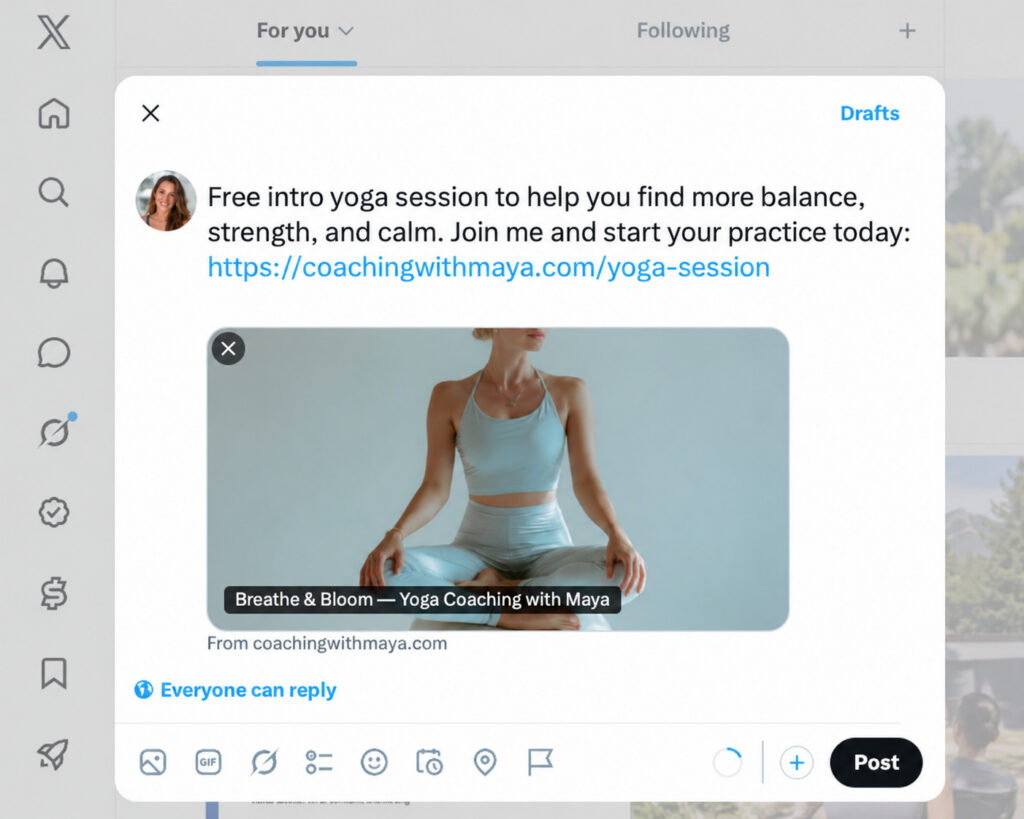
The core of this innovation lies in its capacity for immediate, multi-platform dissemination. Once a landing page is designed and finalized, the new publish screen presents users with intuitive, one-click options for sharing. This includes direct integration with prominent social media networks such as Facebook, LinkedIn, and X (formerly Twitter). The moment a user selects one of these platforms, a pre-populated post window appears, featuring the landing page’s image and title as a compelling preview. This visual pre-engagement is crucial for attracting clicks, as it offers potential visitors a clear understanding of the content before they even navigate away from their social feed. Marketers can then add a custom line about their specific offer, further tailoring the message for their audience, and publish the post in mere seconds. The persistent nature of the publish screen ensures that users can sequentially post to multiple channels without repeatedly re-opening the interface, fostering a truly seamless multi-channel marketing approach. This streamlined workflow is particularly beneficial for small businesses and solo entrepreneurs who often juggle numerous tasks and require efficient tools to maximize their reach with minimal effort.

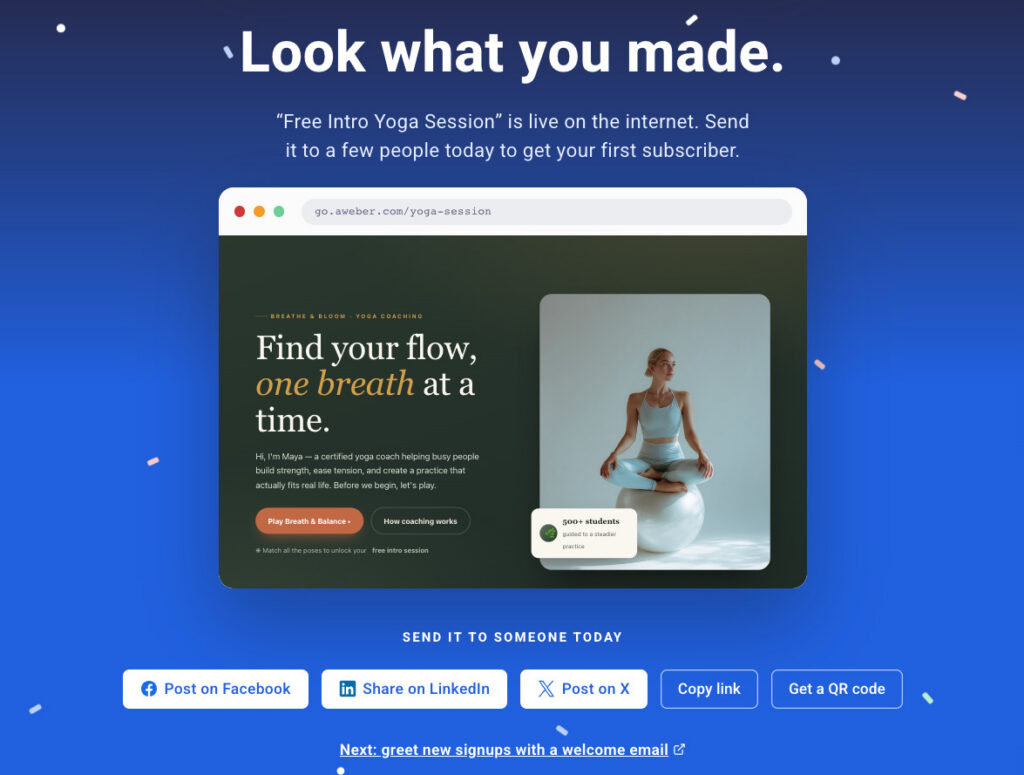
Beyond social media, AWeber’s new suite extends its reach into the physical realm and other digital touchpoints through integrated QR code generation and universal link copying. Recognizing the enduring power of print media and offline interactions, the platform now enables users to instantly download a high-resolution PNG file of their landing page’s unique QR code. This feature empowers businesses to bridge the gap between their physical presence and digital campaigns. Imagine a restaurant placing a QR code on its menu for customers to sign up for a loyalty program, a conference presenter including it on their slides for attendees to access resources, or a retail store displaying it for immediate newsletter sign-ups. Each scan directs the user instantly to the landing page, transforming passive interactions into active list growth opportunities. This integration underscores a forward-thinking approach to marketing, acknowledging that customer journeys are rarely confined to a single digital channel. The ease of generating a print-ready QR code democratizes a powerful marketing tool, making it accessible even for those without specialized graphic design skills.
For scenarios requiring a direct URL, the "Copy link" function offers immediate access to the landing page’s unique web address. This versatile link can be deployed anywhere, from social media profile bios and direct messages to text messages, email signatures, or embedded within other digital content. This ensures that the landing page remains just one tap away, regardless of where potential subscribers encounter a business. The flexibility of this feature means that marketers are no longer constrained by platform-specific sharing mechanisms, allowing for maximum adaptability in their promotional efforts.
A critical component of effective list building is the immediate engagement of new subscribers. AWeber’s new publishing suite addresses this by placing a direct link to its Workflows feature, allowing users to instantly set up automated welcome emails. This strategic integration ensures that every new subscriber, whether they arrive from a social media post or a QR code scan, receives a personalized greeting and initial communication right after joining the list. This immediate follow-up is vital for nurturing new leads, reinforcing their decision to subscribe, and setting the stage for future engagement. Studies consistently show that welcome emails have significantly higher open rates and click-through rates compared to regular promotional emails, making this automated step indispensable for building strong, lasting relationships with subscribers. The ability to configure this workflow directly from the publish screen eliminates delays and ensures that the subscriber journey begins optimally from the very first interaction.
This comprehensive update is not an isolated development but rather a strategic evolution within AWeber’s broader commitment to providing intuitive, powerful marketing tools. It builds upon previous innovations, such as the AI Landing Page Builder, which simplifies the creation of high-converting landing pages through artificial intelligence. By integrating sharing capabilities directly into the publication process, AWeber aims to provide a full-cycle solution, from content creation to distribution and initial engagement, all within a unified platform. Sean Tinney, the author of the original announcement and a key voice at AWeber, likely emphasizes that the goal is to reduce friction for marketers, allowing them to focus more on strategy and less on the technicalities of deployment.
The introduction of such an integrated publishing suite reflects broader trends within the digital marketing landscape. Businesses, particularly small to medium-sized enterprises (SMEs), are increasingly seeking all-in-one solutions that minimize the need for multiple, disparate tools. The complexity of managing various social media platforms, email service providers, and landing page builders often leads to inefficiencies and lost opportunities. AWeber’s move to consolidate these functions directly addresses this market demand, positioning itself as a central hub for digital marketing activities.
Supporting data underscores the critical importance of these integrations. Industry reports consistently highlight the effectiveness of email marketing, with many studies citing an average return on investment (ROI) of $36 for every $1 spent, making it one of the most cost-effective marketing channels. Landing pages play a pivotal role in this, serving as dedicated conversion hubs. Data from various analytics firms indicates that well-optimized landing pages can achieve conversion rates ranging from 5% to 15%, with top performers reaching even higher. The challenge, however, has always been driving sufficient traffic to these pages. By integrating seamlessly with social media platforms – which collectively boast billions of active users – and leveraging the growing ubiquity of QR codes, AWeber directly tackles the traffic generation problem. For instance, a typical business post on Facebook can reach a significant portion of its followers, while LinkedIn offers unparalleled professional networking opportunities, and X provides real-time information dissemination. Furthermore, QR code usage has surged globally, with projections showing continued growth, particularly in retail, hospitality, and events, making it a powerful tool for converting offline interest into online engagement.
While AWeber has not issued an official press release beyond the initial blog post, industry analysts are likely to view this update as a strategic move to enhance user retention and attract new subscribers to the platform. Experts in marketing technology might commend AWeber for anticipating the needs of modern marketers who operate in a fragmented digital environment. A hypothetical statement from an AWeber product manager might highlight the company’s commitment to "empowering every entrepreneur and small business owner with tools that are both powerful and incredibly simple to use, ensuring their message reaches the right audience at the right time, across every channel." Similarly, feedback from early adopters would likely focus on the time-saving aspects and the increased reach afforded by the new features.
Looking at the chronology of digital marketing tools, the journey has been one of increasing integration and automation. Early email marketing platforms were standalone entities, requiring manual exports and imports for list management. The advent of landing page builders provided dedicated conversion assets, but their promotion often remained a separate, manual task. The rise of social media created new avenues for promotion, but linking these diverse channels effectively has always presented a challenge. AWeber’s current update represents a significant step forward in this evolutionary timeline, moving towards a truly unified marketing ecosystem where content creation, distribution, and initial subscriber engagement are inherently linked. This mirrors a broader industry trend where platforms strive to offer more comprehensive solutions, reducing the reliance on third-party integrations and complex API configurations.
The implications for businesses and marketers are profound. For small businesses, this means reduced overhead in terms of tools and time spent on manual distribution. They can now launch campaigns more rapidly, respond to market trends with greater agility, and maintain a consistent presence across multiple channels without extensive technical expertise. For larger marketing teams, it frees up resources that might otherwise be spent on repetitive manual tasks, allowing them to focus on strategic planning, content optimization, and performance analysis. The ability to quickly deploy a landing page and immediately set up a welcome email also ensures that every lead is acted upon promptly, maximizing the chances of conversion and long-term customer loyalty.

In the competitive landscape of email marketing and marketing automation, this update positions AWeber strongly. Many competitors offer robust landing page builders or email marketing services, but the seamless, one-click integration for multi-channel distribution, coupled with immediate workflow setup, provides a distinct advantage. This move could potentially attract users from platforms that require more manual effort for content dissemination or rely heavily on external integrations. The future outlook suggests a continued push towards hyper-automation and AI-driven personalization in marketing. As AI capabilities evolve, it is conceivable that platforms like AWeber will further integrate AI into suggesting optimal sharing times, tailoring social media copy, or even dynamically adjusting QR code destinations based on user analytics, creating an even more intelligent and responsive marketing environment.
In conclusion, AWeber’s new landing page publishing suite marks a significant milestone in simplifying and enhancing multi-channel marketing efforts. By integrating direct social media sharing, immediate QR code generation, universal link copying, and streamlined workflow setup directly into the publish process, AWeber empowers businesses to expand their reach and grow their email lists with unprecedented efficiency. This update not only responds to the evolving needs of modern marketers but also sets a new standard for integrated marketing platforms, promising to redefine how businesses connect with their audiences in the digital age. The emphasis on speed, ease of use, and comprehensive distribution underscores AWeber’s commitment to providing tools that are both powerful and accessible, ensuring that every published landing page has the opportunity to be seen, engaged with, and converted into a valuable subscriber.