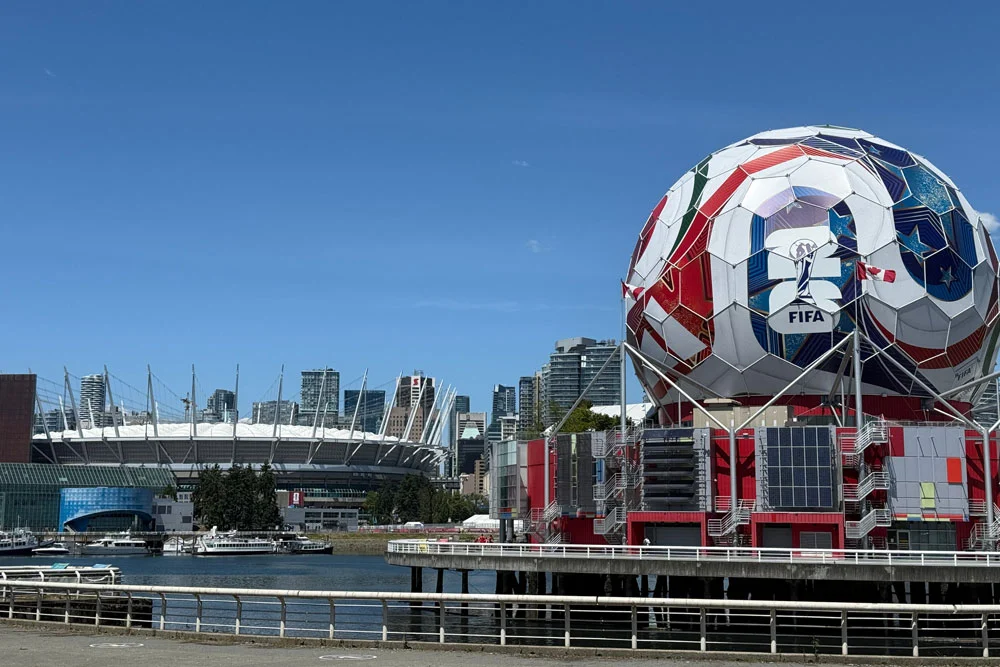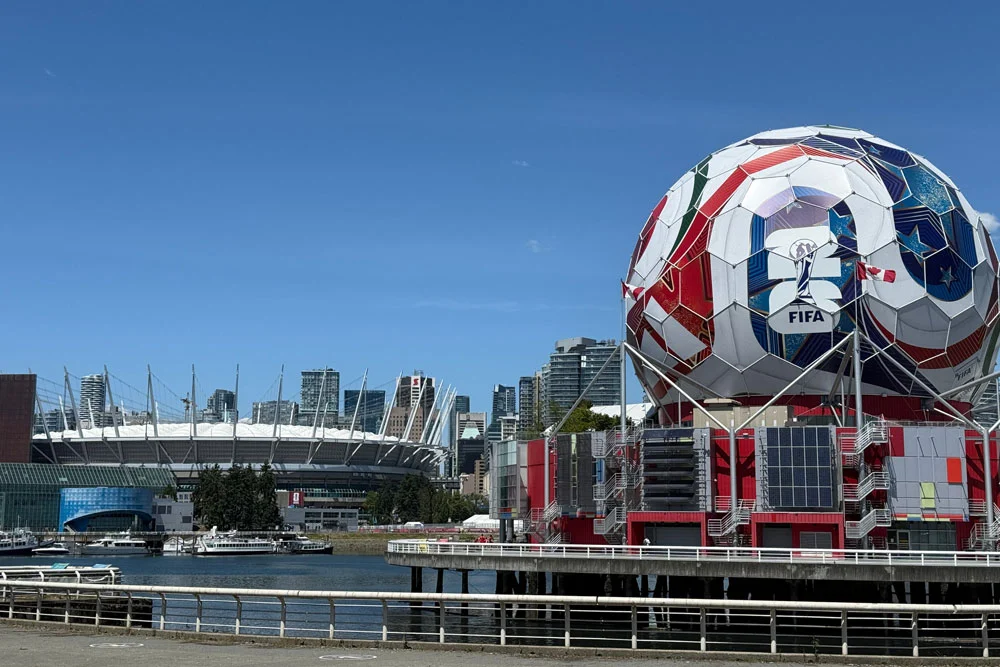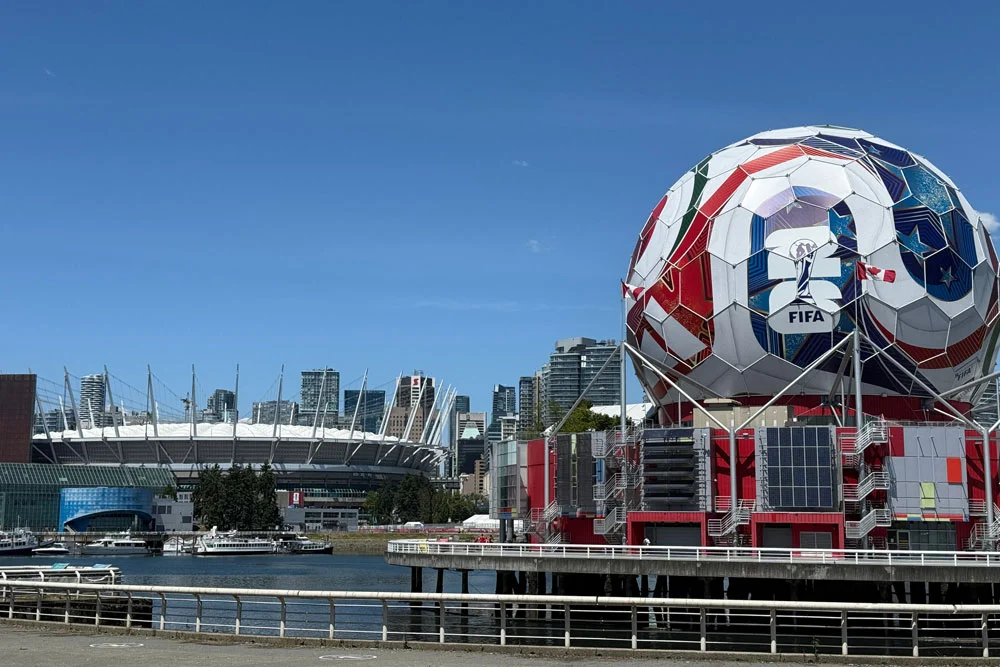
The FIFA World Cup 2026, the first iteration of the tournament to feature an expanded 48-team format across three host nations—Canada, Mexico, and the United States—has reached its fever pitch, captivating a global audience of billions. Beyond the grass of the 16 host stadiums, the tournament’s dramatic upsets and tactical shifts are providing a wealth of data and metaphorical insights for the global business community. Specifically, the affiliate marketing sector, which has seen its own transformative growth in the mid-2020s, is drawing significant parallels from the pitch to the digital storefront. As the "Tartan Army" of Scotland fans descends upon Boston and other North American hubs, the intersection of high-stakes sportsmanship and performance-based marketing has never been more apparent.
A Tournament of Unprecedented Scale: The 2026 Context
The 2026 World Cup represents a milestone in sporting history, featuring 104 matches and an expanded field that allowed for more diverse representation from across the globe. This expansion has inherently changed the competitive landscape, much like the proliferation of marketing channels has changed the affiliate landscape. With host cities ranging from Vancouver to Mexico City and New York/New Jersey, the logistical and strategic complexity of the tournament mirrors the multi-faceted nature of modern digital campaigns.
From a marketing perspective, the tournament’s sheer scale offers a case study in brand management and partnership synergy. Industry analysts estimate that the 2026 event will generate over $11 billion in revenue for FIFA, with a significant portion derived from digital partnerships and affiliate-driven commerce. The "dynamic" nature of the tournament, characterized by the early exits of traditional powerhouses and the ascent of unexpected contenders, serves as a backdrop for three critical lessons in affiliate management: the necessity of teamwork, the volatility of the underdog, and the danger of complacency.
The Collective Over the Individual: Lessons in Teamwork
The 2026 tournament has underscored a fundamental truth in modern athletics: individual brilliance is no longer sufficient to secure a championship. This was most poignantly illustrated in the early knockout stages. Despite the presence of Luka Modrić, whose legendary vision remained intact, Croatia was unable to overcome the cohesive tactical structure of Portugal. Similarly, the veteran presence of Cristiano Ronaldo was insufficient to carry Portugal past a disciplined Spanish side in the Round of 16.
In the affiliate marketing ecosystem, this translates directly to the structure of affiliate programs and management agencies. For over two decades, industry leaders have argued that an agency’s strength is predicated entirely on its team members rather than a single "star" account manager.
Diversification of Marketing Channels
Data from recent industry reports indicates that the most successful affiliate programs in 2026 are those that have moved away from a reliance on a few "super-affiliates." Instead, high-performing programs are diversifying their bases across:
- Content Commerce: High-authority editorial sites.
- Social Commerce: Influencers across decentralized and mainstream platforms.
- Loyalty and Reward Portals: Providing consistent, high-volume traffic.
- Niche Micro-Influencers: Offering high conversion rates within specific demographics.
Just as a soccer team must have a balanced defense, midfield, and attack, an affiliate program must diversify to protect revenue and ensure the quality of referrals. Relying on a single high-traffic source is akin to relying on a single star player; if that source fluctuates or changes its algorithm, the entire program risks collapse.
The Underdog Phenomenon and Market Disruption
The 2026 World Cup will likely be remembered as the "Year of the Underdog." The Group Stage saw Curaçao, making their tournament debut, hold a powerhouse Ecuador team to a 0-0 draw, a result that defied all betting odds. Even more striking was the Round of 16 clash between Egypt and the defending champions, Argentina. Egypt led 2-0 for the majority of the match, showcasing a level of tactical discipline and fearlessness that momentarily paralyzed the favorites.
This "underdog" narrative is a familiar one in the affiliate marketing world, perhaps best exemplified by the rise of Nectar Sleep. In early 2017, when Nectar Sleep entered the "mattress-in-a-box" market, the sector was already dominated by well-funded giants like Casper, Saatva, and Purple. Many analysts believed the market was too saturated for a new entrant to gain significant traction.
Case Study: Nectar Sleep’s Strategic Ascent
By leveraging a highly aggressive and meticulously managed affiliate program, Nectar Sleep achieved what many thought impossible. Within 370 days of its launch, the program rose to the number one spot on major affiliate networks, surpassing over 5,000 established brands, including legacy retailers and sportswear giants.
The success of Nectar Sleep—and the success of teams like Egypt or Curaçao—proves that being an underdog is not a permanent state of mediocrity. In affiliate marketing, smaller brands can outmaneuver larger competitors by being more agile, offering better commission structures, and building deeper, more personal relationships with their affiliate partners. The data suggests that agility often trumps sheer budget in the digital space.
The Perils of Complacency: Never Resting on Laurels
Perhaps the most shocking aspect of the 2026 World Cup was the absence or early departure of traditional "blue blood" footballing nations. Italy, a four-time world champion, failed to qualify for the tournament entirely, marking a period of prolonged struggle for the Azzurri. The Netherlands, historically a powerhouse of "Total Football," was eliminated in the Round of 32 by Morocco.
The most significant upset, however, occurred in the Round of 16, where Norway—a team that had not qualified for a World Cup in nearly three decades—knocked out Brazil. Norway’s progression to the Quarterfinals is a testament to long-term planning, the integration of new sports science, and a refusal to be intimidated by history.
The Dynamic Nature of Online Markets
In affiliate marketing, the landscape is equally unforgiving to those who rest on their laurels. Strategies that were gold standards in 2020 are often obsolete by 2026. The industry has seen several major shifts that require constant education and adaptation:
- AI Integration: The rise of generative AI has changed how affiliate content is produced and ranked.
- Privacy Regulations: The end of third-party cookies and the rise of zero-party data have forced a complete overhaul of tracking and attribution models.
- Platform Volatility: Sudden changes in search engine algorithms or social media policies can decimate traffic overnight.
Industry veterans emphasize that online education is not a destination but a continuous journey. Professionals who fail to attend industry conferences, such as the Affiliate Summit in New York, or fail to engage with new technological tools, find themselves in the same position as the Italian national team: watching from the sidelines as the world moves on.
Chronology of Evolution: 2017 to 2026
To understand the current state of both the World Cup and affiliate marketing, one must look at the timeline of the last decade:
- 2017-2019: The rise of "direct-to-consumer" (DTC) brands using affiliates as their primary growth engine (e.g., Nectar Sleep).
- 2020-2022: The pandemic-driven e-commerce boom, which saw affiliate marketing spend increase by over 30% globally.
- 2023-2025: The "Great Attribution Shift," where brands moved toward more complex, multi-touch attribution models to better reward top-of-funnel affiliates.
- 2026: The convergence of massive live sporting events and real-time affiliate commerce, where "shoppable moments" during matches allow fans to purchase gear and products instantly through affiliate links.
Broader Impact and Industry Implications
The lessons from the 2026 World Cup suggest that the future of affiliate marketing will be defined by resilience and tactical flexibility. As the tournament moves toward its final matches, the teams remaining are those that have balanced star power with collective effort, respected their opponents regardless of stature, and adapted their tactics mid-game.
For affiliate managers and agencies, the implications are clear. The "set it and forget it" mentality of a decade ago is dead. To thrive in a market that is as competitive and unpredictable as a World Cup knockout stage, businesses must invest in their human capital, diversify their partnerships, and remain perpetually curious.
As the global community looks toward the final in New York/New Jersey, the affiliate marketing industry continues to take notes. The drama of the pitch is a mirror to the drama of the marketplace: both require a blend of data-driven strategy and the intangible spirit of competition to achieve world-class results. The underdogs will continue to rise, the giants will continue to fall if they become stagnant, and the strongest teams—not the strongest individuals—will ultimately lift the trophy.