rifanmuazin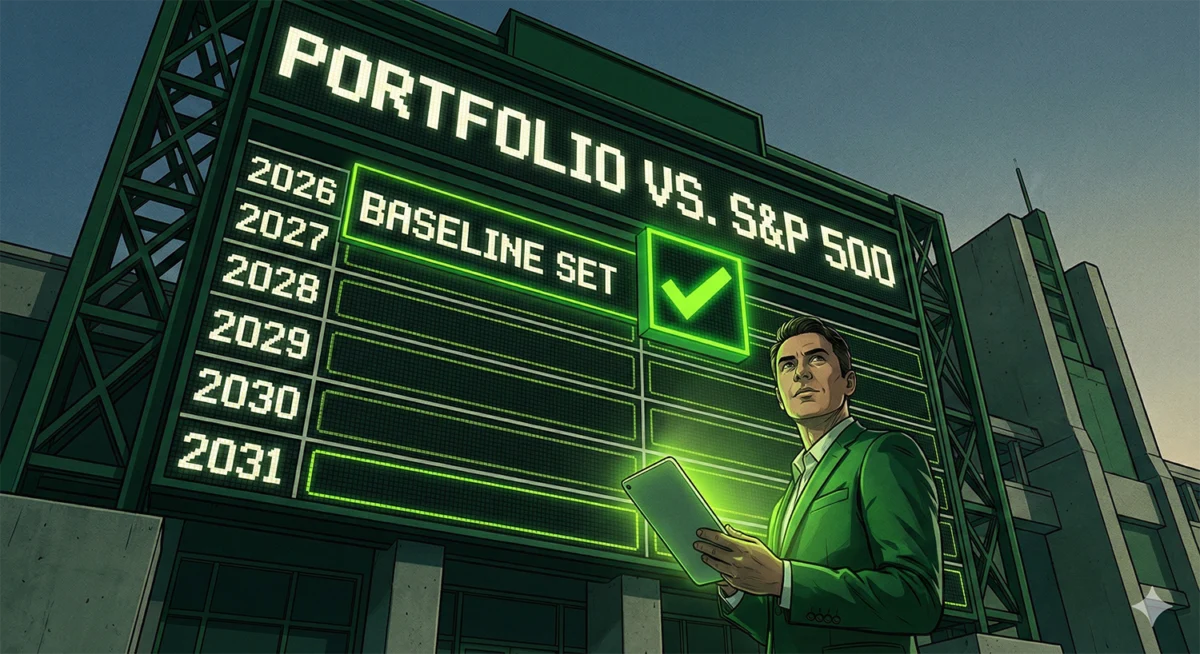
In the realm of entrepreneurship, the focus often sharpens intensely on the success and growth of a business. However, a parallel and equally critical endeavor often gets overlooked: the meticulous construction and management of a personal balance sheet. This foundational principle is a cornerstone of comprehensive financial mastery, an area that is gaining increasing recognition among successful business owners. For entrepreneurs who stake their entire financial future on a potential business exit, a scenario that carries inherent uncertainty, the strategic development of personal wealth offers a vital layer of security and flexibility. This approach empowers entrepreneurs to make decisions from a position of strength, unburdened by desperation, and to cultivate a more robust and resilient financial future.
To illustrate this principle, a prominent e-commerce authority has committed to sharing an annual breakdown of their personal investment portfolio and its performance relative to benchmark indices, such as the S&P 500. The inaugural report, establishing a baseline for 2026, offers a detailed look into the asset allocation strategies employed to build personal net worth independently of the business’s valuation.
Defining the Personal Balance Sheet: What’s In and What’s Out
A critical aspect of accurately tracking personal financial health is establishing clear parameters for what constitutes investable assets. For the purpose of this financial assessment, certain assets are deliberately excluded to ensure a clear and actionable picture of liquid investments.
Exclusions:
- Primary Residence: While a significant asset for many, a primary home is categorized as a consumption item rather than a direct investment that generates passive income or liquidity. Its value fluctuates with the real estate market but does not contribute to the immediate financial flexibility that liquid investments provide.
- Physical Possessions: Personal belongings, such as vehicles, furniture, and collectibles, are not considered investable assets. Their market value depreciates over time, and they are not easily convertible to cash for investment purposes.
- The Business Itself: Until a business is formally sold, its valuation remains largely illiquid and subject to significant volatility. Including the business in a personal balance sheet can create a misleading sense of security. Separating the business’s performance from personal investments allows for a cleaner assessment of liquid financial health and risk management.
This meticulous exclusion policy ensures that the personal balance sheet accurately reflects the holdings that can be readily deployed or adjusted, providing a more precise measure of an entrepreneur’s financial independence and optionality.
A Diversified Approach: The 2026 Portfolio Breakdown
The personal investment portfolio for 2026 is characterized by a deliberate allocation across various asset classes, aiming for a blend of stability, growth potential, and diversification. This strategic mix reflects a philosophy that balances conservative, long-term holdings with carefully selected, higher-conviction bets.
Asset Allocation Breakdown (as of 2026 Baseline):
-
3.5% Individual Stocks: This segment of the portfolio is dedicated to “bold” investments, comprising a small percentage of the overall holdings. The philosophy here is that approximately 90% of investing should be “boring” and passive, while the remaining 10% can be allocated to high-conviction bets with the potential for outsized returns. These positions are chosen with deep conviction in specific sectors expected to outperform.
- Shopify: This e-commerce platform is recognized as a near-monopoly in the hosted software space, offering a compelling alternative to Amazon for online retailers. Its increasing entrenchment and market dominance make it a strategic long-term holding.
- Cloudflare: While detailed internal knowledge may be limited, positive feedback from industry contacts and personal positive experiences with the service underscore its strong market position and robust operational capabilities. The company’s culture is also cited as a key positive attribute.
-
63% Index Funds: The core of the portfolio is anchored in broad-market index funds, emphasizing a “boring and intentional” investment strategy. This allocation is predominantly composed of U.S. total market funds, with approximately 15% allocated to international stocks. Notably, there are no bond holdings in this segment. The strategy acknowledges a current effort to increase international exposure, driven by strong recent performance and perceived valuation opportunities, alongside the inherent diversification benefits. The overarching principle remains a commitment to low-fee, broad-market index funds intended for long-term holding.

-
12% Cryptocurrency: This allocation primarily consists of Bitcoin and Ethereum. The underlying belief in these digital assets as a non-institutional store of value and a hedge against potential monetary policy missteps by governments remains. However, a note of caution is raised regarding cryptocurrency’s recent correlation with risk assets, a divergence from its “digital gold” narrative. The performance of Bitcoin relative to gold, which saw substantial gains, has been a point of observation. Despite this, the long-term fundamentals are considered strong, and the tax implications of selling existing gains, coupled with its diversification potential as an anti-institutional hedge, support continued holding. The increasing institutional adoption is acknowledged as a factor that could temper future upside and increase volatility.
-
11% Real Estate: This portion of the portfolio is represented by a single rental property. It is described not as a pure investment play but rather as a property that the owner cherishes and is currently renting out. The experience of managing a short-term rental (Airbnb) over the past four months has provided a deeper understanding of the operational complexities involved, even with third-party management. This firsthand experience has also led to an appreciation for the value proposition of Airbnb for travelers.
-
9% Cash: A conscious decision to maintain a cash cushion is in place, particularly given the current market conditions with indices at all-time highs. Half of this cash reserve is earmarked for a “big bets” fund, awaiting high-conviction opportunities for significant investment. The search for such opportunities is a key focus for 2026.
-
Less than 1% Private Investments: A small allocation is made to private investments, specifically three early-stage companies founded by entrepreneurs the investor trusts: IntelliGems, Postpilot, and Kanpai Foods. While these represent significant potential, the capital deployed remains minimal. The strategy here is to engage when domain expertise aligns with trusted founders and compelling opportunities arise, recognizing that private investments constitute a minor fraction of the overall portfolio.
Strategic Portfolio Adjustments: Key Sells in 2026
The year 2026 saw two significant divestitures from the portfolio, each driven by evolving investment theses and risk assessments.
-
Tesla: After a four-year holding period, Tesla was sold. The original investment thesis was rooted in the exceptional quality of the company’s vehicles and customer satisfaction. However, a perceived shift in the company’s strategic focus from automotive manufacturing to ambitious ventures in robotics, autonomous driving, and automated taxis led to a reevaluation. While these future endeavors hold promise, the investor had not conducted the necessary due diligence to ascertain their valuation justification. Furthermore, the increasing “key man risk” associated with Elon Musk, given his age, intense workload, and multi-company commitments, was identified as a growing concern. At a valuation exceeding a trillion dollars and with the core investment thesis altered, exiting the position was deemed prudent.
-
Airbnb: This divestiture is acknowledged as a recent poor decision. The initial investment was a reactive one, prompted by a recommendation without thorough personal conviction. The stock was held for approximately six to twelve months, resulting in a near break-even outcome before being sold. The operational experience of managing a personal Airbnb rental highlighted the complexities involved and, consequently, reduced the investor’s conviction in the company’s future growth trajectory. The company’s growth had been perceived as lackluster for years, with no clear catalyst for significant change identified. The key lesson derived from this experience is the importance of investing only in individual stocks with a high degree of conviction, opting for index funds for any investments falling below that threshold.
The Road Ahead: Establishing a Performance Benchmark
This detailed breakdown of the 2026 personal investment portfolio serves as a crucial baseline. The commitment is to provide an annual update on the performance of these assets in comparison to the S&P 500. This ongoing transparency aims to underscore the importance of proactive personal financial management for entrepreneurs. By consistently building and tracking a personal balance sheet, business owners can cultivate financial resilience, enhance decision-making capabilities, and secure a more prosperous and independent future, independent of the often unpredictable trajectory of their entrepreneurial ventures.
For entrepreneurs seeking continuous insights into building financial mastery and engaging with a community of successful business leaders, staying connected through dedicated newsletters and platforms is encouraged. This collaborative approach fosters shared learning and amplifies the collective pursuit of financial excellence within the entrepreneurial ecosystem.