

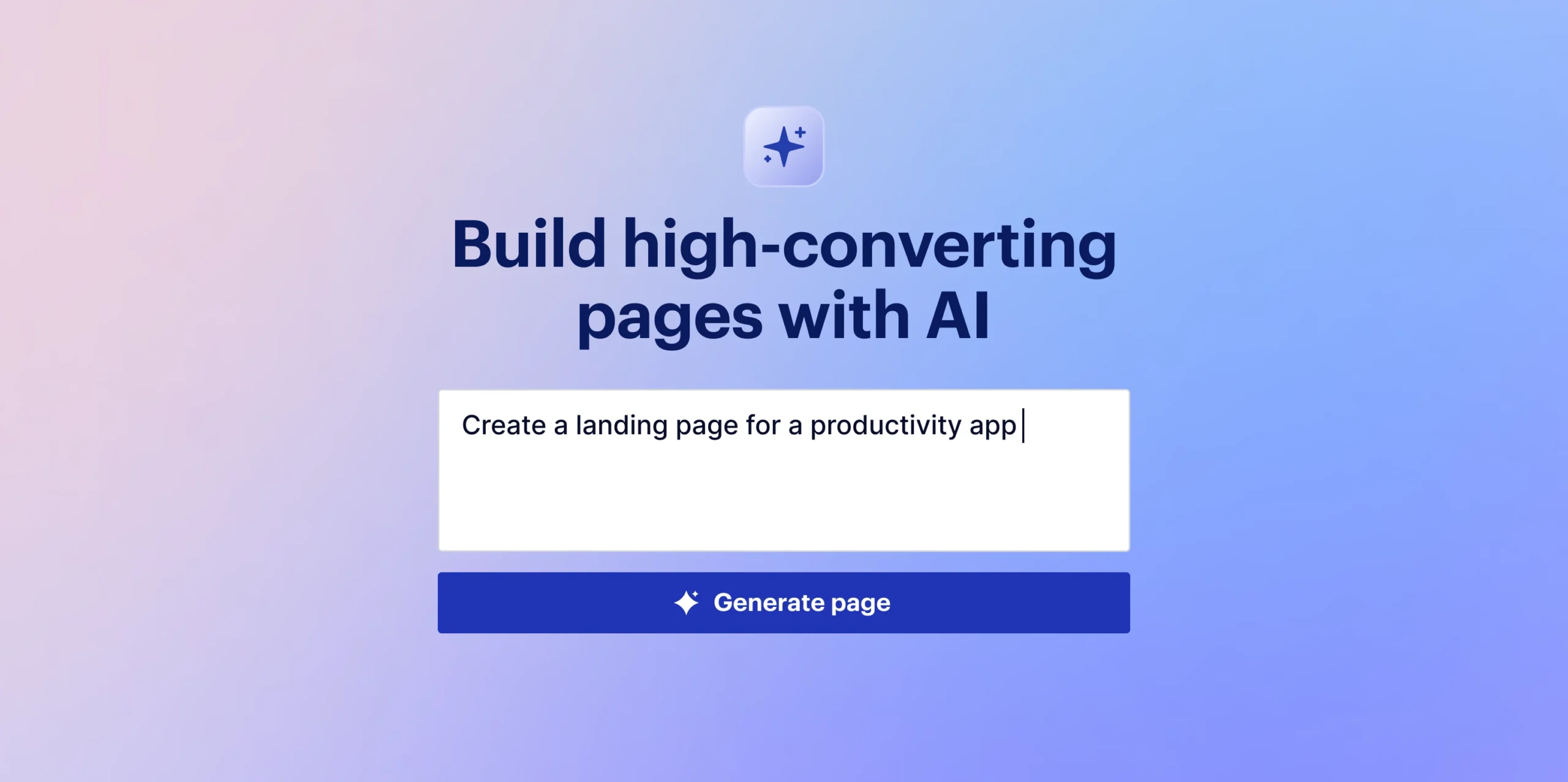
The landscape of digital marketing and conversion rate optimization (CRO) has undergone a fundamental shift as Instapage, a long-standing leader in landing page technology, officially announced its transition into an end-to-end, AI-powered marketing platform. Since its inception in 2012, the company has focused on providing high-performance landing page builders, but this latest strategic pivot integrates generative artificial intelligence across the entire marketing lifecycle. By introducing AI-driven page generation, automated email sequences, and centralized AI Collections, Instapage aims to solve the persistent issues of tool fragmentation and creative friction that have historically hindered marketing teams.
The Evolution of Conversion Technology: From Builder to Ecosystem
The trajectory of Instapage provides a blueprint for the broader evolution of the marketing technology (MarTech) industry. When the company launched in 2012, the primary challenge for digital marketers was the technical barrier to entry for creating high-quality landing pages. Development cycles were long, often requiring dedicated coding resources for even minor adjustments. Instapage disrupted this model with a high-fidelity builder that prioritized speed and conversion.
Over the subsequent decade, the company expanded its capabilities to include a comprehensive suite of CRO tools. This expansion covered personalization, multivariate experimentation, and advanced analytics. However, as the digital landscape became more saturated, the “blank page” problem—the creative paralysis that occurs when starting a new campaign—became a primary bottleneck. The integration of generative AI is designed to address this specific pain point, moving the platform from a tool that facilitates design to one that actively generates it.
The current shift reflects a broader industry trend where standalone tools are being consolidated into unified platforms. According to recent industry reports, the average enterprise now uses over 90 different marketing tools, leading to “data silos” and “workflow friction.” By embedding AI into every stage of the funnel—from the initial landing page to the follow-up email—Instapage is positioning itself as a solution to this complexity, allowing teams to scale operations without a proportional increase in headcount.
AI Page Generation and the Preservation of Creative Control
One of the flagship features of the new update is AI Page Generation. This tool allows users to input a description of their desired campaign, including target audience, value proposition, and brand tone. Within seconds, the AI produces a complete, conversion-ready page featuring tailored messaging and an optimized layout.
However, the company has been careful to differentiate its approach from “black box” AI tools. A common criticism of standalone AI page generators is the lack of granular control; often, if a user wants to change a specific section, they are forced to re-prompt the entire page, which consumes time and computational tokens. Instapage has addressed this by pairing its AI generator with its “pixel-perfect” drag-and-drop builder.
This hybrid approach allows marketers to use AI for the initial “heavy lifting”—the layout and copy—while retaining the ability to manually refine every element. In a professional marketing context, brand consistency is paramount. The ability to move a section, adjust a hex code, or swap an image without regenerating the entire asset is a critical requirement for high-stakes campaigns. This synergy between automated generation and manual refinement is intended to reduce the production time for a landing page from days to minutes.
Closing the Loop: AI-Powered Email and Lead Nurturing
While landing pages are essential for capturing leads, the “leaky bucket” in most marketing strategies occurs during the follow-up phase. Industry data suggests that leads contacted within five minutes are 100 times more likely to be qualified than those contacted 30 minutes later. Despite this, many marketing teams struggle with timely follow-ups due to the manual effort required to export leads and set up separate email campaigns.
The new Instapage AI email generator is designed to bridge this gap. By hosting the landing page and the email automation within the same environment, the platform enables seamless lead transitions. The AI can draft tailored messaging based on the specific page the lead interacted with, ensuring a cohesive narrative from the first click to the inbox.
Users can select their campaign goals—such as lead nurturing, event registration, or product demos—and the AI suggests the optimal tone and length for the message. This integration eliminates the need for manual handoffs between different software platforms, reducing the likelihood of data loss and ensuring that every lead receives a relevant response in real-time.

Market Context and the Economic Necessity of AI in 2026
The rollout of these features comes at a time when marketing budgets are facing increased scrutiny. As we move through 2026, the global economic climate has forced many organizations to adopt “lean” operational models. Marketing departments are being asked to deliver higher returns on ad spend (ROAS) with smaller teams and tighter budgets.
Data from recent MarTech surveys indicates that AI adoption in marketing is no longer optional. Approximately 75% of high-growth companies have integrated AI into their content and design workflows to maintain competitiveness. The primary benefits cited by these organizations include:
- Efficiency Gains: Reducing the time spent on repetitive tasks like copy variations and layout testing.
- Personalization at Scale: Delivering unique experiences to different audience segments without creating hundreds of manual pages.
- Predictive Performance: Using historical data to inform AI-generated designs that are more likely to convert.
Instapage’s pivot is a direct response to these pressures. By providing an end-to-end platform, the company is targeting the mid-market and enterprise segments that need to scale their digital presence rapidly but lack the resources to manage a fragmented stack of niche tools.
Chronology of Instapage’s AI Integration
The transition to an AI-powered platform has been a multi-year journey rather than an overnight change. The following timeline outlines the key milestones in Instapage’s technological evolution:
- 2012–2015: Focus on the core landing page builder and the “Post-Click Automation” category.
- 2016–2019: Expansion into personalization and Heatmaps. The launch of “AdMap” allowed marketers to visualize the connection between ads and pages.
- 2020–2023: Early experimentation with machine learning. Introduction of “AI Content Generator” for headlines and CTA buttons.
- 2024–2025: Beta testing of AI Page Generation with select enterprise partners. Development of the AI Email suite to address the “lead-to-nurture” gap.
- 2026: Official launch of the end-to-end AI-powered marketing platform, including AI Collections and full-funnel automation.
Strategic Implications and Industry Reactions
The move by Instapage has significant implications for the broader SaaS (Software as a Service) landscape. By integrating email and design, Instapage is moving into territory traditionally occupied by CRM and email marketing giants like HubSpot or Mailchimp. However, Instapage’s competitive advantage remains its focus on the “post-click” experience—the critical moments after a user clicks an ad but before they become a customer.
Analysts suggest that this “all-in-one” approach for conversion will likely trigger a wave of consolidations or similar feature rollouts from competitors. The value proposition is clear: if a marketer can generate a page, optimize it for SEO, run an A/B test, and launch a follow-up sequence from a single dashboard, the operational overhead of the marketing department is slashed.
While the response from the marketing community has been largely positive, some industry experts emphasize the need for human oversight. “AI can generate the structure and the initial copy, but the strategic ‘soul’ of a campaign still requires human intuition,” noted one digital strategy consultant. Instapage’s decision to keep the manual builder at the core of the AI workflow appears to be a deliberate nod to this sentiment, ensuring that the platform remains a tool for professionals rather than a total replacement for them.
Future Outlook and Beta Rollout
As of the current announcement, several of the advanced AI features are in a beta phase, with a gradual rollout planned for the existing user base. This phased approach allows the company to monitor system performance and refine the AI models based on real-world conversion data.
The company has indicated that future updates will likely focus on “AI Collections,” a feature intended to help brands organize and deploy high-performing assets across multiple channels automatically. This would further cement the platform’s role as a central hub for marketing operations.
For businesses looking to navigate the complexities of digital advertising in a high-cost environment, the promise of an integrated, AI-driven workflow is compelling. By removing the technical and creative barriers to campaign execution, Instapage is betting that the future of marketing lies not in more tools, but in smarter, more integrated ones. The success of this transition will likely be measured by the ability of its users to drive revenue without the traditional “stitching together” of disparate software, ushering in a new era of streamlined, performance-focused marketing.







