The landscape of digital marketing and conversion rate optimization (CRO) is undergoing a fundamental shift as Instapage, a long-standing leader in landing page technology, announces the transition of its platform into a fully integrated, end-to-end AI-powered marketing ecosystem. Since its inception in 2012, Instapage has maintained a reputation for providing high-performance landing page builders, but this latest strategic pivot represents an expansive effort to consolidate fragmented marketing workflows into a single, AI-driven interface. By embedding generative intelligence into page creation, email automation, and content organization, the company aims to address the persistent challenges of tool sprawl and operational inefficiency that currently plague modern marketing departments.
The Strategic Evolution of Instapage: From Builder to Ecosystem
The trajectory of Instapage provides a case study in the evolution of Software as a Service (SaaS) within the marketing technology (MarTech) sector. Founded over a decade ago, the company initially focused on solving a specific technical bottleneck: the difficulty of creating high-converting landing pages without extensive coding knowledge. Over the years, this narrow focus expanded into a broader suite of CRO tools, including personalization engines, experimentation frameworks, and sophisticated analytics.
However, the rapid advancement of large language models (LLMs) and generative design tools has created a new set of expectations for speed and scalability. The current announcement marks the culmination of a multi-year effort to weave artificial intelligence into every facet of the user experience. This transition is not merely an addition of "bolt-on" features but a structural reimagining of how marketers interact with their assets. By moving from a manual "drag-and-drop" philosophy to a "generate-and-refine" model, Instapage is positioning itself to serve a market that increasingly demands high-volume output with leaner human teams.
Addressing the ‘Blank Page’ Barrier Through AI Page Generation
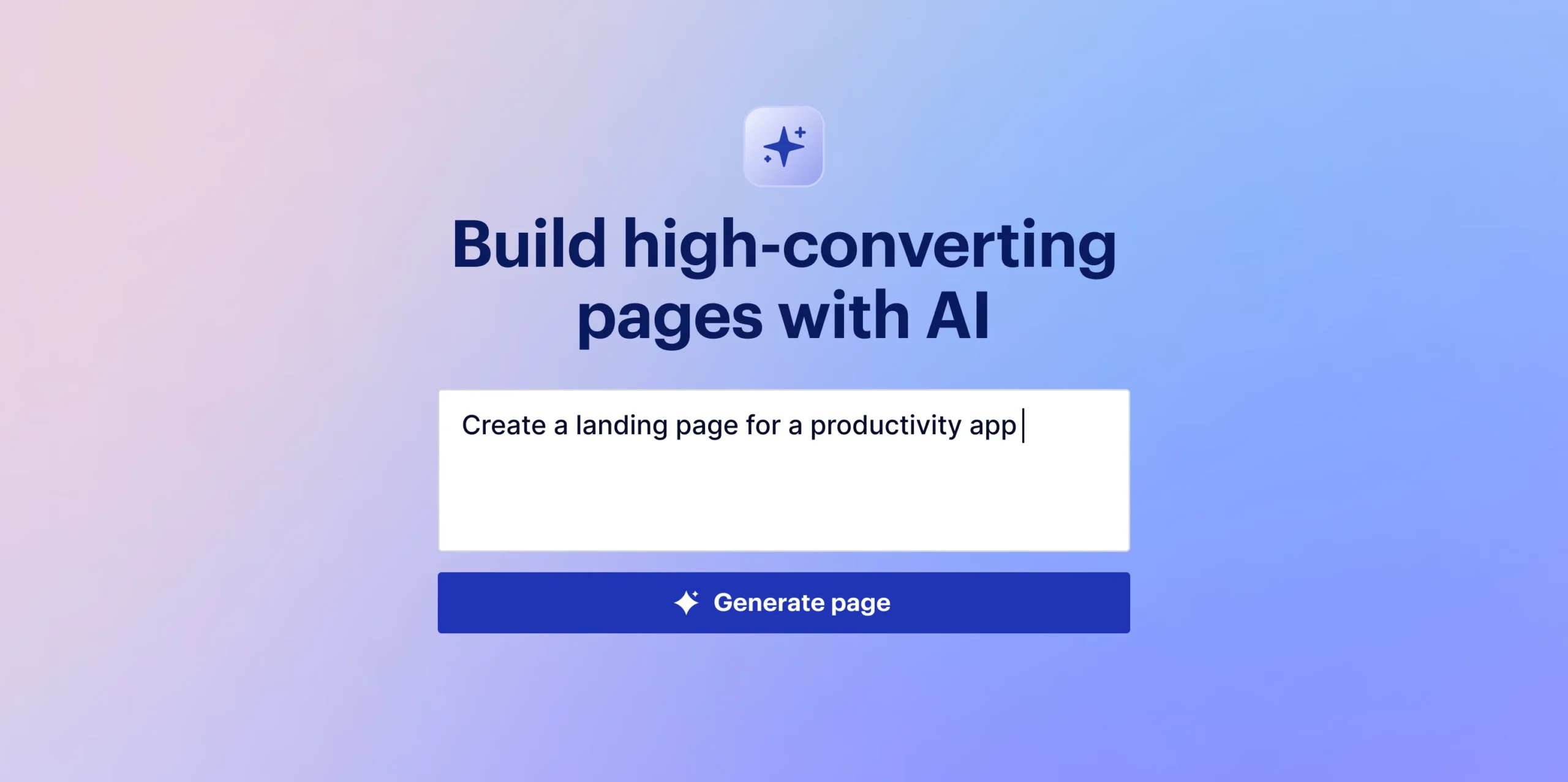
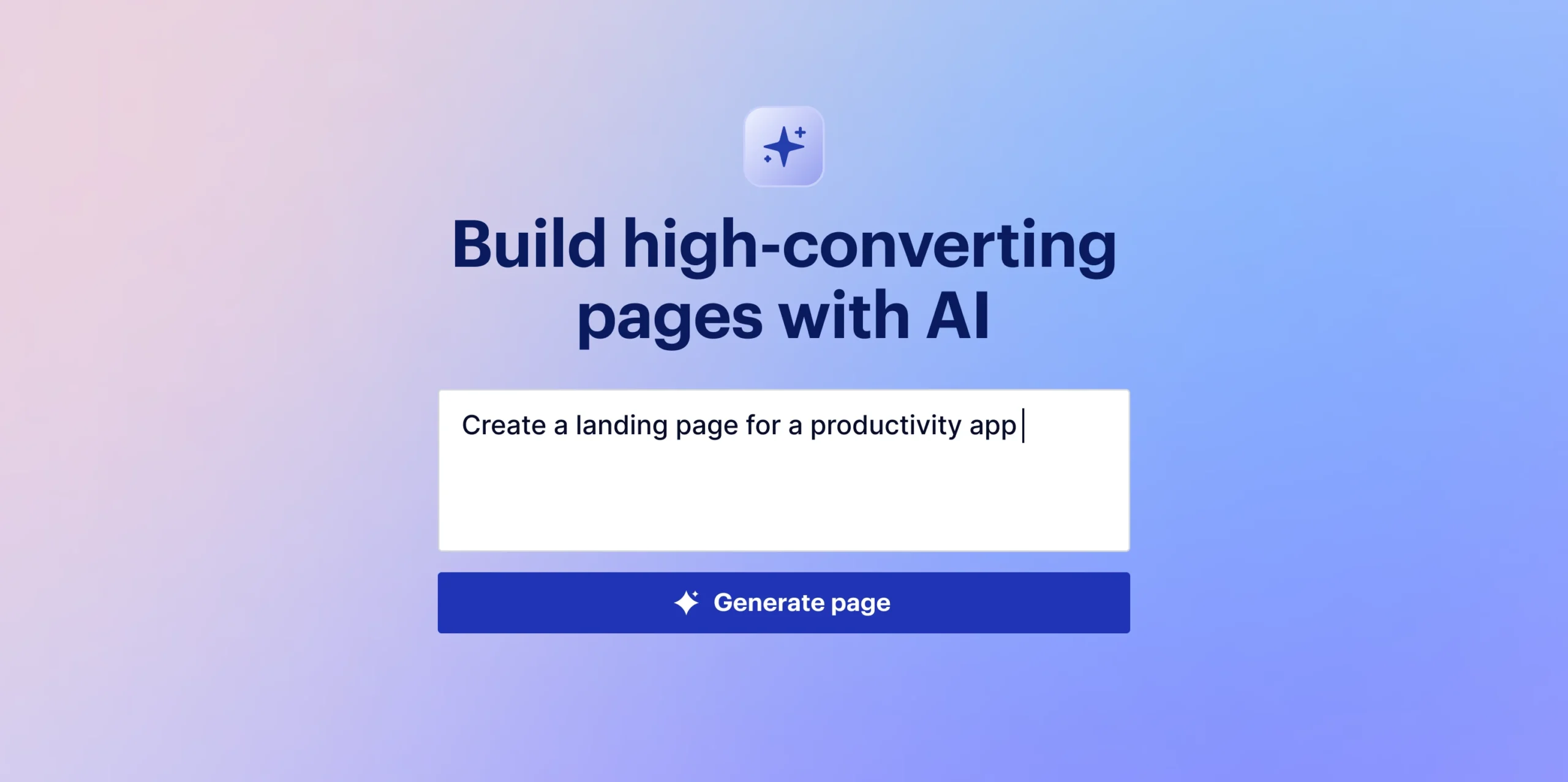
One of the most significant hurdles in digital marketing is the initial creative phase. The "blank page syndrome"—the paralysis that occurs when faced with the need to design a layout, write persuasive copy, and optimize for conversions simultaneously—often leads to delayed campaigns and missed opportunities. Instapage’s new AI page generation tool seeks to eliminate this friction.
Unlike basic generative tools that provide static templates, Instapage’s system utilizes descriptive prompts to build complete, conversion-ready pages in seconds. This includes the automated generation of tailored messaging, optimized layouts, and relevant visual structures. A critical differentiator in this new release is the integration of these AI-generated foundations with a pixel-perfect drag-and-drop builder. In many standalone AI generators, the editing process is notoriously rigid; changing a single element often requires a complete regeneration of the page, leading to "token fatigue" and wasted time. The Instapage model allows for fluid, manual refinement of AI-generated content, ensuring that the final product meets specific brand standards without requiring a developer to intervene.
Bridging the Conversion Gap with AI-Powered Email Automation
The utility of a high-converting landing page is significantly diminished if the subsequent lead nurturing process is fragmented. Historically, marketing teams have been forced to "stitch together" various platforms—using one tool for page building, another for email delivery, and a third for AI copy generation. This fragmentation often results in manual data handoffs and delays in lead response times, which are critical in a digital environment where lead quality degrades rapidly.
Instapage’s latest update introduces an AI email generator designed to live within the same ecosystem as the landing pages. This allows for a seamless flow of data from the moment a lead is captured to the moment an automated, AI-crafted follow-up is dispatched. Users can define their goals, target audience, tone, and desired length, and the AI generates relevant, timely messaging. This integration ensures that the "conversation" started on the landing page continues without a drop in context or quality, effectively reducing the administrative burden on lean marketing teams.
Chronology of Innovation and the Path to 2026
The roadmap for Instapage’s AI integration has been a phased rollout designed to stabilize the core technology before scaling to more complex features.
- 2012–2018: Focus on the "Post-Click Experience" and the development of the #1-rated landing page builder.
- 2019–2022: Expansion into the CRO and marketing suite, introducing personalization and A/B testing at scale.
- 2023–2024: Initial embedding of AI copy tools and experimentation modules to assist with performance optimization.
- 2025–2026: Launch of the comprehensive "End-to-End" AI platform, featuring AI page generation, AI email generation, and AI Collections (a tool for managing and scaling vast libraries of marketing assets).
This timeline reflects a broader industry trend where the focus has shifted from "features" to "workflows." As marketing budgets tighten and expectations for ROI increase, the ability to execute complex campaigns within a single environment has become a competitive necessity rather than a luxury.

Data-Driven Analysis: The Economic Case for AI Integration
The move toward integrated AI platforms is supported by significant shifts in the labor and technology markets. Recent industry data suggests that the average marketing team uses upwards of 20 different tools to manage their digital presence. This "tool sprawl" is estimated to cost companies thousands of dollars in monthly subscriptions and hundreds of hours in "context switching"—the time lost when employees move between different software interfaces.
Furthermore, the "speed to lead" metric remains a primary driver of conversion success. Studies have shown that responding to a lead within the first five minutes increases the likelihood of conversion by nearly 400% compared to a 30-minute delay. By automating the creation of follow-up emails and linking them directly to lead-capture pages, Instapage is directly addressing this performance gap.
From a cost perspective, the reduction in headcount requirements is a significant factor. In the current economic climate, many firms are operating with leaner teams than in previous years. AI-driven tools allow a single marketing manager to perform the work that previously required a designer, a copywriter, and a technical specialist.
Official Responses and Industry Implications
While official statements from Instapage emphasize the empowerment of the "lean team," industry analysts view this move as a direct challenge to broader platforms like HubSpot or Salesforce, as well as specialized AI tools like Jasper or Midjourney. By combining the "doing" (building pages) with the "thinking" (AI generation), Instapage is attempting to capture the middle ground of the MarTech stack.
Company representatives have noted that the goal is not to replace the marketer but to remove the "grunt work" associated with execution. "AI runs through the entire marketing workflow in one platform—from generating conversion-ready pages in seconds to following up with leads instantly," the company stated in its release documentation. This philosophy of "creative control" suggests a future where AI handles the structural heavy lifting while humans focus on high-level strategy and brand alignment.
Broader Impact on the Digital Marketing Landscape
The implications of Instapage’s transition extend beyond its immediate user base. As more platforms adopt "end-to-end" AI strategies, the barrier to entry for high-quality digital marketing will continue to lower. Small and medium-sized businesses (SMBs) will have access to the same level of sophisticated CRO and automation that was once reserved for enterprise-level companies with massive budgets.
However, this democratization of technology also means that the "arms race" of digital marketing will shift from technical execution to strategic differentiation. When every company can generate a high-quality landing page in seconds, the value of unique brand voice and deep consumer insight will only increase.
Conclusion and Future Outlook
Instapage’s transformation into an AI-powered marketing platform represents a significant milestone in the maturity of generative AI. It signals a move away from "AI as a novelty" toward "AI as an infrastructure." As the platform continues to roll out its beta features, including AI Collections and advanced automation, the focus will likely remain on reducing the "gaps" in the marketing funnel—the points where leads are lost and time is wasted.
For marketing professionals, the message is clear: the era of stitching together disparate tools is coming to a close. The future of the industry lies in integrated ecosystems that leverage artificial intelligence to provide a seamless, high-velocity path from initial idea to final conversion. Instapage, with its long history in the CRO space, is now positioning itself to lead that charge into 2026 and beyond.
Note: Select AI features are currently in beta and are being rolled out gradually to the Instapage user base. The company has invited interested parties to experience the new platform through a 14-day free trial, with full access being granted as the rollout continues.