Yoast, a leading developer of WordPress SEO tools, has released version 27.6.1 of its flagship Yoast SEO Premium plugin, alongside updates for Yoast WooCommerce SEO and Yoast SEO AI+. This critical update includes a vital security fix for a vulnerability identified in the Redirect Manager component of these plugins. While the company assures that the vast majority of its extensive user base remains unaffected, the nature of the vulnerability, which could potentially lead to remote code execution (RCE) in specific configurations, underscores the importance of immediate action for at-risk users and proactive updates for all.
Understanding the Vulnerability: A Deep Dive into the .htaccess Issue
The core of the security flaw lay within the Redirect Manager feature, a crucial tool that helps website administrators maintain search engine optimization (SEO) value by correctly handling URL changes and preventing broken links. Specifically, the vulnerability allowed an authenticated user – meaning someone with legitimate access to the WordPress administration area, such as an editor, author, or administrator – to inject malicious configuration directives into the site’s .htaccess file. This injection was possible by including specially crafted, malicious characters within a redirect rule.
The .htaccess file is a powerful, distributed configuration file used by Apache web servers to control various aspects of a website’s operation, including URL rewriting, access control, and custom error pages. Its direct manipulation by an attacker is highly dangerous. Depending on the specific content injected, the consequences of this vulnerability ranged from a site crash, rendering the website inaccessible, to the most severe outcome: remote code execution (RCE). RCE is a critical vulnerability that allows an attacker to execute arbitrary code on the server, potentially granting them full control over the affected website, its data, and even the server itself. This level of compromise can lead to data breaches, complete defacement of the website, installation of malware, or the use of the server for further malicious activities.
Despite the severity of the potential impact, Yoast’s security team conducted a thorough review of a sample of sites utilizing the affected configuration and reported finding no evidence of active exploitation or known cases of abuse. This suggests that the vulnerability may have been discovered and patched before it became widely known or exploited by malicious actors, a testament to responsible disclosure and prompt action.
Scope of Impact: Who Was Affected?
Yoast has been transparent about the specific conditions under which a website was potentially at risk, emphasizing that the vulnerability did not affect all users. A site was only susceptible if all three of the following criteria were met:
- Installation of Affected Plugins: The user must have had Yoast SEO Premium, Yoast WooCommerce SEO, or Yoast SEO AI+ installed and active. These plugins integrate the Redirect Manager feature.
- Redirect Manager Enabled: The Redirect Manager feature within the plugin must have been actively enabled.
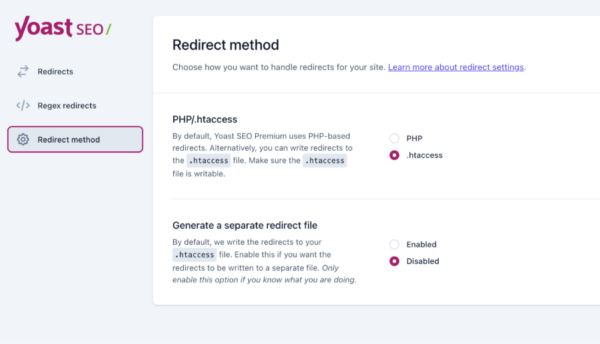
.htaccessRedirect Method Configured: Crucially, the site’s redirect method in the Redirect Manager settings must have been configured to use the.htaccessmode. Many WordPress installations use PHP-based redirects by default, which would not have been vulnerable to this specific flaw.
This narrow set of conditions explains why the "vast majority of users" were not impacted. Sites using alternative redirect methods (like PHP-based redirects) or not utilizing the Redirect Manager at all were inherently protected from this particular vulnerability. However, for those meeting all three criteria, the risk was significant, making the update paramount. Users can easily verify their redirect settings by navigating to [www.yoursite.com]/wp-admin/admin.php?page=wpseo_redirects#/redirect-method in their WordPress admin panel. If the .htaccess mode is not explicitly enabled, the site was not at risk from this vulnerability.
The Resolution: Yoast SEO Premium 27.6.1 and Its Multi-Layered Defense
The patch introduced in Yoast SEO Premium 27.6.1 implements a robust, multi-layered defense strategy to completely neutralize the vulnerability. These protective measures include:

- Improved Input Validation: The plugin now performs more stringent checks on user input, specifically for redirect URLs and target paths. This ensures that only valid and expected characters are accepted, preventing the introduction of malicious special characters.
- Escaping Special Characters: Before any data is written to the
.htaccessfile, the patch ensures that all special characters are properly escaped. Escaping neutralizes the interpretive meaning of these characters, treating them as literal strings rather than executable commands, thereby preventing them from being processed as part of the.htaccessconfiguration. - Enhanced Sanitization: Beyond validation and escaping, the update incorporates broader sanitization routines for data intended for the
.htaccessfile. This additional layer of cleansing helps to strip away any potentially harmful content that might slip through initial validation, further hardening the security posture.
These three layers work in concert to ensure that no unexpected or malicious configuration can be injected into the .htaccess file via the Redirect Manager, effectively closing the attack vector that could have led to site crashes or RCE. Yoast’s rapid response and comprehensive fix demonstrate their commitment to user security and the integrity of their products.
Chronology of Events: A Standard Security Disclosure Process
While specific dates for discovery and internal analysis were not immediately provided, the release of Yoast SEO Premium 27.6.1 follows a typical timeline for responsible security disclosures and patching:
- Discovery: The vulnerability was likely identified either internally by Yoast’s security team during routine audits or code reviews, or externally by a security researcher who followed responsible disclosure guidelines. Given the prompt fix and lack of observed exploitation, an internal discovery or a private external disclosure is probable.
- Verification and Assessment: Upon discovery, Yoast’s security team would have immediately verified the vulnerability, assessed its potential impact, and determined the specific conditions required for exploitation. This phase is crucial for understanding the severity and scope.
- Patch Development: Engineers would then have worked diligently to develop a comprehensive fix, incorporating the multi-layered protections outlined above. This process often involves careful coding to ensure the fix resolves the vulnerability without introducing new bugs or breaking existing functionality.
- Internal Testing and Quality Assurance: Before release, the patched version would undergo rigorous internal testing to ensure its effectiveness in mitigating the vulnerability and its compatibility with various WordPress environments and other plugins.
- Release of Yoast SEO Premium 27.6.1: The official release of the patched versions for Yoast SEO Premium, Yoast WooCommerce SEO, and Yoast SEO AI+ occurred, making the fix available to all users.
- Public Advisory: A security advisory, such as the initial announcement, was published to inform users of the vulnerability, its scope, and the necessary steps to take. Yoast has indicated that a full security advisory, likely containing more technical details, will be published soon.
- Post-Release Monitoring: Yoast’s security team continues to monitor for any signs of exploitation or related issues in the wild, ensuring the patch is effective and no new attack vectors emerge.
This structured approach is standard practice in the software industry for handling security vulnerabilities, prioritizing user protection and transparency.
Call to Action: Essential Steps for Users
For all users of Yoast SEO Premium, Yoast WooCommerce SEO, or Yoast SEO AI+, the immediate recommendation is to update to version 27.6.1 or later. The update process is straightforward and can typically be completed by a site administrator in under two minutes directly from the WordPress plugins screen.
- Priority for At-Risk Users: If a site meets all three conditions for vulnerability (affected plugin installed, Redirect Manager enabled,
.htaccessredirect method selected), updating should be considered an urgent priority. - General Best Practice: Even if a site does not meet the specific vulnerability criteria, updating to 27.6.1 is strongly recommended. Keeping all WordPress core, themes, and plugins up-to-date is a fundamental security best practice. Updates often include not only security fixes but also performance enhancements, bug resolutions, and new features. Running outdated software leaves sites exposed to known vulnerabilities that could be exploited by automated bots.
Users who are uncertain about their redirect settings can check directly within their WordPress admin panel by navigating to [www.yoursite.com]/wp-admin/admin.php?page=wpseo_redirects#/redirect-method. If the option for .htaccess mode is not enabled, they are not at risk from this specific vulnerability. However, the general recommendation to update still stands for overall site health and security.
Broader Context: The WordPress Security Landscape
WordPress, powering over 43% of all websites globally, is an undeniable force in the internet ecosystem. Its widespread adoption, however, also makes it a prime target for malicious actors. While the WordPress core itself is rigorously tested and generally secure, the vast ecosystem of plugins and themes often presents the weakest links in the security chain. Statistics consistently show that a significant percentage of WordPress vulnerabilities originate from third-party plugins.
This incident with Yoast SEO Premium highlights several critical aspects of WordPress security:
- Plugin Vulnerabilities are Common: Even highly reputable and widely used plugins like Yoast SEO can, inadvertently, contain security flaws. This underscores the need for continuous security auditing and responsible disclosure.
- The Power of
.htaccess: The.htaccessfile, while offering immense flexibility for server configuration, also represents a potent point of attack if not properly secured. Direct manipulation or injection into this file can bypass many security measures. - Authenticated User Attacks: While "authenticated user" vulnerabilities might seem less critical than those exploitable by unauthenticated users (who don’t need to log in), they are still severe. Compromised user accounts (e.g., through weak passwords, phishing, or other vulnerabilities) can then be leveraged to exploit such flaws.
- Importance of Rapid Patching: Yoast’s swift identification and patching of the vulnerability, coupled with clear communication, is a model for responsible software development. The speed of patching is often a critical factor in preventing widespread exploitation.
- Layered Security: Beyond keeping software updated, website owners should implement a layered security approach, including strong passwords, security plugins, regular backups, and potentially a Web Application Firewall (WAF) to detect and block malicious traffic before it reaches the server.
Implications for Website Owners and SEO Professionals
For website owners and SEO professionals, security is not merely an IT concern; it is directly intertwined with business continuity and search engine visibility. A security breach, particularly one leading to remote code execution, can have devastating consequences:
- Reputational Damage: A compromised website can erode user trust, damage brand reputation, and lead to a significant loss of credibility.
- Data Loss or Theft: Sensitive customer data, business information, or user credentials could be stolen, leading to legal liabilities and financial penalties (e.g., GDPR fines).
- SEO Penalties: Search engines like Google actively penalize compromised websites, flagging them as unsafe or removing them from search results entirely. Recovering from such a penalty can be a lengthy and challenging process, severely impacting organic traffic and revenue.
- Downtime and Recovery Costs: A site crash or a full compromise necessitates significant downtime for cleanup and recovery, incurring direct costs for technical support and lost business opportunities.
This incident serves as a stark reminder that maintaining a secure website is an ongoing responsibility. SEO professionals, often focused on content and technical optimization, must also be vigilant about the underlying security posture of the platforms they manage.
Official Statements and Expert Perspectives
Yoast’s official communication clearly states that while the vulnerability was serious, there has been "no evidence of exploitation" and "no known cases of abuse." This is reassuring and suggests that their proactive measures may have prevented widespread harm. The company’s transparency in disclosing the nature of the vulnerability and providing clear instructions for users is commendable.
Security experts generally agree that prompt disclosure and patching are paramount. When vulnerabilities are handled responsibly, developers empower users to protect themselves before widespread attacks can materialize. The "authenticated user" aspect means attackers would first need to gain access to a WordPress account, which is a prerequisite. This mitigates the immediate threat compared to vulnerabilities exploitable by anyone without authentication, but it does not diminish the severity of what could happen after an account is compromised.
The Future of Yoast SEO and Plugin Security
Yoast’s commitment to security is an ongoing process. As a leader in the WordPress plugin space, they are expected to maintain rigorous security practices, including regular code audits, penetration testing, and a robust vulnerability disclosure program. The continuous evolution of cyber threats means that developers must remain agile and responsive.
This incident reinforces the collaborative nature of security in the open-source world. It highlights the importance of the security community in identifying potential flaws, responsible disclosure channels, and the dedication of developers to swiftly address issues. For users, the takeaway is clear: stay informed, update diligently, and always prioritize website security as an integral part of digital presence management.
In conclusion, the release of Yoast SEO Premium 27.6.1 is a significant event in the WordPress security landscape. While affecting a limited subset of users, the potential for remote code execution underscored the severity of the flaw. Yoast’s prompt action, transparent communication, and comprehensive fix serve as an important case study in responsible software development and incident response. For website administrators, the message is unequivocal: update immediately and maintain a vigilant approach to plugin and overall website security to safeguard against evolving cyber threats.