A blog serves as a pivotal tool for any website, regardless of its purpose—be it an online shop, a personal portfolio, or a corporate hub. In today’s dynamic digital landscape, where Artificial Intelligence (AI) increasingly shapes how users discover information, effective blogging transcends mere ranking; it demands content that truly stands out, answers complex questions comprehensively, and builds undeniable trust with its audience. This comprehensive guide navigates the essential elements of successful blogging, from initial inspiration and crafting compelling posts to advanced SEO strategies, audience development, monetization, and long-term maintenance, all viewed through the critical lens of AI search evolution.
The Strategic Imperative of Blogging in the AI Era
The digital ecosystem has undergone a significant transformation, with AI search platforms like Google’s AI Overviews and AI Mode redefining how information is consumed. These systems are designed to synthesize answers directly, often before a user even clicks on a link. For a blog to thrive in this environment, it must not only be discoverable but also offer clear, authoritative, and deeply relevant content that addresses user queries thoroughly. Failing to integrate a robust blogging strategy means missing a crucial avenue for visibility and audience connection.
Blogging as a Cornerstone of Sustainable SEO
Regular content creation is an indispensable component of any sustainable SEO strategy. Search engines, including those powered by AI, interpret consistent updates as signals of an active, relevant, and authoritative website. This continuous activity helps pages rank higher in both traditional search results and AI-generated snapshots, where Google summarizes answers for users. Data indicates that websites with active blogs often experience significantly higher organic traffic and indexation rates compared to their non-blogging counterparts. For instance, studies frequently highlight that businesses with blogs typically generate 67% more leads per month than those without.
Furthermore, blogging enables a website to target a broader spectrum of keywords and maintain relevance for existing ones. As AI search increasingly favors fresh, well-structured content, regular updates ensure competitive positioning. A blog provides diverse opportunities to address various search intents—informational, navigational, commercial investigation, and transactional—drawing in users at different stages of their journey. By providing in-depth articles that cater to specific questions or problems, blogs become vital entry points for potential customers or followers.
Blogging as an Advanced Marketing Instrument
Beyond its SEO benefits, a blog functions as an exceptionally powerful marketing tool, fostering deeper connections with readers. It allows brands and individuals to articulate their values, share behind-the-scenes insights, and showcase real customer experiences, moving beyond transactional sales pitches. In an age saturated with advertisements, authentic storytelling resonates more profoundly. Content that offers genuine utility or entertainment builds trust and encourages future engagement. When users find valuable information on a site, they are more likely to remember the brand and convert later. This authentic engagement is increasingly prioritized by AI search, which tends to favor brands recognized for their authority and trustworthiness. As Carolyn Shelby, Principal SEO at Yoast, aptly states, "A blog isn’t valuable just because it exists. It becomes valuable when it helps your audience solve problems, understand something better, or see your expertise in action. In today’s search landscape, the goal isn’t simply to publish, or even to publish more. It’s to create content worth being found, cited, and remembered."

Laying the Foundation: Strategic Blog Setup
Initiating a new blog necessitates meticulous pre-planning to avert future complications, particularly given AI search’s preference for organized, intent-driven content. The initial phase involves defining a specific niche and conducting thorough keyword research. This process should extend beyond merely chasing high search volumes; it must focus on identifying topics that genuinely concern the target audience, addressing their questions, and solving their problems.
Crucially, establishing a clear and manageable blog structure from the outset is paramount. A logical hierarchy of categories, subcategories, and tags enhances navigability for both human readers and search engine crawlers, which in turn boosts engagement and ranking potential. This foundational work includes mapping out cornerstone topics—comprehensive pieces that serve as central hubs for related content—and developing a robust internal linking strategy. A well-structured foundation provides the flexibility to adapt as AI search algorithms continue to evolve.
Fueling Your Blog: Strategies for Content Generation
A continuous stream of fresh ideas is the lifeblood of a successful blog. Whether blogging is the primary function of a site or a supporting marketing tool, identifying relevant topics is key. Understanding where to source inspiration is vital.
Leveraging Keyword Research for AI-Driven Content
Effective keyword research is the initial and most critical step in SEO copywriting. It involves delving into the mind of the target audience to understand the precise terms and phrases they use when searching for information related to your business or niche. In the era of AI, this extends beyond single keywords to encompass longer phrases, natural language questions, and conversational queries that users might pose to AI search tools. Integrating these exact terms into your content signals relevance to both traditional search engines and AI-powered results. Comprehensive keyword research, therefore, remains an essential part of any successful SEO strategy, even as search paradigms shift.
Targeting Search Intent with Precision
As part of keyword research, identifying the underlying search intent behind queries is non-negotiable. Users approach search engines with specific goals, and understanding these goals—whether to learn (informational), find a specific site (navigational), compare options (commercial investigation), or make a purchase (transactional)—allows for highly targeted content creation. AI search tools, such as Google’s AI Overviews, prioritize content that directly aligns with user intent. For instance, an online shop’s product pages cater to transactional intent, but informational blog posts can attract a significantly larger audience in their early research phases. Crafting relevant, helpful articles at this stage can draw potential customers into the sales funnel long before they are ready to buy.
Diverse Sources of Inspiration
Once a list of keywords and target intents is established, the next challenge is transforming these into compelling blog post ideas. A keyphrase is merely a starting point; a successful blog post requires a unique angle or a specific narrative. Inspiration can be drawn from myriad sources:
- Customer Feedback: Frequently asked questions, comments, and support tickets often reveal pressing needs or common misconceptions that can be addressed in a blog post.
- Industry Trends and News: Capitalizing on current events or emerging trends within your niche can generate timely and relevant content.
- Competitor Analysis: Observing what successful competitors are blogging about can highlight gaps or opportunities for unique perspectives.
- Personal Experience and Expertise: Sharing unique insights, case studies, or personal anecdotes can differentiate content.
- Content Consumption: Regularly reading industry publications, books, and other blogs can spark new ideas.
- Website Analytics: Analyzing which existing posts garner the most traffic or highest engagement can inform future content strategy, allowing you to "double down on what works."
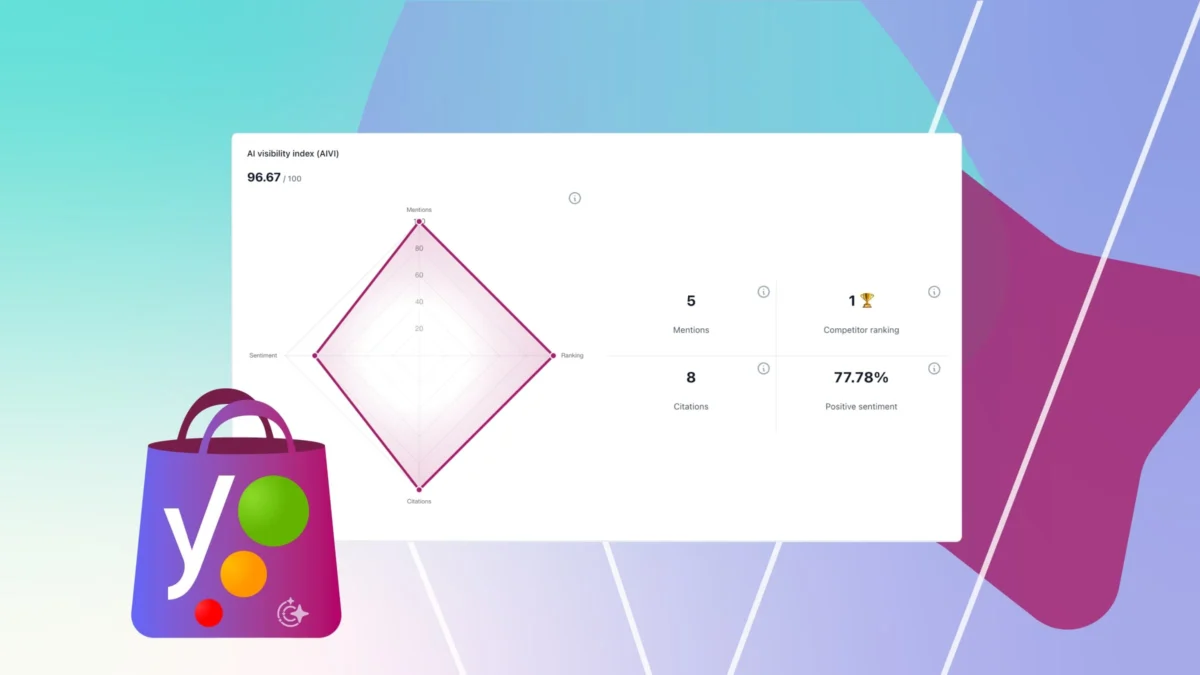
- AI-Powered Tools: Large Language Models (LLMs) like OpenAI’s ChatGPT, Google’s Gemini, Perplexity, or Anthropic’s Claude can assist in brainstorming and outlining. Specialized tools like Yoast AI Brand Insights can analyze how a brand appears in chatbots, offering valuable perspectives.
Maintaining a running list of ideas, perhaps on a mobile device, ensures that inspiration is captured whenever it strikes.

Overcoming Writer’s Block with AI Assistance
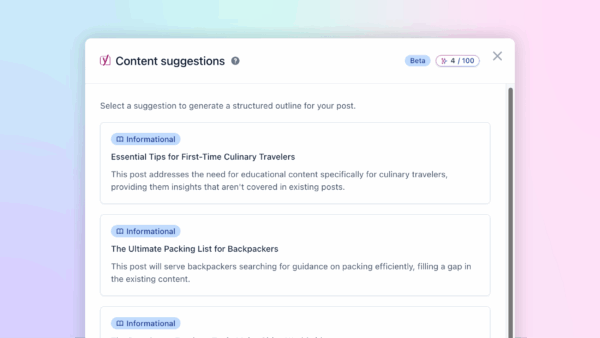
For Yoast SEO Premium users, the Yoast AI Content Planner offers a practical solution to writer’s block. This feature scans existing content, identifies gaps in coverage, and generates five tailored post ideas, each with a ready-to-use draft framework. This framework includes a suggested title, outline, focus keyphrase, meta description, and section notes, significantly accelerating the writing process. Users can refresh ideas if the initial suggestions don’t align, moving from a blank page to a first draft within minutes, directly within the WordPress editor.
Crafting High-Quality Blog Posts: Originality and Readability
The cornerstone of any successful blog post lies in its quality, defined primarily by its originality and readability.
The Imperative of Original Content
In an increasingly saturated digital space, posts must be fresh, unique, and offer a distinctive perspective. This is more critical than ever, as Google’s AI search tools actively filter out generic or repetitive content. The focus must be on what differentiates your content, even within a crowded niche. Content must not merely exist; it must be compelling and valuable enough for people to want to read it. Good is no longer sufficient; exceptional is the new benchmark.
Google has explicitly warned against "commodity content"—material that merely rehashes existing information without adding novel value. AI-generated summaries and search results prioritize content that stands out. If a post lacks a fresh perspective or fails to solve a problem in a unique way, it risks being overlooked. With the proliferation of AI-generated content, Google’s algorithms increasingly prioritize human expertise, experience, authoritativeness, and trustworthiness (E-E-A-T), qualities that AI cannot genuinely replicate. A well-executed blog can provide this invaluable human touch.
The Crucial Role of Readability
After ensuring originality, the next priority is readability. A well-structured and clearly written article ensures that readers understand the message effectively. Readability also has a direct impact on SEO, as Google’s AI tools favor content that is easy to scan, digest, and comprehend. Posts with a clear structure, logical paragraphs, appropriate subheadings, and accessible language are more likely to rank higher in search results.
Practical Guidelines for High-Quality Posts:
- Pre-Writing Planning: Before typing, dedicate time to planning. Define the target audience, the core message, desired reader takeaways, and the logical flow of topics. This upfront work enhances focus and efficiency.
- Clear Paragraphs: Employ an inverted pyramid style, starting each paragraph with the most important sentence, then expanding on it. This allows for quick skimming and comprehension by both readers and AI systems. Keep paragraphs concise, typically seven to eight sentences. Prioritize simple, direct language over jargon.
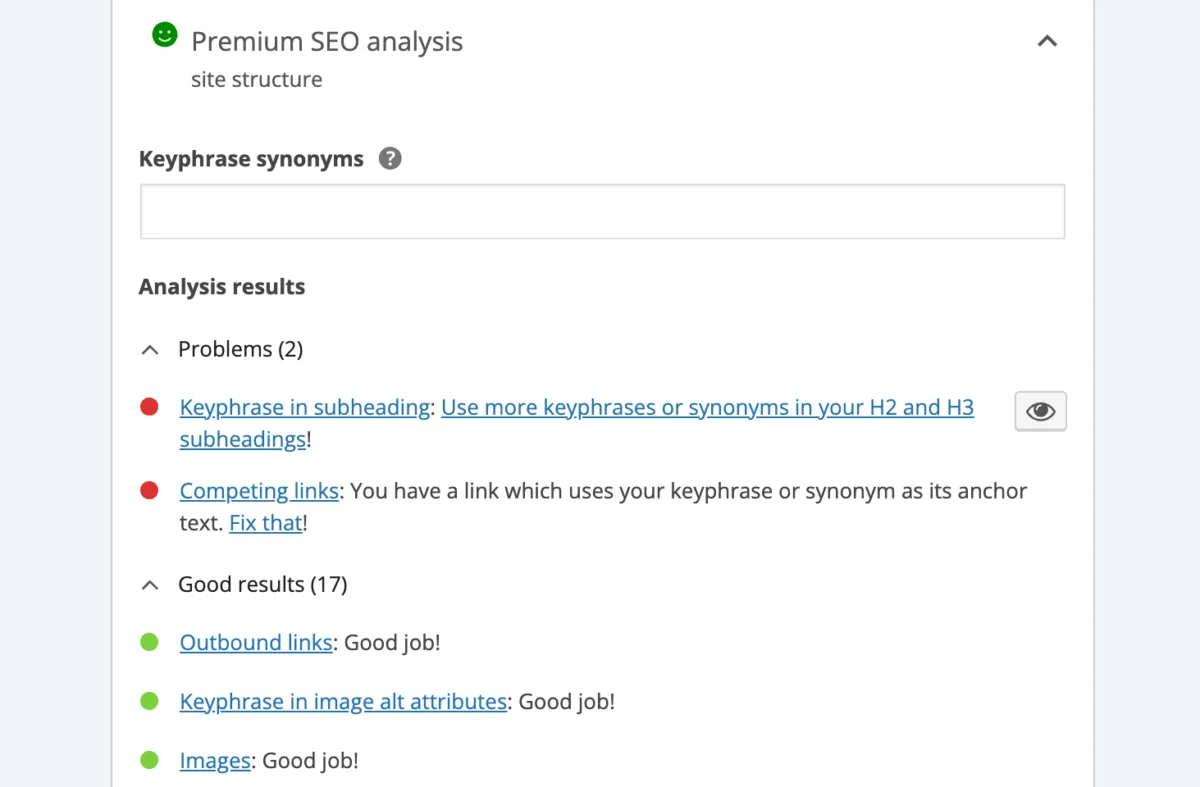
- Seek Feedback and Utilize Tools: Tools like the Yoast SEO plugin provide real-time readability analysis, flagging long sentences or suggesting transition words, which are crucial for AI-friendly content. Yoast SEO Premium offers additional AI features like Yoast AI Optimize to further refine writing. However, human review remains indispensable. A fresh pair of eyes can catch typos, grammatical errors, and ensure overall clarity, ensuring the message resonates with the intended audience.
Optimizing for Search Engines: The Post-Writing Phase
Once a blog post is original and readable, the final step is to optimize it for search engines. This process aims to maximize the likelihood of Google discovering and prioritizing the content, but crucially, it should occur after the writing is complete. SEO should never compromise the originality of the idea or the readability of the text.
How Yoast SEO Facilitates Optimization
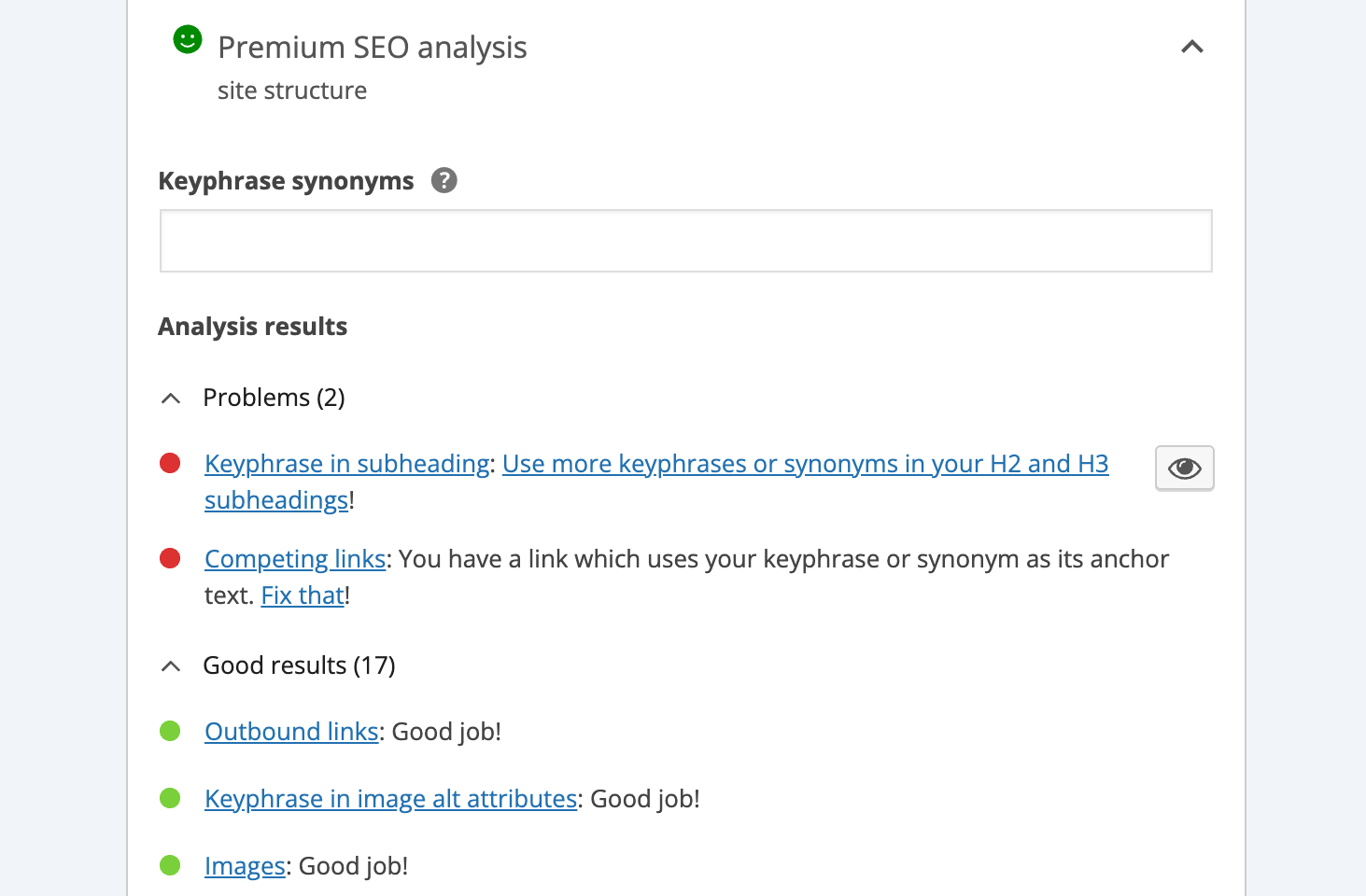
Yoast SEO provides a suite of tools to fine-tune posts without guesswork, a process often referred to as "Yoasting your post." This involves making strategic, minor adjustments to enhance visibility. These tools help with:
- Keyword Integration: Ensuring the focus keyphrase is naturally incorporated into the title, headings, meta description, and body text.
- Readability Analysis: Offering suggestions to improve sentence length, paragraph structure, and use of transition words.
- Internal Linking: Identifying opportunities to link to other relevant content on your site, strengthening site structure.
- Meta Description and Title Tag Optimization: Guiding the creation of compelling and keyword-rich meta descriptions and title tags that attract clicks.
- Image Optimization: Ensuring images have appropriate alt text and are compressed for faster loading.
These features empower bloggers to spot opportunities, implement improvements, and give their posts the best chance of being discovered, without "gaming the system." The goal is to create content that is genuinely valuable for both search engines and human readers.
Fostering Blog Engagement and Community
Blog engagement is a powerful SEO signal. When an audience leaves comments, shares posts on social media, or discusses content online, it indicates an active and valuable resource. Google’s algorithms interpret this interaction as a sign of relevance and authority. Engagement extends beyond simple comments and shares; citations (when others reference your content) and mentions (even without direct links) also significantly contribute to a blog’s perceived authority and trustworthiness.
Responding to comments is crucial for cultivating engagement. Actively participating in discussions and answering questions demonstrates that you value your audience, encouraging further interaction. While positive feedback is straightforward, handling negative comments professionally and constructively is essential to maintaining a positive community environment.
Strategic Blog Marketing and Monetization
Creating exceptional content is only half the battle; an audience is essential for its impact. While impeccable SEO aids discoverability, proactive marketing is indispensable.
Leveraging Social Media and Newsletters
Social media platforms are potent channels for connecting with audiences and driving traffic. A presence on platforms like Facebook, X (formerly Twitter), or Reddit is a starting point, but understanding audience demographics dictates further expansion. For younger audiences, Instagram and TikTok are critical, with short-form video content (Reels, TikToks) proving highly effective for broader reach and engagement. Repurposing blog content into digestible social media snippets can dramatically extend its lifespan and impact.
Email newsletters offer a direct, algorithm-independent line to your audience. Collecting email subscribers and sending regular updates—featuring new posts, exclusive insights, special offers, or behind-the-scenes content—builds a loyal readership and encourages repeat visits.
Diverse Monetization Strategies
While many bloggers prioritize community building or knowledge sharing, monetization remains a significant goal for others. Growing an audience doesn’t automatically translate to income, but several effective strategies exist:
- Affiliate Marketing: Promoting products or services from other companies and earning a commission on sales.
- Advertising: Displaying ads on the blog (e.g., Google AdSense), earning revenue based on impressions or clicks.
- Sponsored Content: Collaborating with brands to create sponsored posts or reviews.
- Selling Digital Products: Creating and selling e-books, online courses, templates, or premium content.
- Offering Services: Using the blog to attract clients for consulting, coaching, or freelance services.
- Memberships/Subscriptions: Offering exclusive content or community access for a recurring fee.
- Donations: Allowing readers to support the blog directly.
For businesses with online shops, a blog can significantly boost rankings by attracting organic traffic and strategically linking to product pages, ultimately driving direct sales.
Sustaining Growth: Blog Maintenance and Evolution
Starting a blog is often simpler than maintaining its momentum. Consistent effort and discipline are required to keep a blog thriving. While daily posting isn’t necessary, establishing and adhering to a regular publishing frequency builds audience trust and sets expectations.
Addressing Common Challenges:
As a blog expands, new SEO and content management challenges invariably emerge.
- Content Decay: Older content can lose relevance or accuracy. Regularly updating and refreshing existing posts ensures they remain valuable and competitive.
- Multi-Author Management: For blogs with multiple contributors, maintaining a consistent voice, style, and quality requires clear editorial guidelines and a robust content workflow.
- Traffic Declines: Analyzing analytics to identify reasons for traffic drops (e.g., algorithm changes, competitor activity, content staleness) is crucial for course correction.
- Site Structure: As a blog grows, its organizational structure must evolve. Implementing topic clusters, where related posts are grouped around "pillar pages" (e.g., "SEO Basics" linking to "Keyword Research," "On-Page SEO"), enhances logical navigation for users and search engines. Regular internal link audits ensure new posts link to relevant older content and vice-versa. Content pruning—deleting or redirecting low-value or outdated posts—keeps the site lean and focused, which is beneficial for SEO.
Strategic Content Planning
Beyond spontaneous posts, a growing blog demands strategic content planning. An editorial calendar is an invaluable tool for mapping out topics, deadlines, and authors in advance, preventing duplicate content and ensuring consistent tone. Content audits help identify gaps, opportunities, and underperforming content. Tools like the Yoast AI Content Planner can further streamline this process.
Avoiding Keyword Cannibalization
In a niche blog, it’s common to address similar topics over time, but this can lead to keyword cannibalization—where multiple articles compete for the same keyphrases. This confusion for search engines can result in both articles ranking lower. Regular SEO audits are essential to identify and rectify such issues, potentially by merging content, using canonical tags, or re-optimizing posts for distinct keywords.
Conclusion
Blogging remains one of the most potent tools for digital growth, enhancing search visibility and transforming casual visitors into loyal followers. In the age of AI search, its importance is amplified, requiring a strategic, quality-driven approach. Success hinges on a well-defined keyword strategy, ensuring content is original, highly readable, and meticulously structured to cater to both human comprehension and AI processing. As blogs mature, consistent maintenance, proactive engagement with the audience, and intelligent content planning become paramount. By embracing these principles, content creators can build blogs that not only rank high but also deliver enduring value, establishing authority and fostering a thriving community in the evolving digital landscape. The time to craft exceptional content, designed for both human connection and AI discoverability, is now.