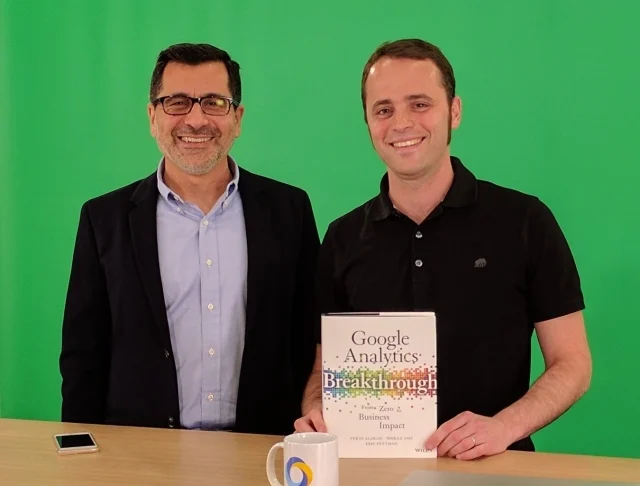
In an era defined by the rapid proliferation of digital touchpoints, the methodology behind data collection and interpretation has transitioned from a technical peripheral to a core business necessity. Feras Alhlou, Co-Founder and Principal Consultant at E-Nor, and Daniel Waisberg, a prominent figure in the analytics community and co-author of "Google Analytics Breakthrough," recently convened to discuss the shifting landscape of digital measurement. Their dialogue centered on the necessity of viewing analytics not merely as a collection of metrics, but as a comprehensive business process designed to drive actionable insights and personalization. As organizations grapple with an overwhelming volume of data across web, mobile, and social platforms, the framework proposed by Alhlou provides a structured roadmap for converting raw information into sustainable business value.
The Foundation of Measurement: The E-Nor Optimization Framework
At the heart of the discussion is the E-Nor Optimization Framework, a multi-stage approach that prioritizes business objectives over technical implementation. Alhlou argues that the primary failure of many digital strategies is the tendency to rush into data collection without a clear understanding of what matters to the organization. To rectify this, the framework begins with a rigorous dual-pronged audit.
The first component is the business audit, which involves deep engagement with stakeholders to identify Key Performance Indicators (KPIs) that align with overarching corporate goals. This ensures that the data being tracked serves a purpose beyond simple reporting. The second component is the technical audit, which evaluates the integrity of the existing data infrastructure. This phase identifies gaps in tracking, ensures data accuracy, and verifies that the technical setup can support the business requirements identified in the initial phase.
Once the foundation is established, the framework moves into the reporting layer. This stage is dedicated to the visualization and distribution of data, ensuring that the right information reaches the right decision-makers in a digestible format. However, Alhlou emphasizes that reporting is only the precursor to true analysis. Analysis involves digging beneath the surface of the reports to find "actionable insights"—patterns or anomalies that suggest a specific course of action to improve performance. The final and most impactful stage of the framework is testing and personalization. By utilizing analyzed data to run A/B tests and deliver personalized user experiences, businesses can directly influence conversion rates and customer loyalty.
Navigating the Complexity of the Modern Data Ecosystem
The digital landscape has evolved significantly from the early days of web tracking. Alhlou notes that "life used to be simple for marketers" when consumer behavior was largely restricted to a single device and a handful of channels. Today, the reality is a fragmented ecosystem where a single customer journey may span multiple devices—including smartphones, tablets, and desktops—and involve interactions across social media, organic search, and paid advertising, as well as backend CRM systems.
This "data everywhere" environment necessitates a sophisticated approach to context. Without context, data is often misleading. For instance, a high bounce rate on a mobile page might be interpreted as a failure of content, but within the context of a "quick-look" user behavior, it might actually indicate that the user found the information they needed immediately. To address this, Alhlou suggests that organizations must focus on understanding the context surrounding their data sets, integrating mobile and social signals with traditional web analytics to form a holistic view of the customer.
Supporting industry data underscores the urgency of this approach. According to recent market research, companies that adopt a data-driven strategy are six times more likely to be profitable year-over-year compared to those that do not. Furthermore, the global digital analytics market is projected to grow at a compound annual growth rate (CAGR) of over 15% through the next several years, reflecting the increasing investment in tools that can synthesize these disparate data streams.
The Strategic Roadmap: From Ownership to Market Research
A critical takeaway from the collaboration between Alhlou and Waisberg is the recommendation for a phased data roadmap. For organizations overwhelmed by the sheer volume of available information, the advice is to start with "what you own." This primarily includes web and mobile analytics data—the first-party data that the company controls directly. By mastering the measurement of their own properties, businesses establish a baseline of user behavior.
The second phase of the roadmap involves augmentation. This includes integrating basic social media data to add a layer of qualitative understanding to the quantitative metrics. Social data often provides the "why" behind the "what," offering glimpses into customer sentiment and brand perception that traditional web logs cannot capture.
The final stage of the roadmap introduces sophisticated tools for voice-of-the-customer (VoC) research. Alhlou highlights the utility of Google Surveys as a transformative tool in this regard. Historically, market research was a costly and time-consuming endeavor, often reserved for large corporations with massive budgets. The democratization of survey tools allows businesses of all sizes to conduct targeted research on their own properties or across the broader web. This allows for a deeper understanding of the customer’s intent and satisfaction, bridging the gap between behavioral data and psychological drivers.
Chronology of Analytics Evolution and Partnership
The partnership between Alhlou and Waisberg spans nearly a decade, a period that mirrors the most significant growth years of the Google Analytics platform. Their collaboration culminated in the publication of "Google Analytics Breakthrough," a comprehensive guide that has become a standard text for practitioners.
- 2008-2012: The period of foundational growth where web analytics moved from simple hit counters to sophisticated event tracking. E-Nor emerged as a key partner in the Google Analytics Certified Partner (GACP) program.
- 2013-2017: The rise of Universal Analytics and the shift toward cross-device tracking. During this time, the need for a "measurement strategy" became a dominant theme in industry conferences.
- 2018-Present: The transition toward privacy-centric measurement and the introduction of GA4. The principles discussed by Alhlou—auditing, reporting, analysis, and testing—remain the constants in an ever-changing technical environment.
This timeline illustrates that while the tools (such as the transition from Urchin to Universal Analytics and eventually to Google Analytics 4) have changed, the fundamental business processes required to extract value from those tools have remained remarkably consistent.
Expert Analysis: The Implications of Data Maturity
The implications of failing to implement a structured analytics framework are significant. In the current economic climate, marketing budgets are under increased scrutiny. Organizations that cannot demonstrate a clear return on investment (ROI) through data are at a distinct disadvantage.
Industry analysts suggest that the "reporting trap"—where companies spend 90% of their time creating reports and only 10% analyzing them—is the most common barrier to data maturity. Alhlou’s framework is specifically designed to invert this ratio. By automating the reporting layer and ensuring data integrity through audits, organizations can free up resources for high-value activities like multivariate testing and personalized marketing automation.
Furthermore, the integration of qualitative data via surveys represents a shift toward "empathetic analytics." By understanding the frustrations or motivations of the user through direct feedback, companies can move beyond optimizing for clicks and start optimizing for customer lifetime value (CLV). This transition is essential for brands looking to build long-term loyalty in a competitive digital marketplace.
Conclusion and Future Outlook
The dialogue between Feras Alhlou and Daniel Waisberg serves as a reminder that digital analytics is not a destination but a continuous cycle of improvement. As artificial intelligence and machine learning become more integrated into analytics platforms, the "Analysis" and "Testing" phases of the E-Nor framework will likely become more automated. However, the initial "Audit" and "Stakeholder Engagement" phases will remain inherently human processes, requiring strategic thinking and a deep understanding of business goals.
For modern enterprises, the message is clear: success in the digital economy requires a disciplined approach to data. By establishing a clear roadmap, focusing on context, and viewing analytics as a core business process, organizations can navigate the complexities of the modern data landscape and turn information into a formidable competitive advantage. The work of pioneers like Alhlou and Waisberg continues to provide the blueprint for this transformation, ensuring that as data grows in volume, it also grows in value.