In an era increasingly defined by heightened digital privacy concerns and the transformative influence of artificial intelligence, email marketers are facing an urgent mandate to rethink their engagement strategies. A key prediction for email marketing by 2026 underscored this shift: a growing number of brands would dedicate specific email campaigns to promote their preference centers. This foresight is rooted in a fundamental understanding that modern subscribers demand greater autonomy over their communication experience, seeking control over the frequency and relevance of messages they receive. When brands deliver content that genuinely resonates, subscriber engagement, including open and click-through rates, naturally escalates.
However, the current landscape reveals a significant challenge. Recent research from Mailerlite indicates a dramatic acceleration in unsubscribe rates, with year-on-year figures more than doubling from 2024 to 2025. This alarming trend is largely attributed to policy changes implemented by major mailbox providers (MBPs) like Gmail, which have made the process of opting out considerably easier for users. The primary drivers behind these opt-outs and spam complaints remain consistent: "too many emails" and "messages not relevant." Paradoxically, a substantial portion of these subscribers would prefer to simply adjust their email frequency or content preferences rather than severing ties with a brand entirely – if only they were adequately informed of such options.
The Shifting Landscape of Email Engagement: A Chronology of Change
The current imperative to prioritize preference centers is not an isolated development but rather the culmination of several significant shifts in the digital ecosystem over recent years.
Apple’s Mail Privacy Protection (MPP) – Launched September 2021:
A pivotal moment arrived with Apple’s introduction of Mail Privacy Protection (MPP) as part of iOS 15. This feature fundamentally altered how email marketers track open rates by routing all emails through proxy servers, masking user IP addresses, and pre-loading remote content (including tracking pixels) regardless of whether the user actually opened the email. The immediate implication was a drastic reduction in the reliability of open rates as a primary metric for engagement. Marketers, no longer able to accurately gauge genuine opens, were compelled to seek alternative, more explicit forms of subscriber data to understand engagement and personalize content. This pushed the concept of "zero-party data"—data that a customer intentionally and proactively shares with a brand—to the forefront.
The Rise of Zero-Party Data:
In the wake of MPP and evolving global privacy regulations like the General Data Protection Regulation (GDPR) in Europe and the California Consumer Privacy Act (CCPA) in the United States, zero-party data has emerged as a gold standard. Unlike first-party data (collected directly by the brand from interactions) or third-party data (purchased from external sources), zero-party data is volunteered by the customer, offering explicit insights into their preferences, intentions, and desires. This direct, transparent exchange builds trust and allows brands to tailor experiences with a level of precision previously unattainable. Preference centers are the quintessential mechanism for collecting this invaluable data.
Gmail and Yahoo’s Enhanced Unsubscribe Policies – Mandated February 2024:
The most recent and impactful catalyst has been the sweeping policy changes enacted by Google (for Gmail) and Yahoo for bulk senders. Effective February 2024, these MBPs mandated that senders of over 5,000 emails per day implement a one-click unsubscribe mechanism, clearly visible in the email header. Furthermore, senders were required to maintain a spam complaint rate below 0.1% and authenticate their emails using industry standards like SPF, DKIM, and DMARC. These changes were designed to significantly enhance user experience by reducing unwanted mail and making the opt-out process seamless. While beneficial for consumers, they presented a stark challenge for marketers, as unsubscribe rates could naturally climb due to the newfound ease of opting out. The underlying message from MBPs was clear: deliver relevant, wanted content, or risk being unsubscribed or, worse, marked as spam, severely impacting deliverability.
AI-Fueled Developments Across Major Mailbox Providers:
Beyond these explicit policy changes, the underlying algorithms of MBPs are increasingly sophisticated, driven by artificial intelligence. AI models continuously analyze user engagement signals—opens, clicks, replies, deletes without opening, and spam complaints—to determine email deliverability and inbox placement. If a subscriber consistently ignores or deletes a brand’s emails, or frequently unsubscribes, the AI interprets these as negative signals, potentially routing future emails from that sender to the spam folder for other users as well. This makes genuine inbox engagement, fostered by relevant content derived from preference data, more critical than ever before. The future of deliverability is inextricably linked to understanding and respecting subscriber preferences.
The Unmet Potential: Why Preference Centers Remain Underutilized
Despite the clear benefits and the undeniable shift in the digital landscape, many brands are still lagging in their adoption and promotion of preference centers. A significant part of the problem stems from a common oversight: preference center links are often relegated to the tiny, easily overlooked text in email footers. This "burying" of a crucial tool severely limits its organic discovery and usage. When industry practitioners are polled, there’s a consensus: the low utilization of preference centers isn’t due to a lack of subscriber interest in customizing their experience, but rather a profound lack of awareness that such options even exist. This disconnect represents a missed opportunity for brands to foster deeper relationships and collect valuable insights directly from their audience.
Quantifiable Returns: The Proven Value of Preference Centers
The efficacy of robust preference centers is not merely theoretical; it is backed by compelling data. Brands that invest in well-designed and strategically promoted preference centers consistently report significant improvements in key email marketing metrics.
For instance, Single Grain published research detailing the success of an e-commerce client that implemented a tiered preference center. The results were remarkable: a 189% increase in email engagement and a substantial 76% decrease in unsubscribes. These figures underscore the power of giving subscribers control, transforming potential churn into active, engaged readership. Furthermore, Oracle conducted research highlighting the effectiveness of a simple yet impactful feature: a "snooze" option within email preference centers. Senders who offered subscribers the ability to temporarily pause communications rather than permanently opt-out saw unsubscribes drop by an average of 82%. This demonstrates that many subscribers simply need a temporary break or a seasonal adjustment, not a complete cessation of communication.
Beyond these direct impacts, a personalized email experience, often facilitated by preference centers, has been shown to boost transaction rates by six times, according to some studies. Companies leveraging personalization also report an average ROI of 122% on their marketing spend. These statistics collectively paint a clear picture: investing in preference centers is not just about compliance or churn prevention; it’s a strategic move that directly enhances ROI and strengthens customer loyalty.
Strategies for Maximizing Preference Center Engagement
Given the critical importance of preference centers, email senders must become far more intentional about promoting them and encouraging subscribers to actively utilize them. Here are ten actionable strategies:
- General Promotion Campaigns: Even a simple, dedicated email message can make a significant difference. Brands like Chanel effectively use concise communications to explain how subscribers can use the preference center to tailor their marketing to align with their specific interests, thereby initiating a dialogue around control and relevance.
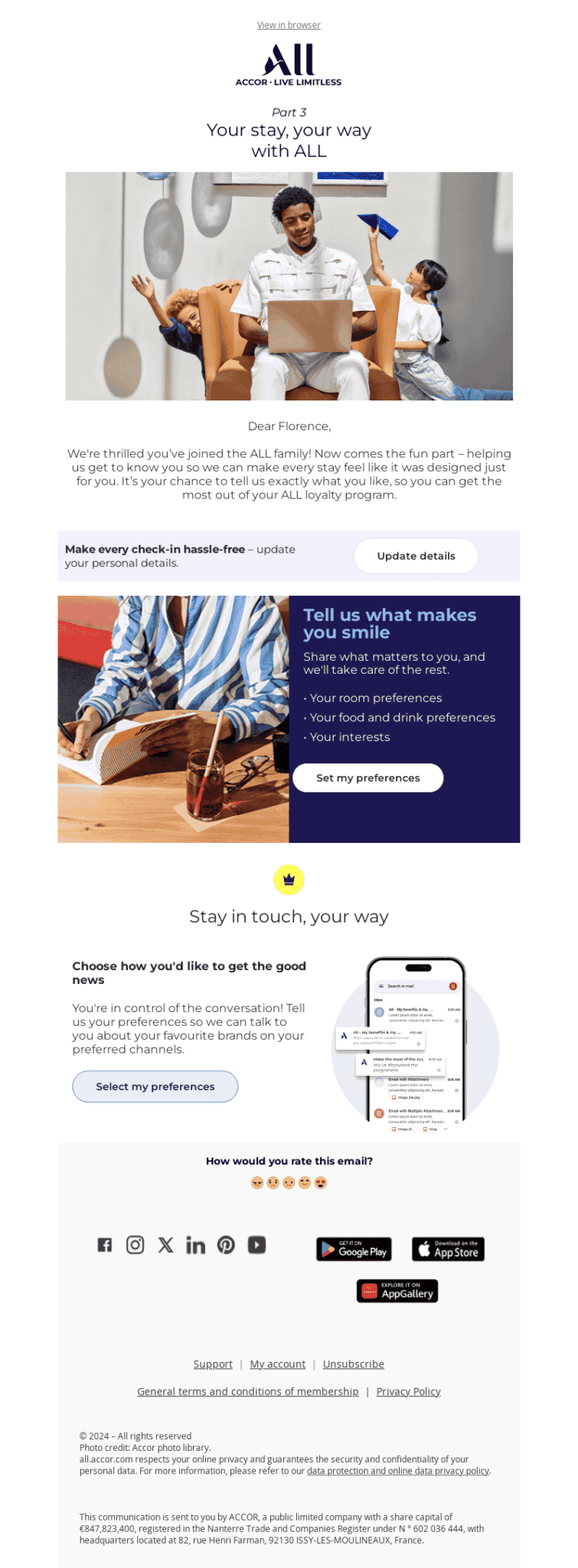
- Welcome Email and Onboarding Series Integration: The welcome sequence is prime real estate. New subscribers are typically at their peak engagement and most receptive to shaping their relationship with a brand. Mizuno, for example, employs clever subject lines that resonate with its athletic audience, inviting new sign-ups to "be part of the first team, not the reserves," subtly encouraging them to set preferences. Brands with extended onboarding series, like Accor Hotels, can dedicate an entire message to the benefits of setting preferences, linking it to a superior customer experience (e.g., "better check-ins, perfect rooms, and preferred communication channels" for loyalty members).
- Progressive Profiling: This approach minimizes friction by not overwhelming subscribers with too many questions at once. Instead, brands can build customer profiles gradually. Start with basic, high-value data points and then enrich them over time through periodic check-ins. For Skyscanner, knowing a customer’s preferred airport is a crucial "trailhead to relevance," guiding their targeted offers. Similarly, collecting a date of birth provides a natural opportunity for personalized birthday surprises, while also yielding valuable insights into age, life stage, and purchasing power.
- Make It Interactive: Gamification significantly boosts engagement. Oceania Cruises exemplifies this by asking subscribers to "Choose which destination interests you most," complete with a running counter showing the popularity of each option. This interactive approach not only captures valuable preference data but also entertains and builds a deeper relationship, creating a rich body of customer insight over time.
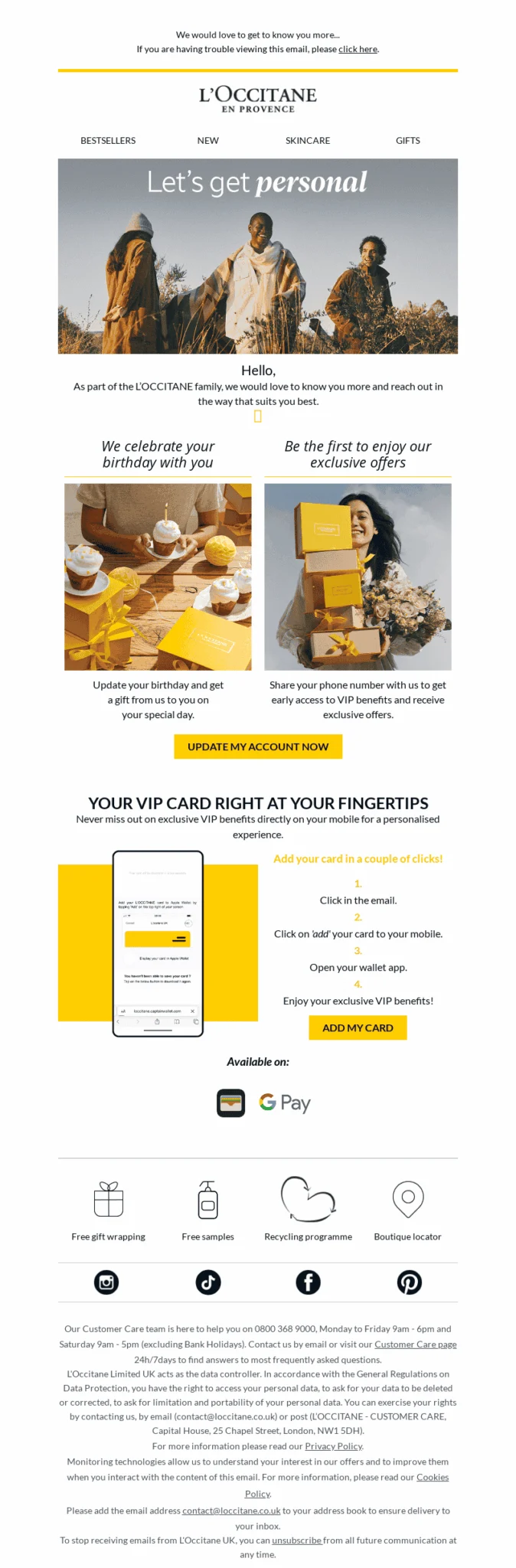
- Clearly Explain the Benefits: People are more likely to act when they understand "what’s in it for them." L’Occitane excels at this, clearly outlining perks like early access to exclusive offers and a special birthday gift for those who update their preferences. They also highlight options for receiving information on new products, personalized offers, and special events, with additional choices for communication channels like text, post, or WhatsApp, emphasizing convenience and control.
- Provide a Tangible Incentive: While "soft" benefits like early access are appealing, some subscribers require more concrete motivation. Recognizing the value of their data, these individuals often expect something in return. A discount or a small gift, particularly one contingent on a purchase, serves as an effective incentive, creating a win-win scenario where the subscriber receives immediate value, and the brand encourages a transaction.
- Opt-Out from Emotionally Sensitive Events: A significant and growing trend involves offering subscribers the option to opt-out of emails related to specific, potentially sensitive dates such as Valentine’s Day, Mother’s Day, or Father’s Day. While well-intentioned, the proliferation of standalone emails for these opt-outs can paradoxically amplify the very sensitivity they aim to mitigate. A more streamlined and empathetic approach is to integrate these as one-time options within a comprehensive preference center. Some brands are already taking this a step further, offering highly specific options: Interflora allows opting out of anniversary reminders, Bloom & Wild enables muting Grandparent’s Day, and Hotel Chocolat permits customers to suppress alcohol-related promotions, demonstrating a deep understanding of customer needs and life circumstances.
- Holiday Season "Snooze" Option: High-volume periods like Black Friday and Cyber Monday are revenue-critical but can also lead to inbox fatigue and unsubscribes. As Oracle’s research on the "snooze" option demonstrated, offering a temporary pause is far more effective than forcing a permanent "unsubscribe from all." Brands like Bvlgari have successfully implemented this. Alternatively, the run-up to sales can be framed as a "relevance check." Spoonflower smartly capitalizes on this, acknowledging that "no one likes a cluttered inbox!" and prompting subscribers with a compelling call to action: "Curate My Content."
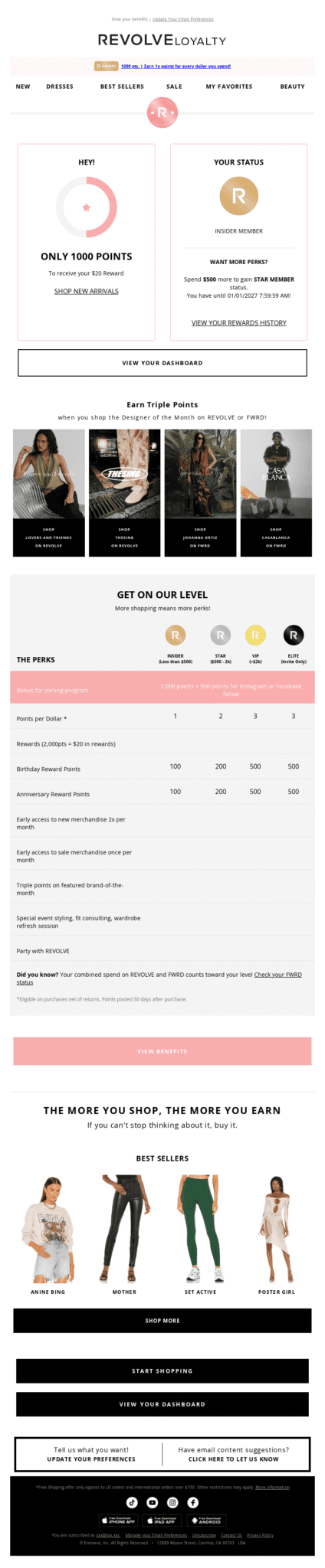
- Increased Visibility: Pre-headers and Dedicated Content Blocks: Beyond dedicated campaigns, every email presents an opportunity to subtly promote the preference center. Two key tactics stand out. First, incorporating a preference center link into the email pre-header. This mirrors the best practice of including unsubscribe links in pre-headers, which fosters transparency and reduces spam complaints. The same logic applies here, building trust and providing easy access. REVOLVE, for example, effectively uses this space. Second, embedding a dedicated content block within regular newsletters ensures the message is consistently reinforced. Bloom & Wild excels at this, allowing subscribers to manage multiple event-based opt-outs from a single, always-present block.
- Re-engagement Campaigns: As a final attempt to retain subscribers, many brands integrate preference center options into their win-back campaigns. This offers a valuable alternative to an outright unsubscribe. CVS Pharmacy provides an excellent example, restating the benefits of staying subscribed, soliciting feedback, and concluding with a commitment-oriented CTA: "Yes, I still want emails." This approach empowers subscribers to redefine the relationship rather than ending it entirely.
Expert Perspectives and Industry Reactions
Leading email marketing strategists and data privacy advocates largely concur that the shift towards explicit preference management is not merely a best practice but a fundamental requirement for sustainable email marketing. "The days of one-size-fits-all email blasts are unequivocally over," notes one prominent analyst. "Consumers expect, and now demand, control over their digital interactions. Brands that fail to adapt to this privacy-first, preference-driven paradigm will increasingly struggle with deliverability, engagement, and ultimately, ROI."
The consensus among industry observers is that mailbox providers are acting in the best interest of their users by enforcing stricter policies, and brands must respond by prioritizing user experience. This means moving beyond implicit assumptions about what subscribers want and instead actively soliciting their explicit preferences. Regulatory frameworks like GDPR and CCPA have already laid the groundwork for this, emphasizing consent and data control, making preference centers an essential tool for compliance and ethical data handling.
Broader Implications for Email Marketing and Customer Relationships
The renewed focus on email preference centers signals a profound evolution in the relationship between brands and their subscribers. Email, once often treated as a broadcast channel, is re-emerging as a highly personal, direct, and trusted communication medium, especially as social media algorithms become more opaque and third-party cookies face deprecation.
This shift moves email marketing from a mass communication model to one of hyper-personalization, driven by zero-party data. It underscores the importance of data ethics and transparency, positioning brands as partners in a consensual, value-driven exchange with their customers. Furthermore, the advent of sophisticated technology platforms, such as Validity Engage, empowers marketers to navigate this complex landscape. These AI-powered email intelligence tools, built on vast email data networks, help remove risk, optimize performance, and facilitate the creation of exceptional subscriber experiences by enabling more intelligent segmentation, personalization, and deliverability management.
Getting Started with Preference Centers
Ultimately, the most effective preference centers function as dynamic personalization engines—more akin to ongoing conversation starters than static forms. They are instrumental in unlocking the invaluable insights of zero-party data, allowing brands to build richer, more relevant customer profiles over time.

The true measure of success lies in demonstrating a clear link between preference center usage and enhanced email marketing engagement. If subscribers who actively utilize preference centers exhibit superior metrics—higher click-through rates, increased spend, and reduced churn—then a compelling business case emerges for continued investment in and optimization of the email program. This data-driven validation solidifies the preference center’s role as a cornerstone of a future-proof, high-performing email strategy. By embracing these changes, brands can transform potential challenges into opportunities for deeper customer loyalty and sustained growth in the evolving digital marketplace.