The landscape of casual dining is undergoing a significant transformation, driven by an intensified focus on menu innovation and the creation of unique guest experiences. At the forefront of this movement is Applebee’s, a prominent player in the American casual dining sector, which has found remarkable success with its indulgent "O-M-Cheese Burger." This creative culinary offering, a burger halved and submerged in a skillet of warm queso, has not only become a runaway hit but also serves as a powerful case study for how restaurant chains are leveraging novel menu items to capture consumer attention, drive traffic, and ultimately, boost sales in an increasingly competitive market. The success of this cheesy creation has propelled Applebee’s to explore an entire platform centered around elevated cheese experiences, demonstrating a strategic pivot towards offerings that resonate deeply with consumer desires for indulgence and novelty.
The Genesis of a Cheesy Sensation: The O-M-Cheese Burger
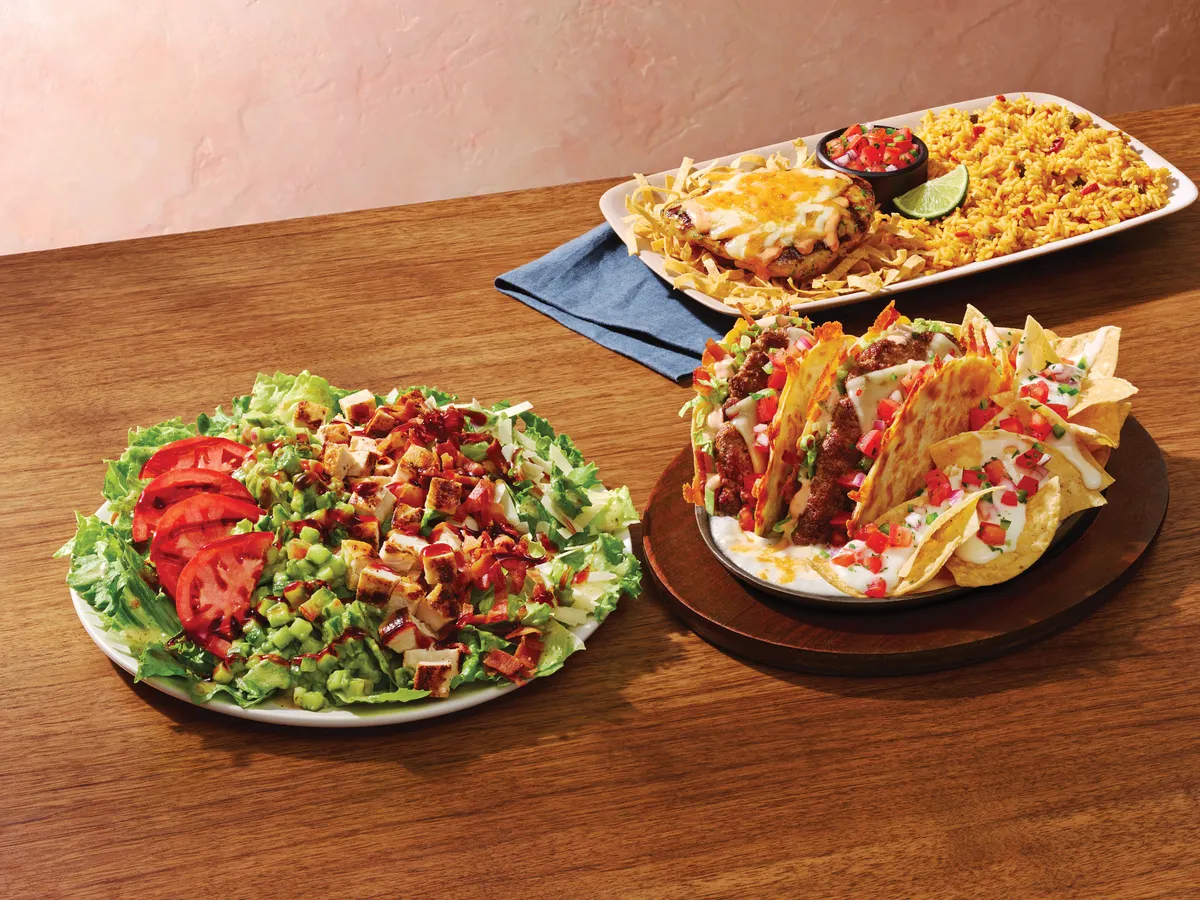
Launched in January, the O-M-Cheese Burger was strategically introduced as part of Applebee’s enduring "2 for $25" value platform, a cornerstone of its pricing strategy designed to offer affordability and appeal to a broad customer base. Priced at $11.99, the burger’s concept is deceptively simple yet highly effective: a classic cheeseburger, enhanced with bacon, is cut in half and then plunged into a hot skillet of molten queso, creating an extra layer of cheesy decadence. This approach taps into a fundamental consumer craving for comfort food and an elevated, almost theatrical, dining experience.
The immediate impact of the O-M-Cheese Burger was extraordinary. During a May earnings call, Dine Brands CEO John Peyton revealed that within mere months of its introduction, the item had ascended to become the most ordered burger across all Applebee’s locations. This remarkable achievement was not confined to in-store sales; the burger’s visibility exploded across social media platforms. Content featuring the O-M-Cheese Burger garnered an astonishing nine billion impressions, reaching an audience of 96 million individuals. Furthermore, its organic reach far surpassed traditional marketing campaigns, resulting in nearly 80 times more organic views. This viral phenomenon underscores the power of innovative, shareable menu items in today’s digitally connected world.
Building a Platform on Cheese: The O-M-Cheese Expansion
The overwhelming success of the O-M-Cheese Burger did more than just boost sales; it served as a critical validation of a new strategic direction for Applebee’s. Michelle Chin, Chief Marketing Officer of Applebee’s, elaborated on this development, stating that the positive reception has spurred the creation of an entire "O-M-Cheese" platform. This initiative involves reimagining popular existing menu items by integrating them with the signature queso and melted cheese experience.
The chain has already begun to expand this platform with promising new additions. Among these is the "O-M-Cheese-adilla Burger," a clever fusion that combines Applebee’s popular Quesadilla Burger with crispy bacon and spicy Pepper Jack cheese. This innovative creation is then served atop a skillet of rich queso and melted cheddar cheese, offering a familiar yet exciting twist on the original concept.
"We identified a clear guest desire for more cheese and saw an opportunity to elevate an American icon in a way only Applebee’s could," Chin articulated in an email correspondence. "The enthusiasm told us we were onto something bigger than a one-time innovation." This statement highlights a strategic understanding of consumer preferences and a proactive approach to capitalizing on emerging trends. The "O-M-Cheese" platform is not merely about introducing a single novelty; it represents a broader strategy to create a distinct culinary identity centered around indulgence and a playful interpretation of beloved dishes.
The Competitive Arena: Menu Innovation as a Differentiator
The casual dining sector is characterized by intense competition, with chains constantly vying for consumer attention through new menu offerings and attractive value propositions. Competitors such as Chili’s, TGI Fridays, and Red Robin are actively engaged in similar efforts to innovate their menus and enhance their value platforms. For instance, Chili’s has historically relied on its "3 for $10" deal, while TGI Fridays has introduced its "3-for-All" $11.99 value meal, and Red Robin has focused on redefining dinner value with its "Dinner Double" offerings.
In this dynamic environment, the ability of a restaurant chain to deliver menu innovations that are both appealing in terms of flavor and competitive in terms of price is paramount. Brands that successfully navigate this challenge are reaping significant rewards, evidenced by increases in same-store sales and customer traffic. Applebee’s strategic focus on the O-M-Cheese platform appears to be a calculated response to this competitive pressure, aiming to carve out a unique niche and attract diners seeking more than just a standard meal.
Chin further emphasized this strategic outlook: "You’ll continue to see us reimagine the foods guests know and love, looking for opportunities to turn the familiar into something unexpected. That’s where we believe the biggest opportunities exist – creating distinctive menu experiences that drive excitement, spark conversation, and strengthen guest loyalty." This philosophy suggests a commitment to continuous innovation, driven by a desire to surprise and delight customers, thereby fostering a deeper connection and encouraging repeat business.
A Framework for Culinary Success: Applebee’s Innovation Process
Applebee’s approach to menu innovation is not a matter of chance; it is a structured and deliberate process guided by a comprehensive framework. According to Chin, each culinary idea is evaluated through seven critical lenses: brand, vision, guest, occasion, marketplace, trends, and operations. This holistic assessment ensures that new menu items align not only with the brand’s identity and strategic vision but also with the needs and desires of its target audience, the context of dining occasions, prevailing market dynamics, emerging consumer trends, and the practicalities of operational execution.
Beyond this initial evaluation, every proposed culinary concept must undergo a further three rigorous tests: "Is it desirable? Is it valuable? Is it feasible?" This stringent vetting process is designed to guarantee that any new offering meets a high standard of consumer appeal, economic viability, and operational deliverability.
"Guests have to want it, Applebee’s has to be able to deliver it consistently, and it has to work for our franchisees," Chin explained. "When those things align, we know we’ve found something worth building on. That’s exactly what happened with O-M-Cheese." This clearly articulated three-pronged test underscores Applebee’s commitment to a balanced and sustainable approach to innovation, ensuring that new products are not only popular with customers but also operationally sound and profitable for franchise partners, a critical factor for a brand with a significant franchise model.
Marketing the Magic: Authentic Storytelling and Strategic Partnerships
The success of the O-M-Cheese platform hinges not only on innovative menu development but also on effective marketing that communicates the unique story and appeal of these dishes. Following the initial triumph of the O-M-Cheese Burger, Applebee’s recognized the need to authentically convey the narrative of subsequent launches, such as the O-M-Cheese-adilla Burger, to sustain the platform’s momentum.
Chin highlighted the crucial interplay between product, partner, and consumer insights in crafting impactful campaigns. "The strongest campaigns are the ones where the product, the partner, and the consumer insights all work together," she stated. This philosophy emphasizes a multi-faceted approach to marketing, where each element amplifies the others.
The foundation of Applebee’s marketing strategy lies in deep consumer understanding. The chain identified that guests were seeking "more cheese, more indulgence, and more elevated dining experiences." By leveraging these insights, Applebee’s was able to identify iconic menu items that could be enhanced and made more appealing through the O-M-Cheese platform.
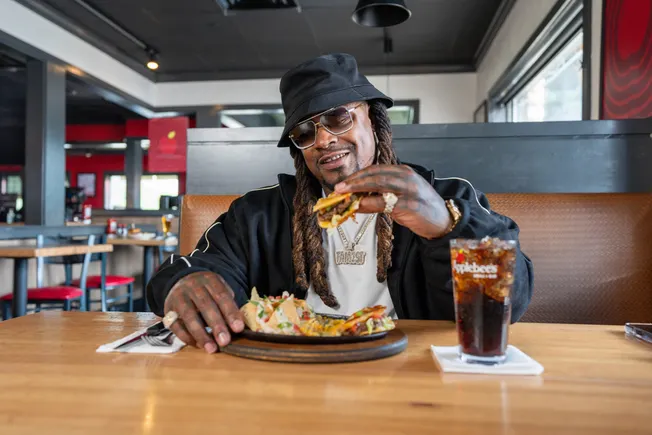
To bring these culinary creations to life and capture their unique essence, Applebee’s has strategically partnered with individuals and entities that can tell an authentic story. A prime example is the collaboration with former NFL player Marshawn Lynch. Lynch’s personal history with Applebee’s, including fond memories of dining at the chain during his NFL career, provided a natural and genuine connection to the brand.
"With Marshawn, there was a natural connection between the product, the brand and his own Applebee’s history," Chin explained. "Add in the cultural connection to quesadillas, and it became a fun, authentic way to tell the story of the O-M-Cheese-adilla Burger. That’s what we look for in every partnership: a connection that feels real and makes the creative stronger." This partnership exemplifies how leveraging relatable personalities and their genuine affiliations can enhance brand storytelling, creating campaigns that resonate deeply with consumers and drive engagement. The success of such collaborations underscores the evolving nature of brand marketing, where authenticity and shared experiences are increasingly valued.
The Broader Implications: A New Era for Casual Dining
The strategic pivot by Applebee’s, exemplified by the O-M-Cheese Burger and its subsequent platform expansion, signifies a broader trend within the casual dining industry. As consumers increasingly seek memorable experiences beyond mere sustenance, restaurants are compelled to innovate beyond traditional fare. This involves not only developing novel flavors and ingredients but also presenting food in engaging ways that spark conversation and social sharing.
The emphasis on "experiential dining" is becoming a critical differentiator. For Applebee’s, the O-M-Cheese platform has proven to be a powerful tool in this regard. By transforming familiar comfort foods into indulgent, visually appealing, and shareable creations, the chain has tapped into a powerful desire for elevated everyday dining. This approach not only drives immediate sales but also fosters a sense of excitement and loyalty among its customer base.
The success of the O-M-Cheese initiative also highlights the importance of agile and data-driven decision-making. The rapid ascent of the O-M-Cheese Burger to the top of the menu, coupled with its viral social media impact, provided clear signals that Applebee’s should further invest in this concept. The structured innovation process and the strategic use of marketing partnerships demonstrate a sophisticated understanding of how to translate consumer desires into tangible business success.
As other casual dining chains continue to grapple with evolving consumer preferences and intense market competition, the lessons learned from Applebee’s O-M-Cheese phenomenon are likely to be closely studied. The ability to identify and capitalize on clear guest desires, to translate those desires into innovative and operationally feasible menu items, and to market these offerings through authentic and engaging storytelling, will be crucial for sustained growth and relevance in the years to come. The era of simply serving food is giving way to an era of crafting memorable culinary experiences, and Applebee’s, with its cheesy innovation, is leading the charge.