The landscape of global e-commerce has reached a critical inflection point where traditional methods of customer engagement no longer suffice to capture the fleeting attention of the modern consumer. In 2026, the digital marketplace is characterized by extreme unpredictability, with industry data indicating that up to 70% of online shoppers abandon their carts before reaching the final checkout stage. This volatility is rooted in the fundamental nature of human psychology; research suggests that approximately 90% to 95% of human decisions are driven by the emotional brain system rather than purely analytical reasoning. Consequently, a shopper’s intent can shift within milliseconds, rendering static marketing strategies obsolete and highlighting a widening "personalization gap" that brands must bridge to remain competitive.
As the retail environment has transitioned from physical malls to instantaneous digital platforms, the patience of the average consumer has plummeted. The modern shopper no longer finds value in the traditional hurdles of commerce—driving to a location, navigating aisles, and waiting in lines. Instead, they demand a frictionless, highly relevant experience that anticipates their needs in real-time. This shift has necessitated the rise of adaptive personalization, a sophisticated approach that aligns digital experiences with the modernized, high-velocity way of shopping that defines the current era.
The Evolution of Consumer Intent and the "Micro-Moment"
To understand the necessity of adaptive personalization in 2026, one must examine the "micro-moments" that dictate the success or failure of a digital session. Traditional personalization often relies on historical data—what a customer bought six months ago or their general demographic profile. However, in a short-attention-span world, these factors are often secondary to the immediate context of the user’s current session.
Several critical signals, often overlooked by standard personalization engines, now serve as the primary drivers of conversion:
- Device Context (Low Battery): A user browsing on a device with low battery life is operating under a different psychological state than one with a full charge. The urgency to complete a task before the device shuts down requires a streamlined, high-speed path to conversion.
- Privacy-First Browsing: With the ubiquity of incognito mode and private browsing, historical data is often inaccessible. In these instances, a brand’s ability to interpret in-session behavior becomes the only viable path to personalization.
- Comparison Shopping (Multiple Tabs): The presence of multiple open tabs suggests a user is actively comparing prices or features. Brands that fail to immediately grab and hold attention in this environment lose the customer to a competitor within seconds.
- Visual Engagement (Zoomed Images): When a user interacts deeply with product imagery, it signals high intent. This micro-moment is the ideal time to provide social proof or detailed technical specifications to push the user toward a purchase.
- Price Sensitivity (Shopping Extensions): The activation of coupon or discount extensions identifies a price-sensitive shopper. Adaptive systems can respond by offering targeted incentives that protect margins while still securing the sale.
The Challenge of the Anonymous Majority
One of the most significant hurdles facing digital retailers in 2026 is the "problem of the unknown." Current analytics show that up to 90% of website traffic consists of anonymous, logged-out, or incognito users. Traditional personalization strategies, which are heavily reliant on Customer Relationship Management (CRM) data and long-term cookies, are effectively blind to this vast majority of potential revenue.

The industry has moved into a "cookieless" era, driven by stringent privacy regulations such as the General Data Protection Regulation (GDPR) and the California Consumer Privacy Act (CCPA), as well as browser-level restrictions on third-party tracking. This shift has forced a transition from static, identity-reliant personalization to real-time, behavior-reliant strategies. To capture the opportunity presented by anonymous traffic, brands must shift their focus from who the customer is to what the customer is doing right now.
A Chronology of Personalization: From Segments to Real-Time Adaptation
The journey to the current state of adaptive personalization has followed a distinct chronological progression:
- The Era of Mass Marketing (Pre-2010): Standardized experiences for all users with no individual tailoring.
- Segmented Personalization (2010–2018): Users were grouped into broad buckets based on demographics (e.g., "Women aged 18–25 in warm climates").
- Static 1:1 Personalization (2018–2023): Use of historical purchase data and cookies to recommend products based on past behavior.
- Real-Time Adaptive Personalization (2024–2026): The current standard, utilizing predictive AI to analyze in-session signals and adjust the digital experience within milliseconds.
In the contemporary environment, the distinction between "real-time" and "static" is the difference between a sale and a missed opportunity. Static personalization is often too slow; a retargeting email sent three hours after a user leaves a site is a reactive measure that arrives after the "buying window" has closed. Adaptive personalization, conversely, acts while the user is still on the page, maintaining momentum and reducing the likelihood of distraction.
Technical Framework: How AdaptiveCX Bridges the Gap
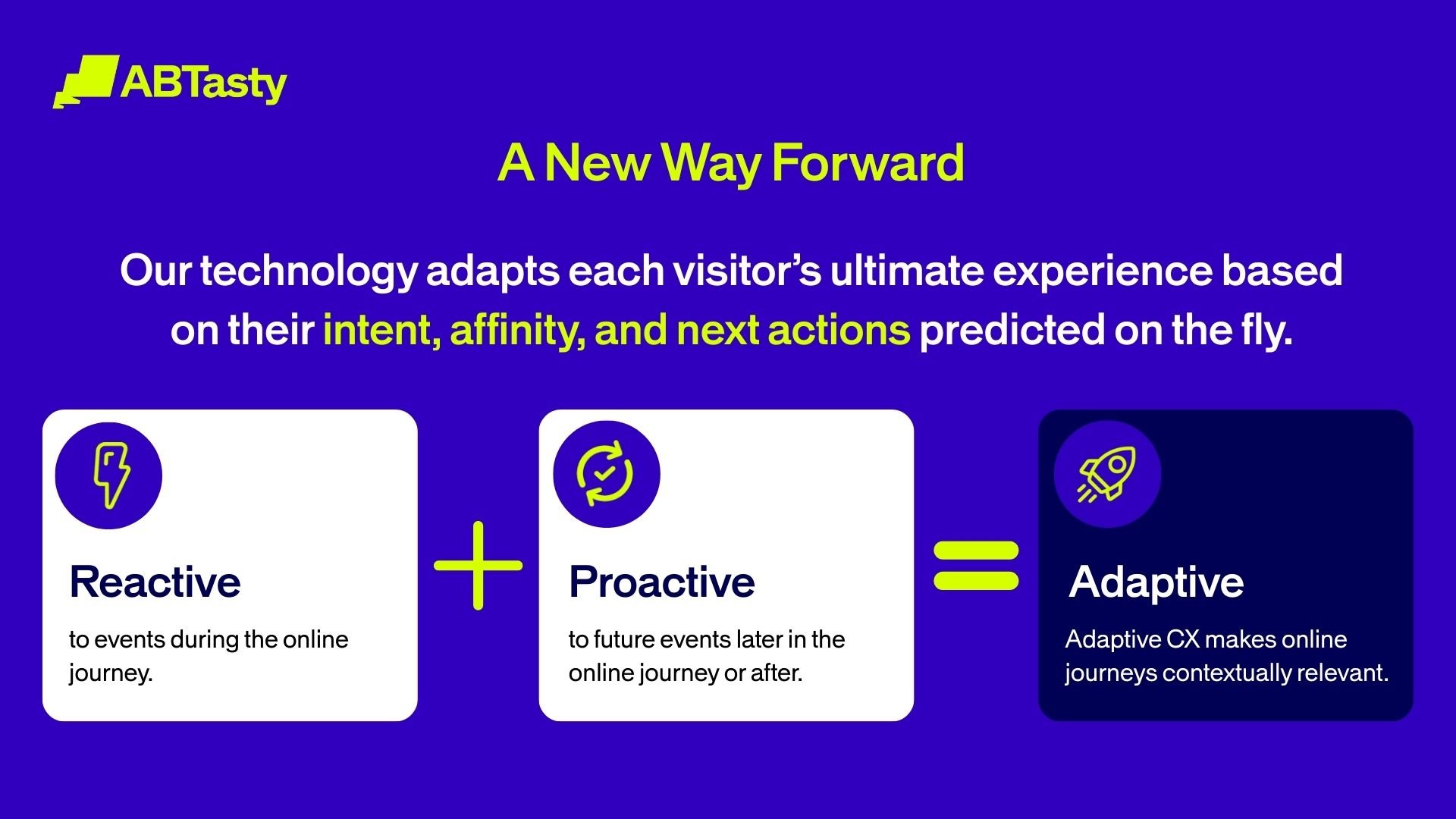
At the forefront of this technological shift is the development of predictive AI engines like AdaptiveCX. These systems are designed to process behavioral signals while the user is actively engaged in a session. The goal is to make the customer experience flexible and enticing in real-time, ensuring that the brand’s digital storefront is as reactive as a skilled human salesperson in a physical store.
The operational workflow of adaptive personalization typically follows a three-step process:
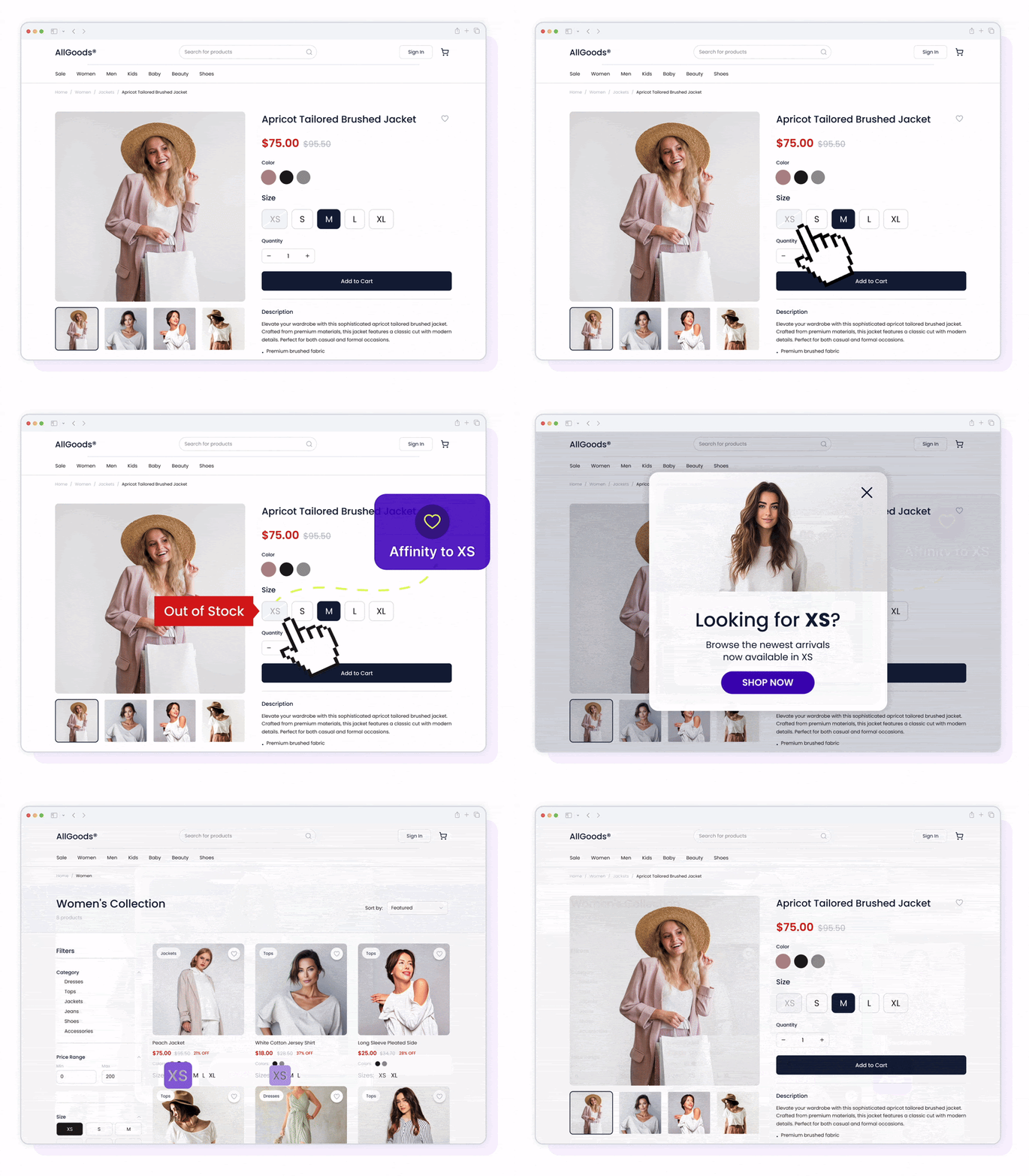
- Signal Capture: The system analyzes live micro-behaviors, including mouse movements, scroll depth, dwell time, and pauses.
- Instant Prediction: Using AI, the engine forecasts the user’s intent and affinities—such as color preferences, brand loyalty, or price sensitivity—within approximately 20 milliseconds.
- Dynamic Activation: The website automatically pushes the most relevant experience to the user, whether that involves reordering search results, surfacing a specific promotional nudge, or adjusting the layout of a Product Detail Page (PDP).
This level of speed is essential. In 2026, site performance and personalization must coexist; a personalization engine that slows down page load times by even a fraction of a second can negate the benefits of the tailored experience by frustrating the user.
Industry Implications and Business Impact
The shift toward adaptive personalization is not merely a matter of improved user experience; it is a fundamental business necessity with measurable impacts on the bottom line. Organizations that have successfully transitioned from static to adaptive models report significant gains in key performance indicators (KPIs).
Current data suggests that businesses employing adaptive strategies see an average increase of 10% in conversion rates. Furthermore, there is a reported 15% uplift in Revenue Per Visitor (RPV) and a 2.5x improvement in customer retention rates. These figures highlight the "compounding effect" of real-time data: more successful conversions generate more behavioral data, which in turn allows the AI to refine its predictions further, creating a self-reinforcing loop of revenue growth.
Industry experts and Chief Marketing Officers (CMOs) have noted that the move toward adaptive CX is also a move toward "margin protection." Rather than offering blanket discounts to every visitor—a practice that erodes brand value and profits—intelligent incentive targeting allows brands to withhold discounts from users who are already likely to purchase while serving promotions only to those showing genuine hesitation signals.
The Future of Customer Experience (CX)
As we look beyond 2026, the trajectory of customer experience will continue to align with the rapid advancement of artificial intelligence and machine learning. The focus has moved definitively away from historical identity and toward "in-the-moment" intent. This is particularly relevant for Gen Z and emerging Alpha Generation shoppers, who are increasingly bypassing traditional search engines in favor of direct exploration on social commerce platforms and highly optimized PDPs.
The "personalization gap" represents a significant risk for brands that remain tethered to legacy systems. In a world where 53% of consumers claim that traditional, passive personalization tactics result in a sub-optimal shopping experience, the move toward adaptive, real-time engagement is no longer optional.
In summary, the transition to adaptive personalization represents a bold step toward a more intuitive, user-friendly digital future. By understanding and reacting to what customers want right now, rather than who they were in the past, brands can unlock new pools of revenue, future-proof their strategies against evolving privacy regulations, and build lasting loyalty in an increasingly fickle marketplace. The difference between success and failure in 2026 is measured in milliseconds, and only those brands capable of adapting in real-time will survive the shift.