Google has quietly introduced a new Search profile badge, a significant unannounced addition to its recently rolled-out Search profiles features. This new functionality empowers content creators and publishers to integrate a direct "follow" button on their websites, allowing users to subscribe to their content stream directly within Google Search. The badge serves as a bridge, connecting a creator’s established web presence with Google’s personalized discovery ecosystem, fostering a more direct and engaged audience relationship.
The revelation of the Search profile badge was made public through updated developer documentation, which outlines its purpose: "After you’ve claimed your Search profile, you can encourage your audience to find your content from across the web by adding a Search profile badge to your website." This feature was notably absent from Google’s initial broad announcement regarding the new Search profiles, suggesting a strategic phased rollout or a last-minute addition based on internal feedback. The core objective is clear: to provide a seamless pathway for users to follow their preferred content creators, thereby enhancing content discoverability and audience retention within Google’s diverse platforms.
The Mechanics and Implementation of the Search Profile Badge
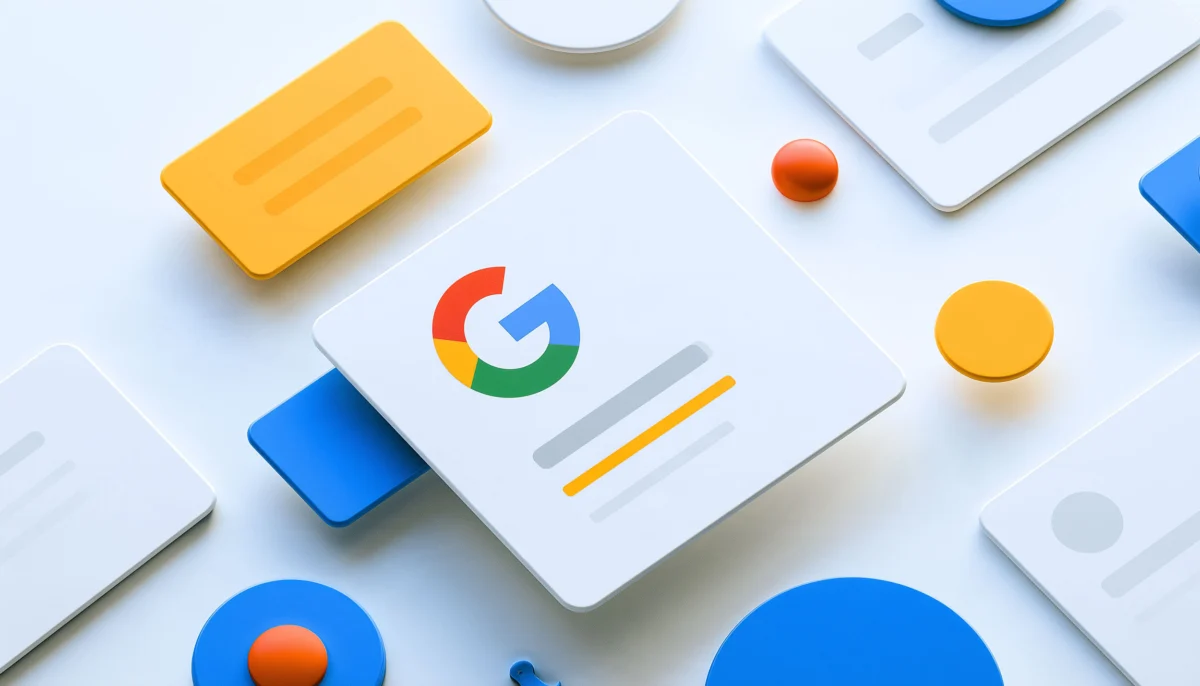
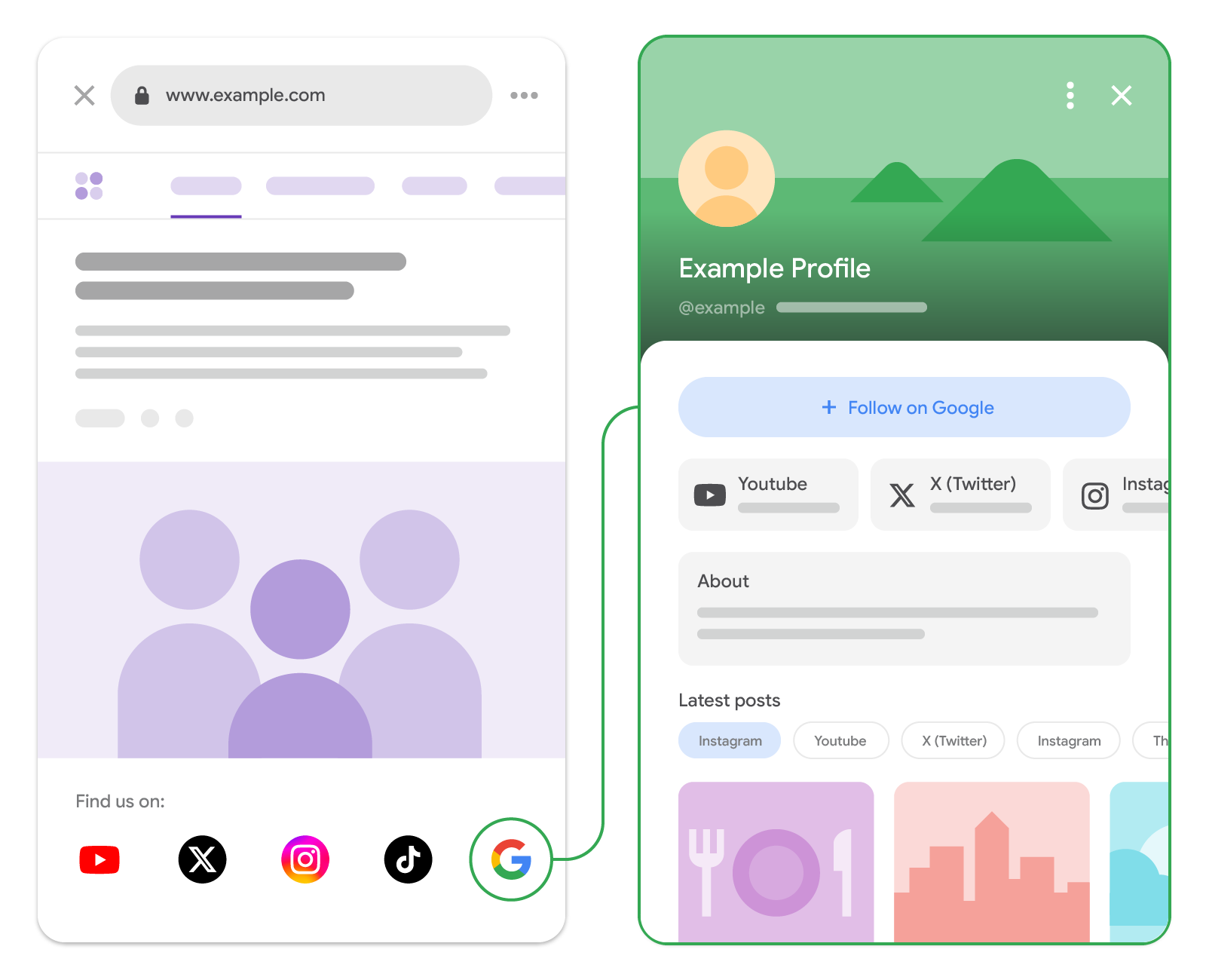
Implementing the Search profile badge is designed to be straightforward for webmasters and content creators. The process involves embedding a specific HTML code snippet into a website, which renders a visually distinct button. This button, when clicked, directs users to the creator’s Google Search profile, where they can opt to follow the creator. The badge itself typically features the Google Search logo, adhering to predefined brand guidelines to ensure consistency and trust.
For instance, a creator’s website might display a button bearing the Google Search icon, linked to their unique profile URL, such as https://profile.google.com/@yourprofile. The technical documentation provides precise instructions and image assets, including both light and dark mode variations of the button, ensuring aesthetic integration with various website designs. These guidelines are crucial for maintaining brand integrity and a consistent user experience across the web. The ability to directly link to a Google-managed profile from an external website marks a strategic evolution in how Google seeks to centralize and personalize content consumption.
Background: Google’s Journey Towards Personalized Content and Creator Profiles
The introduction of the Search profile badge is not an isolated event but rather a logical progression in Google’s long-standing efforts to personalize search and empower content creators. For years, Google has experimented with various initiatives aimed at identifying and promoting authoritative voices, fostering direct connections between creators and their audiences, and enhancing the overall quality of information available on its platforms.
Early attempts included Google Authorship, which aimed to link content to specific authors in search results, though it was eventually deprecated. More recently, Google Discover has served as a personalized content feed, leveraging AI to suggest articles, videos, and news based on user interests and browsing history. The evolution of "preferred sources" and the ability to "tailor your feed" within Google’s ecosystem have paved the way for a more robust creator-centric approach.
The new Search profiles, of which the badge is an extension, represent Google’s most comprehensive move yet to create a dedicated hub for creators. These profiles are designed to aggregate a creator’s content from across various Google services—including YouTube, Google Maps (for local guides), Google News, and potentially even general web content—into a single, identifiable entity. The rationale behind this is multifaceted: to combat the proliferation of misinformation by highlighting credible sources, to provide users with a more curated and trustworthy content experience, and to offer creators a centralized platform for audience building and engagement.

This strategic direction reflects a broader industry trend where platforms are vying for creator loyalty and user attention. By offering tools like the Search profile badge, Google aims to ensure that content creators view its ecosystem as a viable and valuable channel for reaching and growing their audience, akin to how dedicated social media platforms function.
The Broader Context: Google and the Creator Economy
The timing of the Search profile badge’s release aligns with the exponential growth of the global creator economy. Valued at hundreds of billions of dollars and projected to continue its upward trajectory, this economy is driven by individuals and small teams producing content across diverse niches. Platforms like TikTok, Instagram, YouTube, and Patreon have invested heavily in creator tools, monetization features, and audience engagement mechanisms, recognizing that creators are key drivers of user retention and platform growth.
Google, while dominant in search, faces stiff competition in the realm of direct creator-audience relationships. Many creators primarily build their audiences on social media platforms that offer robust following mechanisms and personalized feeds. The Search profile badge is Google’s strategic move to bridge this gap, bringing social-style following functionality directly into the traditional web search paradigm and extending it to independent websites.
By enabling direct following from a creator’s own website, Google is attempting to integrate the open web more tightly with its personalized search experience. This not only offers creators a new, Google-backed channel for audience growth but also potentially reduces their reliance on third-party social media platforms for direct engagement. It signifies Google’s commitment to supporting the creator ecosystem by providing tools that empower creators to build and maintain direct connections with their most dedicated audiences, regardless of where their content originates.
Implications for SEO and Content Strategy
The introduction of the Search profile badge carries significant implications for search engine optimization (SEO) and content strategy. Traditionally, SEO has focused on ranking factors, keywords, and technical site performance. While these remain crucial, the badge introduces a new dimension: direct audience building and personalization.
-
Direct Engagement as a Ranking Signal: While Google has not explicitly stated that the number of followers on a Search profile will directly impact traditional search rankings, increased direct engagement is inherently valuable. A strong, engaged following on Google Search profiles could signal to Google that a creator is a trusted and authoritative source, potentially reinforcing E-E-A-T (Expertise, Experience, Authoritativeness, and Trustworthiness) signals. Google consistently emphasizes E-E-A-T in its ranking algorithms, and a direct following mechanism could provide another layer of verifiable authority.
-
Enhanced Discoverability and Repeat Traffic: For creators, the badge offers a new avenue for discoverability beyond algorithmic luck. Users who follow a profile are more likely to see content from that creator appear in their personalized Google Discover feeds and potentially in future search results. This fosters repeat traffic and loyalty, moving beyond one-off search queries to sustained engagement.
-
Content Amplification: By enabling direct following, creators gain a dedicated channel for content amplification within Google’s ecosystem. New content published by a followed creator could be pushed directly to subscribers, ensuring a higher likelihood of consumption compared to relying solely on organic search visibility.
-
Website Integration and User Experience: The badge encourages creators to think about their website not just as a content repository but as an integral part of their Google-centric audience-building strategy. Proper placement and clear calls to action for the badge will become important considerations for optimizing user experience and conversion to followers.
-
Analytics and Insights: While specific analytics for Search profiles are still evolving, it is reasonable to expect that Google will provide creators with data on follower growth and content engagement through these profiles. Such insights would be invaluable for refining content strategies and understanding audience preferences.
User Experience and Discoverability: A Seamless Bridge
From a user’s perspective, the Search profile badge simplifies the process of following their favorite creators. Instead of needing to remember a creator’s social media handles or constantly search for their latest content, users can now click a single button on a creator’s website and receive updates directly within their Google personalized feeds. This streamlined experience reduces friction, making it easier for users to curate their content consumption and stay informed by their preferred sources.
This enhancement also contributes to a more personalized and relevant search experience. As users follow more profiles, their Google ecosystem—including Google Discover and potentially future personalized search results—becomes more tailored to their specific interests and trusted voices. This move aligns with Google’s long-term vision of shifting from a purely keyword-based search engine to a more intelligent, predictive, and personalized information assistant.
Industry Reactions and Expert Perspectives
While Google has not released official statements specifically on the Search profile badge, its introduction is generally viewed positively by industry experts and content creators.
Google’s Inferred Stance: If a Google spokesperson were to comment, they would likely emphasize the badge as a tool for "empowering creators," "enhancing user control," and "fostering a richer, more personalized search experience." They would highlight its role in connecting users with high-quality, authoritative content directly from the source, aligning with Google’s commitment to improving information quality and combating misinformation. The focus would be on user choice and the seamless integration of creators into the Google ecosystem.
SEO Professionals: Many SEO professionals see the badge as a valuable addition to a creator’s digital strategy. "It’s another signal, another way to build a direct relationship," noted one prominent SEO consultant, speaking anonymously due to ongoing competitive analysis. "While we don’t know the exact weight of profile followers in ranking, anything that increases direct engagement and demonstrates clear authority through Google’s own tools is likely to be beneficial in the long run, especially as Google increasingly emphasizes user intent and trusted sources." Concerns might revolve around adoption rates and how deeply Google will integrate these profile signals into its core ranking algorithms.
Content Creators: For content creators, the badge represents a new, direct channel for audience growth that is integrated into the world’s most dominant search engine. Many view it as a welcome opportunity to diversify their audience-building efforts beyond social media platforms. "Having a direct ‘follow’ button on my website, tied to Google, is a game-changer," commented an independent blogger. "It offers a level of legitimacy and reach that traditional social channels might not provide for certain types of content."
Navigating Confusion: Preferred Sources, Search Profiles, and Tailored Feeds
The introduction of the Search profile badge also brings to the forefront the need to clarify the distinctions between Google’s various personalization features. As highlighted in related discussions, users and creators might be confused by "preferred sources," "Search profiles," and the ability to "tailor your feed."
- Preferred Sources: This feature generally allows users to indicate specific websites or publishers they trust and want to see more content from within Google News or Discover. It’s a site-level preference.
- Tailor Your Feed: This refers to the broader ability to customize content suggestions in Google Discover by liking, disliking, or following specific topics and entities. It’s a dynamic, interest-based curation.
- Search Profiles: These are distinct, individual profiles for creators (people or entities) that aggregate their content across Google services. They are more personal and author-centric. The Search profile badge links directly to these profiles.
The badge helps clarify this by providing a direct, actionable link to the creator’s Search profile, making it easier for users to engage with a specific individual or entity rather than just a general source or topic. This consolidation around creator identity is a key strategic move for Google.
Challenges and Future Considerations
Despite its potential, the success of the Search profile badge will depend on several factors. Adoption rates among creators will be critical; if few implement it, its impact will be limited. Furthermore, Google’s ongoing development of the Search profile ecosystem—including potential monetization opportunities for creators, enhanced analytics, and deeper integration with other Google services—will determine its long-term value.
Questions also remain about the algorithmic weight Google will assign to profile signals and follower counts. While it aligns with Google’s E-E-A-T principles, the exact impact on search rankings is yet to be fully understood. Privacy considerations and data management for personalized profiles will also be an ongoing area of focus for Google as it balances user experience with data responsibility.
In conclusion, the quiet rollout of the Google Search profile badge marks a significant strategic maneuver by Google to deepen its engagement with the creator economy and enhance personalized content discovery. By empowering creators to build direct audiences from their own websites, Google is not only adapting to the evolving digital landscape but also reinforcing its position as a central hub for information and content consumption. This feature represents a forward-looking step, potentially reshaping how content is discovered, consumed, and valued within the vast Google ecosystem.