

The digital landscape is currently undergoing its most significant structural shift since the advent of the mobile internet, as autonomous artificial intelligence agents—including OpenAI’s ChatGPT, Anthropic’s Claude, Google’s Gemini, and Perplexity—now generate more than 50 billion website requests daily. This surge represents a transition from a web designed for human consumption to an "agentic web," where software acts directly on behalf of users to research products, compare prices, and execute complex workflows. However, recent data suggests that the vast majority of current web infrastructure remains incompatible with these digital intermediaries, leading to high failure rates and significant security challenges.
According to data from Cloudflare’s AI Insights report, a growing share of global internet traffic is now comprised of agents performing multi-step tasks. Unlike traditional search engine crawlers that merely index content for later retrieval, these agents experience websites as active participants. Before an agent can complete a task, such as booking a flight or summarizing a technical white paper, it must navigate a gauntlet of technical hurdles: discovery, access, rendering, parsing, and authentication.
The Evolution of Discovery: From Indexing to Navigation
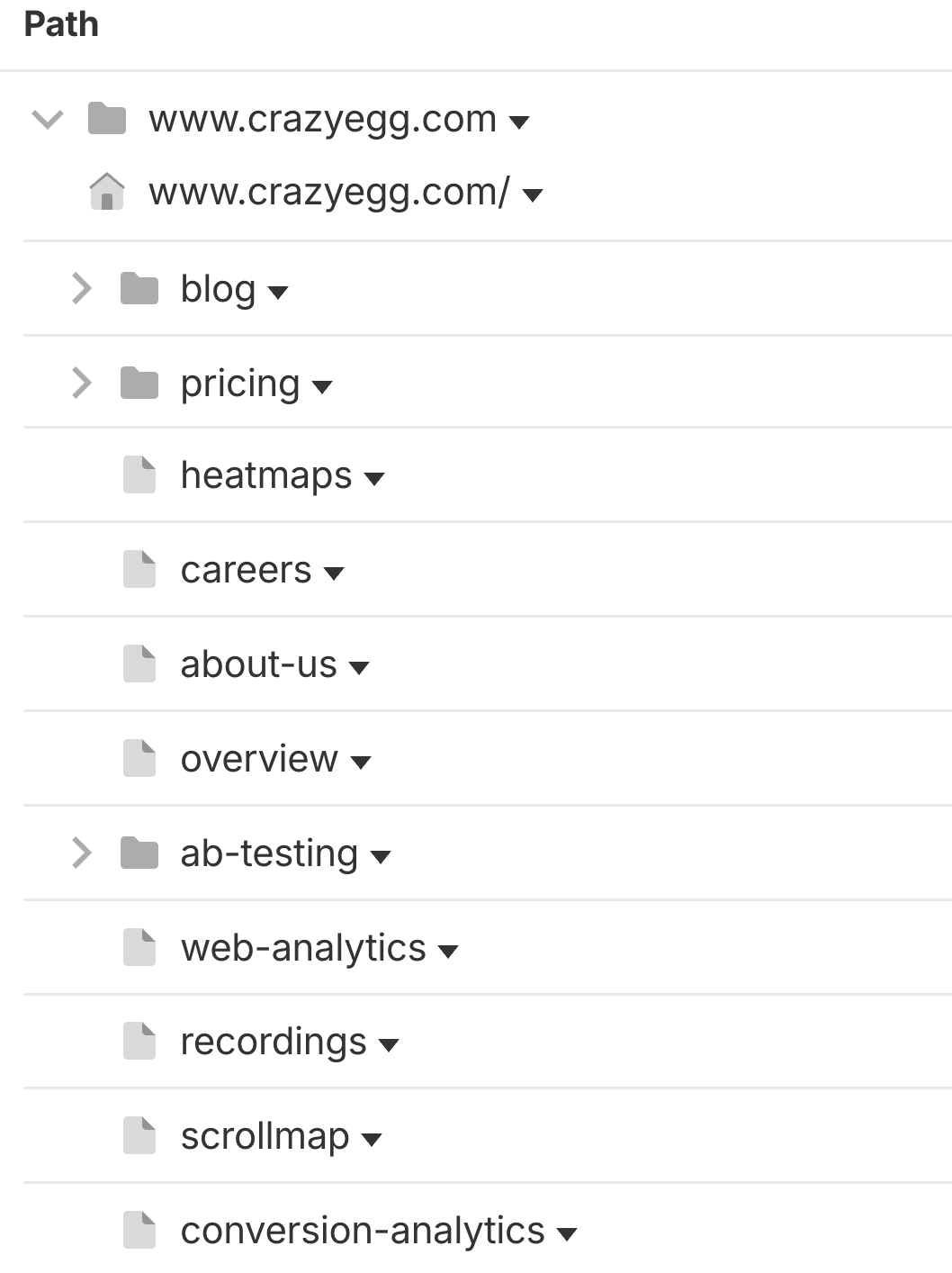
For an AI agent to act on a website, it must first locate the relevant pages and understand how they relate to the site’s overall hierarchy. Historically, this has been the domain of Search Engine Optimization (SEO), utilizing tools such as XML sitemaps and robots.txt files. While these remain the primary infrastructure for discovery, agents require a higher degree of navigational precision than traditional crawlers.
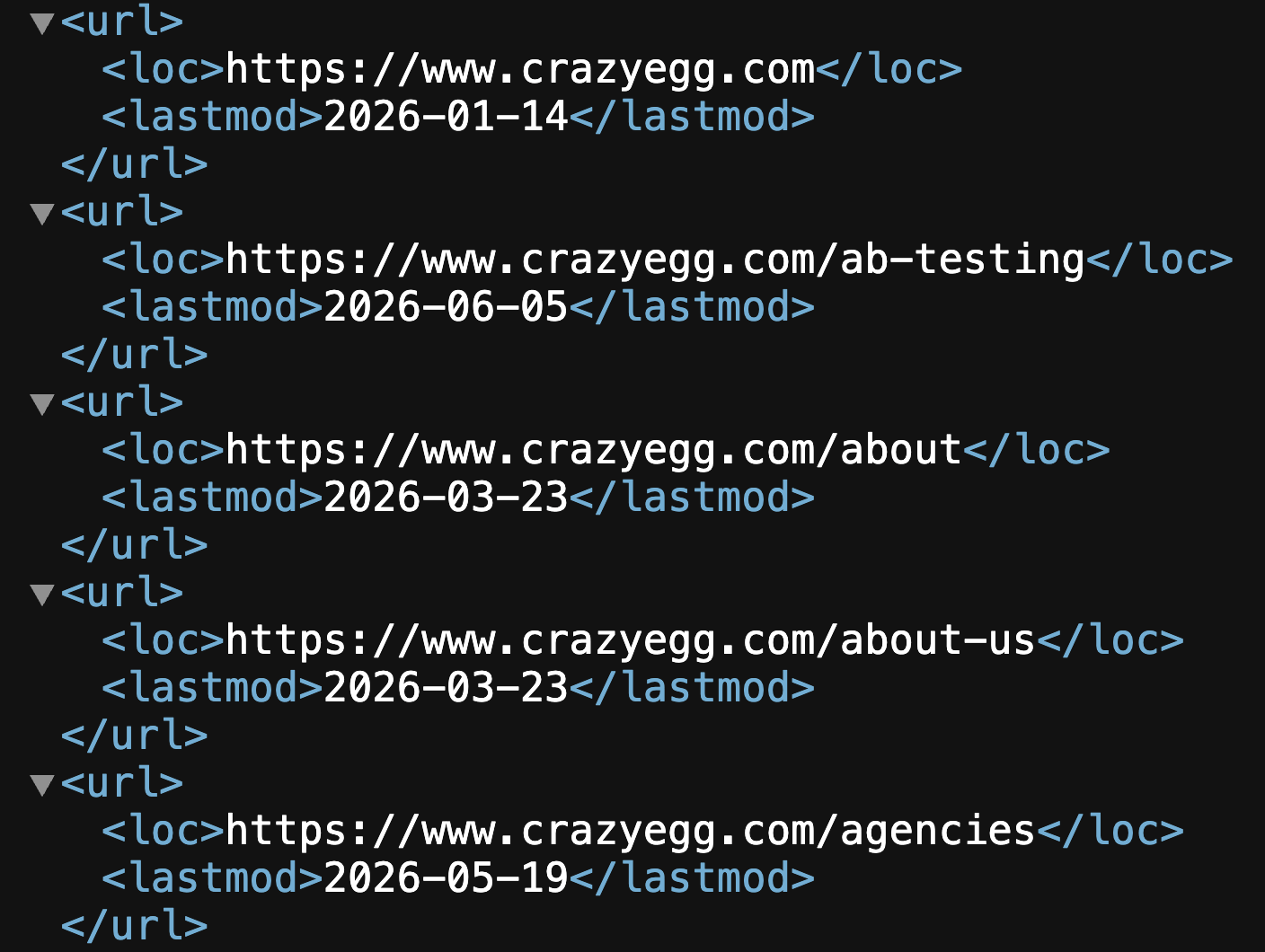
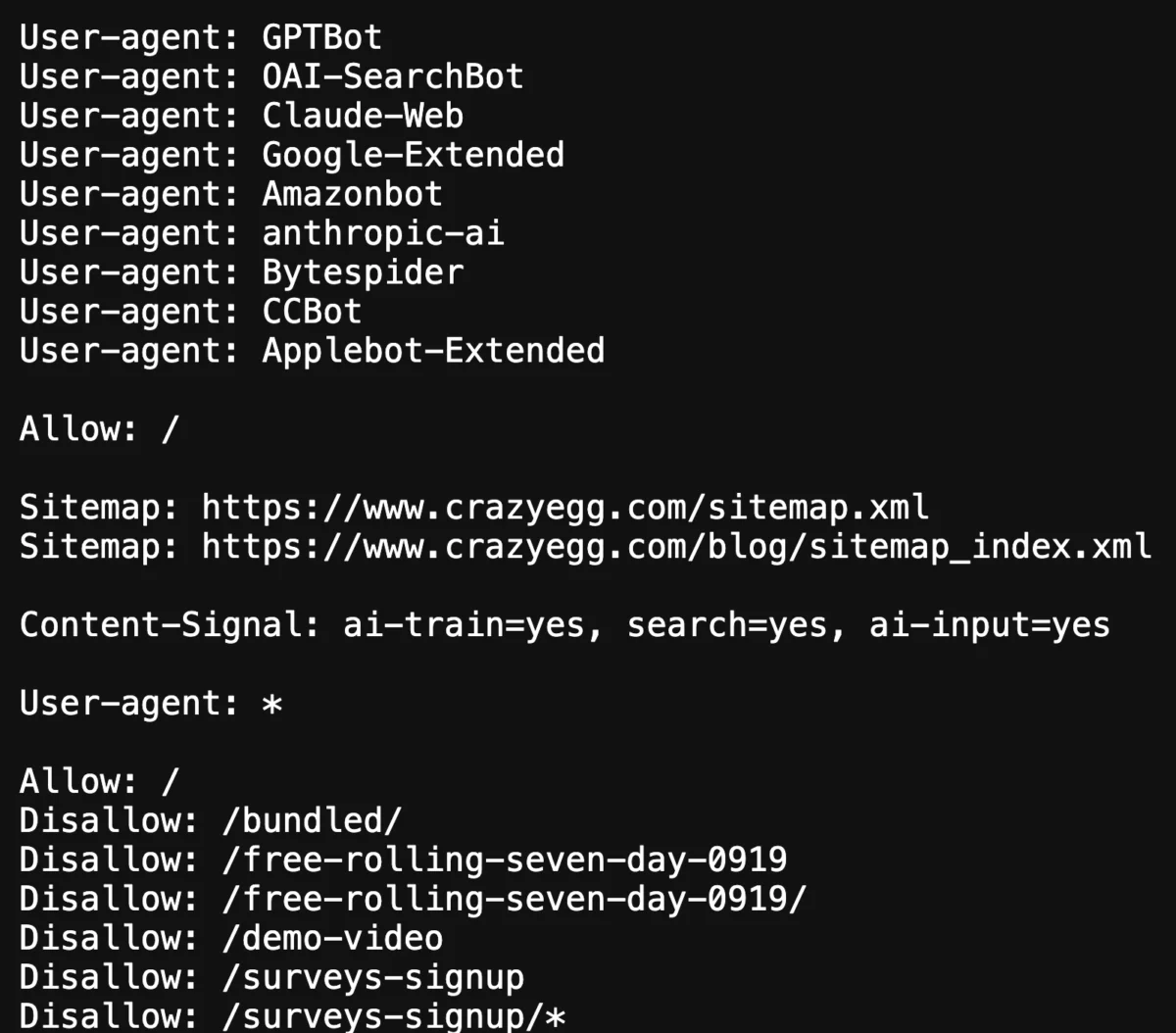
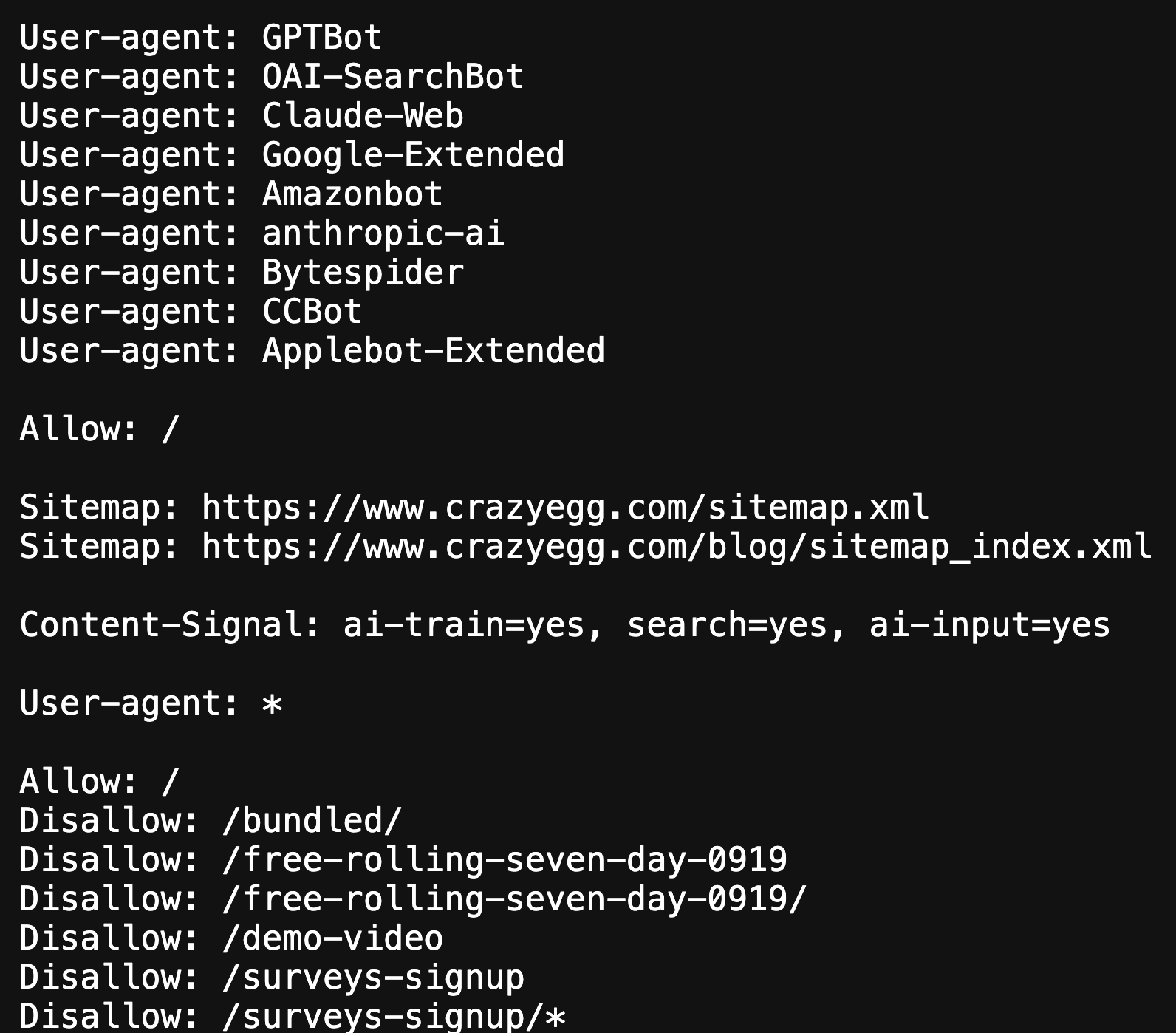
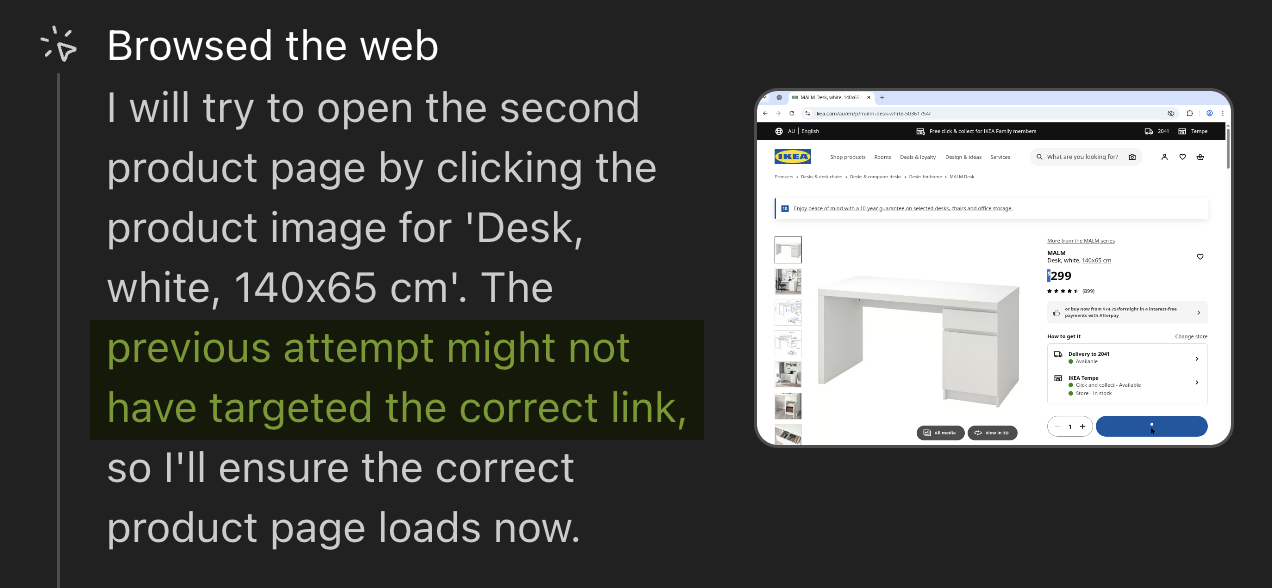
In recent agentic shopping simulations, researchers found that ChatGPT’s browsing agent frequently struggled to access specific product pages when the site’s internal linking structure was obscured by complex JavaScript or hover-state menus. The fundamental requirement for the agentic web is a return to "technical ducks in a row." This includes maintaining a current sitemap that updates in real-time and ensuring that robots.txt files contain clear directives for specific agents like GPTBot or Claude-Web.
Industry experts note that a page an agent cannot find is essentially non-existent in the AI-driven economy. Sites that rely on "infinite scroll" or non-standard URL structures often create "dead zones" for agents, preventing them from mapping the site accurately. The remedy, according to technical SEO specialists, involves building navigation on crawlable, labeled links rather than interactive elements that require human-like visual intuition.
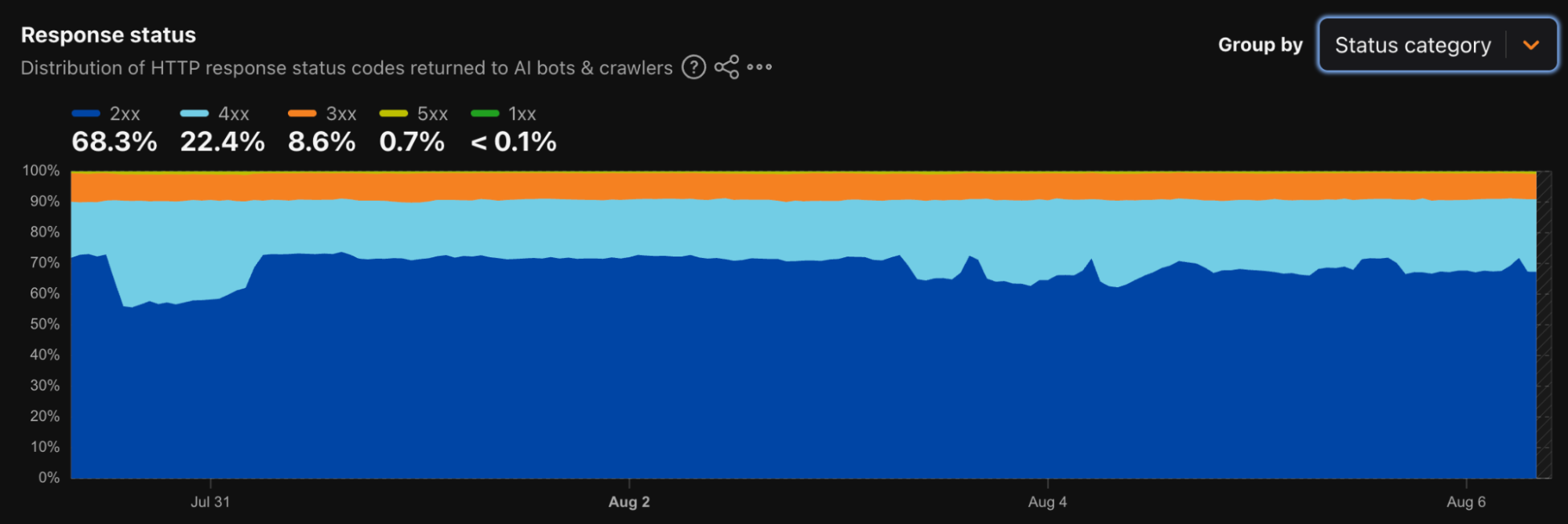
The Access Crisis: Bot Management and the 22% Rejection Rate
Perhaps the most significant bottleneck in the agentic pipeline is the conflict between security and utility. Every request made by an AI agent must pass through a website’s bot-management layer. While these defenses are designed to thwart malicious actors and scrapers, they often inadvertently block legitimate AI agents acting on behalf of customers.
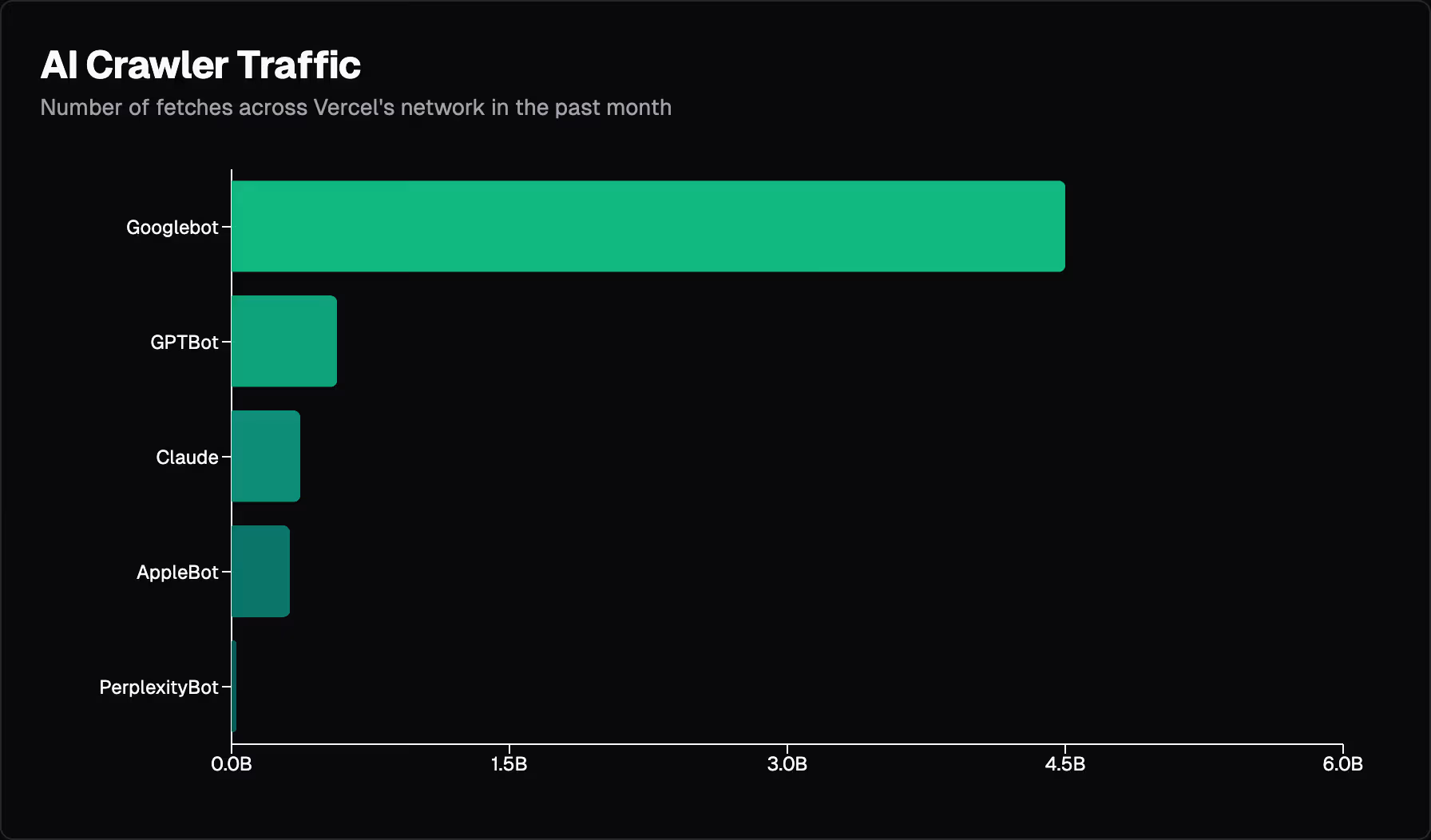
Cloudflare’s Radar data indicates that over 22% of AI crawler requests are rejected industry-wide. Furthermore, in targeted e-commerce tests, approximately 41% of retail sites blocked agent readiness scanners outright. Even when agents are permitted entry, the efficiency of their "fetch" is often poor; an analysis by Vercel and MERJ revealed that ChatGPT spent nearly 35% of its fetches on 404 error pages, indicating a massive waste of computational resources and bandwidth.
The primary causes of access issues include:
- Overly aggressive wildcard blocking in robots.txt.
- IP-based rate limiting that fails to distinguish between a malicious botnet and a major AI provider’s data center.
- The widespread use of CAPTCHAs, which are explicitly designed to stop non-human entities.
To address this, organizations are beginning to move toward "allow-listing" verified AI user-agents. This requires a shift in security philosophy, where the goal is no longer to block all bots, but to verify and facilitate "good" bots that bring user traffic and conversions.
The Rendering Gap: The Silent Failure of JavaScript
Once an agent gains access to a page, it must "see" the content. This is where a major technical divide emerges. Most modern websites are built using client-side rendering (CSR), where the browser receives an empty shell and uses JavaScript to build the page content. However, evidence suggests that most AI agents do not execute JavaScript.
A joint analysis by Vercel and MERJ tracked over 500 million GPTBot fetches and found zero evidence of JavaScript execution. The same was true for ClaudeBot and PerplexityBot. The notable exception is Google’s Gemini, which leverages Google’s existing search infrastructure to render pages. This creates a scenario where a website might rank #1 on a Google search result but appear as a blank page to ChatGPT or Claude.
This "rendering gap" forces a choice upon developers: continue with client-side rendering and risk invisibility to the agentic web, or adopt server-side rendering (SSR). With SSR, the server builds the full page before sending it, ensuring that any agent reading raw HTML receives the complete content immediately. For businesses, the implication is clear: any content intended to be cited or acted upon by an AI must be present in the initial HTML response.
Parsing and the Accessibility Tree: Agents as Screen Readers
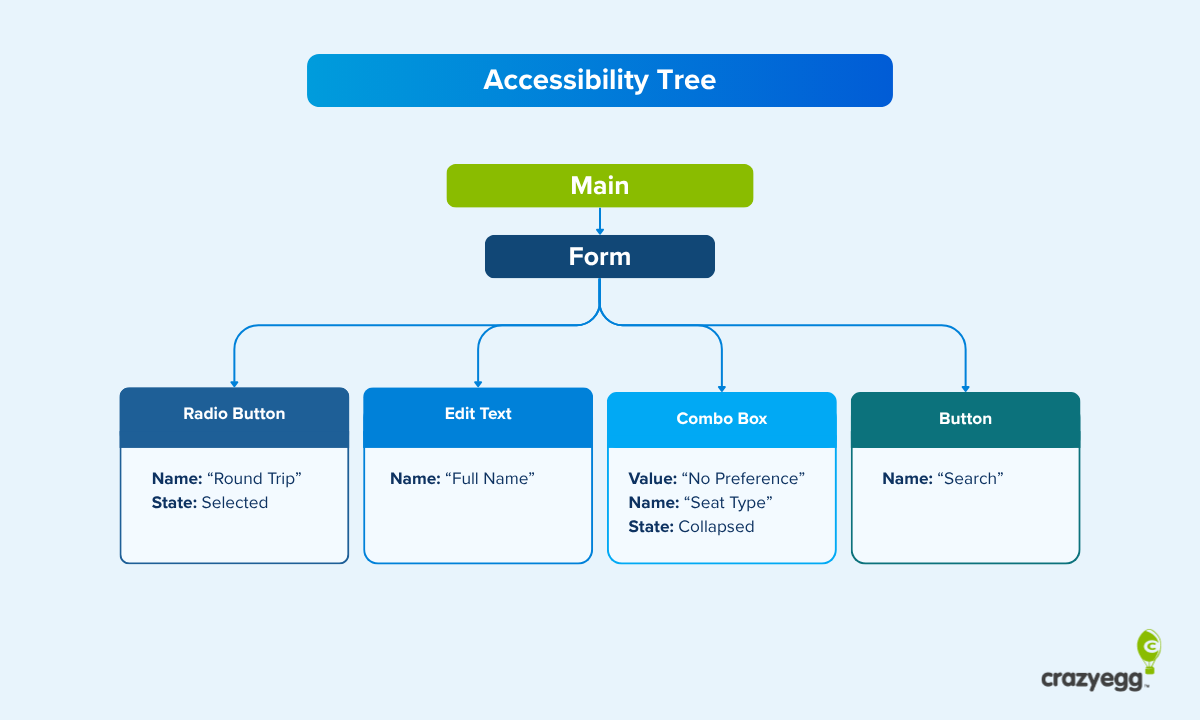
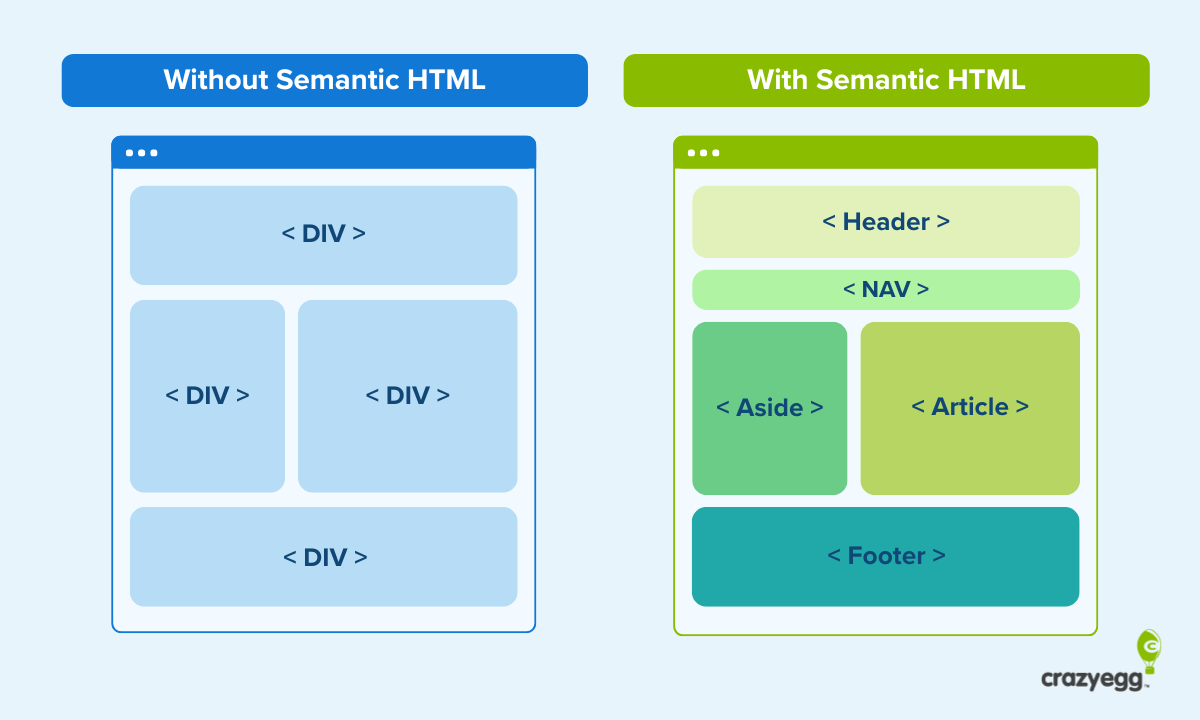
The way an AI agent understands a page is fundamentally different from a human but strikingly similar to how screen readers assist visually impaired users. Agents build a structural map of a page known as an "accessibility tree." This map relies on semantic HTML—using specific tags like <nav>, <button>, and <h1>—rather than generic <div> tags.

A study conducted by researchers at UC Berkeley and the University of Michigan (presented at CHI 2026) highlighted the stakes of this structural dependency. The study found that Claude’s task success rate plummeted from 78% under normal conditions to just 42% when restricted to keyboard-only navigation—a mode that mimics how agents traverse the accessibility tree.
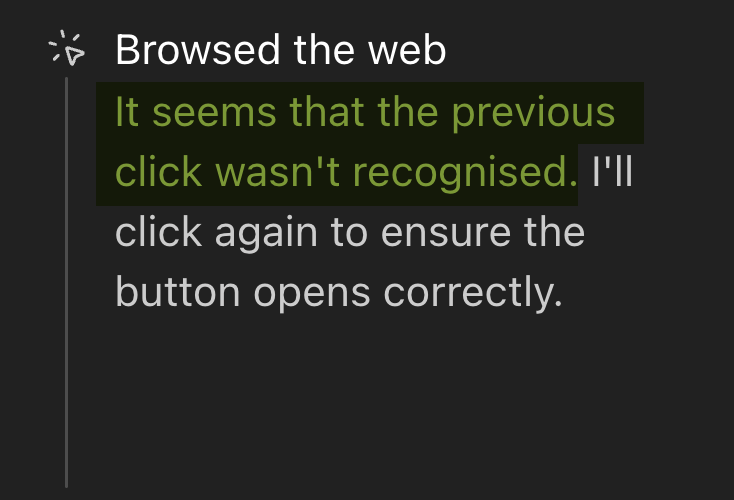
OpenAI has recently confirmed that its "Atlas" agent uses ARIA (Accessible Rich Internet Applications) tags to interpret page structure. Similarly, Perplexity’s research indicates a strong preference for content that maintains its original structure, particularly well-organized lists and tables. Sites that lack these semantic markers often leave agents "guessing," leading to unresponsive buttons and failed form submissions.
Authentication and the Non-Human Credential Risk
One of the most complex frontiers for the agentic web is authentication. Tasks such as checking an order status or managing a subscription require logging in, yet most websites offer no secure way for an agent to do so without a user sharing their actual password—a practice that creates massive security vulnerabilities.
The Sophos 2026 State of Identity Security report, which surveyed 5,000 IT leaders, found that 71% of organizations suffered at least one identity-related breach in the past year. Weak management of non-human credentials was cited as a root cause in 40.6% of these incidents.
To mitigate this, new infrastructure is being developed:
- OAuth Discovery: This allows a site to tell an agent how to log in securely through a standardized protocol, keeping the action traceable to a specific human user.
- Web Bot Auth: A protocol backed by Cloudflare, Amazon, Akamai, and OpenAI that allows an agent to cryptographically prove its identity, preventing "spoofing" by malicious bots.
For now, many agents rely on "guest checkout" flows to bypass the need for a login, but the long-term solution lies in these emerging cryptographic standards.
The Future of Content Interaction: Agentic Commerce
The final step in the agentic journey is the completion of a task, such as a transaction. This is currently where agents fail most frequently. The web was built for mouse-driven humans, not software filling out fields one by one.
To bridge this gap, a cluster of "agentic commerce" protocols is emerging. Initiatives like the Model Context Protocol (MCP) by Anthropic and the Agentic Standard (agentic-standard.org) aim to provide a common language for agents to interact with APIs and checkout systems. Major financial networks, including Mastercard and American Express, are already integrating these standards into their payment processing for AI-driven transactions.
The broader implication of these developments is a shift in web design priorities. For the last two decades, design has focused on "visual delight" and "conversion rate optimization" for human eyes. In the coming years, the most successful websites will be those that are also "machine-readable"—optimized for the 50 billion (and growing) daily requests from the agents that now serve as the primary interface between the user and the internet. By focusing on the fundamentals of accessibility, semantic structure, and server-side rendering, businesses are not just preparing for AI; they are building a more robust, faster, and more inclusive web for everyone.







