Digital marketing has transitioned from an era of creative intuition to a rigorous discipline rooted in the scientific method, where every pixel and comma is subject to empirical validation. As global competition for consumer attention intensifies, the necessity of experimentation has become the cornerstone of high-performing marketing campaigns. At the center of this evolution are two primary methodologies: A/B testing and Multivariate Testing (MVT). While both serve the ultimate goal of conversion rate optimization (CRO), they operate on different scales of complexity and require distinct strategic frameworks to execute effectively.

The contemporary marketing landscape is no longer satisfied with static landing pages. Instead, marketers are increasingly utilizing sophisticated testing protocols to understand not just what works, but the intricate "why" behind user behavior. This shift is driven by the realization that minor adjustments in page architecture can lead to significant fluctuations in revenue. Consequently, the choice between a simple split test and a complex multivariate analysis has become a critical decision for data-driven organizations.
The Foundations of Digital Testing: A/B vs. Multivariate
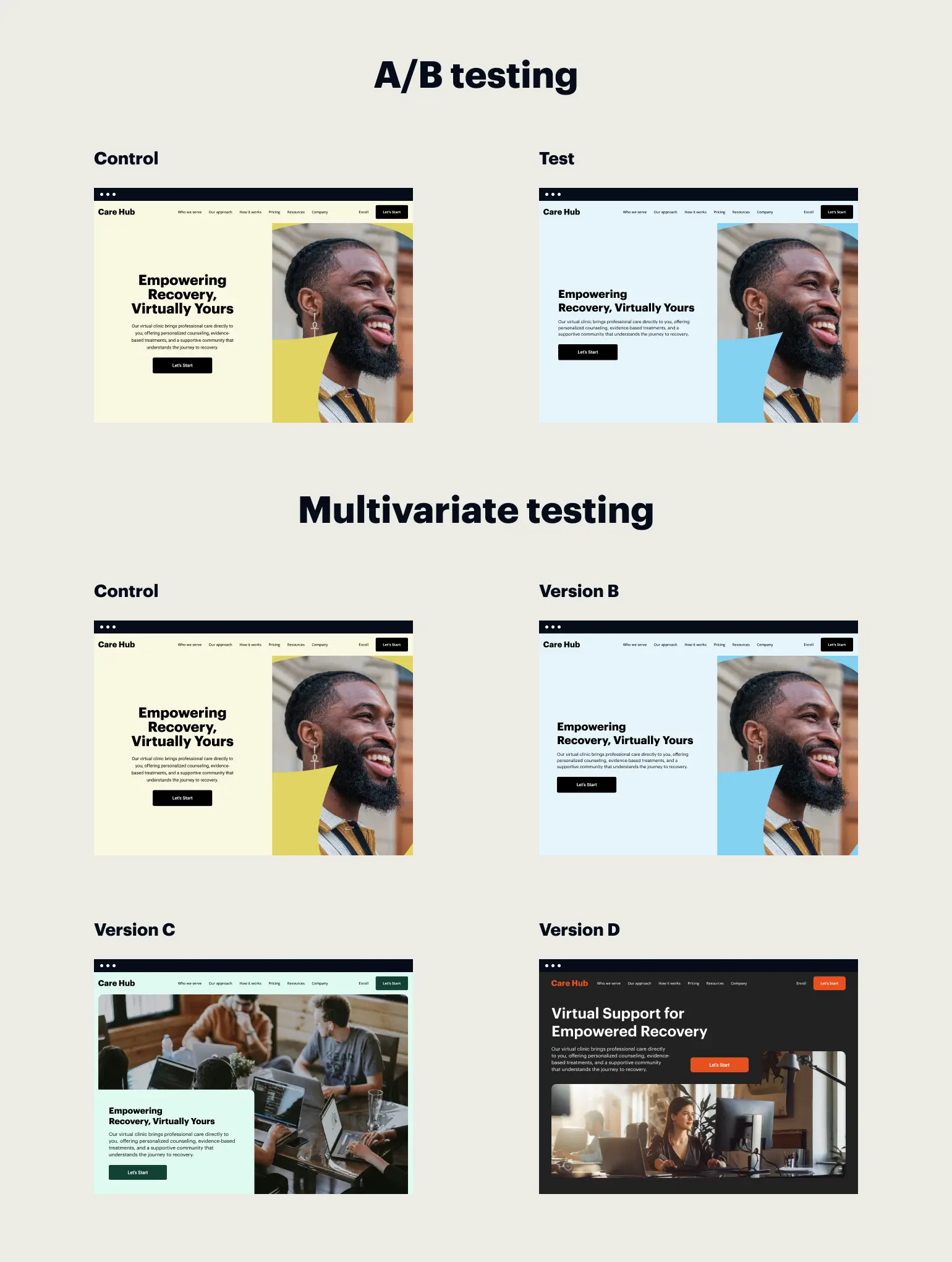
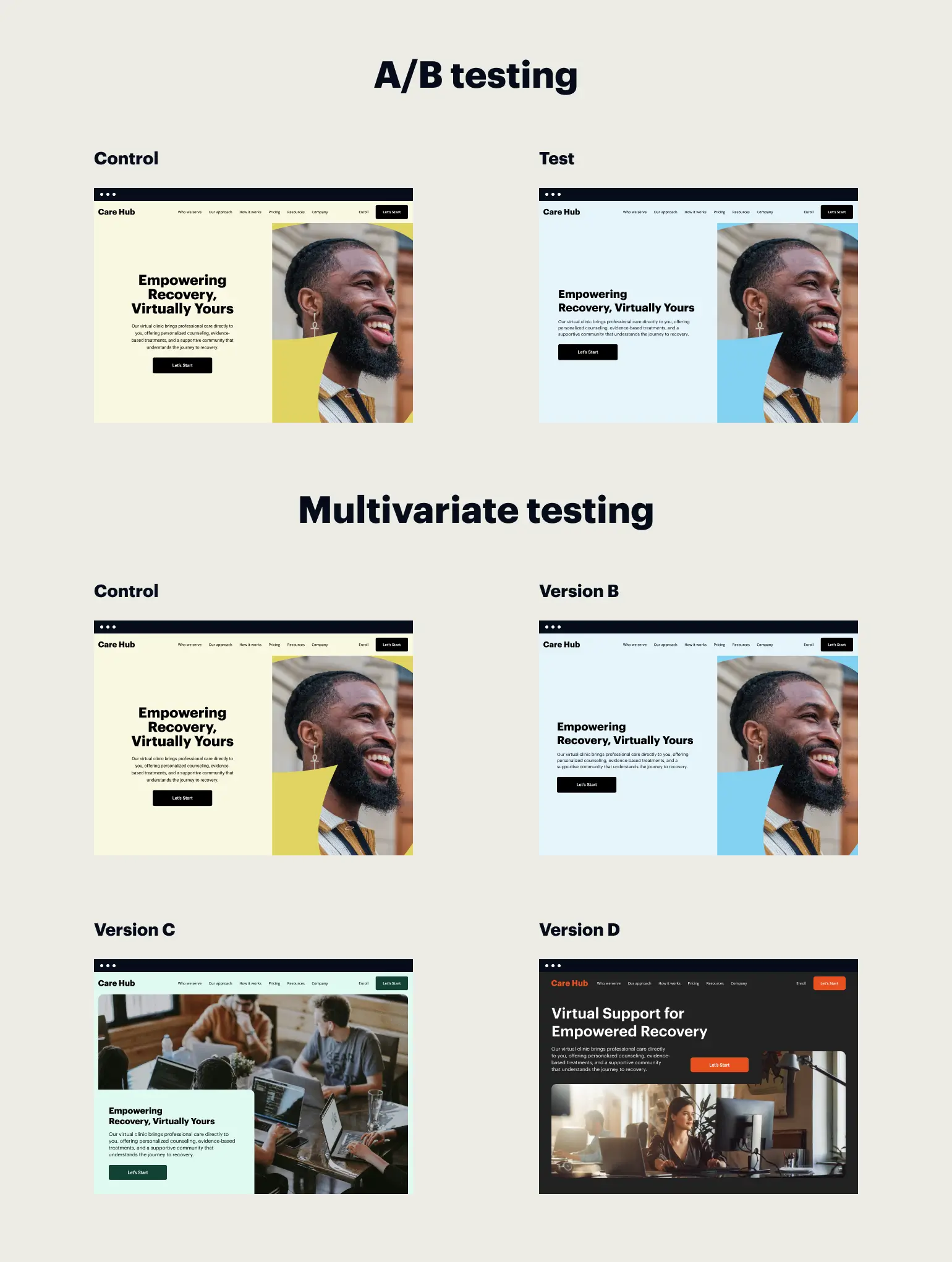
To understand the current state of digital experimentation, one must first distinguish between the fundamental approaches of A/B and multivariate testing. A/B testing, often referred to as split testing, is a linear process where two versions of a single element—such as a headline or a call-to-action (CTA) button—are compared. The audience is divided into two segments, and the variant that yields the highest engagement or conversion rate is declared the winner. This method is prized for its simplicity and the speed at which it can produce statistically significant results.
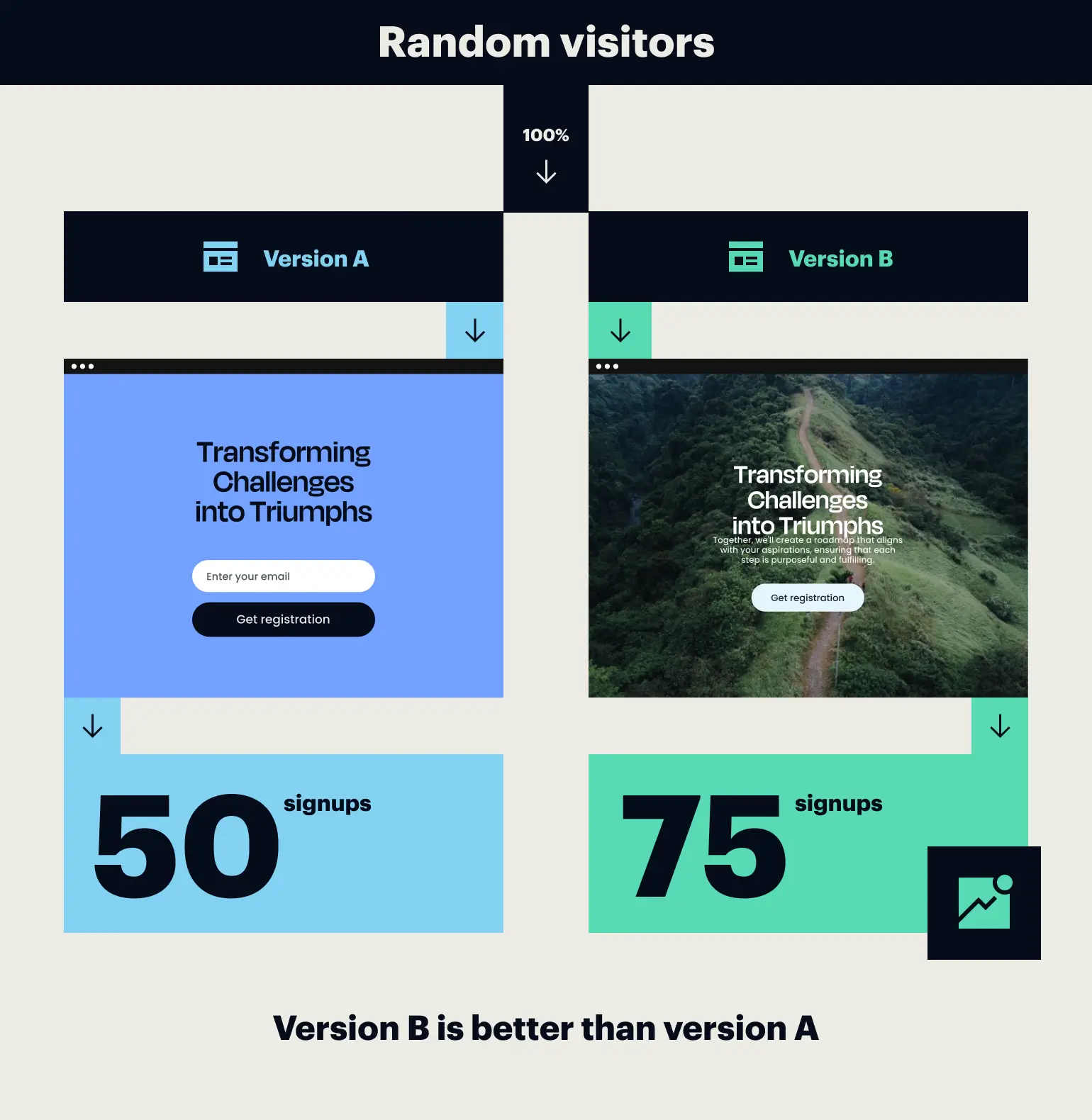
In contrast, Multivariate Testing (MVT) is a more advanced methodology designed to analyze how multiple variables interact with one another simultaneously. Rather than testing a single change, MVT allows marketers to modify several elements—headlines, images, form fields, and button colors—all at once. The objective is to identify the "winning combination" of these elements. This approach acknowledges a fundamental truth in user experience (UX) design: elements do not exist in a vacuum. A specific headline might perform exceptionally well when paired with a professional stock photo but fail when matched with a lifestyle image. MVT is the only tool capable of uncovering these nuanced interaction effects.
The Mathematical Framework: Calculating Experiment Complexity
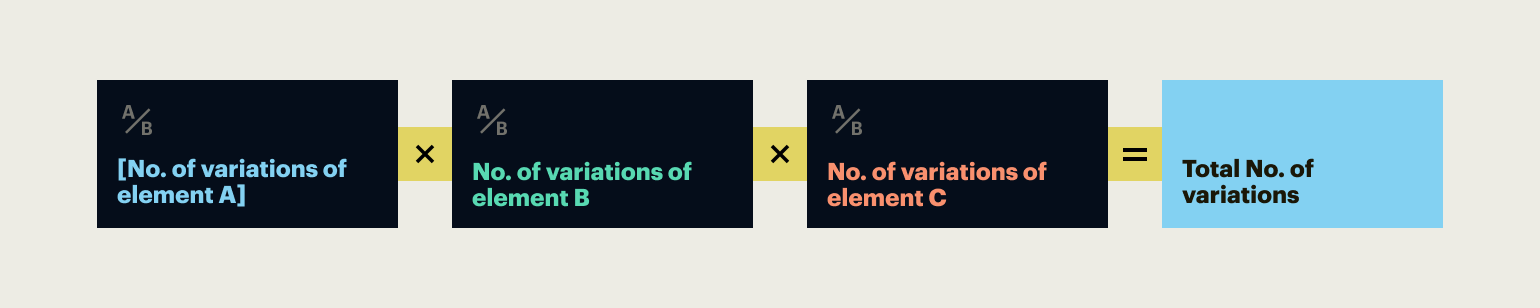
The primary challenge of multivariate testing lies in its exponential nature. The number of combinations required for a test is determined by multiplying the number of variations for each element. For instance, if a marketer wishes to test three different headlines and two different hero images, the resulting experiment involves six unique page variations ($3 times 2 = 6$).
If the complexity increases to include three headlines, two button colors, and two different CTA text options, the total number of variations jumps to twelve ($3 times 2 times 2 = 12$). This mathematical reality dictates the resources required for the experiment. Each additional variation requires a proportional increase in web traffic to ensure that the data collected is statistically significant. For high-traffic platforms, this is a manageable hurdle, but for smaller enterprises or niche B2B landing pages, the traffic requirements can become a prohibitive barrier to entry.
Strategic Benefits and Operational Drawbacks
The adoption of MVT offers several strategic advantages that simple A/B testing cannot replicate. Most notably, it allows for the simultaneous validation of multiple hypotheses. Instead of running three consecutive A/B tests over three months, a marketer can run a single MVT over several weeks, provided they have sufficient traffic. This accelerates the optimization cycle and provides a comprehensive view of the page’s performance.

Furthermore, MVT reduces the risk of "false positives" that can occur when sequential A/B tests fail to account for element overlap. By analyzing the synergy between components, brands can create a more cohesive and persuasive user journey. However, these benefits come with increased operational costs. MVT requires more design assets, more complex tracking setups, and a deeper level of data analysis. Additionally, because the traffic is split across many more variations, it takes significantly longer to reach a "confidence level" (usually 95% or higher) compared to a standard A/B split.
Case Studies in Optimization: Real-World Applications
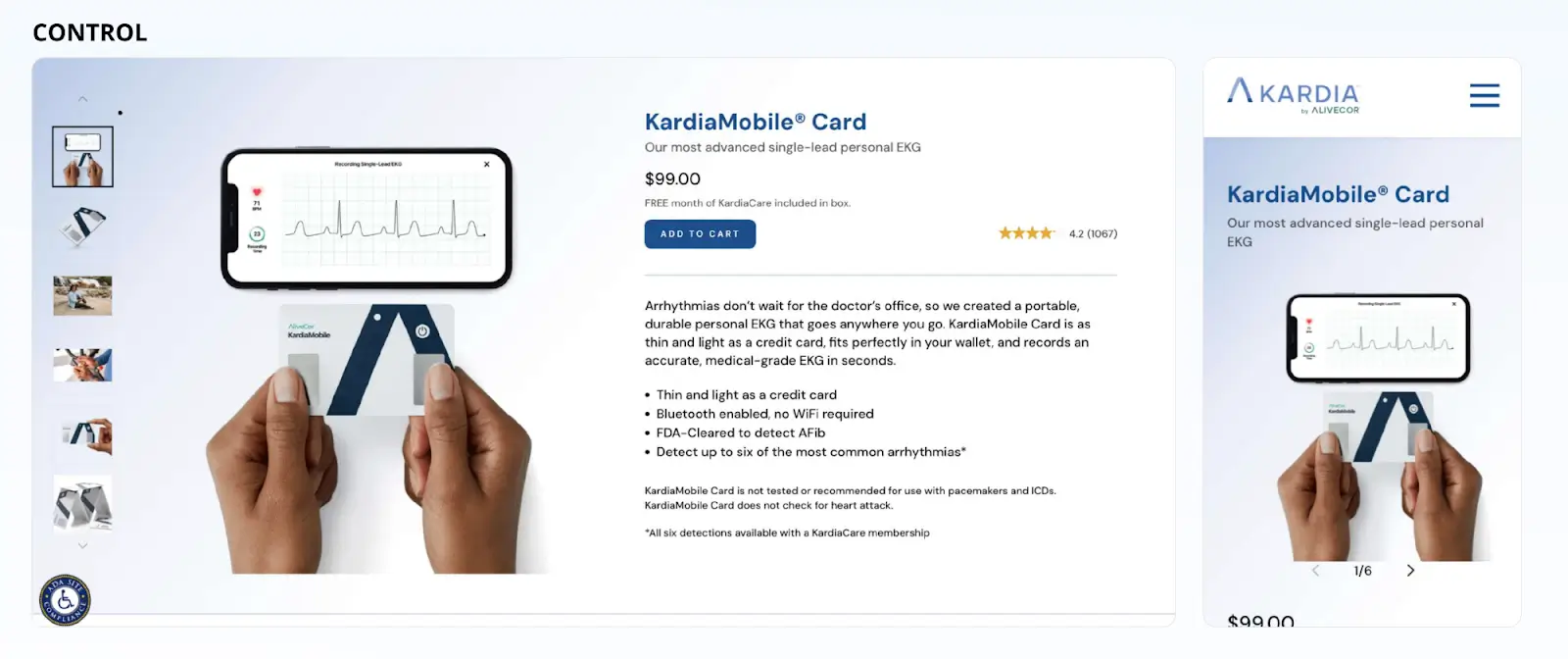
The efficacy of these testing methods is best illustrated through real-world applications. In the medical technology sector, AliveCor utilized experimentation to launch its KardiaMobile Card. The company faced a delicate balance: promoting a new product without cannibalizing the sales of its existing lineup.
Based on the hypothesis that users interact more with highlighted elements, AliveCor conducted tests involving the addition of a "New" badge on product detail pages and listing titles. The experiment, which spanned both desktop and mobile interfaces, resulted in a 25.17% increase in conversion rates and a 29.58% boost in revenue per user. This case highlights how even subtle visual cues, when validated through testing, can lead to substantial commercial gains.
In another instance, the customer support platform Groove sought to overhaul its landing page performance. By moving away from a feature-heavy layout to a "copy-first" design, the company focused its testing on headlines and narratives that emphasized benefits over technical specifications. This comprehensive page redesign, validated through rigorous testing, allowed Groove to nearly double its conversion rate, moving from 2.3% to 4.3%. This example demonstrates that testing is not merely for minor tweaks; it is a vital tool for validating radical architectural shifts in web design.

Technical Methodologies: Full Factorial vs. Taguchi
Within the realm of MVT, marketers must choose between different statistical approaches. The most common is the "Full Factorial" method, which tests every possible combination of variables. This is widely considered the gold standard for accuracy because it provides a complete data set for every interaction.
However, for organizations with limited traffic or an overwhelming number of variables, "Fractional Factorial" or "Taguchi" methods are sometimes employed. These methods use mathematical shortcuts to test only a subset of combinations, assuming that certain interactions are less likely to be significant. While more efficient, these methods carry a higher risk of missing the optimal combination, leading many modern digital platforms to prefer Full Factorial testing whenever traffic permits.

The Role of Marketing Technology (MarTech) Platforms
As the barrier between data science and marketing continues to dissolve, platforms like Instapage have emerged to democratize these complex testing processes. Historically, running a multivariate test required a dedicated team of developers and data analysts. Today, integrated A/B testing tools allow marketers to set up experiments, define hypotheses, and split traffic through intuitive user interfaces.
The workflow typically involves selecting a "control" page, creating variations within a visual builder, and assigning traffic percentages to each version. These platforms also provide real-time analytics, showing which version is "winning" based on predefined goals like form submissions or button clicks. By lowering the technical threshold for experimentation, these tools have made it possible for mid-market companies to compete with the data capabilities of enterprise giants.
Broader Implications and the Future of Experimentation
The rise of multivariate testing reflects a broader trend toward hyper-personalization in the digital economy. As machine learning and artificial intelligence become more integrated into MarTech stacks, the future of testing likely lies in "automated experimentation." In this scenario, AI algorithms will not only analyze the results of MVT but will proactively generate and test new variations in real-time, tailoring the page layout to individual user profiles based on historical behavior.
However, the human element remains irreplaceable. The most successful experiments are those driven by strong psychological hypotheses. Data can tell a marketer which button performed better, but it takes human insight to understand the underlying consumer motivation.

Conclusion: Balancing Speed and Precision
The choice between A/B testing and multivariate testing is ultimately a balance between speed and precision. A/B testing remains the superior choice for quick iterations, low-traffic pages, and making major "either/or" decisions. It is the "fast-twitch" muscle of the marketing department. Multivariate testing, conversely, is the "endurance" muscle—best suited for high-traffic environments where the goal is to fine-tune complex interactions and maximize every possible percentage point of the conversion rate.
In an increasingly volatile digital market, the companies that thrive will be those that view their websites not as finished products, but as living laboratories. By mastering the nuances of both A/B and multivariate testing, brands can ensure that their digital presence is always evolving in alignment with the ever-changing preferences of the global consumer. The data-driven revolution is no longer a luxury; it is the fundamental requirement for survival in the modern marketing era.