E-receipts have transcended their original function as mere digital proof of purchase, evolving into a critical and unique digital touchpoint for brands worldwide. These electronic confirmations, delivered typically via email after a transaction, serve not only for documentation and customer support but also as a powerful, often underutilized, channel for fostering brand loyalty and driving future revenue. Unlike their paper predecessors, e-receipts offer unparalleled flexibility and accessibility, available as PDF or HTML formats, providing customers with easy-to-access records while opening up new avenues for brands to engage.
The shift from tangible paper receipts to their digital counterparts began subtly, driven initially by operational efficiencies and environmental concerns. Businesses sought to reduce printing costs, streamline record-keeping, and offer customers a more convenient, less cumbersome alternative to crumpled paper slips. Early adoption was spurred by the rise of e-commerce, where digital receipts were a natural fit, but their integration into brick-and-mortar retail has accelerated dramatically in recent years. This evolution mirrors the broader digital transformation across industries, where every customer interaction is being optimized for convenience, data capture, and personalized engagement.
Today, the strategic value of e-receipts extends far beyond simple transactional confirmation. They represent a prime opportunity for marketers to deepen customer relationships and influence future purchasing decisions. By strategically incorporating elements like loyalty program details, mobile app promotions, cross-sell or upsell product recommendations, and post-purchase feedback requests, brands can transform a routine notification into a dynamic marketing tool. This allows for reinforcement of brand consistency and the invaluable gathering of customer data, creating a virtuous cycle of engagement and improvement.
The Multifaceted Value Proposition of E-Receipts
The modern e-receipt is a dynamic communication tool, offering benefits that span customer service, marketing, and operational efficiency. For customers, the advantages are clear: immediate access to purchase details, easier expense tracking, and a reduced environmental footprint from paper waste. For businesses, the strategic value is immense, providing a direct, high-engagement channel with a captive audience.
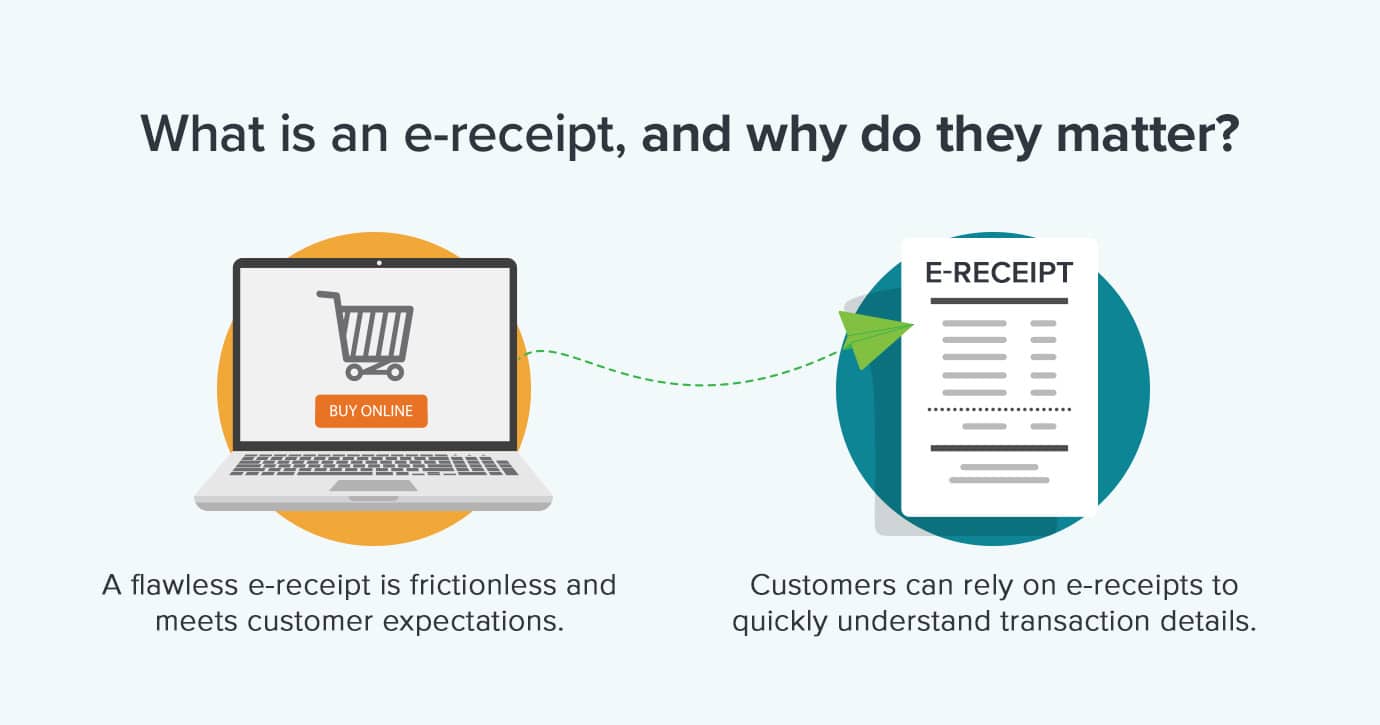
According to recent industry analyses, e-receipts boast significantly higher open rates compared to general marketing emails, often exceeding 70-80%. This elevated attention level makes them an ideal platform for secondary messaging without feeling intrusive. For instance, a study by Salesforce found that transactional emails, which include e-receipts, have an average open rate of 70.9% and a click-through rate of 12.6%, far outperforming typical promotional emails. This high engagement underscores their potential as a strategic marketing asset.
Furthermore, the environmental impact of this digital shift is substantial. The Environmental Paper Network estimates that the average American consumes over 700 pounds of paper annually. While individual receipts are small, collectively, billions of paper receipts are printed each year, contributing to deforestation, energy consumption, and waste. Opting for e-receipts can save thousands of trees, reduce carbon emissions, and minimize the use of thermal paper, which often contains harmful chemicals like BPA or BPS. This commitment to sustainability resonates strongly with an increasingly eco-conscious consumer base, enhancing brand perception and loyalty.
Crafting the Perfect E-Receipt: Key Best Practices
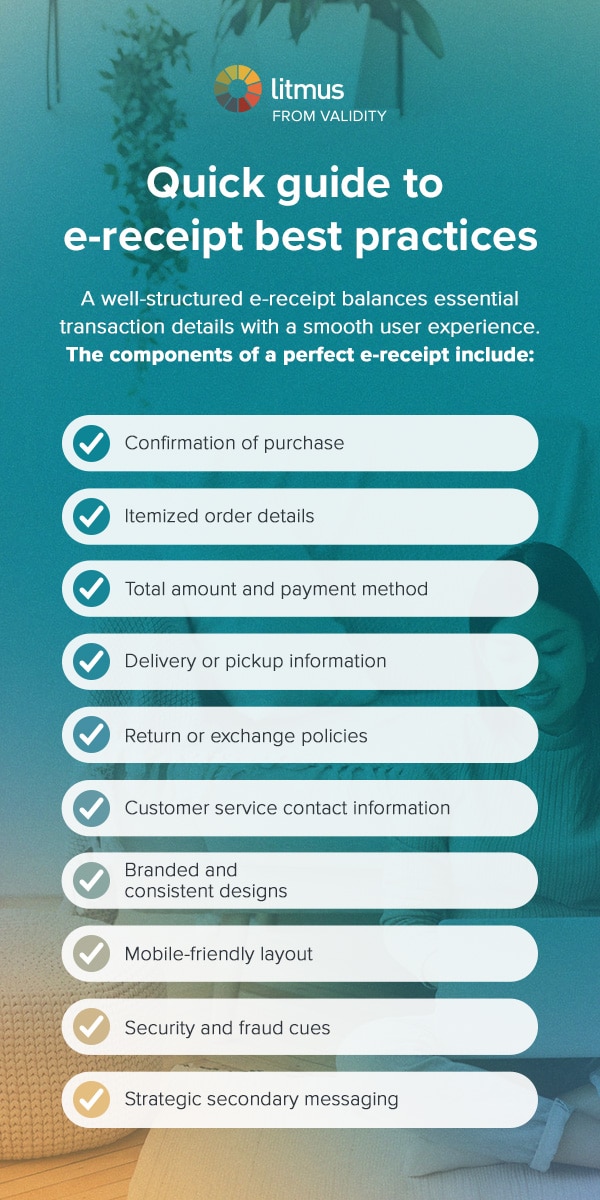
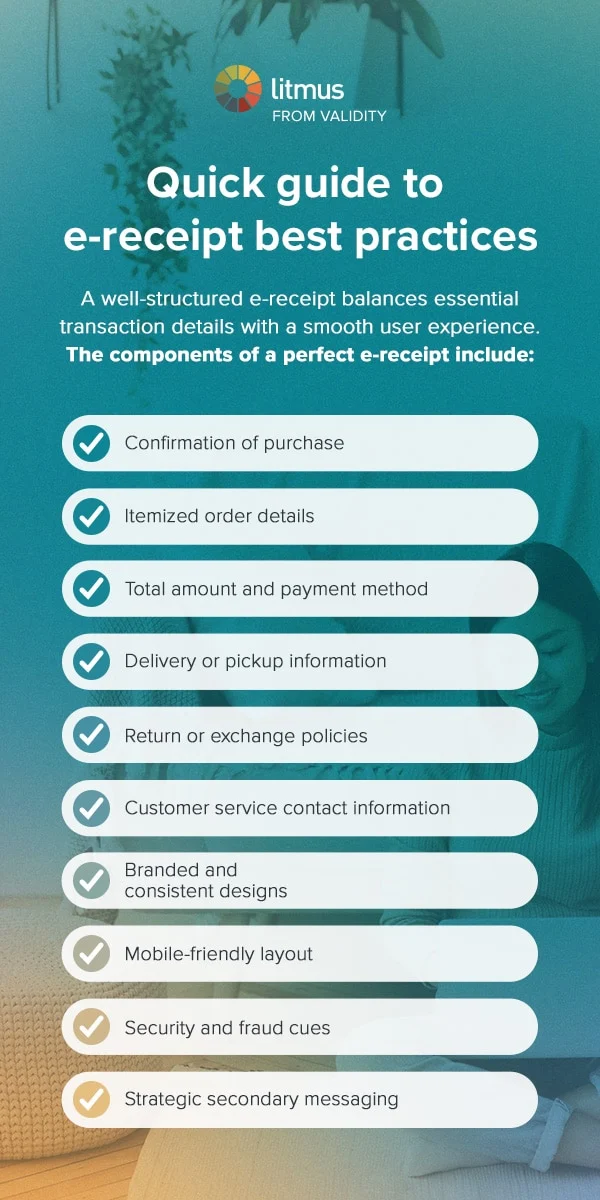
A truly effective e-receipt strikes a delicate balance between providing essential transaction details and delivering a seamless, value-added user experience. Thoughtful design and strategic content integration are paramount to transforming a routine digital confirmation into a powerful customer touchpoint. The components of an ideal e-receipt include:
- Clear Transaction Summary: Immediately visible and accurate details of the purchase, including itemized lists, quantities, prices, taxes, discounts, and the total amount paid.
- Order Identification: Prominent display of order numbers, transaction IDs, and purchase dates for easy reference.
- Payment Information: Clear indication of the payment method used, often masked for security.
- Shipping/Delivery Details: If applicable, tracking numbers, estimated delivery dates, and shipping addresses.
- Customer Service Contacts: Easily accessible phone numbers, email addresses, and live chat options.
- Return/Exchange Policy: Concise and clear instructions on how to return or exchange items.
- Brand Reinforcement: Consistent branding elements (logo, colors, fonts) that align with the overall brand identity.
- Strategic Marketing Elements: Thoughtfully integrated promotions for loyalty programs, mobile apps, or personalized product recommendations.
Illustrative Strategies and Examples for Enhanced Engagement
An outstanding e-receipt is far more than a simple transaction record; it is a carefully crafted communication designed to strengthen customer relationships and unlock additional value. Here are seven essential elements and the strategies behind them:
-
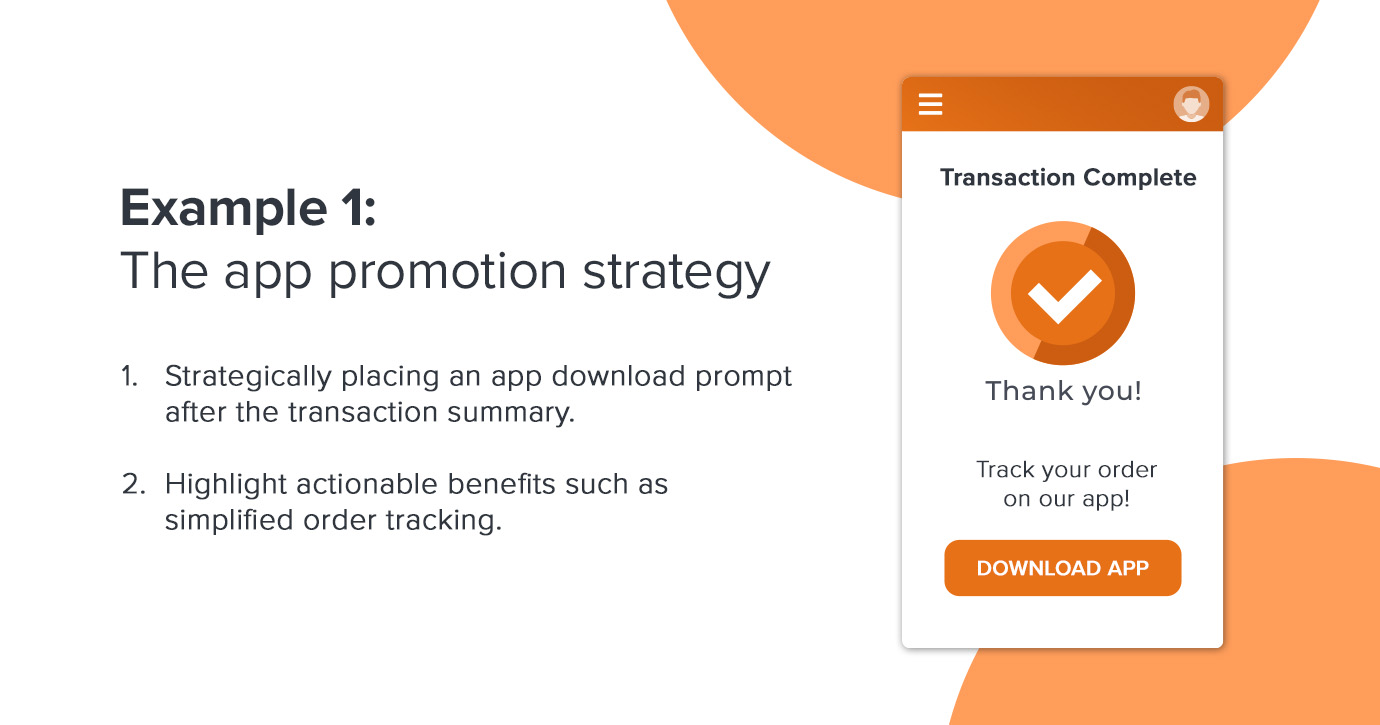
The App Promotion Strategy: Leveraging the post-purchase moment, a targeted promotion of a brand’s mobile app or digital services within an e-receipt can significantly boost app downloads. By placing a clear call-to-action (CTA) for app download after the transaction summary, brands capitalize on the customer’s "digital mindset." Emphasizing actionable benefits, such as simplified order tracking, exclusive in-app offers, or faster checkout, provides compelling reasons to download. A modern, single-column layout, consistent with brand style, ensures the promotion is concise and visually appealing. Security details, like fraud warnings, reinforce trust in both the receipt and the app, making the timing of this promotion crucial—offering value without interrupting the primary transaction confirmation. Brands often report a 10-15% uplift in app installations when leveraging e-receipts for this purpose.
-
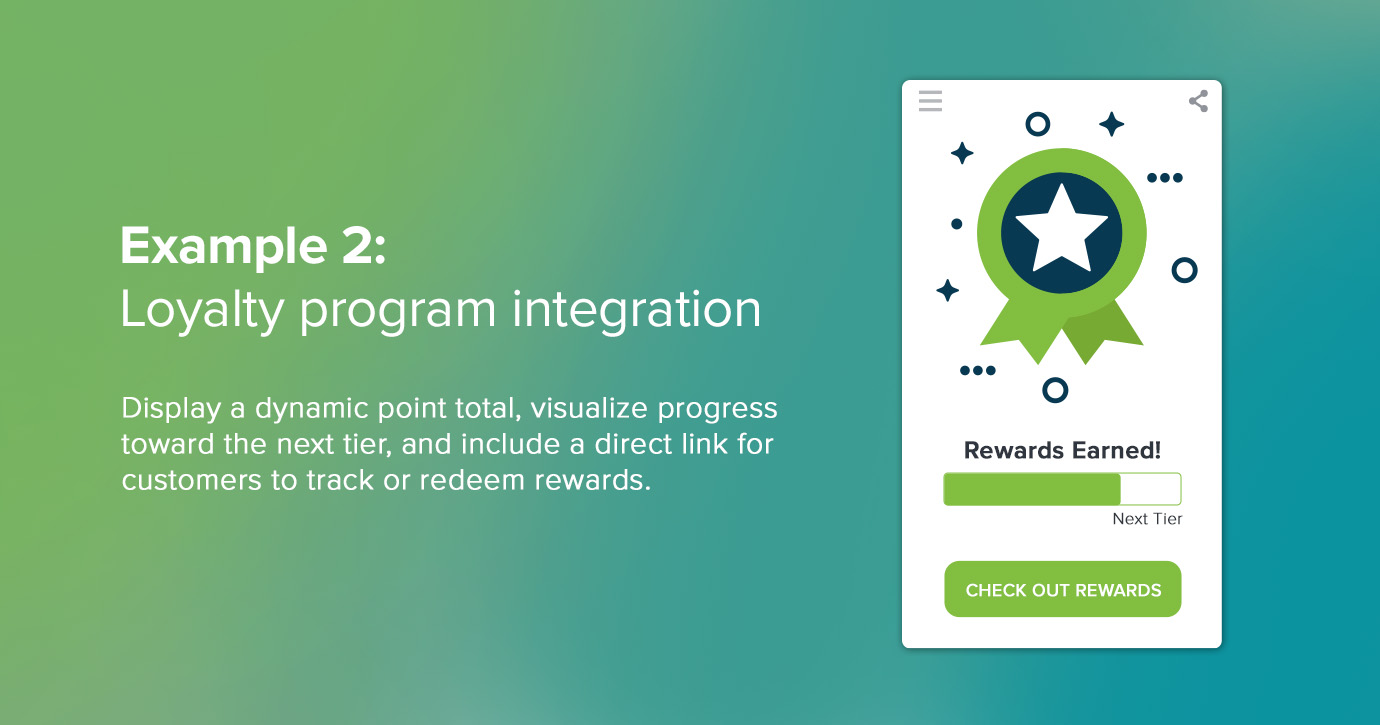
Loyalty Program Integration: Integrating loyalty program details directly into e-receipts is a highly effective way to encourage continued customer participation and repeat business. A well-designed loyalty section can dynamically display points or rewards earned from the recent purchase, creating an immediate connection between the transaction and future incentives. For maximum impact, benefits should be tangible: a dynamic point total, visual progress bars towards the next reward tier, and direct links to track or redeem rewards. Brands like Sephora’s Beauty Insider Program and Taco Bell’s tier-based system exemplify this, showing customers their immediate gains and motivating further engagement. Such integration can lead to a 5-8% increase in repeat purchases within a specific timeframe.
-
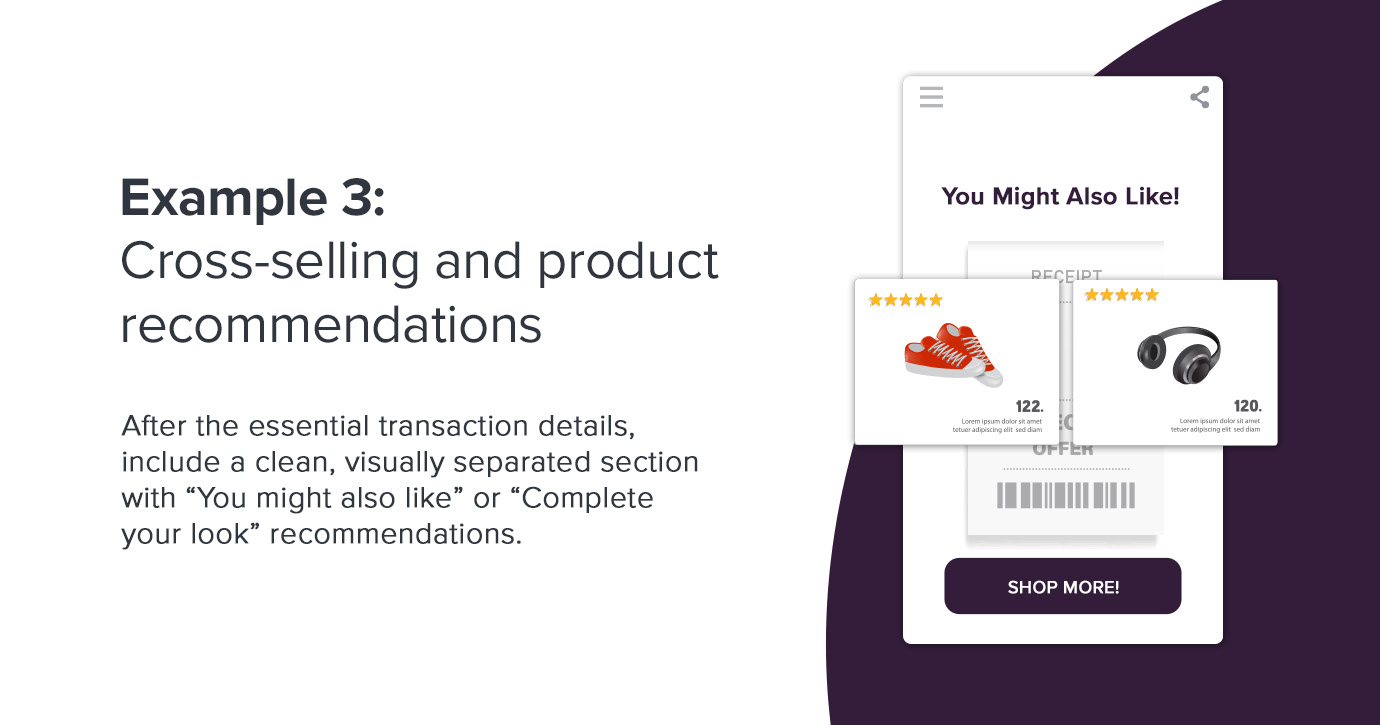
Cross-selling and Product Recommendations: Strategic product suggestions within e-receipts can drive significant incremental revenue when executed thoughtfully. Placed after essential transaction details, a clean, visually distinct section with phrases like "You might also like" or "Complete your look" can showcase relevant recommendations. These recommendations are most effective when powered by actual purchase data or AI-driven predictive analytics, similar to Amazon’s "Frequently Bought Together" section. Clear imagery, concise descriptions, and direct links facilitate easy browsing and buying. By maintaining a shopper-centric approach, recommendations feel tailored rather than generic, increasing average order value and demonstrating an understanding of customer preferences. This strategy can contribute to a 2-4% increase in follow-up purchases.
-
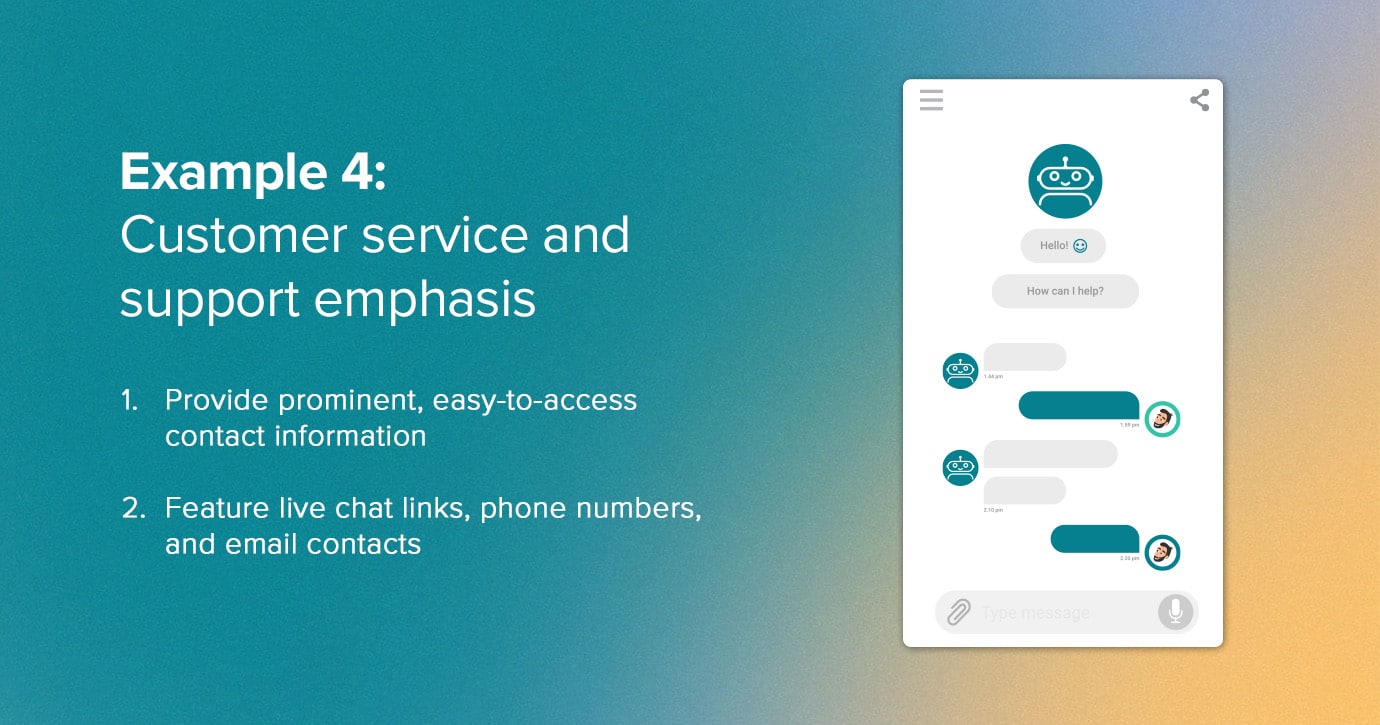
Customer Service and Support Emphasis: An exemplary e-receipt anticipates customer questions and proactively offers solutions, minimizing friction. Providing easy-to-access contact information and clear explanations of return or exchange processes builds immediate trust. Featuring live chat links, phone numbers, and email contacts prominently, without excessive scrolling, empowers customers. A dedicated support section with proactive language like "Something not right?" or "Need help?" encourages self-service and reduces inbound support ticket volume. Including FAQs or quick links tailored to the specific purchase further enhances the self-help experience, demonstrating a brand’s commitment to satisfaction at every stage. Businesses have reported a 15-20% reduction in post-purchase customer service inquiries through well-implemented support sections in e-receipts.
-
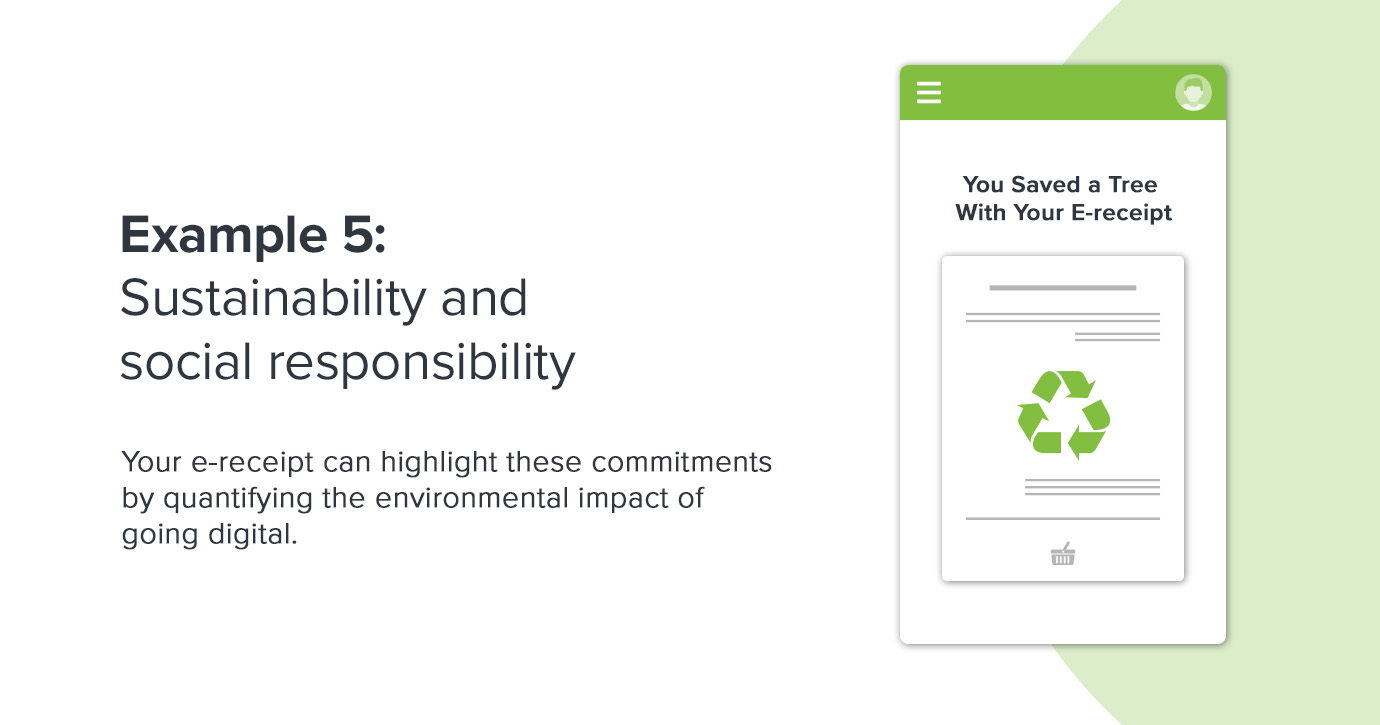
Sustainability and Social Responsibility: Modern consumers increasingly align with brands that prioritize ethical and environmental values. E-receipts offer a subtle yet powerful platform to highlight these commitments. Quantifying the environmental impact of going digital—such as "You saved X grams of paper" or "Your digital receipt contributed to saving X trees"—provides a tangible benefit. Concise, visible messaging in the header or footer can link to sustainability reports, certifications, or ongoing green initiatives, building emotional connections and reinforcing responsible consumer behavior. This approach not only enhances brand image but also encourages customers to feel good about their choices, fostering loyalty among environmentally conscious segments.
-
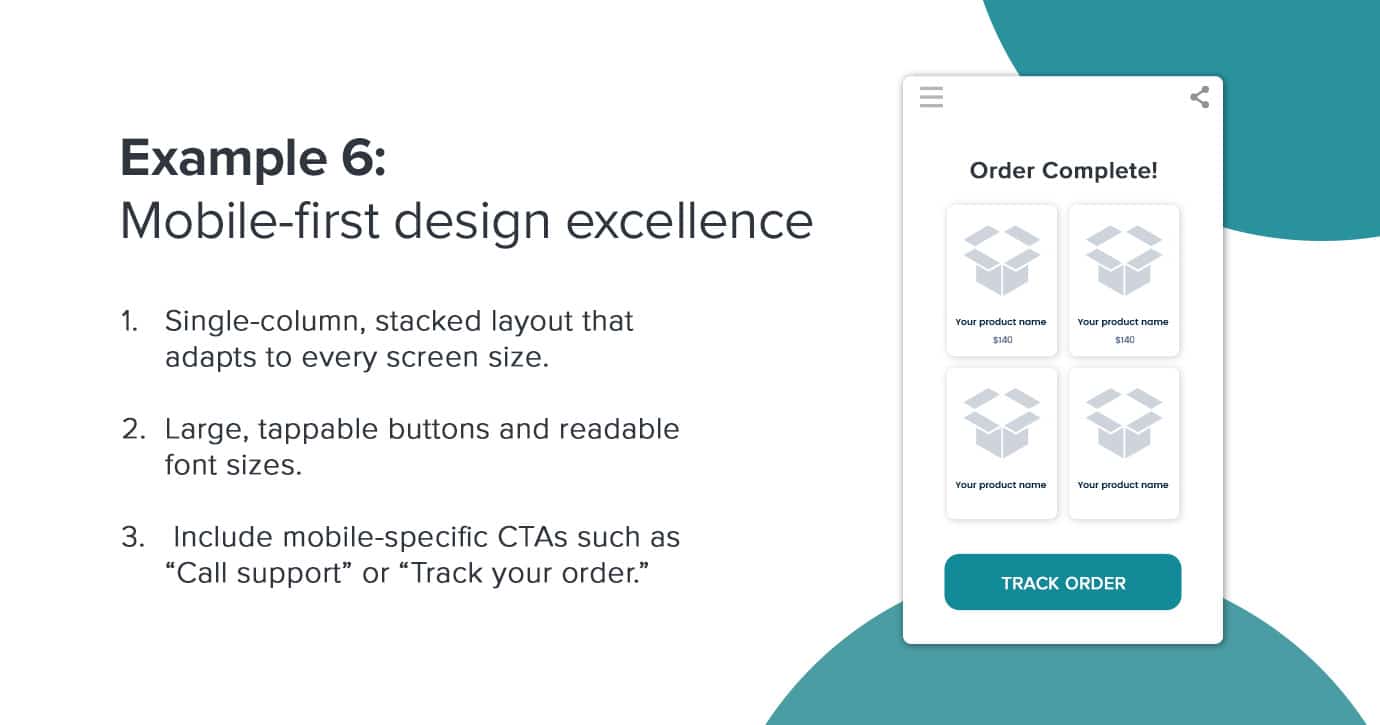
Mobile-First Design Excellence: With the vast majority of emails now opened on mobile devices (often exceeding 60-70%), responsive, mobile-first design for e-receipts is non-negotiable. A positive mobile experience is foundational for engagement and loyalty. This involves using a single-column, stacked layout that fluidly adapts to various screen sizes, large tappable buttons, and legible font sizes. Navigation must be intuitive, ensuring critical information is immediately visible without excessive scrolling. Mobile-specific CTAs, such as "Call support" or "Track your order," streamline the user journey. Fast load times and lightweight graphics further reduce friction, making the e-receipt accessible and user-friendly wherever the customer is.
-
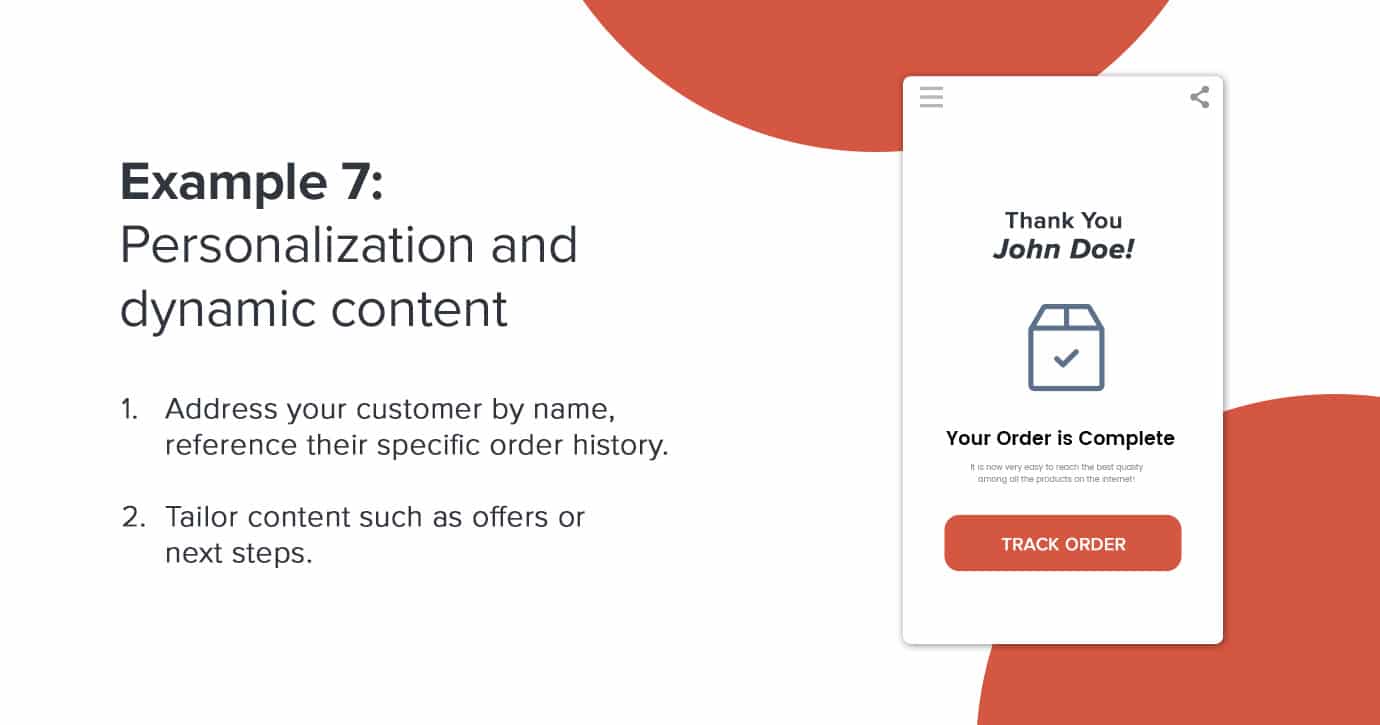
Personalization and Dynamic Content: Personalization transforms generic receipts into memorable, value-driven communications. Beyond addressing the customer by name, effective personalization references specific order history, tailors offers or next steps based on unique segments or behaviors, and integrates dynamic content. This could include flexible images, personalized greetings, and CTA buttons that adapt based on the customer’s profile or purchasing context. Relevant loyalty updates, customized product recommendations, and behaviorally triggered content blocks significantly increase open rates and foster a stronger connection, demonstrating that the brand values each recipient as an individual. Chipotle’s digital receipt system, for instance, excels at combining strong visuals with interactive and personalized elements, offering estimated pickup times and displaying new rewards earned. This level of personalization can boost click-through rates by 10-12%.
Navigating the Pitfalls: Common Digital Receipt Mistakes to Avoid
Even brands with the best intentions can undermine the value of their e-receipts through easily overlooked missteps. Proactively addressing these pitfalls is critical for delivering an effortless, trustworthy post-purchase experience.
Design and UX Issues to Look Out For:
Great design is often invisible; it allows the recipient to find what they need immediately and without distraction. Poor design, however, frustrates, confuses, or overwhelms recipients, eroding trust and diminishing the overall brand experience. Key design and UX issues to avoid include:
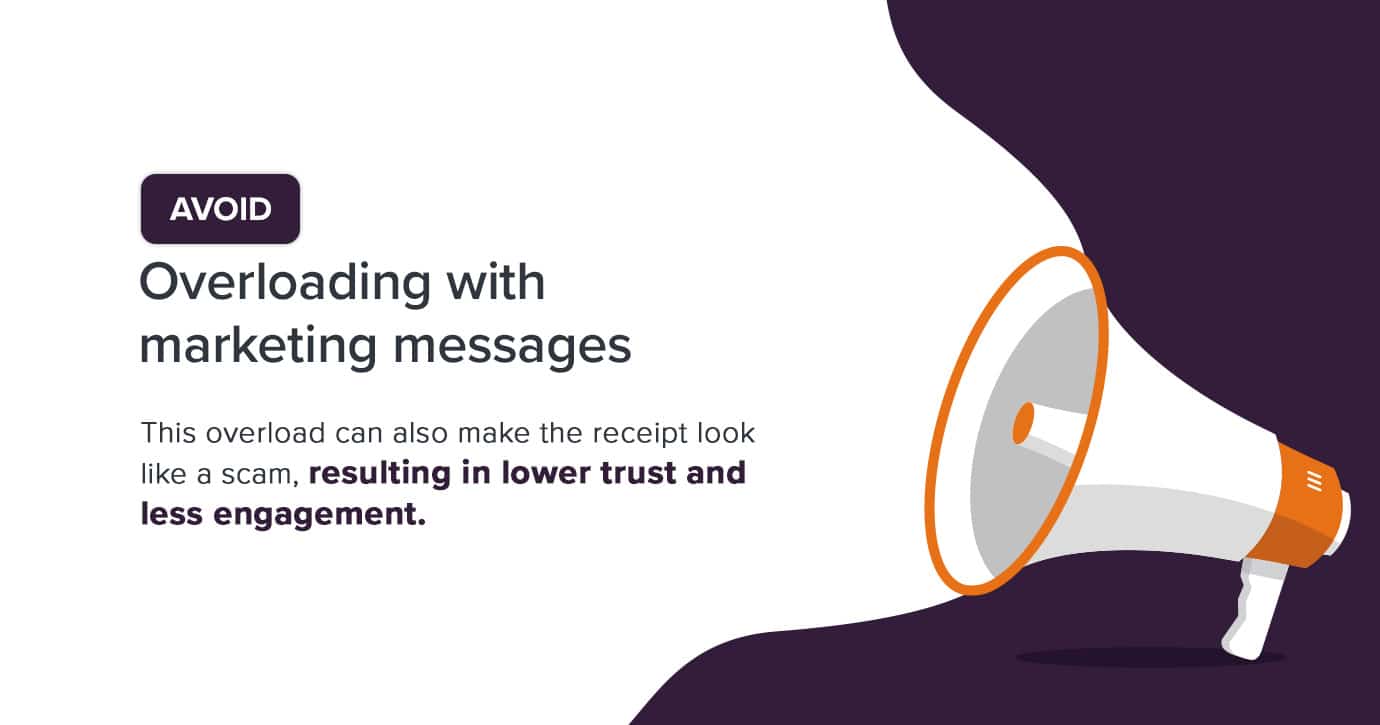
- Overloading with Marketing Messages: While strategic marketing is beneficial, an e-receipt’s primary purpose is transactional. Excessive promotional content can obscure critical purchase details, making the email feel spammy and untrustworthy.
- Poor Mobile Responsiveness: Failing to optimize for mobile devices, which are the primary medium for opening emails, results in unreadable text, broken layouts, and frustrating user experiences.
- Cluttered Layouts and Confusing Hierarchy: Important information should be easily scannable. A cluttered design with inconsistent formatting makes it difficult for customers to quickly locate order details, support contacts, or return policies.
- Inaccessible Design Choices: Using small font sizes, low contrast color schemes, or images without alt text can make e-receipts inaccessible to users with visual impairments, alienating a segment of the customer base.
Content Problems to Be Aware Of:
Receipts that lack key information or contain confusing language can quickly turn a win into a source of post-purchase friction, leading to increased customer service inquiries and dissatisfaction. Be aware of these common content mistakes:
- Missing Critical Information: Omissions of essential details like full itemized lists, correct pricing, tax breakdowns, or shipping addresses create confusion and necessitate customer contact.
- Unclear or Ambiguous Language: Jargon, vague terms, or poorly worded policies can frustrate customers, especially regarding returns, exchanges, or warranty information.
- Outdated Policies or Links: Including old return policies or broken links to support pages erodes trust and signals a lack of attention to detail.
- Generic or Irrelevant Offers: Marketing messages that are not personalized or relevant to the customer’s purchase or profile can feel intrusive and ineffective, wasting valuable e-receipt real estate.
Technical Issues That Can Hinder the Experience:
Technological snags can break trust, reduce accessibility, and significantly increase support overhead. Double-checking e-receipts for these technical issues is paramount:
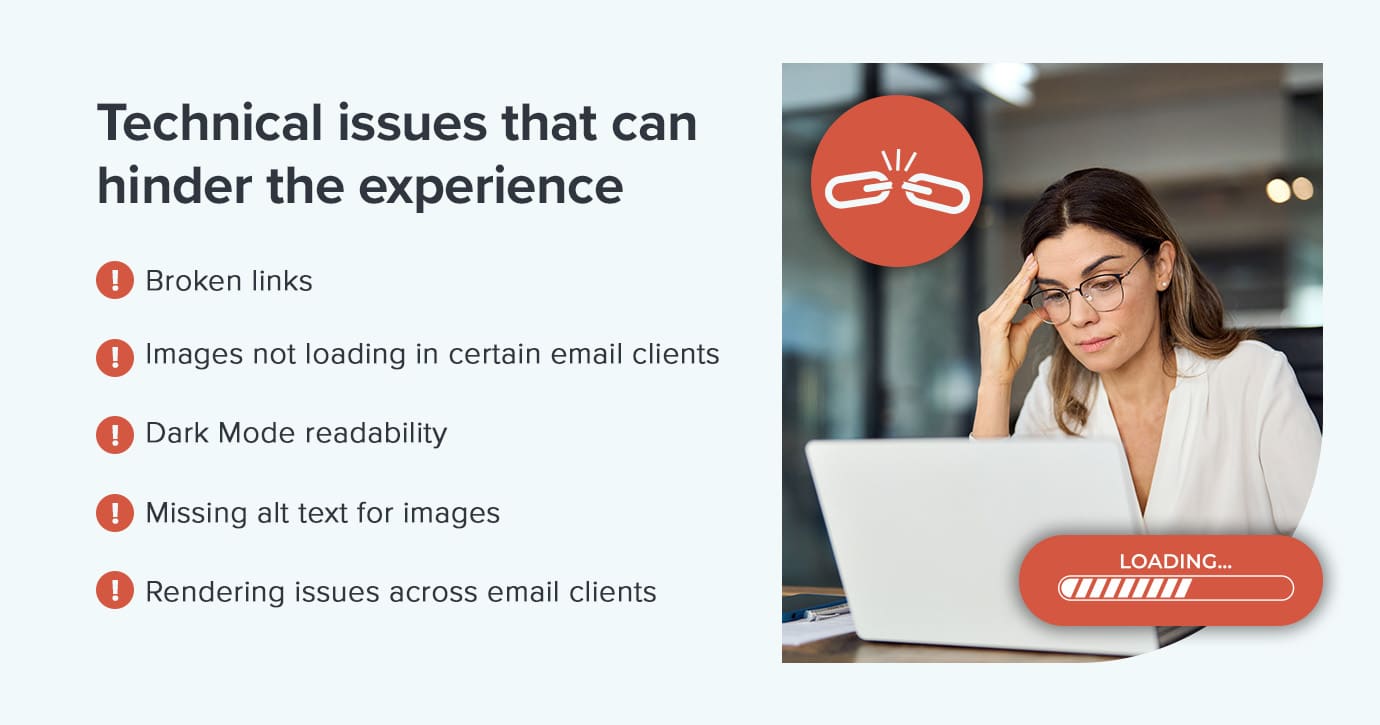
- Broken Links or Images: Non-functional links to product pages, support articles, or tracking information, or broken image displays, create a frustrating and unprofessional experience.
- Rendering Issues Across Email Clients: Emails that display incorrectly on different email clients (e.g., Gmail, Outlook, Apple Mail) or devices can make the receipt unreadable or poorly formatted.
- Slow Loading Times: Heavy images or complex HTML can lead to slow loading times, especially on mobile, causing impatient customers to abandon the email.
- Lack of Personalization Integration Errors: If dynamic content tags or personalization fields fail to populate correctly, customers might see placeholders or incorrect information, diminishing the personalized experience.
- Security Vulnerabilities: Inadequate security measures or unclear privacy statements can expose sensitive customer data or raise concerns about data handling.
E-Receipt Testing Checklist to Promote Success
Ensuring your e-receipts function flawlessly and deliver a superior customer experience requires rigorous testing before every send. This comprehensive checklist outlines critical areas to verify:
- Content Accuracy Verification: Confirm all transactional details, including itemized lists, quantities, prices, discounts, taxes, and total amounts, are accurate and match the customer’s purchase. Verify order numbers, transaction IDs, and dates are correct.
- Personalization and Dynamic Content Check: Ensure all personalized fields (customer name, loyalty points, tailored recommendations) are populating correctly with real or test data. Check that dynamic content blocks display as intended based on customer segments or purchase attributes.
- Link and Call-to-Action (CTA) Functionality: Test every link within the e-receipt, including product links, support contacts, tracking information, app download buttons, and social media icons, to ensure they lead to the correct destinations. Verify all CTAs are prominent, tappable, and functional.
- Email Client and Device Rendering: Use a tool like Litmus to preview how the e-receipt renders across more than 100 popular email clients (Gmail, Outlook, Apple Mail, etc.) and various devices (desktop, tablet, mobile). Pay special attention to responsive design, image display, and font consistency.
- Dark Mode Compatibility: Crucially, test the e-receipt’s appearance in Dark Mode, as a significant portion of users now prefer it. Ensure text remains legible, images are visible, and branding elements are not negatively impacted.
- Accessibility Standards Compliance: Check for appropriate font sizes, sufficient color contrast, and the inclusion of alt text for all images to ensure the e-receipt is accessible to users with disabilities.
- Spam Filter Testing: Run the e-receipt through spam filters to ensure it will land in the inbox and not be flagged as spam, which could prevent customers from receiving their purchase confirmation.
- Loading Speed Optimization: Evaluate the e-receipt’s loading time, particularly on mobile networks, and optimize images and code to ensure a fast, seamless experience.
- Security and Compliance Review: Confirm that the e-receipt adheres to all relevant data privacy regulations (e.g., GDPR, CCPA) and that any sensitive information (like credit card numbers) is properly masked or not included. Ensure clear unsubscribe options are present.
- Team Collaboration and Approval Workflow: Facilitate review by key stakeholders (marketing, legal, IT, customer service) to catch any overlooked issues and secure formal approval before deployment.
Improvement Strategies for E-Receipts
Improving your e-receipts turns routine communication into a source of ongoing value for both your brand and your customer. Here are proven strategies to maximize their impact:
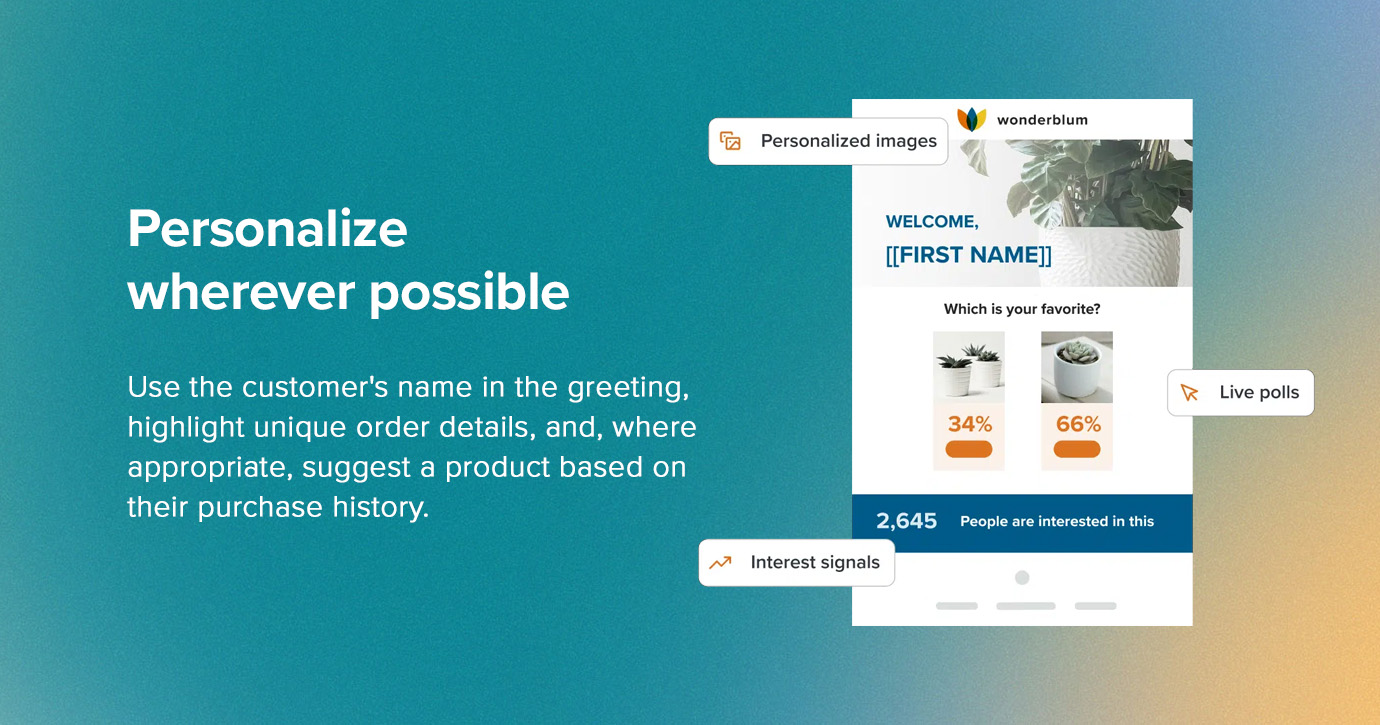
Personalize Wherever Possible: Personalization makes every receipt feel relevant and human. This goes beyond merely adding the customer’s name; it involves highlighting unique order details, integrating loyalty program information, and, where appropriate, suggesting products based on their purchase history or browsing behavior. Showing points earned or progress toward a reward tier connects transactions to future benefits and keeps customers engaged. Advanced personalization can use AI to predict future needs, making recommendations incredibly precise and valuable.
Use Strategic, Contextual Messaging: Treat receipts as a lightly branded extension of your customer experience, not a generic advertising billboard. Include clear, secondary CTAs that are highly relevant to the transaction context. For example, immediately after a first purchase, encourage loyalty enrollment or app downloads. For repeat customers, suggest referrals or invite feedback through micro-surveys. The key is to offer value that feels natural and timely, avoiding anything that distracts from the primary function of the receipt. This strategic placement ensures marketing efforts are received positively.
Reinforce Trust and Compliance: Transparency and reassurance should be ever-present in your e-receipts. Prominently display concise return or exchange instructions, security messages (e.g., "Your transaction is secure"), and multiple, easily accessible support channels within the email. This approach builds trust, conveys professionalism, and significantly reduces confusion or avoidable support tickets, which is especially vital in high-value or regulated transactions. Clearly stating privacy policies and how customer data is handled further solidifies trust.
Commit to Continuous Improvement: E-receipt strategy should be an ongoing process, not a one-time setup. Monitor key metrics diligently, such as open rates, click-through rates on secondary CTAs, and downstream conversions from any offers. Use these analytics to identify trends, pain points, or areas of underperformance. Regularly run A/B tests on variations in layout, copy, CTA placement, and recommendation algorithms, using hard data to refine and optimize your receipts. Crucially, collect direct feedback from customers, as well as insights from your support and customer experience teams, about any confusion or recurring questions they encounter. This iterative approach ensures your e-receipts consistently serve and delight your customers, adapting to evolving preferences and market dynamics.
Practical Implementation with Email Platforms: A Guide
A robust digital receipt process requires blending thoughtful design, personalization, collaboration, and iterative improvement, often facilitated by specialized email marketing platforms. This quick step-by-step guide illustrates how a platform like Litmus can help teams simplify email creation and optimization:
Step 1: Design with an Email Builder (e.g., Litmus Email Builder): Begin by selecting or building your e-receipt templates within a dedicated email builder. Prioritize clean, single-column layouts, large tappable buttons, and crisp, legible fonts that align with your brand guidelines. Insert all critical transactional components, ensuring a clear visual hierarchy so that confirmation details and essential information are always the first thing a recipient sees. Minimize the use of heavy graphics to ensure faster load times and better mobile performance.
Step 2: Personalize Your Content: Connect your e-receipt system to your customer relationship management (CRM) and order processing tools. This integration allows for robust personalization. Address each customer by name, provide meticulously itemized order details, and dynamically highlight individual loyalty points or rewards earned. Tailor any cross-sell recommendations or secondary messaging based on the specific contents of the transaction, past purchasing behavior, or declared customer preferences. This dynamic content ensures relevance and boosts engagement.
Step 3: Test Thoroughly to Drive Success: Rigorous pre-send testing is essential before any e-receipt goes live. Utilize tools within platforms like Litmus to check how your receipts render on all major email clients and devices, including in Dark Mode, to ensure visual integrity. Verify that every CTA, support link, and tracking feature is both visible and fully functional. Crucially, use real or representative test data to confirm that every dynamic and personalized field displays correctly for different customer scenarios. Collaborate across teams to catch any mistakes before they reach real customers.
Step 4: Collaborate and Approve the Email: Once your e-receipt template passes rigorous design and testing reviews, move into formal approval workflows. Request sign-off from key stakeholders, such as compliance officers, brand managers, and IT teams, to confirm that all legal, brand, and technical standards are met. Archive the final approved version and maintain meticulous version control, enabling auditing of changes, rolling back when necessary, and ensuring your receipts remain legally defensible records. Use scheduled deployments or automated triggers to consistently generate e-receipts without manual intervention, ensuring timely delivery.
Step 5: Monitor and Refine for Long-Term Success: Your e-receipt strategy should be an ongoing, adaptive process. Continuously track all relevant metrics, such as open rates, click-through rates on CTAs, and downstream conversions from secondary offers. Monitor complaint rates, bounce rates, and direct customer feedback to identify pain points or recurring issues. Actively collect feedback from your support and customer experience teams about any confusion or questions they are observing. Regularly A/B test variations in layout, copy, and recommendation strategies, using hard data to guide continuous refinements and ensure your e-receipts truly serve and delight.
Using E-Receipts as Revenue Drivers
A perfect e-receipt ensures every customer walks away with more than just a record of their transaction; they leave with an enhanced brand experience. An e-receipt should be a thoughtful extension of your brand promise, delivering confidence, reducing friction, and inviting ongoing connection. With the right blend of clarity, innovative design, deep personalization, and strategic foresight, your transactional receipts can transform routine moments into powerful brand interactions that drive loyalty and, ultimately, revenue.
Email tools like Litmus provide the necessary capabilities to maximize this impact. Their email builder simplifies the creation of on-brand emails, while robust testing and analytics features allow for continuous optimization. By investing in beautiful email designs and strengthening personalization efforts, businesses can significantly improve the customer experience while simultaneously boosting their brand’s financial performance. The evolution of the e-receipt from a simple document to a sophisticated marketing and customer service tool marks a significant shift in digital commerce, proving that even the smallest digital touchpoints hold immense strategic value.