rifanmuazin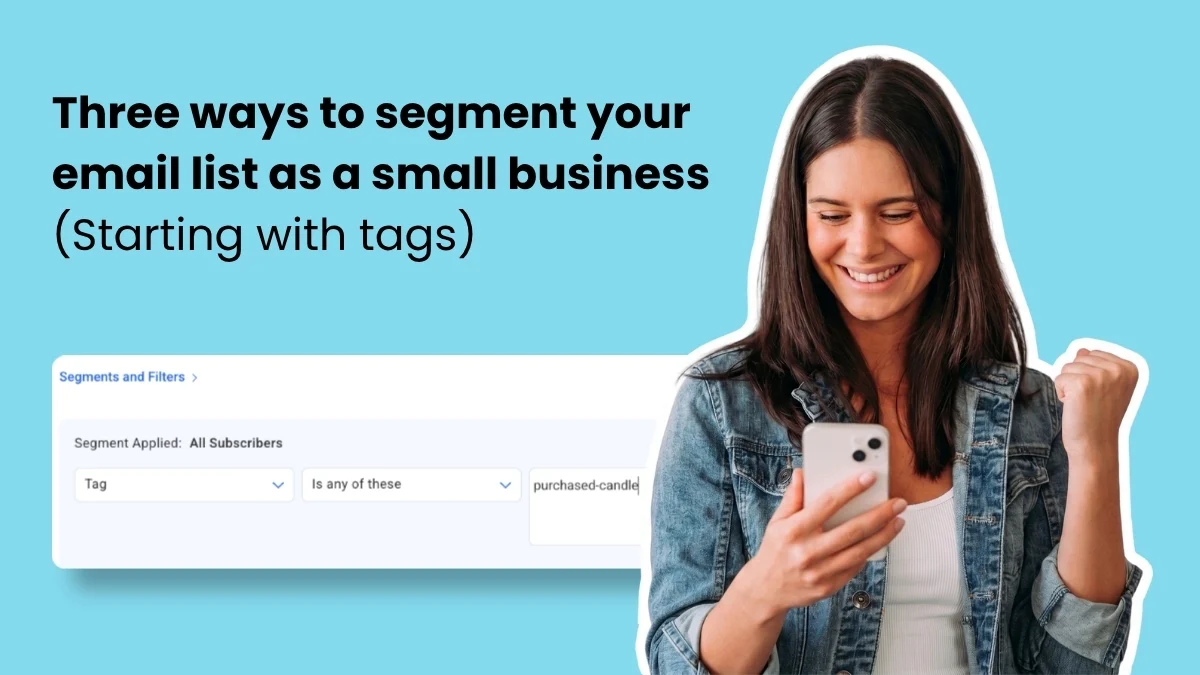
You don’t need a massive list to start segmenting; you need a reason to, and for small businesses navigating the competitive digital landscape, that reason is becoming increasingly critical. In an era where consumer attention is fragmented and generic messaging is often ignored, the practice of dividing an email subscriber base into smaller, more homogeneous groups—known as segmentation—has evolved from a sophisticated marketing tactic into a fundamental necessity. This strategy ensures that each subscriber receives content precisely tailored to their interests, behaviors, or purchasing history, thereby dramatically enhancing engagement, conversions, and overall marketing effectiveness without necessarily increasing the volume of emails sent.
The Evolution and Necessity of Personalization in Email Marketing
Historically, email marketing largely consisted of broadcasting a single message to an entire list. This "spray and pray" approach, while once effective due to lower digital clutter, quickly became unsustainable as inboxes grew crowded and consumers developed an aversion to irrelevant content. The early 2010s saw the nascent stages of personalization, often limited to inserting a subscriber’s first name. However, as data collection capabilities advanced and consumer expectations for tailored experiences soared, marketers realized that true personalization required a deeper understanding of individual subscribers. This shift gave rise to sophisticated segmentation techniques, moving beyond demographics to behavioral and psychographic data.
For small businesses, this evolution presents both a challenge and a profound opportunity. Lacking the vast resources of larger enterprises, small businesses often operate with tighter budgets and smaller marketing teams. Consequently, every marketing dollar and every minute spent must yield maximum impact. Generic emails, which quietly erode open rates, click-through rates, and subscriber loyalty, represent a significant hidden cost. Studies consistently show that segmented campaigns outperform unsegmented ones across key metrics. For instance, reports from industry leaders like Mailchimp and Campaign Monitor frequently cite open rates for segmented campaigns being 14.3% higher and click-through rates up to 100.95% higher than non-segmented campaigns. Furthermore, segmented emails can generate significantly more revenue, with some analyses indicating a revenue increase of over 760% from segmented campaigns. These statistics underscore the undeniable imperative for small businesses to embrace segmentation, not as an optional enhancement, but as a core pillar of their digital marketing strategy.
The Foundational Role of Data and Tagging
At the heart of effective segmentation lies robust data collection and organization. While there are many ways to divide an email list, the most powerful and actionable segments are built upon real subscriber data. This is where "tagging" becomes indispensable. Tags are essentially digital labels applied to subscribers based on their interactions and attributes. These can include the links they click, the products they purchase, the content they engage with, or even interests they explicitly select during signup. Each tag serves as a signal, and when accumulated, these signals paint a comprehensive picture of who is on the list and, crucially, what they truly want to hear about.
Platforms like AWeber have specifically designed their tagging systems to empower small businesses to automate this entire process. From capturing nuanced subscriber behavior to routing individuals into appropriate campaigns, such systems eliminate the need for manual sorting and complex spreadsheet management. This automation is a game-changer for small teams, allowing them to implement sophisticated segmentation strategies that would otherwise be resource-prohibitive.
When to Implement: The Small Business Segmentation Threshold
A common misconception among small business owners is that segmentation is only worthwhile for lists numbering in the thousands. However, the optimal time to begin segmenting is much earlier: as soon as you identify two distinct types of subscribers who desire different things. This threshold is often met earlier than anticipated.
Consider a fitness coach with subscribers interested in workout routines versus those seeking nutrition advice. A boutique retailer might have a segment of customers who have made a purchase and another of those who are still browsing. A consultant’s list could include both prospective clients and existing clients, each requiring vastly different communication. Even with a modest list size, these two meaningful distinctions can dramatically alter engagement.
For lists under 100 subscribers, the initial focus should rightly be on perfecting the welcome series—the crucial first interaction that sets the tone for future engagement. However, once a list surpasses this initial benchmark, typically around 100 subscribers, the benefits of segmentation become evident and scalable. The following three-tiered approach offers a clear, progressive path for small businesses to implement segmentation effectively, without feeling overwhelmed.
Phased Implementation: A Strategic Roadmap for Small Businesses
Implementing segmentation doesn’t require an overnight overhaul. A phased approach allows small businesses to build their strategy incrementally, testing and refining as they go.
Tier 1: Segment by Interest at Signup
The simplest and often most overlooked opportunity for segmentation occurs even before a subscriber formally joins your list: at the point of signup. A signup form is not merely a data entry field; it’s a prime opportunity to gather crucial preference data. By asking one simple, direct question, businesses can immediately categorize new subscribers. This can be implemented through a checkbox, a dropdown menu, or even a single question embedded within a lead magnet sequence.
- Examples:
- A food blogger might ask: "Are you interested in recipes or restaurant guides?"
- A marketing consultant: "Which topics interest you most: social media strategy or email marketing optimization?"
- A clothing retailer: "What department are you shopping for: women’s, men’s, or kids’?"
This single, honest answer at signup creates an immediate segment that can profoundly influence every subsequent email. Utilizing custom fields in email marketing platforms, businesses can automatically apply tags based on these responses. For the clothing retailer, selecting "women’s" instantly applies a "women’s apparel" tag, directing the subscriber into a welcome sequence and future campaigns specifically curated for that interest, leading to higher relevance and engagement from day one.
Tier 2: Segment by Behavior Using Tags
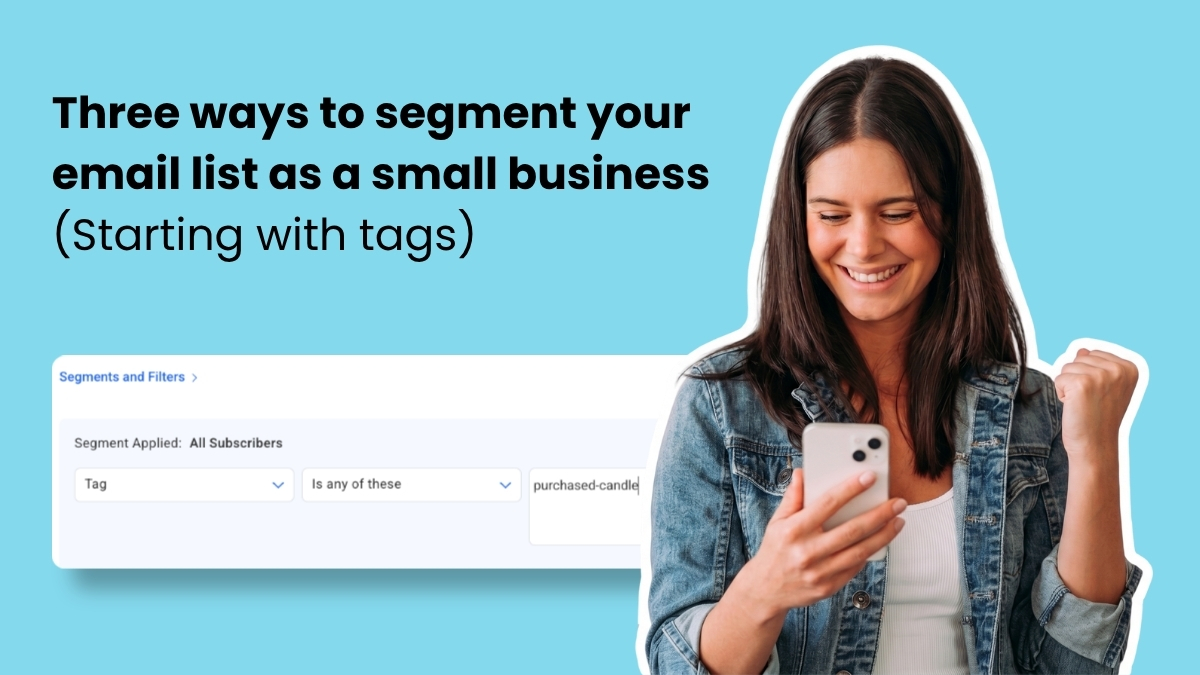
While expressed interest at signup provides a valuable starting point, subscriber behavior offers a more dynamic and accurate reflection of their true desires and engagement levels. Behavioral segmentation, driven by tags applied based on actions, is arguably the most powerful tool in a small business’s segmentation toolkit.
- Action-Triggered Tags: When a subscriber clicks a link related to a specific product category (e.g., "eco-friendly home goods"), that click can automatically trigger a tag. A completed purchase can record a "buyer" tag, while consistent engagement (opening every email for 90 days) can mark them as "highly engaged."
- Automation: The beauty of modern email marketing platforms is that these behavioral tags can be applied automatically. Small business owners can set up rules once, and the system handles the rest. This frees up invaluable time and provides data-driven insights into subscriber preferences without constant manual monitoring. As brand strategist Coleen Otero aptly states, "You wanna be on a platform where you can nurture your audience consistently through email. Email is modern day door to door sales." In this analogy, behavioral segmentation tells you which door to knock on and with what specific message.
Three Essential Behavioral Segments for Early Implementation:
- Engaged Subscribers: This group comprises individuals who have opened or clicked an email within a defined recent period (e.g., the last 60 days). These are your most responsive and loyal readers, ripe for exclusive offers, early access to new products, or premium content that rewards their consistent loyalty. Targeting this group with high-value propositions typically yields the best immediate returns.
- Cooling Subscribers: These are subscribers who have shown a decline in engagement, perhaps not opening an email in 60 to 90 days. This segment requires a shift in approach. A personalized subject line, a re-engagement series highlighting unique value, or a simple, plain-text "Still there?" email can often reignite their interest. The goal here is to prevent them from becoming fully inactive.
- Inactive Subscribers: Defined as those with no opens or clicks in 90-plus days, this group poses a deliverability risk if left unaddressed. Before removal, a final re-engagement effort is warranted. If no response is received, removing these subscribers is crucial for maintaining list hygiene, protecting your sender reputation, and ensuring your engagement metrics are accurate and reflective of your true active audience.
Tier 3: Segment by Purchase History
The ultimate differentiator in subscriber value often comes down to purchase history. Segmenting by purchase behavior allows businesses to distinguish between browsers, first-time buyers, and repeat customers, each of whom requires a completely different communication strategy.
- Non-buyers/Prospects: Subscribers who haven’t made a purchase need trust-building content. This includes educational resources, compelling social proof (testimonials, case studies), and clear demonstrations of value. The focus here is on overcoming objections and providing a compelling reason to make that initial commitment.
- First-Time Buyers: After their initial purchase, these customers require careful nurturing. An effective post-purchase sequence should prioritize onboarding, reaffirming their decision, and delivering immediate value from their purchase. Rather than immediately pitching another product, focus on satisfaction and support, paving the way for a second purchase organically.
- Repeat Buyers/Loyal Customers: These are your most valuable customers, the lifeblood of many small businesses. They are ideal candidates for loyalty programs, early access to new collections, exclusive discounts, and referral incentives. Treating these customers identically to a brand-new prospect is a significant missed opportunity to deepen loyalty and leverage their advocacy.
Connecting an e-commerce store with an email marketing platform allows for seamless, automated purchase-based tagging. A completed transaction can automatically apply a "buyer" tag, moving the subscriber out of a prospect segment and into a buyer segment, ready for a tailored post-purchase journey, all without manual intervention.
Building Your First Segments Without Overwhelm
The prospect of implementing multiple segmentation tiers can seem daunting. The key is to start small and iterate.
- Week 1 (Tier 1 Focus): Begin with a single interest question on your signup form. Create two or three tags based on the answers. Develop slightly different welcome sequences for each of these initial groups. This simple step immediately enhances relevance.
- Month 2-3 (Tier 2 Integration): Once your list reaches 200-300 subscribers, start implementing engagement-based segments. Set up the rules for "engaged," "cooling," and "inactive" subscribers. Allow 60-90 days for these segments to populate with meaningful data before actively campaigning to them.
- Month 4+ (Tier 3 Consideration): Introduce purchase history segmentation when you have a sufficient volume of completed orders (at least a few dozen) to make the data meaningful.
The overarching objective is not to build the most complex system, but to send emails that genuinely resonate with the individual reader. This incremental approach ensures that segmentation remains a powerful tool rather than an overwhelming burden.
Broader Economic and Business Implications
Beyond immediate engagement metrics, robust email segmentation carries significant long-term implications for small businesses.
- Enhanced Customer Lifetime Value (CLTV): By delivering highly relevant content and offers, businesses can significantly extend the relationship with their customers, encouraging repeat purchases and fostering loyalty, thereby increasing CLTV.
- Improved Brand Perception: Personalized communication makes customers feel understood and valued, which in turn strengthens brand perception and builds trust. This is particularly crucial for small businesses that often rely heavily on word-of-mouth and customer relationships.
- Optimized Resource Allocation: Segmentation allows marketing teams to focus their efforts on the most promising segments, avoiding wasted resources on irrelevant outreach. This efficiency is vital for small businesses with limited marketing budgets.
- Competitive Advantage: In a crowded marketplace, businesses that can consistently deliver personalized experiences stand out. Segmentation provides a powerful competitive edge, enabling small businesses to compete effectively against larger players.
- Reduced Churn and Increased Deliverability: By actively managing engagement and identifying inactive subscribers, businesses can reduce churn rates and improve email deliverability by ensuring their emails reach genuinely interested recipients, thus protecting their sender reputation.
Frequently Asked Questions
-
What is the difference between a segment and a tag in email marketing?
A tag is a specific label applied to an individual subscriber (e.g., "clicked_pricing_link," "purchased_product_X"). A segment, on the other hand, is a dynamic group of subscribers who share one or more common tags or criteria. You apply tags to subscribers, and then you build segments from those tags to target specific groups with tailored campaigns. -
How many segments should a small business aim for?
It’s advisable to start with a modest two to four segments. Overly complex segmentation can quickly lead to a "content production problem," requiring unique content for too many groups, which can overwhelm small teams. The most effective strategies focus on one or two clear distinctions in subscriber behavior or intent. Expand only when data clearly justifies it and your content capacity allows. -
Does segmentation work if my list is small?
Absolutely. Segmentation is arguably even more valuable for small lists because every single subscriber relationship carries greater weight. Sending relevant content to 200 subscribers helps build strong engagement habits that are crucial for successful scaling when your list grows to 2,000 or beyond. It cultivates a foundation of trust and relevance from the outset. -
Can I automate segmentation?
Yes, modern email marketing platforms are designed for this. You can typically set up rules to automatically apply tags based on various subscriber actions, such as link clicks, form submissions, purchase confirmations, or initial signup form responses. These tags can then trigger automated workflows that move subscribers between different segments, ensuring your list is always dynamically organized without manual intervention. -
Are there specific segmentation tools for small businesses?
Many email marketing platforms, including AWeber, are specifically built with small businesses in mind, offering intuitive tagging and segmentation systems. These platforms allow users to easily create tags based on subscriber behavior, set up automated workflows to apply these tags, and then build dynamic segments from them to send highly targeted campaigns. The goal is to provide sophisticated segmentation logic in a user-friendly format, accessible to businesses without dedicated marketing specialists.
In conclusion, for small businesses looking to thrive in an increasingly personalized digital world, email list segmentation is no longer a luxury but a fundamental strategic tool. By understanding its principles, leveraging automated tagging, and implementing it incrementally, businesses can transform their email marketing from a generic broadcast channel into a highly effective, personalized communication engine, driving deeper engagement, stronger customer relationships, and ultimately, sustainable growth.