The global digital marketing landscape in 2024 has reached a critical inflection point where the cost of customer acquisition continues to rise, making the efficiency of lead generation a primary strategic imperative for businesses of all sizes. Lead generation, defined as the systematic process of attracting and converting strangers and prospects into someone who has indicated interest in a company’s product or service, serves as the foundational engine of the modern sales funnel. According to recent industry benchmarks, companies with mature lead generation processes achieve 133% more revenue versus those without a structured approach. As digital privacy regulations like GDPR and CCPA tighten, and as third-party cookies are phased out, the focus has shifted toward high-intent, first-party data collection through diverse and integrated marketing channels.
The Strategic Framework: Inbound vs. Outbound Methodologies
To understand the efficacy of lead generation, one must first categorize the two primary methodologies: inbound and outbound marketing. The distinction lies in the direction of the initial engagement. Inbound marketing focuses on creating a "pull" effect, utilizing valuable content, search engine optimization (SEO), and social media to attract customers who are already searching for solutions. This method is often cited for its long-term cost-effectiveness, with inbound leads costing on average 61% less than outbound leads.

Conversely, outbound marketing employs a "push" strategy, involving direct outreach through cold emailing, telemarketing, and paid advertisements. While often criticized for being more intrusive, outbound remains a staple for B2B enterprises targeting high-value accounts where a personalized, proactive approach is necessary to break through the noise. Industry experts suggest that the most resilient businesses utilize a hybrid model, leveraging the relationship-building power of inbound with the speed and targeting capabilities of outbound.
The Prerequisite: Defining the Target Market and Buyer Personas
Before deploying tactical resources, a business must establish a rigorous definition of its Ideal Customer Profile (ICP) and specific buyer personas. Marketing analysts warn that "targeting everyone" is a frequent cause of budget depletion with zero ROI. A successful lead generation strategy requires a two-step foundational audit:
- Market Identification: This involves analyzing firmographics or demographics such as industry sector, company size, geographic location, and annual revenue.
- Buyer Profiling: This requires a deeper psychological dive into the specific individuals within the market. Key questions include: What are their primary pain points? What are their professional goals? Which social platforms do they frequent? What is their level of technical expertise?
Only when these parameters are clearly defined can a company select the most appropriate tactics from the following 13 strategies to maximize conversion rates.

1. Conversion-Optimized Landing Pages
The landing page serves as the "final mile" of the lead generation journey. Unlike a general website homepage, a conversion-optimized landing page is stripped of distractions and focused on a single call-to-action (CTA). Data from marketing automation platforms indicate that businesses with 10 to 15 landing pages see a 55% increase in leads compared to those with fewer than 10. For maximum efficacy, these pages must feature a compelling headline, social proof (such as testimonials), and a frictionless lead capture form.
2. Inbound Content Marketing Systems
Content marketing has evolved from simple blogging into a sophisticated ecosystem of education and entertainment. By publishing whitepapers, case studies, and industry reports, brands position themselves as thought leaders. The strategic goal is to guide a prospect through the "Buyer’s Journey"—from awareness to consideration to decision. When content is gated behind a sign-up form, it becomes a powerful lead magnet, providing value in exchange for contact information.
3. Search Engine Optimization (SEO)
SEO remains the bedrock of sustainable organic growth. By optimizing landing pages and blog content for specific high-intent keywords, businesses capture users at the exact moment they express a need. Current trends in SEO emphasize "Search Intent" over simple keyword density. Modern algorithms prioritize content that comprehensively answers user queries, making topical authority a key metric for lead generation success.

4. Targeted Cold Email Outreach
Despite the rise of social media, email remains the most direct channel to professional decision-makers. However, the "spray and pray" method has been replaced by hyper-personalization. Success in 2024 relies on intent-based signals; for instance, reaching out to a company after they have secured a new round of funding or posted a specific job opening. This relevance increases response rates by up to 33% compared to generic templates.
5. Popups and Sticky Bars
While often viewed as intrusive, popups and sticky bars are highly effective when triggered by specific user behaviors, such as "exit intent." By offering a discount or a free resource just as a visitor is about to leave the site, businesses can capture a significant percentage of traffic that would otherwise be lost. The key is timing and relevance—ensuring the popup adds value rather than interrupting the user experience.
6. Social Media Marketing
Social media platforms have shifted from simple networking hubs to "discovery engines." Through a mix of organic engagement and paid amplification, brands can reach massive audiences. The current landscape favors "social entertainment"—short-form video content that humanizes the brand. For B2B lead generation, LinkedIn remains the dominant platform, while Instagram and TikTok lead for B2C engagement.

7. Pay-Per-Click (PPC) Advertising
PPC campaigns on platforms like Google Ads and Meta allow for immediate visibility. This is particularly useful for new product launches or competitive markets where organic SEO may take months to yield results. By bidding on specific keywords or demographic traits, businesses can drive high-quality traffic to optimized landing pages, often seeing a return on investment within hours of campaign activation.
8. Webinars and Live Events
In an era of digital anonymity, webinars and live sessions provide a necessary human element. They offer a platform for deep-dive demonstrations and real-time Q&A. While the volume of leads from webinars might be lower than from a PDF download, the quality is significantly higher. A prospect willing to commit 45 minutes to a presentation is far more likely to convert into a paying customer.
9. Referral Programs and Word-of-Mouth
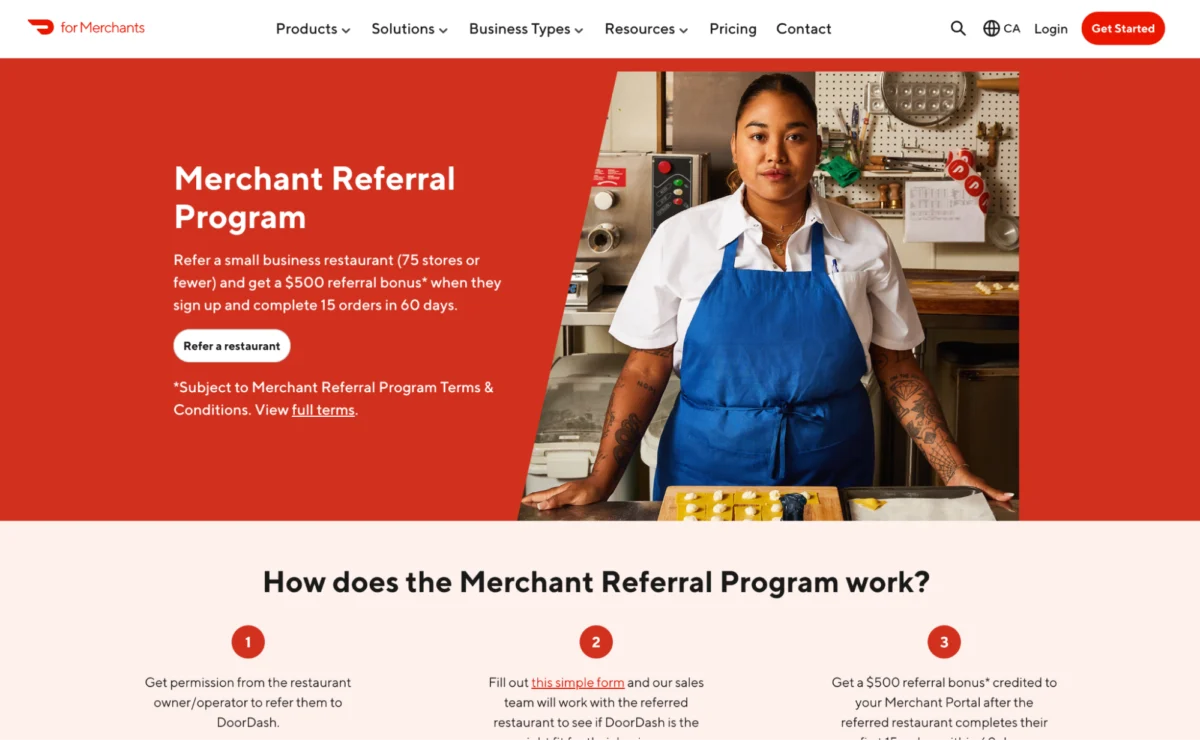
Psychologically, consumers trust peer recommendations more than brand advertisements. Implementing a structured referral program—offering incentives to current customers for bringing in new leads—capitalizes on this trust. Companies like Dropbox and Airbnb famously used referral loops to achieve exponential growth, proving that satisfied customers are a business’s best salespeople.

10. Influencer Partnerships
Influencer marketing has moved beyond the "celebrity" tier into the realm of micro-influencers—individuals with smaller but highly engaged, niche audiences. Partnering with a respected voice in a specific industry provides a brand with instant "borrowed credibility." This strategy is particularly effective for reaching Gen Z and Millennial demographics, who prioritize authenticity in advertising.
11. Retargeting Campaigns
Statistics show that 98% of initial website visitors do not convert. Retargeting ads "follow" these visitors across the internet, serving them reminders of the products they viewed. This constant brand presence keeps the company top-of-mind, significantly increasing the likelihood of a return visit and eventual conversion.
12. Free Trials and Demos
The "Product-Led Growth" (PLG) model relies on the philosophy of "try before you buy." By offering a limited-time free trial or a live product demo, businesses lower the barrier to entry. This hands-on experience allows the prospect to realize the "Aha! moment"—the point where they see the tangible value of the service—reducing sales friction and shortening the sales cycle.

13. Interactive Tools and Quizzes
Gamification is a rising trend in lead generation. Interactive tools, such as ROI calculators, personality quizzes, or diagnostic assessments, engage the user’s curiosity. Because the results are personalized, users are highly motivated to provide their email addresses to see the final outcome. This method also provides the business with rich data about the prospect’s specific needs and challenges.
Chronology of Lead Generation Evolution
The transition to these 13 digital-first strategies has occurred over three distinct phases:
- The Direct Era (Pre-2000s): Dominated by direct mail, print advertising, and cold calling. Lead data was often purchased in bulk and lacked precision.
- The Search & Social Era (2000–2015): The rise of Google and Facebook allowed for demographic and keyword targeting. Inbound marketing became a formalized discipline.
- The Precision & Privacy Era (2016–Present): With the implementation of GDPR and the rise of AI, lead generation has become more focused on "permission-based" marketing and the use of predictive analytics to identify high-value prospects.
Broader Impact and Implications
The shift toward diversified lead generation strategies has profound implications for the global economy. For small and medium-sized enterprises (SMEs), these digital tools have leveled the playing field, allowing them to compete with multi-national corporations through niche targeting and superior content. However, the increased reliance on digital platforms has also created a "data arms race," where the ability to analyze and act on lead data is as important as the ability to generate it.

Industry analysts suggest that the next frontier of lead generation will involve Artificial Intelligence (AI) and Machine Learning (ML) to automate personalization at scale. As consumers become increasingly savvy and resistant to traditional advertising, the brands that succeed will be those that provide genuine value and build trust through every stage of the lead generation process. The 13 strategies outlined above represent the current gold standard, but their success ultimately depends on a business’s ability to remain agile and customer-centric in a rapidly changing digital environment.