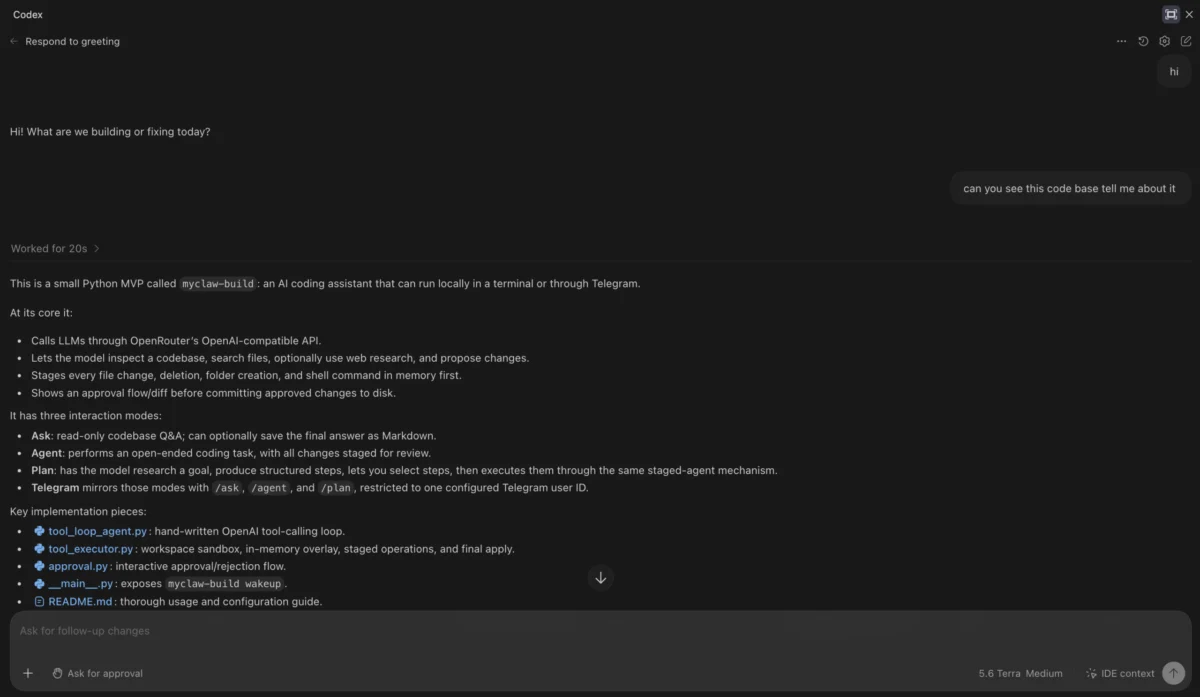
The landscape of software engineering has undergone a fundamental transformation over the last twenty-four months, moving from simple Large Language Model (LLM) integrations to the era of the fully autonomous agentic Command Line Interface (CLI). In early 2024, terminal-based AI was largely restricted to explaining syntax errors or generating isolated snippets of code. By the midpoint of 2026, the industry has standardized around agent runtimes—systems capable of independent repository inspection, multi-step planning, file modification, and automated verification through test execution. These tools no longer merely suggest code; they operate within the terminal as synthetic contributors capable of managing the entire development lifecycle.
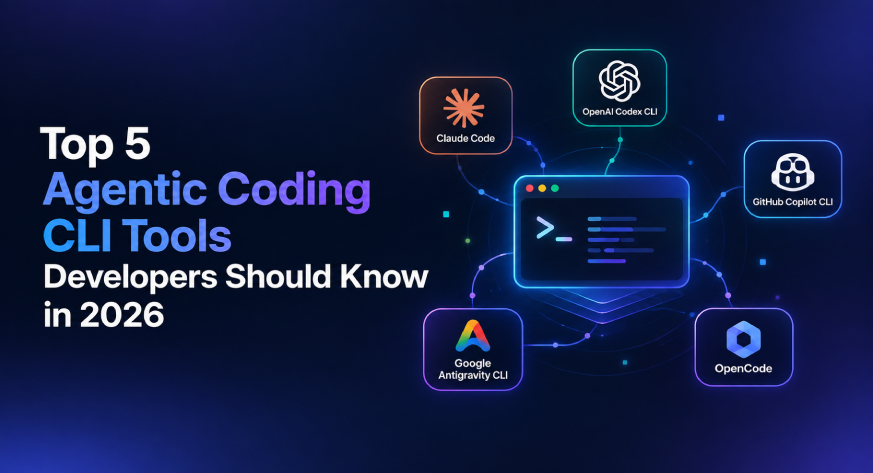
The shift toward agentic workflows represents a departure from the "copilot" model toward a "sovereign agent" model. Where previous iterations of AI required a human to copy-paste code or manually run suggested shell commands, 2026’s leading tools—Claude Code, Codex CLI, GitHub Copilot CLI, Google’s Antigravity, and the open-source OpenCode—execute within a closed loop. This loop allows the agent to observe the results of its own actions, such as a failing unit test or a linter error, and iterate until the objective is met. As engineering teams grapple with increasing codebase complexity, these CLI-native agents have become the primary interface for modern software development.
The Architecture of Autonomy: Defining the 2026 Agent Loop
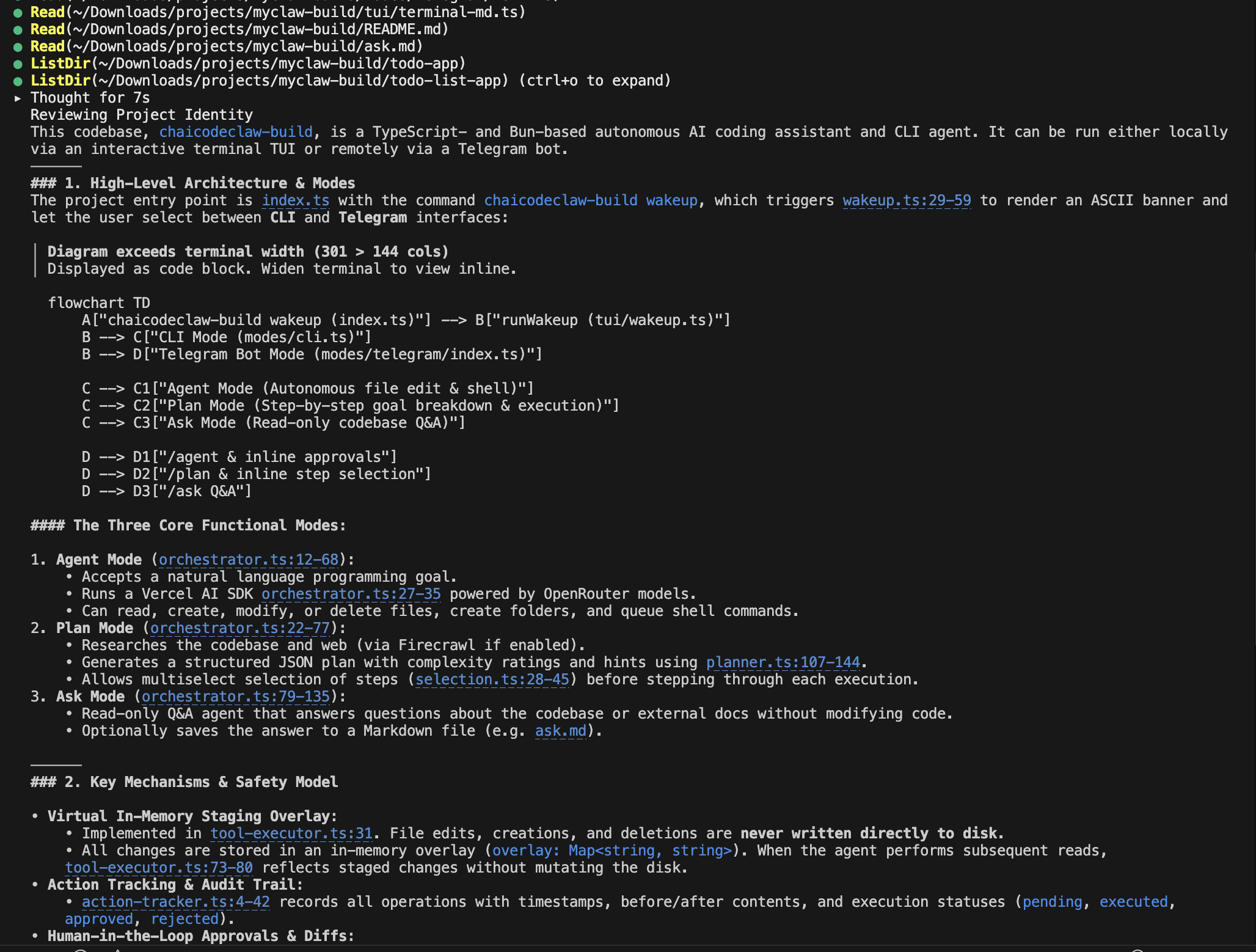
To understand the current market, it is necessary to distinguish between a traditional AI-enabled CLI and a truly agentic one. A standard AI CLI functions as a stateless wrapper; it sends a prompt to a remote model and prints the response. In contrast, an agentic coding CLI incorporates an execution loop. This architecture typically involves four distinct stages: Perception, Planning, Action, and Verification.
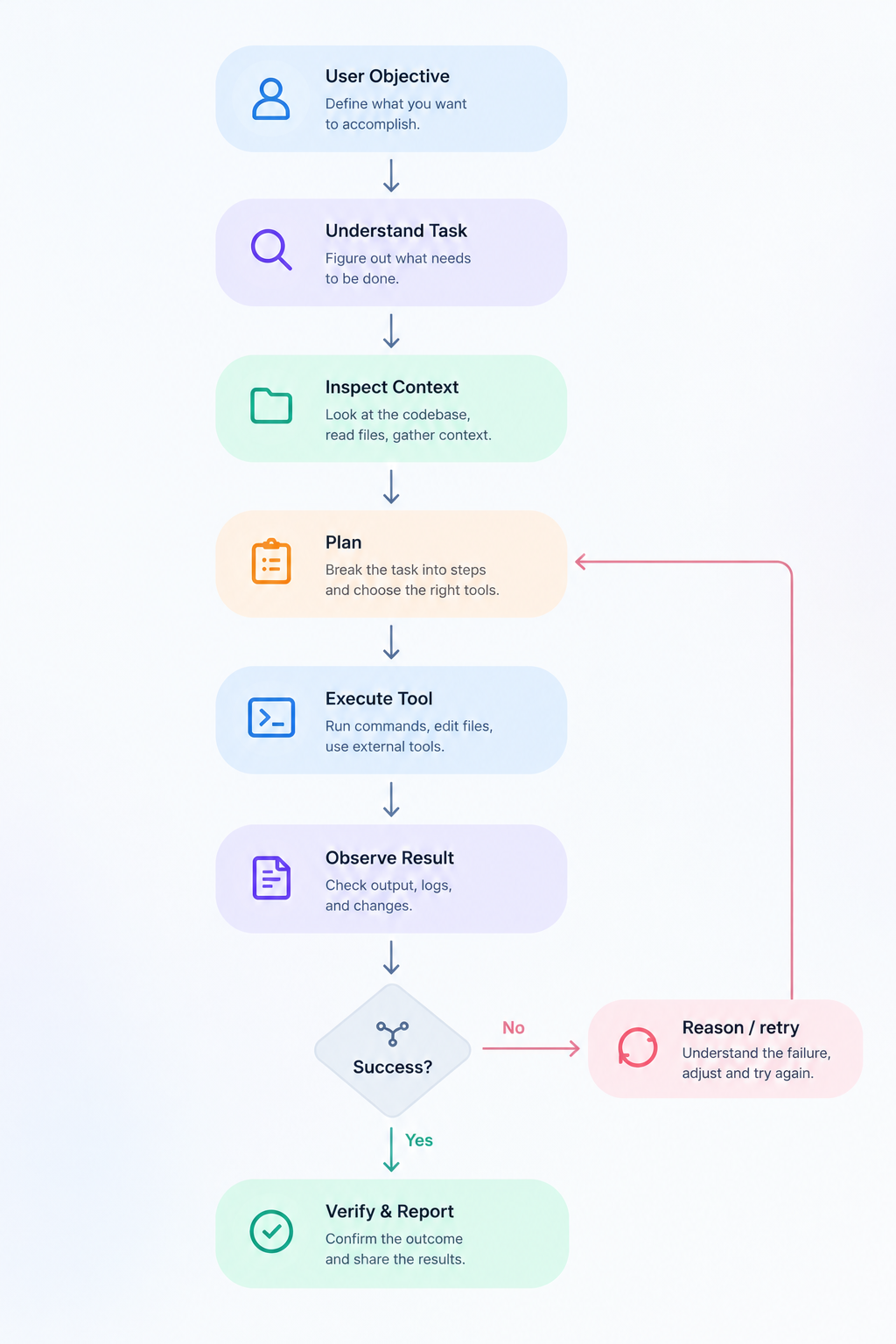
In the Perception phase, the agent uses tools to "read" the environment, scanning directory structures and indexing symbols. The Planning phase involves the model generating a series of discrete steps to achieve a high-level goal, such as "Refactor the authentication logic to use JWT instead of sessions." During the Action phase, the agent performs file edits and executes shell commands. Finally, the Verification phase uses compilers, linters, and test runners to ensure the changes are functional. The terminal is the ideal environment for this loop because it provides native access to the entire developer toolchain, including Git, Docker, Kubernetes, and various cloud provider CLIs.
A Chronology of the Agentic Revolution
The transition to agentic CLIs was not instantaneous but was driven by a series of high-profile releases and strategic pivots throughout late 2025 and early 2026.
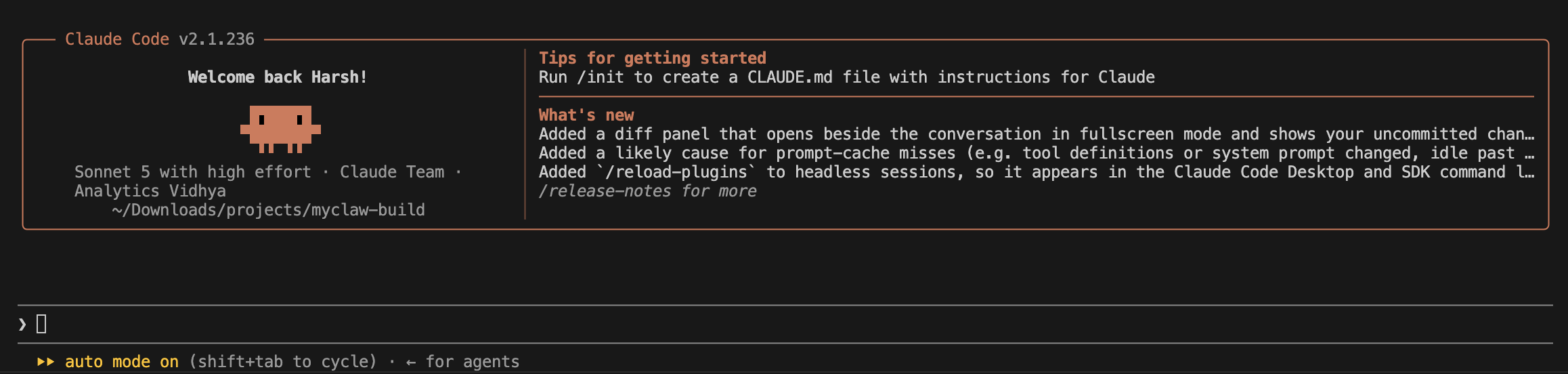
In late 2025, Anthropic’s release of Claude Code set a new benchmark for repository awareness, introducing the concept of "subagents" that could be spawned to handle parallel tasks. This was followed in February 2026 by GitHub’s general availability release of the Copilot CLI, which integrated the agent directly into the GitHub ecosystem, allowing for seamless transition between local coding and remote Pull Request management.
A major industry shift occurred in May 2026 when Google announced the sunsetting of its Gemini CLI for individual users, replacing it with the Antigravity CLI. This move signaled a strategic transition from general-purpose chatbots to specialized engineering agents. By June 18, 2026, the transition was complete, establishing Antigravity as a lightweight, reasoning-heavy alternative designed specifically for SSH sessions and complex cloud orchestrations.
Claude Code: The Standard for Programmable Workflows
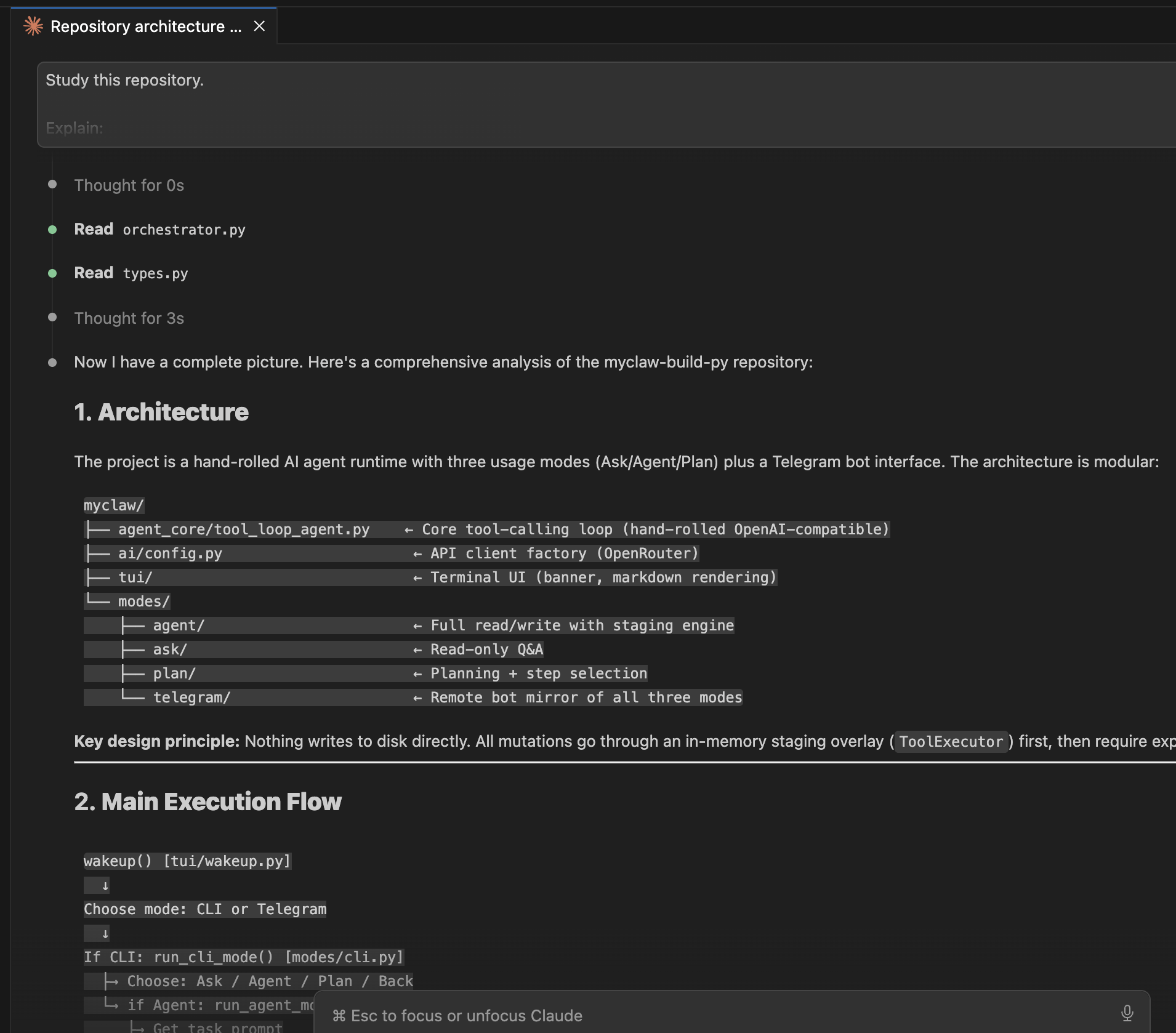
Claude Code remains a dominant force in the 2026 market, praised for its deep integration with the terminal and its ability to handle routine development tasks with minimal human intervention. Anthropic has positioned Claude Code as a "terminal-native software agent," emphasizing its capability to handle complex Git workflows through natural language commands.
One of the defining features of Claude Code is its focus on exploration before execution. Experienced engineers have adopted a workflow where the initial prompt explicitly forbids file edits, forcing the agent to first explain the repository’s architecture and state its plan. This "look-before-you-leap" approach has significantly reduced the rate of unintended side effects in large-scale refactors.
Pricing for Claude Code has shifted to a tiered subscription model. As of 2026, the standard tier is included in the $20/month Claude Pro plan, while the "Max" tiers, starting at $100/month, provide higher rate limits for autonomous background tasks. For enterprise customers, Anthropic utilizes a seat-plus-usage model, reflecting the high computational cost of long-running agentic loops.
OpenAI Codex CLI: Cross-Platform Orchestration
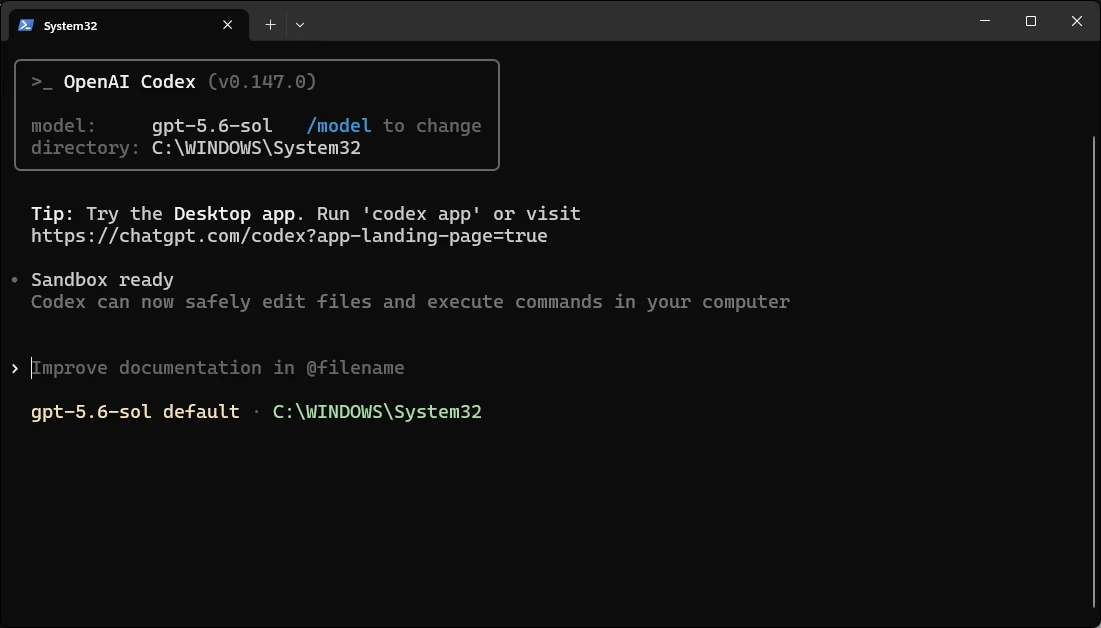
OpenAI’s entry, the Codex CLI, has evolved into a local software-engineering agent that prioritizes safety and cross-platform consistency. Unlike tools that are purely terminal-focused, Codex is designed to be the same agentic core that powers ChatGPT’s desktop and editor interfaces. This provides a unified state; an agent can begin a task in a web browser and the developer can pick up the execution in the terminal via the codex command.
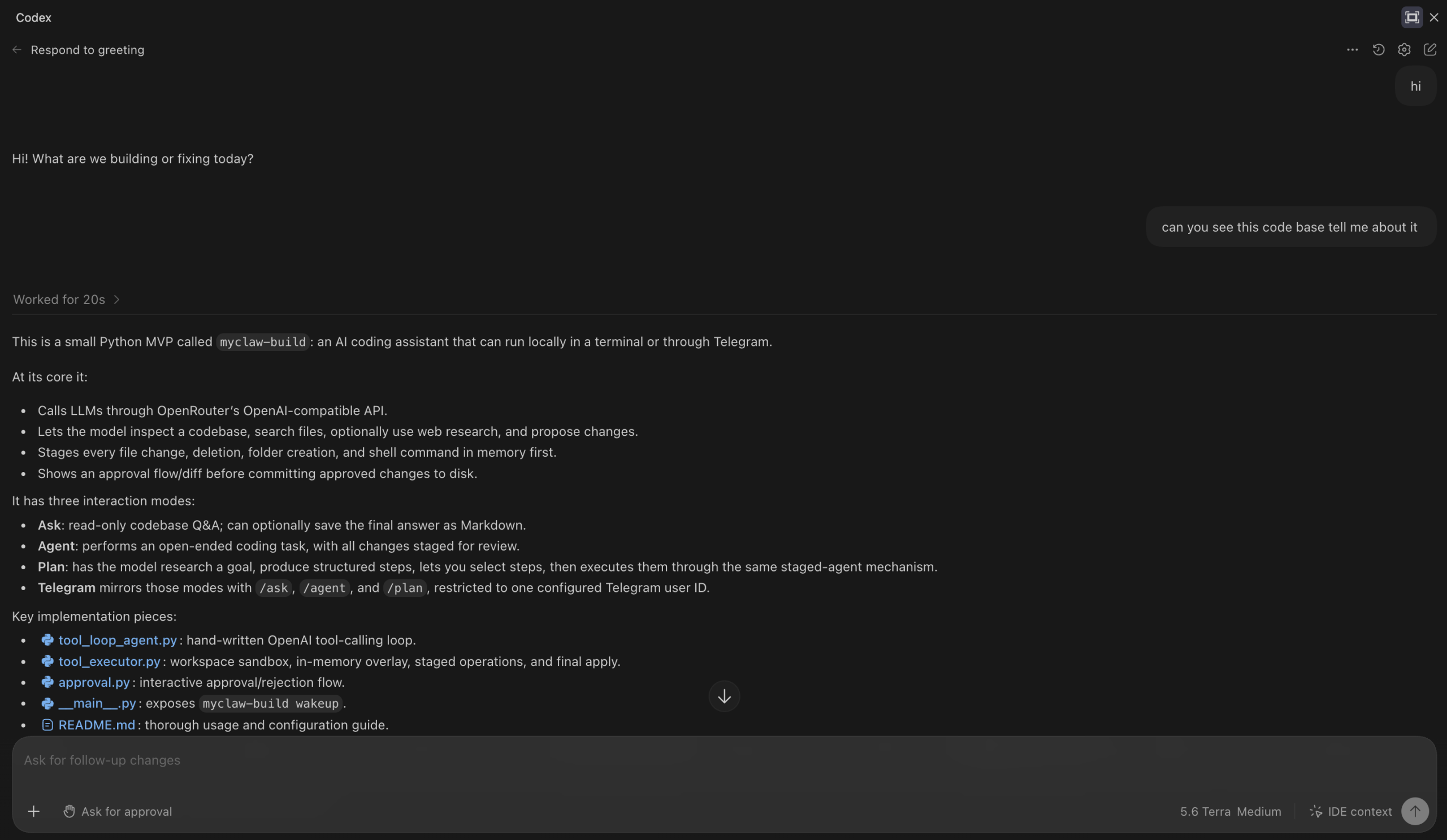
The Codex CLI is particularly noted for its "agent harness," which allows it to operate safely on a user’s machine by requesting explicit permissions for sensitive operations, such as deleting files or accessing the network. OpenAI has integrated Codex into its Business plans (starting at $20/user/month), with usage increasingly metered based on token consumption and task complexity. Technical leaders have noted that cost modeling for Codex now requires accounting for "background work," where agents may run for several minutes independently to resolve a complex bug.
GitHub Copilot CLI: The Ecosystem Powerhouse
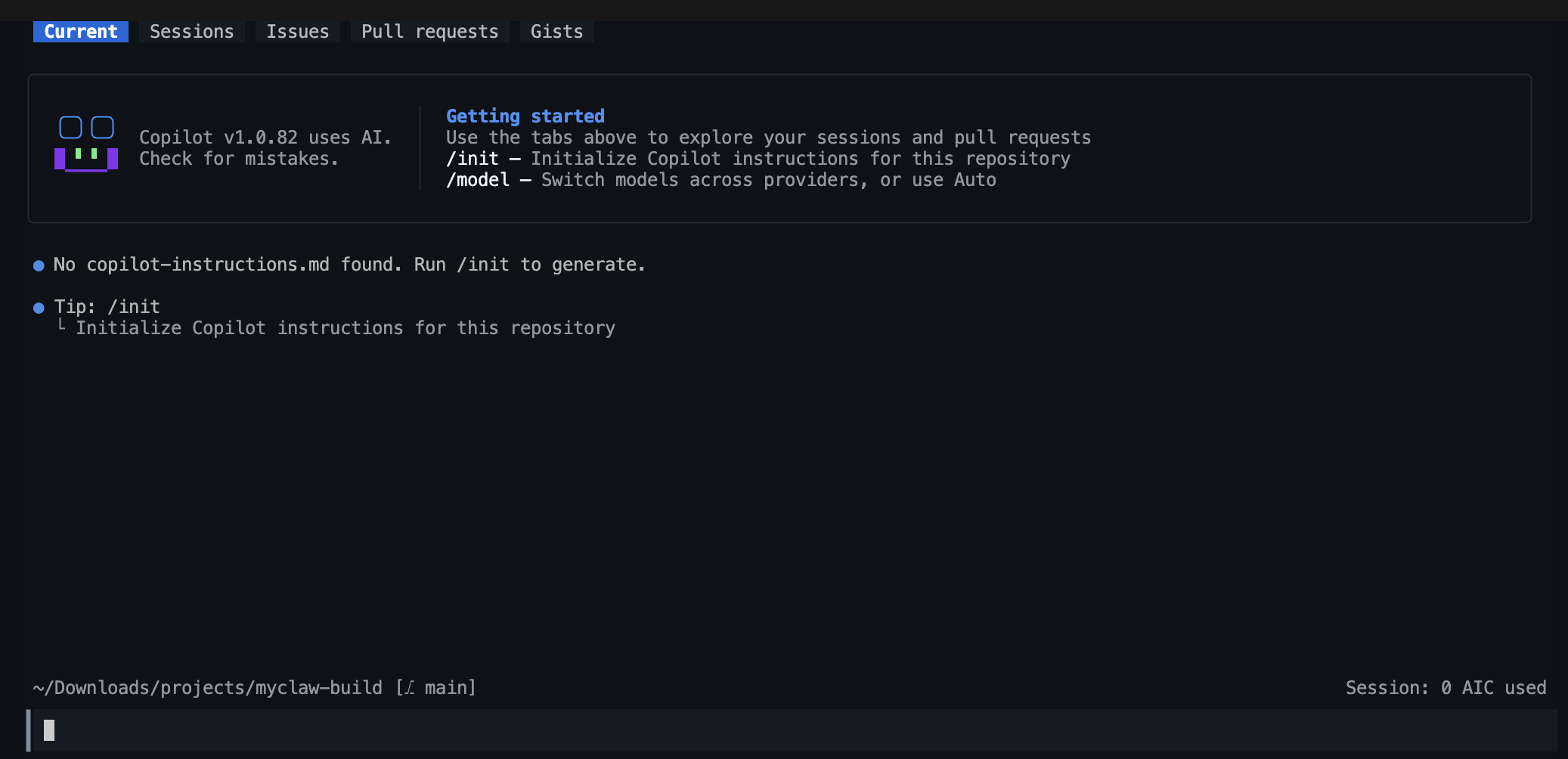
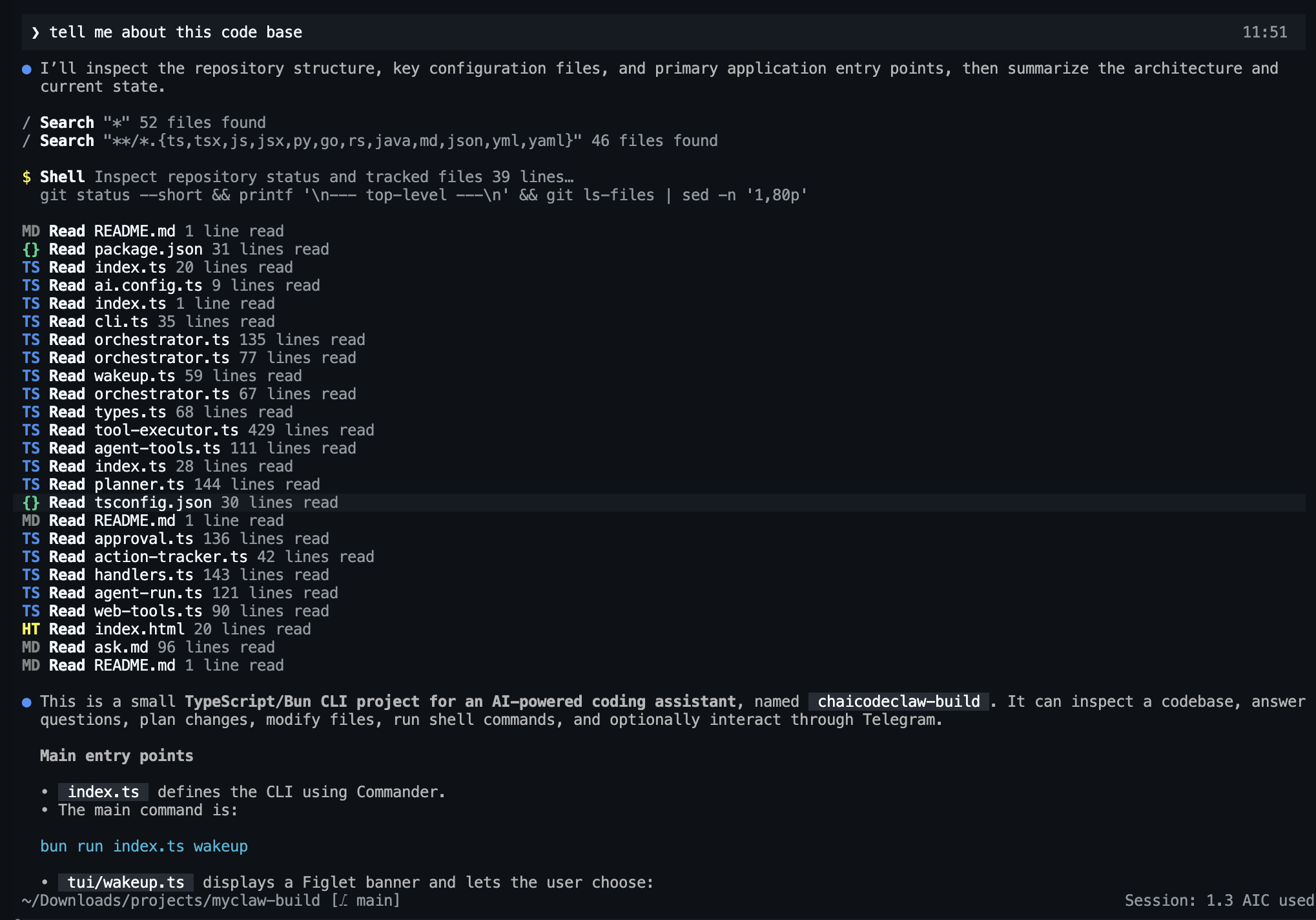
GitHub Copilot CLI represents the most significant evolution in the GitHub product suite since the introduction of Actions. Moving away from the "gh-copilot" extension model of 2024, the 2026 version is a genuine autonomous agent. It is built to plan complex tasks, execute multi-step workflows, and iterate until tests pass.
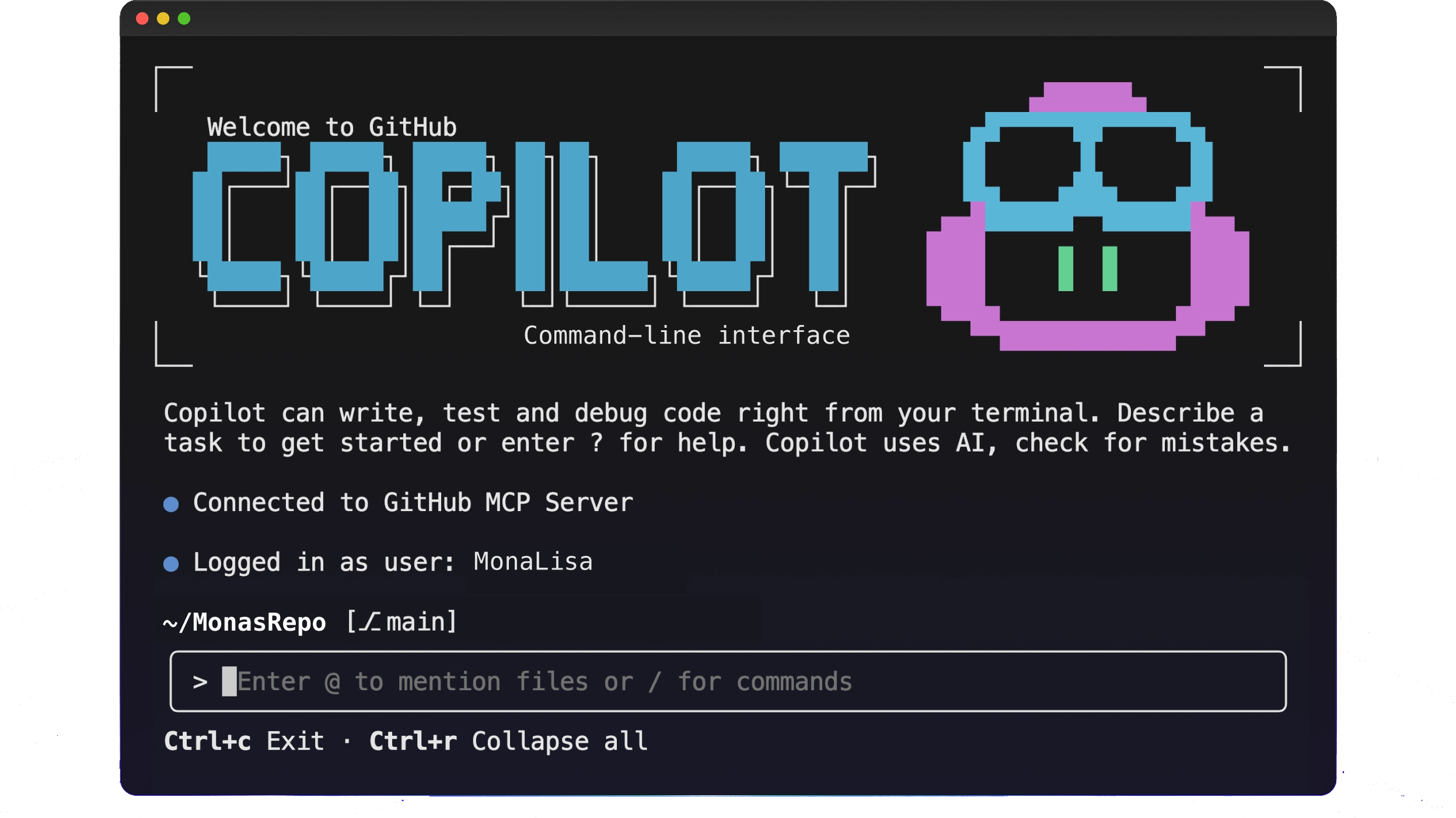
The primary advantage of the Copilot CLI is its integration with the GitHub platform. It can automatically pull context from GitHub Issues, reference organizational coding standards stored in repository wikis, and submit its own Pull Requests with detailed summaries of the work performed. For organizations already standardized on GitHub, the Copilot CLI offers a frictionless path to automation. Pricing is tiered, with individual plans at $10/month and Enterprise plans at $39/user/month, with agentic actions drawing from a pool of "GitHub AI Credits."
Google Antigravity CLI: The Reasoning Specialist
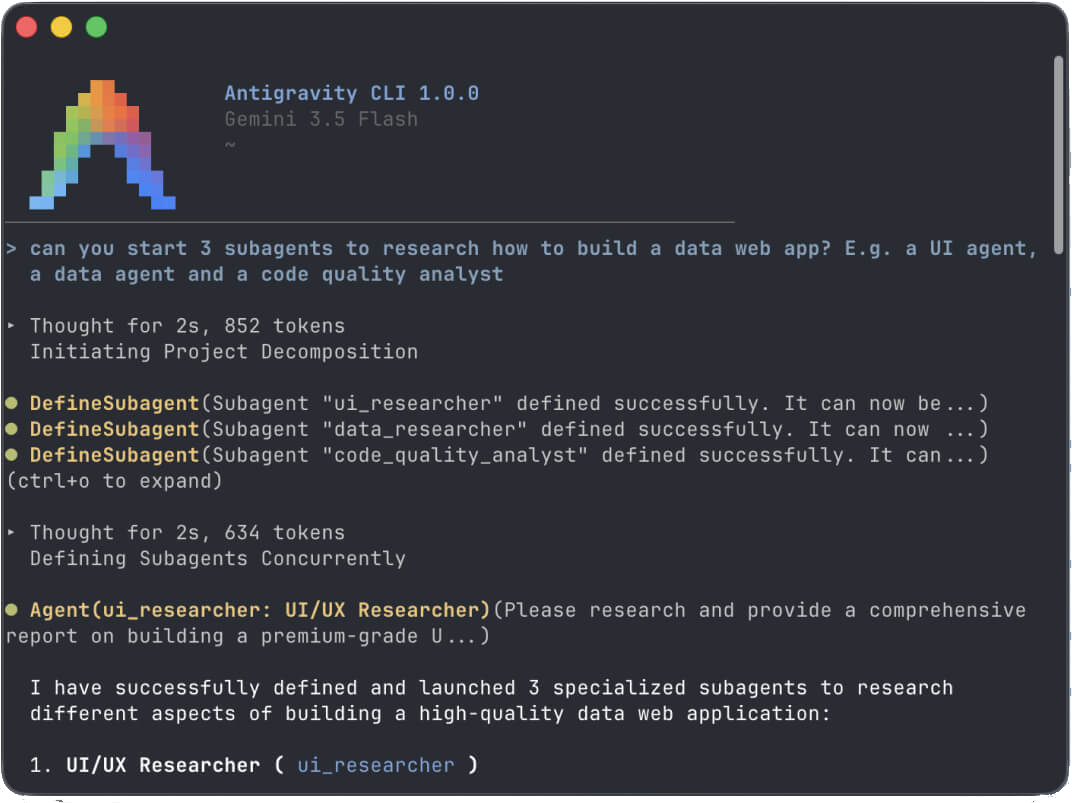
The introduction of Antigravity CLI in 2026 marked Google’s commitment to a reasoning-first approach to coding. Antigravity is described by Google as a "lightweight terminal surface" that invokes a powerful underlying agent harness. It is specifically optimized for terminal usage, SSH sessions, and persistent history.
Antigravity’s strength lies in its ability to perform multi-file modifications and command execution across distributed systems. It is the tool of choice for DevOps and Site Reliability Engineers (SREs) who require an agent that understands infrastructure-as-code and cloud-native environments. Google offers an individual tier for free with basic weekly limits, while Google AI Pro and Ultra subscribers receive larger allowances. Enterprise access is managed through Google Cloud, utilizing consumption-based pricing that aligns with other cloud services.
OpenCode: The Open-Source Alternative
Amidst the surge of proprietary tools, OpenCode has emerged as the leading open-source coding agent. Unlike its competitors, OpenCode is model-agnostic, allowing developers to plug in any LLM via API or local hosting (such as Ollama). This flexibility has made it a favorite among privacy-conscious organizations and independent developers.
OpenCode introduces the AGENTS.md file, a persistent project-level context document that allows the agent to remember project-specific rules, architectural decisions, and previous task outcomes. By commoditizing the agent loop, OpenCode has ensured that the "agentic revolution" is not restricted to those within the ecosystems of major tech giants.
Comparative Data and Technical Implications
Data collected from engineering organizations in the first half of 2026 suggests that the adoption of agentic CLIs has led to a 35% reduction in time-to-ship for routine features and a 50% reduction in time spent on boilerplate code. However, these gains come with new challenges.
Security has become a paramount concern. Because these agents have shell access, organizations must implement strict execution boundaries. The 2026 standard involves running these CLIs within sandboxed containers or restricted virtual machines to prevent accidental data egress or system damage. Furthermore, the role of the senior engineer has shifted. Instead of writing code line-by-line, senior developers now act as "Agent Orchestrators," defining the high-level constraints and verifying the output of multiple parallel agents.
Market Reaction and Future Outlook
Industry analysts have reacted positively to the consolidation of these tools. "The terminal was always the missing link for AI in software engineering," says Dr. Elena Vance, Lead Analyst at TechMetrics. "By moving the AI into the CLI, we’ve given the models the hands they needed to actually do the work, rather than just talking about it."

Official statements from Anthropic and Microsoft suggest that the next frontier will be "multi-agent collaboration," where different CLIs—perhaps a Claude Code agent and a Copilot agent—work together on different parts of a microservice architecture. As we move into the latter half of 2026, the question is no longer whether an engineer should use an AI, but which agentic runtime is best suited for their specific stack.
Broader Impact on the Engineering Profession
The rise of agentic coding CLIs is fundamentally altering the economics of software development. Task complexity, rather than developer hours, is becoming the primary metric for project estimation. As these agents become more proficient at handling "low-entropy" tasks—such as migrations, unit test generation, and documentation—the value of human engineers is concentrating in the realms of system design, ethical considerations, and complex problem-solving.
In conclusion, the emergence of Claude Code, Codex, Copilot CLI, Antigravity, and OpenCode represents a permanent shift in the software engineering paradigm. The terminal has evolved from a static command line into a dynamic agent runtime, forever changing how code is written, tested, and deployed in the modern era. Engineers who master these tools are finding themselves at the forefront of a more efficient, automated, and high-leverage profession.