In 2024, paid search advertising solidified its position as the cornerstone of the digital economy, generating a record-breaking $102.9 billion in U.S. revenue and accounting for 39.8% of all digital advertising spend. This scale is driven by a fundamental shift in consumer behavior where search engines serve as the primary gateway for commerce, putting brands in front of high-intent users at the precise moment of discovery. However, as the market matures, advertisers are facing a dual challenge: rising cost-per-lead averages—which climbed from $66.69 in 2024 to over $70.11 in 2025—and an increasingly automated landscape that demands higher technical sophistication and a renewed focus on the post-click experience.
The Evolution and Dominance of the Search Auction
The concept of paid search has evolved from the simple, manual keyword bidding of the early 2000s into a complex, AI-driven ecosystem. Today, the sector is dominated by two primary entities: Google and Microsoft. Google Ads remains the global leader, commanding roughly 90% of the search market share. Its reach extends beyond the standard search results page into YouTube, Gmail, and the Google Display Network. Microsoft Advertising, while holding a smaller market share, has carved out a significant niche by syndicating ads across Yahoo, AOL, DuckDuckGo, and Ecosia, while recently expanding into high-value territories like Netflix’s ad-supported tier.
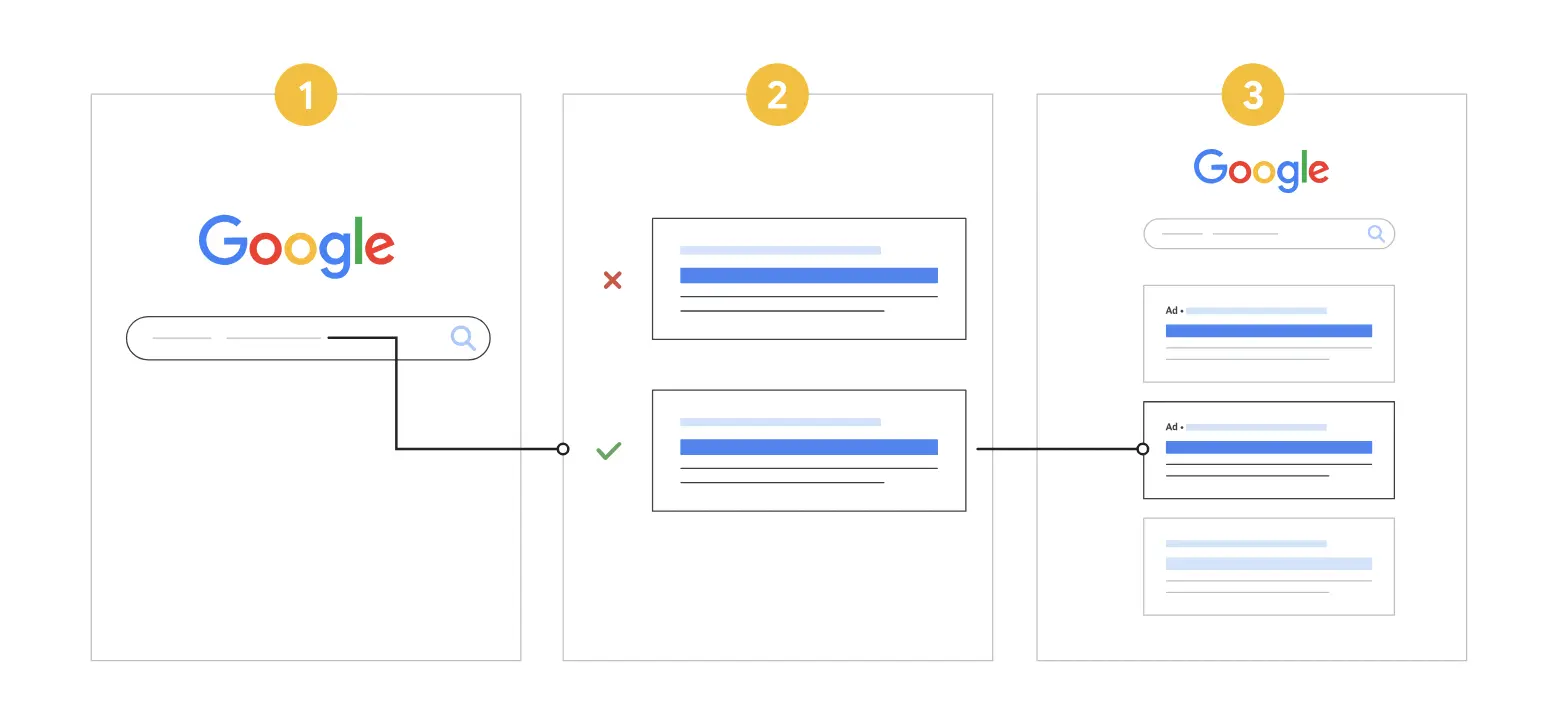
The underlying mechanism for these platforms is the real-time auction, a process that occurs in milliseconds every time a user enters a query. Unlike traditional advertising, where the highest bidder typically wins, the search auction utilizes a proprietary "Ad Rank" system. This calculation weighs the advertiser’s maximum bid against the "Quality Score," which includes the expected click-through rate (CTR), ad relevance, and, crucially, the landing page experience. This system ensures that users receive relevant results while allowing well-optimized campaigns to outrank competitors who may have larger budgets but lower-quality content.
A Chronology of Campaign Automation
The trajectory of paid search has moved steadily toward automation, shifting the marketer’s role from manual bid management to strategic asset orchestration.
- Manual Keyword Era (2000–2015): Advertisers manually selected keywords and set exact bids for every term.
- Introduction of Responsive Search Ads (RSAs): Platforms began testing multiple headlines and descriptions, using machine learning to determine the best combinations for individual users.
- The Rise of Performance Max (PMax): Launched as a fully automated campaign type, PMax allows Google’s AI to optimize delivery across Search, Display, YouTube, and Maps from a single asset pool.
- The AI Integration Phase (2024–Present): Search engines now use generative AI to write ad copy and predict conversion likelihood before a bid is even placed.
This shift toward automation means that the "black box" of search algorithms now handles the heavy lifting of targeting, leaving advertisers to focus on the "post-click" stage—the destination where a user lands after clicking an ad.

Technical Framework: Types of Paid Search Ads
To navigate this $100 billion market, advertisers utilize several distinct ad formats, each tailored to specific stages of the buyer’s journey:
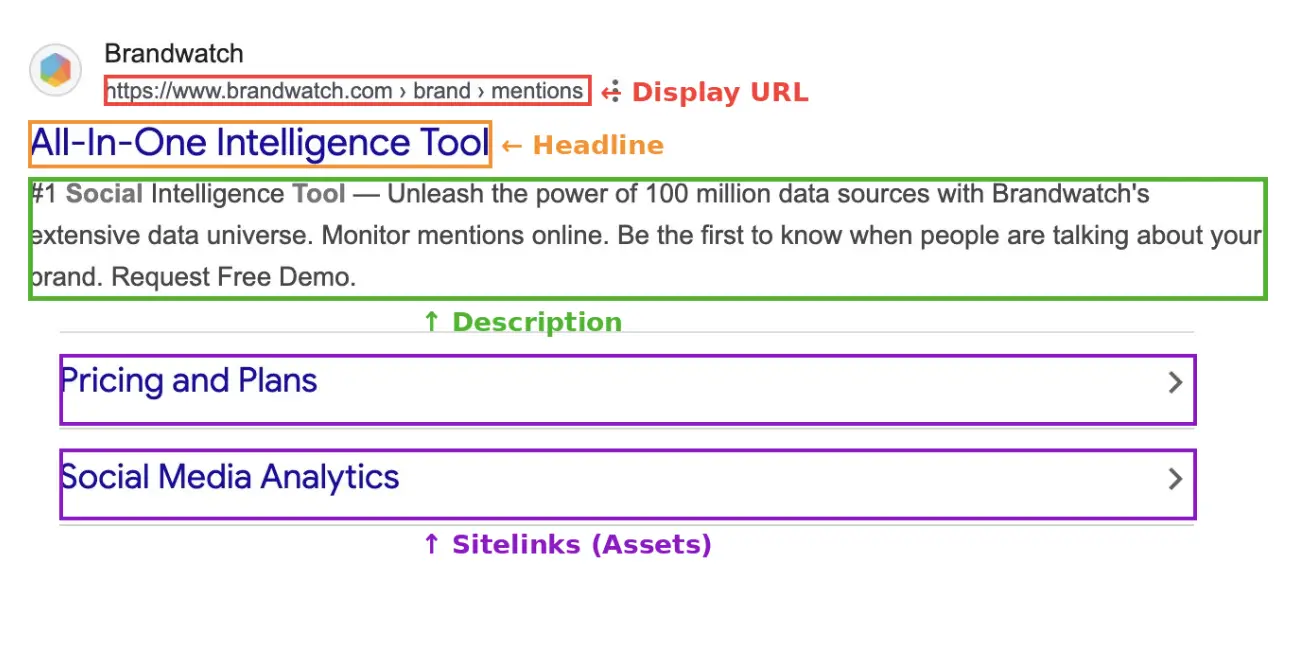
- Responsive Search Ads (RSAs): These are the standard text ads seen on SERPs. They consist of dynamic headlines and descriptions that adapt to the user’s search intent.
- Dynamic Search Ads (DSAs): These ads do not rely on keywords. Instead, Google crawls the advertiser’s website and automatically generates headlines and landing page targets based on the site’s content. This is particularly effective for capturing "long-tail" queries that manual keyword research might miss.
- Shopping Ads: Essential for e-commerce, these ads use product feed data from the Google Merchant Center to show images, prices, and store names directly at the top of the search results.
- Apple Search Ads: A specialized format for the mobile era, these ads appear at the top of App Store search results, capturing users at the moment they are ready to install an application.
The Economic Reality: Rising Costs and the Conversion Imperative
Industry data suggests that while search volume remains high, the cost of participation is increasing. With average cost-per-click (CPC) rates rising across competitive sectors like legal, insurance, and finance—sometimes exceeding $50 per click—the margin for error has narrowed.
Analysts note that the most effective way to combat rising costs is not to lower bids, which often results in lost visibility, but to improve the "Quality Score." Because the auction rewards relevance, a high-quality landing page can actually lower the actual CPC charged to the advertiser. In this environment, the "post-click experience" has become the primary lever for profitability.
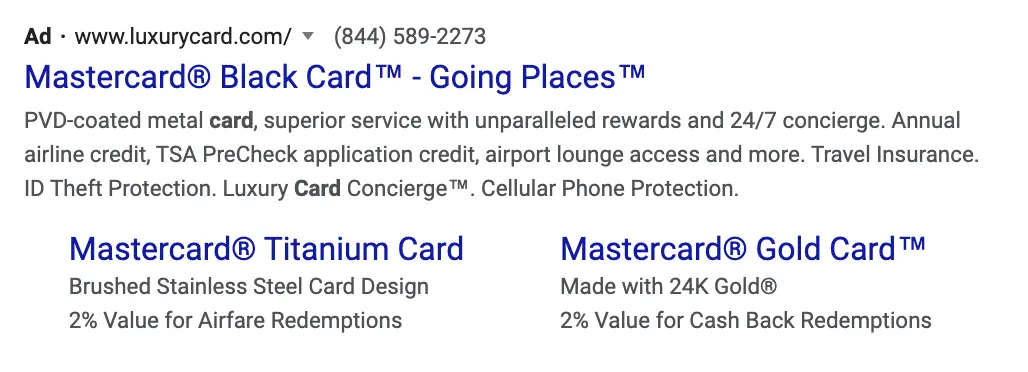
A critical failure point for many modern campaigns is the "message mismatch." If an ad promises a "Free 14-Day Trial" but directs the user to a generic homepage that requires a credit card or focuses on general brand values, the bounce rate spikes. Journalistic analysis of conversion data indicates that dedicated, message-matched landing pages can achieve conversion rates of 10% to 15%, whereas generic homepages often languish between 2% and 4%.
Strategic Implementation: A Step-by-Step Methodology
Running a successful paid search campaign in the current market requires a structured, eight-step approach:
1. Objective Definition: Campaigns must be aligned with specific KPIs, whether that is lead generation, direct sales, or brand awareness.
2. Intent-Based Keyword Research: Modern research focuses on "commercial intent." Keywords like "buy CRM software" are prioritized over informational queries like "what is a CRM."
3. Logical Account Structure: Organizing campaigns into tight ad groups ensures that the ad copy is hyper-relevant to the search query.
4. RSA Optimization: Advertisers must provide the maximum number of headlines and descriptions to give the AI the best chance of finding a winning combination.
5. Smart Bidding Integration: Once a campaign gathers enough data (typically 30-50 conversions), switching to "Target CPA" or "Target ROAS" allows the algorithm to optimize for value rather than just clicks.
6. Landing Page Customization: Every ad group should ideally point to a dedicated page that removes navigation menus and focuses on a single call to action (CTA).
7. Full-Funnel Tracking: Implementing advanced tracking (such as Google Analytics 4 and server-side tagging) is necessary to attribute conversions correctly in a privacy-first world.
8. Continuous Iteration: Paid search is not a "set it and forget it" channel. Weekly reviews of negative keywords—terms for which you do not want your ad to show—are essential to prevent wasted spend.
Broader Impact and Industry Implications
The dominance of paid search has profound implications for the broader business landscape. For small businesses, the platform offers a "pay-to-play" entry into markets that were previously dominated by large corporations with massive SEO authority. For enterprise brands, paid search acts as a defensive moat, protecting brand terms from being poached by competitors.
However, the industry is also facing scrutiny. Regulators in the U.S. and Europe are closely monitoring the "gatekeeper" status of Google, questioning whether the auction system creates an unfair advantage for the platform’s own services. Furthermore, the integration of Generative AI into search results (such as Google’s Search Generative Experience) is changing how ads are displayed, often pushing traditional paid results further down the page or integrating them directly into AI-generated answers.
Conclusion: The Future of the Search Economy
As we move toward 2026, the forecasted global spend of $355.10 billion suggests that paid search is nowhere near its ceiling. The businesses that will thrive in this high-cost environment are those that view search not just as a traffic source, but as a conversion engine.
The successful advertiser of the future will be one who masters the "post-click" stage. By leveraging tools that allow for rapid A/B testing and personalization without the need for extensive developer resources, brands can ensure that every dollar spent on a click has the highest possible chance of turning into revenue. In a marketplace where the auction is automated and the keywords are competitive, the final frontier of competitive advantage is the relevance and speed of the user experience. Paid search puts a brand in the room, but the landing page closes the deal.