Email marketers operate on the fundamental assumption that their messages consistently reach the intended inbox. When this critical communication pathway falters, the repercussions ripple across brand reputation, customer loyalty, and ultimately, return on investment (ROI). While the concepts of email deliverability and email delivery might appear nuanced and even mysterious, understanding their distinctions and the evolving landscape is paramount for any successful digital strategy.
Recent industry research underscores the escalating importance of this domain. The Validity 2026 Email Deliverability Benchmark Report revealed that 87.25% of emails successfully landed in the inbox, marking a notable 3.7% uplift from the preceding year. This positive shift is largely attributable to the enforcement of new bulk sender requirements, the introduction of global privacy laws, and an increased adoption of accessibility tactics across the industry. Despite this improvement, the inherent complexities of deliverability necessitate a clear understanding of the factors senders control versus the roles played by Email Service Providers (ESPs) and mailbox providers to mitigate unexpected disruptions in email strategy.
The Nuance of Deliverability: Beyond Simple Delivery
At its core, email deliverability assesses the ultimate destination of an email after it has been sent—whether it lands in the primary inbox, secondary tabs like ‘Promotions,’ or, critically, the spam folder. This is distinct from email delivery, which merely confirms that the receiving server accepted the message. An email can be ‘delivered’ yet never seen by the recipient if it’s shunted to spam or an obscure folder. Deliverability, therefore, is a more sophisticated metric, reflecting how mailbox providers interpret a sender’s behavior, engagement patterns, and infrastructure signals to determine inbox placement. The process often feels like a ‘black box’ due to its behind-the-scenes nature and the continuous, evolving algorithms at play.
This opaque quality stems from several contributing factors. Mailbox providers do not typically publish their proprietary filtering algorithms, which are constantly updated to combat new spam techniques. Moreover, sender reputation is built over time through a complex interplay of various signals, making immediate cause-and-effect difficult to discern. The sheer volume of email traffic—estimated at over 347 billion emails sent daily worldwide in 2023—necessitates automated, highly sensitive filtering systems that can be unforgiving to even legitimate senders if certain thresholds are crossed.
The Evolving Landscape: Why Deliverability is Getting Stricter
The criticality of email deliverability is not a new phenomenon, but the environment in which marketers operate is continuously evolving, introducing new challenges. Email marketing remains a cornerstone of digital communication, boasting an average ROI of $36 for every $1 spent, making its effective execution indispensable. Yet, if messages fail to reach their intended audience, this potential ROI is severely undermined, and the investment in content creation and campaign management is wasted.

Several recent developments are contributing to the increasing difficulty of maintaining high deliverability rates:
Inboxes Behave Differently and Are Getting Stricter
Mailbox providers (MBPs) like Gmail, Microsoft (Outlook), and Yahoo constantly refine their filtering logic, and they do not operate under a unified set of rules. This creates a fragmented landscape for marketers. For instance, the Validity report highlights a stark difference in inbox placement rates, with Gmail achieving 89.8% compared to Microsoft’s 77.4%. While the recent enforcement of bulk sender requirements by major providers has generally contributed to an increase in overall inbox placement rates, the challenge of deciphering and adhering to these diverse and dynamic rules remains substantial. Marketers must contend with varied interpretations of sender reputation, content relevance, and engagement signals across different platforms, often requiring tailored strategies.
The Rise of AI in the Inbox
The integration of artificial intelligence (AI) models by mailbox providers marks a significant shift. These AI systems are trained on vast datasets of spam and phishing attempts, leading to heightened scrutiny of incoming emails. While beneficial for combating malicious content, this also means legitimate senders face increased chances of their emails being flagged if they inadvertently trigger AI-identified patterns. The proliferation of AI-generated content, including a surge in sophisticated AI-powered spam, further complicates the situation, forcing MBPs to become even more aggressive in their filtering. This can lead to lower engagement rates and higher complaint risks, even for well-intentioned senders, as AI summaries might misinterpret content or users become desensitized to perceived "generic" messaging.
Faster Email Production Could Create Volume Spikes
The drive for efficiency in email marketing teams, highlighted by reports indicating that most teams take 1-3 days to create and deploy a single marketing email, while some achieve this in less than a day, is generally positive. However, newfound speed can inadvertently pose deliverability risks. A sudden, dramatic increase in sending volume, even with legitimate content, can send negative signals to mailbox providers. MBPs prefer consistent sending patterns and interpret abrupt spikes as potential indicators of compromised accounts or spam activity. This necessitates careful planning and a gradual scaling approach to volume increases, often involving an ‘IP warm-up’ strategy to build trust with providers over time.
Senders’ Control: Strategies Before Hitting Send
The foundation of robust email deliverability is laid long before the ‘send’ button is ever pressed. Marketers focused on long-term success and building a stellar sender reputation must proactively manage several key areas:
Email List Hygiene: An Ongoing Commitment
Maintaining a clean and healthy email list is a continuous, multi-step process, akin to routine maintenance. Regular list hygiene ensures that emails are sent only to genuine, engaged subscribers, avoiding outdated, invalid, or uninterested addresses that can severely erode sender trust and reputation. Strategies include:
- Regular list scrubbing: Removing inactive subscribers, hard bounces, and known spam traps.
- Double opt-in: Requiring subscribers to confirm their subscription, ensuring explicit consent and reducing fraudulent sign-ups.
- Bounce management: Systematically identifying and removing invalid email addresses after soft and hard bounces.
- Monitoring engagement: Identifying and segmenting or suppressing subscribers who show no engagement over extended periods.
Organic List Growth: Quality Over Quantity
The method of list acquisition significantly impacts deliverability. Senders bear the responsibility of closely monitoring their list sources and ensuring organic, consent-based growth. Subscribers should receive what they expect from emails, reinforcing trust. Best practices include:
- Transparent signup processes: Clearly stating what subscribers will receive and how often.
- Avoid purchasing lists: Purchased lists often contain spam traps and unengaged contacts, leading to immediate reputation damage.
- Incentivize genuine interest: Offer valuable content or exclusive access rather than superficial giveaways to attract engaged subscribers.
Sending Volume and Frequency: Consistency is Key
Mailbox providers meticulously track sending volume and frequency. Erratic patterns—sudden spikes, inconsistent cadences, or over-mailing—can trigger filtering mechanisms, irrespective of content quality. Marketers must monitor anticipated changes in sending volume and implement a gradual ‘IP warm-up strategy’ when starting with a new IP or significantly increasing volume. This involves progressively increasing email volume over several weeks, allowing MBPs to recognize the legitimate nature of the sending pattern and build a positive reputation.
Subscriber Expectations: Deliver on Promises
Managing subscriber expectations is crucial. If a weekly newsletter was promised, a weekly newsletter should be delivered. If sign-ups were for new product drops, the inbox should not be flooded with blog posts. Subject lines, message structure, and overall value must align with the initial subscriber agreement. A robust preference center is an invaluable tool, empowering subscribers to choose content types and frequency, thereby reducing frustration and the likelihood of spam complaints.
Engagement Signals: The Pulse of Your Audience
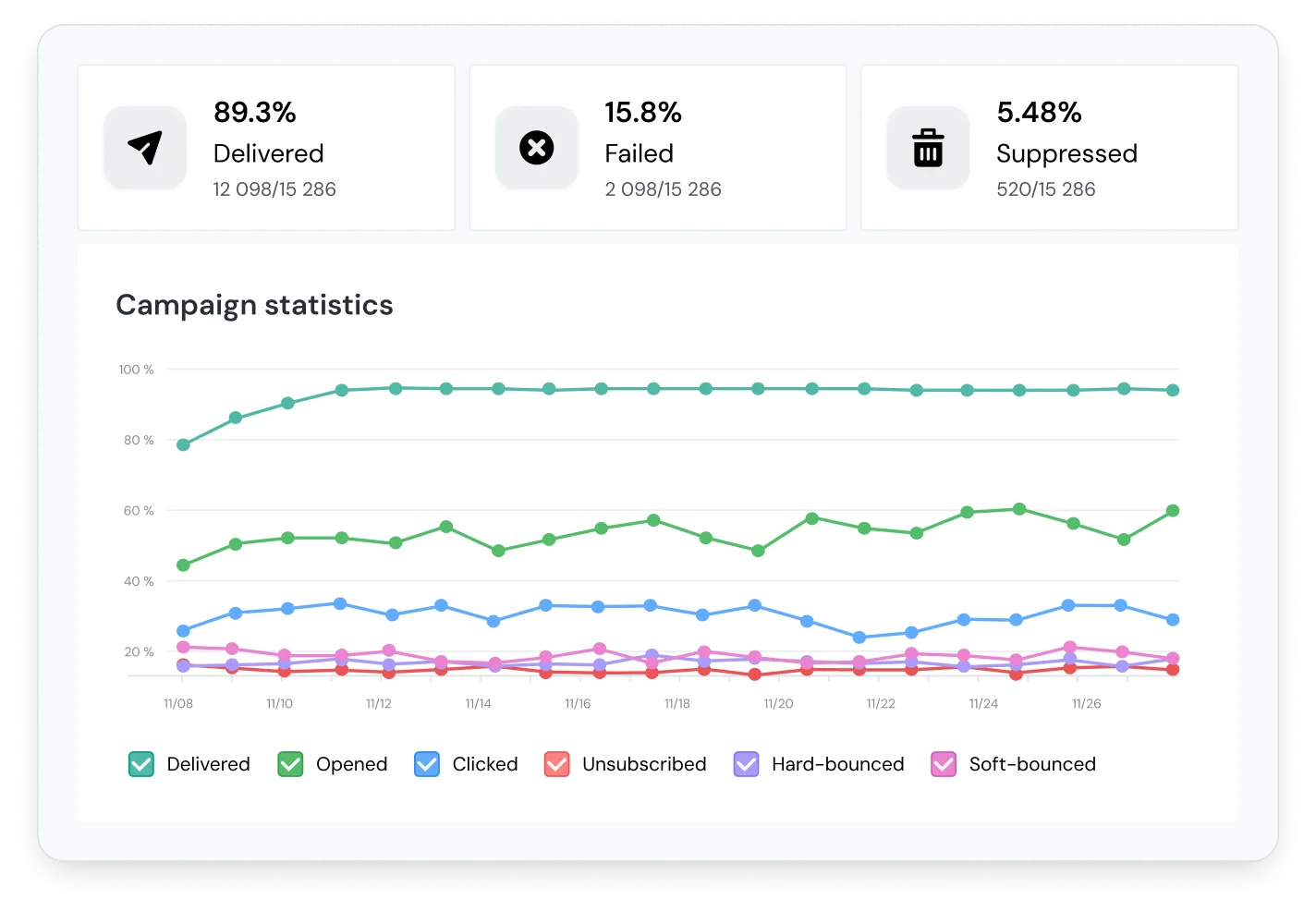
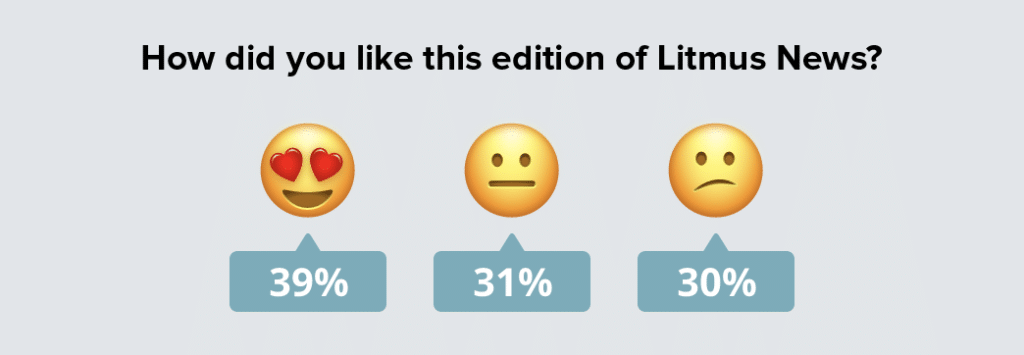
Focusing on quality engagement rather than mere quantity provides early signals of audience sentiment. Metrics like open rates, click-through rates, reply rates, and even interactive elements like polls in newsletters directly inform MBPs about subscriber interest. Actively tracking engagement and deliverability metrics, including bounce rates, complaint rates, unsubscribe rates, and conversion rates, allows marketers to proactively identify and address potential issues.
Design and Accessibility: Ensuring Readability and Interaction
If emails are visually broken, difficult to read, or inaccessible, engagement plummets, and frustrated subscribers may mark messages as spam. Email design and accessibility directly impact a subscriber’s ability to consume and interact with content. Key considerations include:
- Mobile responsiveness: Emails must render correctly across all devices.
- Clear hierarchy and readability: Use appropriate font sizes, line spacing, and visual breaks.
- Image optimization: Ensure images load quickly and have descriptive alt text.
- Link functionality: All links must be functional and direct to relevant content.
- Accessibility standards (WCAG): Adhering to guidelines for color contrast, text-to-speech compatibility, and logical content flow benefits all users and signals professionalism to MBPs.
Tools like Validity Engage, which alerts senders to rendering issues across various clients, are vital for pre-send testing to fix problems before they impact deliverability.
The Role of Email Service Providers (ESPs) in Deliverability
While a sender’s actions form the bedrock of deliverability, the Email Service Provider (ESP) constitutes the next critical layer. ESPs are the technological backbone, providing the infrastructure to send messages reliably at scale. Although they do not directly control how mailbox providers place messages, their infrastructure and policies significantly influence a sender’s deliverability potential.
Sending Infrastructure and IP Management
ESPs manage the complex technical ‘plumbing’ behind email sending. For senders utilizing shared IP addresses, a reputable ESP will diligently monitor all senders on that IP and take decisive action against bad actors whose behavior could tarnish the reputation of the entire pool. Both IP address and domain reputation are intertwined, making infrastructure choices and consistent sending behavior critical.
Authentication Support: Verifying Sender Identity
Most ESPs provide essential support for authentication protocols such as SPF (Sender Policy Framework), DKIM (DomainKeys Identified Mail), and DMARC (Domain-based Message Authentication, Reporting & Conformance). These protocols enable mailbox providers to verify that emails are legitimate and have not been tampered with, acting as a crucial trust signal. ESPs facilitate the setup and ongoing maintenance of these records.
Basic Reputation and Blocklist Monitoring
ESPs typically monitor IP reputation and major industry blocklists, proactively identifying potential issues and alerting clients. This reduces the likelihood of widespread blocking and provides an early warning system for deliverability problems.
Compliance and Abuse Safeguards
Given the evolving landscape of spam laws and regulations (e.g., CAN-SPAM, GDPR, CASL), ESPs usually handle baseline compliance requirements and enforce anti-spam policies to protect the integrity of their sending environment and ensure their clients adhere to legal standards.
Post-Send Realities: The Mailbox Provider’s Decision
Once an email leaves the ESP, control shifts entirely to the mailbox providers (MBPs). This is where inbox placement decisions are made, a phase often perceived as the most abstract and confusing. From a sender’s perspective, outcomes can seem arbitrary or sudden. However, MBPs react to established patterns and historical data, not subjective intent or effort. A sender with excellent intentions but poor list hygiene will be treated similarly to a spammer exhibiting identical negative signals.

How Mailbox Providers Evaluate Emails
MBPs do not evaluate each message in isolation. Instead, they analyze broader sending behavior and recent engagement trends to predict future outcomes. They pose critical questions:
- Does this sender typically receive high engagement (opens, clicks, replies)?
- How often are their emails marked as spam or deleted without opening?
- Is their sending volume consistent or does it fluctuate wildly?
- Is their email authenticated?
- Are they on any known blocklists?
This behavioral analysis explains why inbox placement changes rarely stem from a single campaign but are usually tied to trends that have developed quietly over time.
The Same Email, Different Outcomes
One of the most frustrating aspects of deliverability is that an identical email can land differently across various inboxes. Gmail, Microsoft, Yahoo, and other providers each apply their unique filtering logic and thresholds. The Validity 2026 Email Deliverability Benchmark Report vividly illustrates these disparities:
| Mailbox Provider | Market Share | Inbox % | Spam % | Missing % |
|---|---|---|---|---|
| Gmail | 42.9% | 89.8% | 6.4% | 3.8% |
| Microsoft | 14.4% | 77.4% | 15.1% | 7.5% |
| Yahoo | 15.7% | 87.3% | 6.4% | 6.3% |
| Apple | 3.6% | 82% | 10.8% | 7.2% |
These variations extend geographically, with Yahoo’s inbox placement rates differing between regions like France and India, partly due to stringent international privacy laws that mandate explicit opt-in, influencing overall list quality. This fragmentation demands a nuanced approach to email strategy, recognizing that a "one-size-fits-all" approach may not suffice.
Change Increases Risk: Proceed with Caution
While most deliverability issues develop gradually, certain changes can provoke an immediate reaction from MBPs:
- Sudden spikes in sending volume: As discussed, this is a major red flag.
- Sending to a completely new list: MBPs have no prior engagement data for this audience.
- Changing IP addresses or sending domains: This resets the sender’s reputation history.
- Significant shifts in content or branding: Can trigger new filtering criteria.
Managing these transitions with extreme care is essential. Recovery from a significant deliverability hit can be slow and opaque, as MBPs require a sustained pattern of improved signals before adjusting a sender’s reputation.

Leveraging Deliverability Tools for Enhanced Visibility
After the email is sent, deliverability tools provide critical insights that ESP dashboards often lack. While ESPs offer useful data on delivery and basic engagement, they frequently fall short in showing where emails ultimately landed, how different mailbox providers responded, or the underlying reasons for performance shifts. Specialized deliverability tools bridge this gap, offering a deeper understanding of the post-send environment.
What Deliverability Tools Reveal
These tools empower teams to move beyond guesswork by providing insight into:
- Inbox placement rates across various MBPs: Pinpointing where emails are landing (inbox, spam, promotions).
- Blocklist status: Identifying if the sender’s IP or domain is listed on any major blocklists.
- Authentication health: Monitoring SPF, DKIM, and DMARC records for misconfigurations.
- Seed list monitoring: Sending emails to a diverse set of "seed" addresses to simulate real-world inbox placement.
- Reputation scores: Providing objective scores based on various factors that MBPs consider.
This granular context allows marketers to connect outcomes back to earlier patterns, such as changes in volume, audience demographics, or engagement strategies.
Free Tool Option: Sender Score
Sender Score (senderscore.org) offers a quick, high-level snapshot of an IP address’s reputation, indicating how mailbox providers are likely to view it. It serves as an excellent starting point for identifying obvious reputation issues or confirming if sending behavior falls within a healthy range. Users can:
- Check their IP’s reputation: Obtain a score from 0-100, where higher is better.
- Understand contributing factors: Gain insights into elements affecting their score, such as spam complaints or unknown user rates.
- Benchmark against industry averages: See how their reputation compares to others.
Paid AI-Powered Platform: Validity Engage
For comprehensive, proactive deliverability management, platforms like Validity Engage offer advanced capabilities. Built on one of the world’s largest email data networks, Validity Engage provides AI-powered insights to pinpoint exactly where campaigns land across providers, IPs, and domains, enabling marketers to resolve deliverability issues before they impact revenue. Key features include:
- Inbox Placement Monitoring: Detailed reporting on inbox, spam, and missing rates by provider.
- Pre-send Testing: Testing email rendering, links, and accessibility across various clients.
- Reputation Management: Proactive alerts for blocklist appearances or reputation declines.
- Contact Data Quality: Tools to clean and standardize contact data before sending.
- Predictive Analytics: AI-driven insights to forecast performance and recommend corrective actions.
Boosting Email Deliverability: A Continuous Process
Achieving and maintaining high email deliverability is not a one-time fix but an ongoing, strategic sequence of best practices. By treating deliverability as a continuous maintenance task, marketers can proactively manage their sending environment.

- Clean Your Lists Religiously: Regularly remove inactive, invalid, or risky addresses. Implement a data hygiene and quality tool to validate contacts at signup and before large sends, catching typos and disposable emails early.
- Validate Before You Send: Incorporate list validation into your workflow, especially for new sign-ups or before critical campaigns, to reduce bounces and avoid damaging deliverability.
- Segment Intentionally: Not all subscribers need every email. Segment lists based on engagement, preferences, or lifecycle stage to ensure messages are relevant and expected, enhancing engagement.
- Set and Respect Unsubscribe Expectations: Provide a clear, easy-to-use unsubscribe process. If opting out is difficult, subscribers are more likely to mark emails as spam. Honor unsubscribe requests promptly.
- Authenticate and Monitor: Implement and consistently monitor SPF, DKIM, and DMARC protocols. While not a guarantee of inbox placement, neglecting them almost certainly leads to deliverability problems.
- Test Before Sending: Thoroughly test all aspects of your email campaigns—links, images, accessibility, and rendering across various devices and inboxes—to prevent frustrating subscriber experiences and quietly eroding engagement.
- Watch Results by Mailbox Provider: Move beyond aggregate delivery rates. Analyze performance specifically by Gmail, Microsoft, Yahoo, and other providers to identify where issues originate and avoid generalized, potentially incorrect, adjustments.
Conclusion
Email deliverability, while often shrouded in a veil of mystery due to the complex and proprietary algorithms of mailbox providers, is far from uncontrollable. Marketers possess a significant degree of influence over their deliverability outcomes through meticulous strategy and the intelligent application of specialized tools. From diligently managing send volume and crafting accessible emails to understanding the intricacies of ESP support and leveraging advanced platforms like Validity Engage for pre-send validation and post-send insights, a proactive approach is key.
While mailbox providers ultimately make the final call on inbox placement, comprehending the signals they prioritize—sender reputation, engagement patterns, authentication, and content quality—transforms the seemingly unpredictable into a far more manageable and predictable domain. By embracing these best practices, email marketers can significantly enhance their chances of reaching the inbox every time, thereby safeguarding brand reputation, fostering customer loyalty, and maximizing their return on email marketing investments.