Readers may be surprised to learn that many individuals, much like the King of England, navigate life with two birthdays. One is their actual date of birth, a personal milestone. The other, however, is a strategic construct: an "email birthday," a date often provided when signing up for new email programs, primarily to manage the influx of marketing communications or for privacy considerations. This phenomenon recently brought to light a significant discrepancy in brand engagement, as one individual, upon celebrating their designated email birthday, received over fifty happy birthday emails from various brands worldwide. While some messages genuinely resonated, others highlighted a stark question: why bother collecting such personal data if its subsequent utilization is so inconsistent? This experience serves as a compelling case study, revealing both the immense potential of a well-executed birthday email strategy and the widespread failure of brands to fully capitalize on this crucial customer journey touchpoint.
The Landscape of Personalized Marketing and Data Utilization
In an era defined by hyper-personalization, the collection of customer data, including birth dates, has become standard practice for businesses across sectors. The rationale is clear: more data allows for more tailored experiences, which theoretically leads to stronger customer relationships and increased sales. However, the practical application often falls short of the theoretical ideal. The anecdote of 124 expected birthday emails yielding only 43 (a mere 35% delivery rate) underscores a systemic issue within modern marketing. This isn’t just a personal oversight; it represents a significant gap in data management and customer relationship management (CRM) strategies across numerous organizations. When brands collect sensitive personal data like a date of birth, consumers implicitly expect that information to be used thoughtfully and to their benefit. A failure to do so not only wastes valuable data but also erodes trust and diminishes the perceived value of engaging with a brand.
Mutual Benefits: Why Birthday Data Matters
The collection of a customer’s date of birth is a powerful form of personal data that, when leveraged correctly, offers substantial benefits to both brands and consumers.
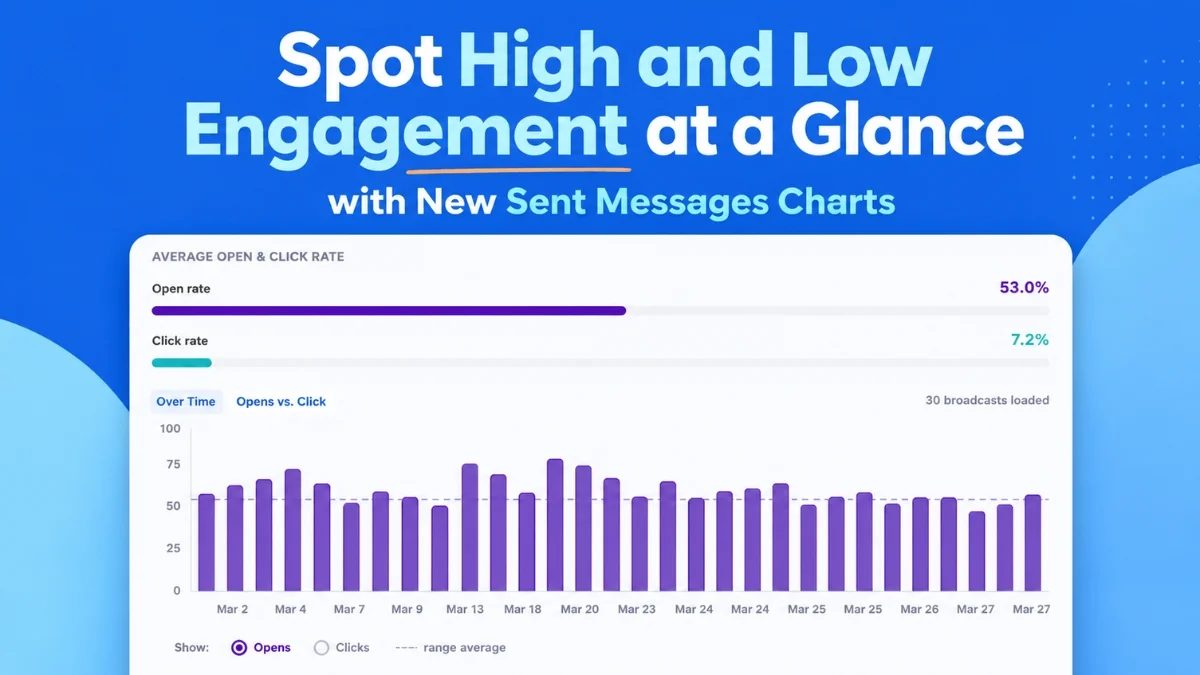
For brands, birthday data transcends a simple celebratory message. It significantly enhances life-stage segmentation and personalization efforts, allowing companies to tailor communications and offers based on age demographics and specific life events. This granular segmentation enables more precise targeting, improving the relevance of marketing messages beyond just a birthday greeting. Furthermore, birth dates can aid in predicting purchasing behavior, as certain products or services may align with specific age groups or life stages. Critically, birthday messages consistently outperform generic marketing campaigns in terms of open rates and click-through rates, signaling higher engagement and a receptive audience. This elevated performance translates directly into more efficient marketing spend and better campaign ROI.
For consumers, the benefits are tangible and emotionally resonant. Birthday rewards—ranging from exclusive discounts and free products to bonus loyalty points or access to age-restricted benefits—are genuinely anticipated. These aren’t just transactional exchanges; they contribute to the "simple pleasure of feeling known and being seen." Birthday marketing, when executed personally and thoughtfully, deepens the emotional connection between a consumer and a brand. It transforms a faceless commercial entity into one that acknowledges and appreciates its individual customers, fostering loyalty that extends beyond a single purchase.
However, the adage "use it or lose it" applies acutely to customer data. The observed discrepancy, where only 35% of expected birthday emails were received, highlights a critical failure in data activation. Data from Validity’s intelligence network further corroborates this industry-wide challenge. Brands invest heavily in data acquisition, but if that data is left dormant or mismanaged, its value rapidly diminishes. This neglect not only represents a missed marketing opportunity but also risks alienating customers who have entrusted brands with their personal information.
The Commercial Imperative: Quantifying the Impact of Birthday Campaigns
Beyond fostering goodwill, the commercial impact of well-executed birthday email campaigns is substantial and well-documented. Analysis of over fifty diverse brand emails revealed an average discount or discount equivalent of 18%. While this might seem reasonable, particularly for businesses operating on tight margins, a deeper look into customer economics suggests that many brands are underinvesting in this high-impact touchpoint.
The business case for nurturing active customers is unequivocally strong. Research from the Harvard Business Review indicates that acquiring a new customer can cost five times more than retaining an existing one. Further studies by Bain & Company demonstrate that a mere 5% increase in customer retention can boost profits by as much as 75%. Reactivating dormant customers, while less costly than acquisition, still significantly outweighs the expense of maintaining a strong, ongoing relationship. These statistics underscore the strategic importance of proactive engagement strategies like birthday campaigns.
Experian’s Birthday Emails report stands as a powerful testament to their efficacy, revealing that birthday emails generate an astounding 481% more transactions and 342% more revenue per email compared to standard promotional campaigns. This remarkable performance positions birthday messages as one of the highest-performing touchpoints in the entire customer lifecycle. In stark contrast, win-back emails, even those incorporating compelling offers, typically achieve redemption rates of just over 2%, according to Dotdigital research.
This disparity presents a compelling economic argument for brands to re-evaluate their investment in birthday marketing. Brands routinely offer substantial 25-40% discounts to re-engage disengaged customers, often with limited success. Given the high engagement and emotional connection associated with birthdays, it makes irrefutable economic sense to invest earlier and more generously in these celebratory moments. A robust birthday campaign, with a slightly enhanced offer, can act as a powerful preventative measure, averting the need for far pricier and less effective win-back campaigns down the line. The case for prevention, in this context, makes itself.
Tactics for Effective Celebration: What Works and What Doesn’t
Birthday email campaigns generally fall into several distinct categories, each with varying degrees of effectiveness:
-
Thoughtful Messages and Exclusive Access: More prevalent among premium and luxury brands, this tactic focuses on conveying appreciation rather than offering discounts. For high-net-worth clientele, the gesture itself is often paramount. While some brands regrettably use this opportunity to merely suggest more purchases, the most effective thoughtful messages might offer exclusive content, early access to new collections, or invitations to special events. These approaches reinforce brand prestige and exclusivity, aligning with the customer’s value proposition.
-
Strategic Discounts: By far the most common tactic, birthday discounts typically come with a minimum spend requirement but often lack an upper limit, encouraging larger purchases. The key to success lies in the generosity of the offer. A token discount can feel underwhelming and cheapen the gesture. A 15-20% discount is a common baseline, but a 25% or even 30% discount, strategically applied, can significantly increase conversion rates, especially when considering the high ROI of birthday emails. The discount should feel like a genuine reward, not a reluctant concession.
-
Complimentary Products or Services: This tactic, particularly popular in the hospitality and food service industries, offers free items, often contingent on a primary purchase. For instance, many restaurants offer a free birthday dessert with the purchase of an entrée. A closer examination of these "gifts" reveals their true commercial value:
Restaurant Avg. Entrée Avg. Dessert Effective Discount Seasons 52 $28 $4–$9 12–24% Olive Garden $18.50 $12 ~39% Yard House $21 $10 ~32% Cheddar’s $18 $7.50 ~29% LongHorn Steakhouse $26 $11 ~30% Applebee’s $17 $6 ~26% Viewed through the lens of effective discount, these offers average a healthy 30%, with Olive Garden leading at approximately 39%. This demonstrates that even conditional freebies can be highly attractive and drive significant foot traffic or transactions. Other examples include free coffee at cafes or a complimentary beauty sample with a purchase.
-
Optimized Redemption Windows and Multi-Stage Sequences: Most brands provide a generous redemption window, typically 30 days, allowing customers ample time to utilize their birthday gift. However, the most effective strategies transform this into a multi-stage campaign. Brands like Calvin Klein exemplify this by sending an advance warning email, followed by an on-the-day message, and a subsequent reminder. This strategic sequencing maximizes the odds of the gift being redeemed by keeping the offer top-of-mind and creating multiple touchpoints around the celebratory period.
-
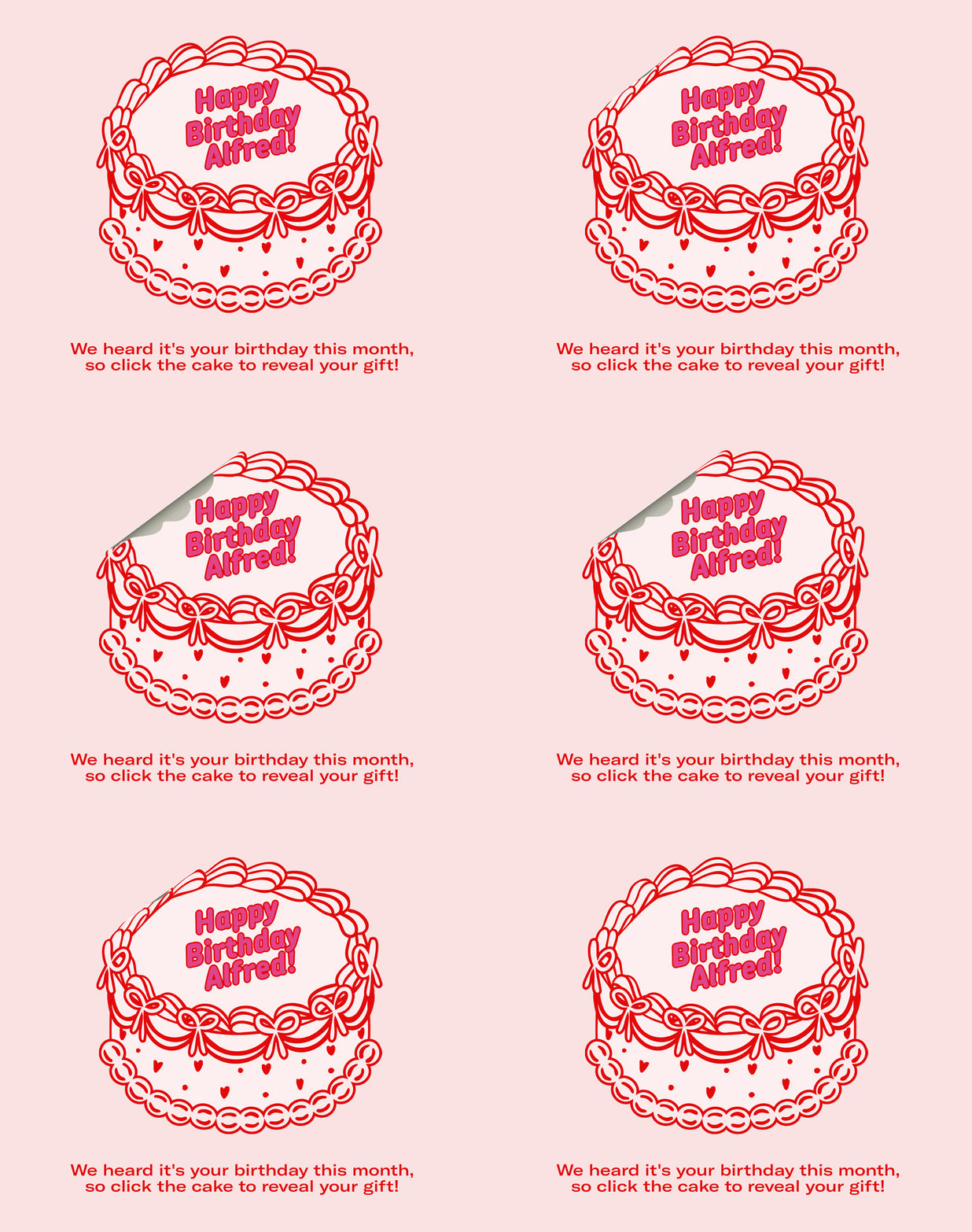
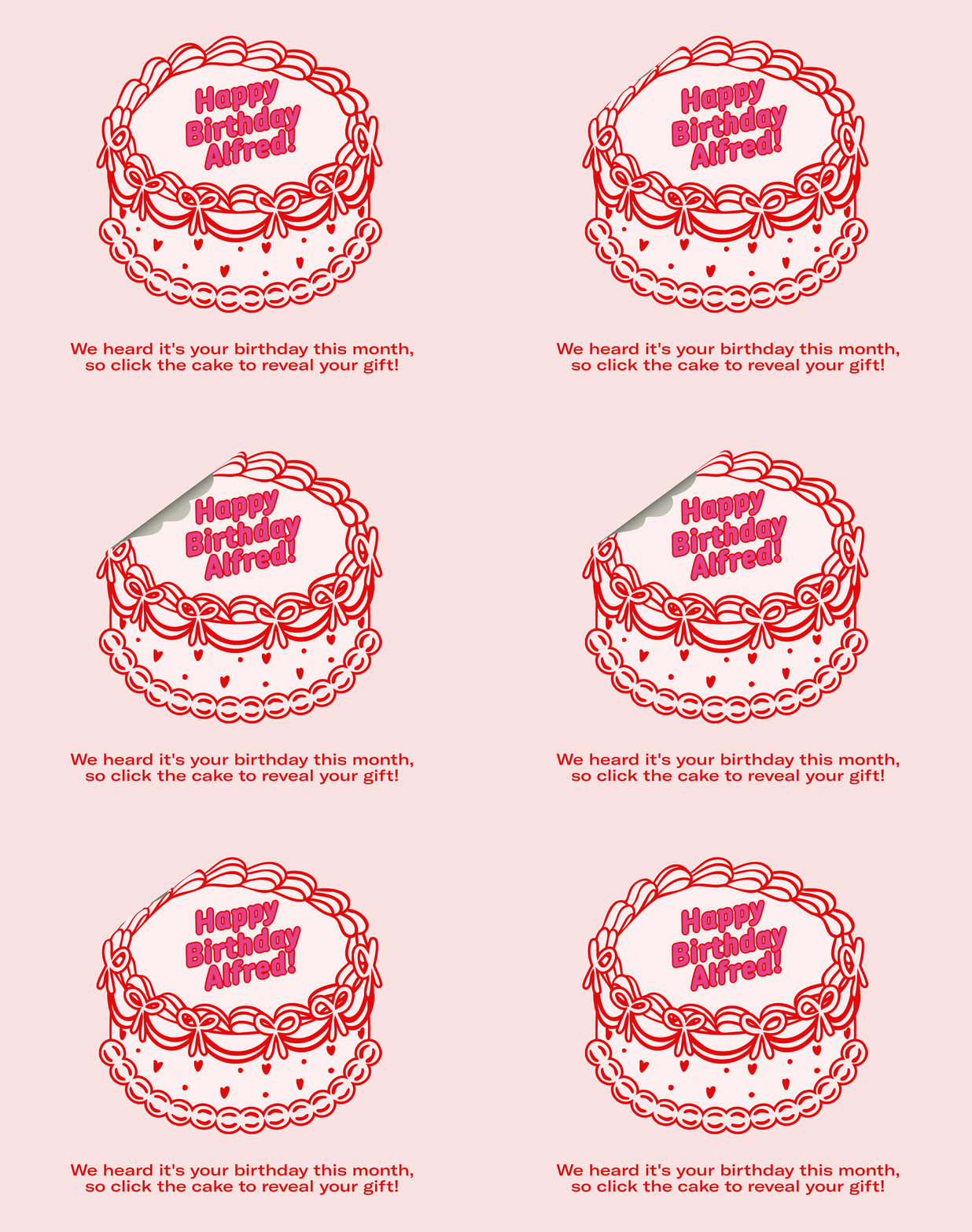
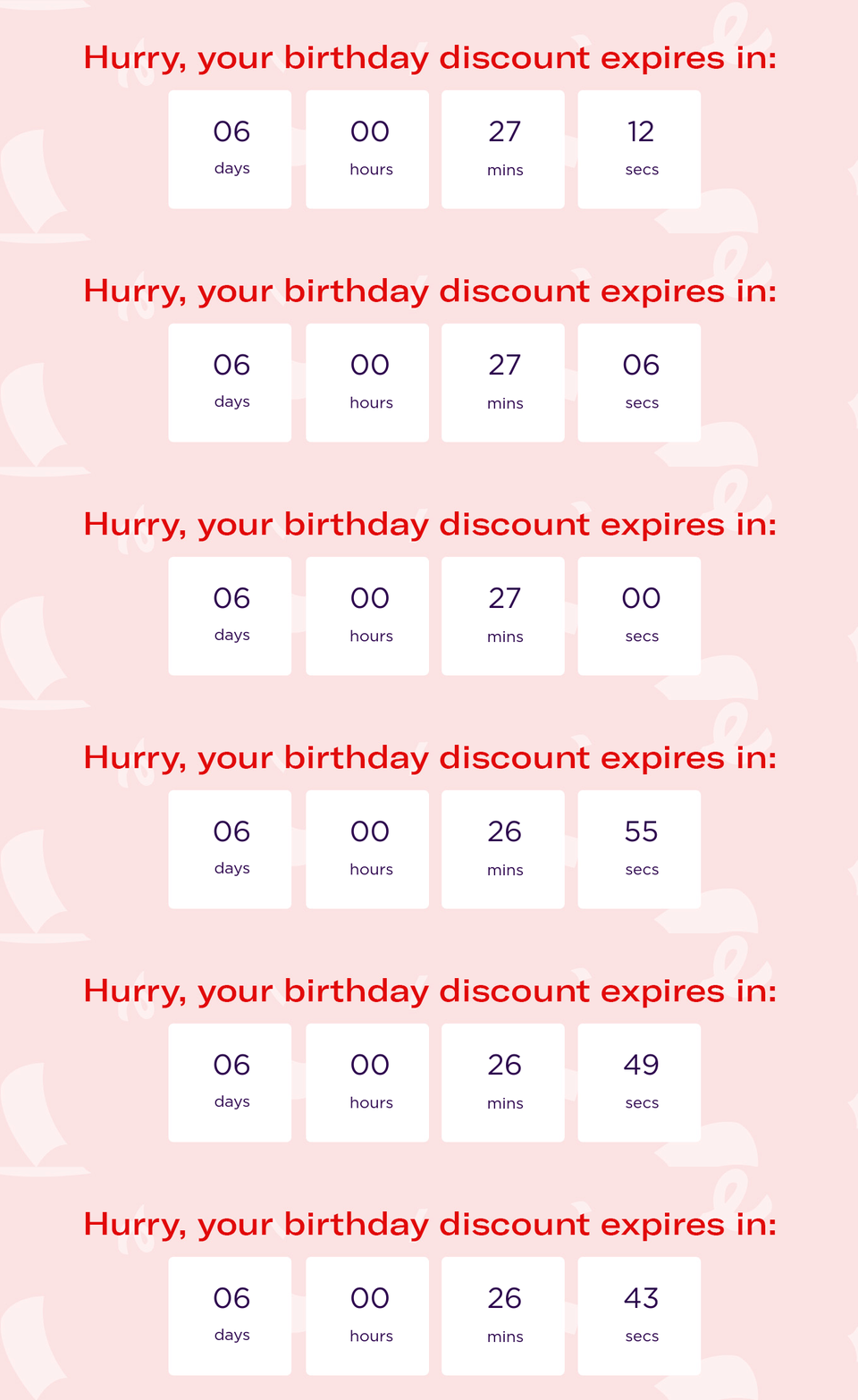
Engaging Dynamic Content and Interactivity: Surprisingly, few brands leverage the full potential of animation or dynamic content in their birthday emails, despite the inherent suitability of the theme for interactive elements like flickering candles or "open your present" reveals. Virgin Australia stands out in this regard, with its on-the-day email featuring an animated cake that dynamically reveals the discount. Their follow-up email then incorporates a countdown timer, expertly adding a sense of urgency and encouraging prompt action. Such creative use of email technology enhances engagement, makes the message memorable, and reinforces a modern, customer-centric brand image.
Amidst the deluge of "here’s your birthday discount" emails, certain brands manage to create a truly valued experience. Burger King, for instance, consistently garners praise for its "Enjoy a free bday Whopper" offer – no minimum spend, no conditions, just a straightforward free burger. This simplicity and generosity often resonate most deeply with consumers. Other honorable mentions include Sephora for a free gift, Starbucks for a free drink or food item, Subway for a free cookie, and Dunkin’ for a free drink, all of which provide clear, unconditional value.
Mastering the Art of Birthday Campaigns: Ten Key Strategies
For brands seeking to elevate their birthday email strategy from a mere gesture to a powerful driver of loyalty and revenue, several critical elements must be addressed:
- Prioritize Data Accuracy and Hygiene: The foundational step is ensuring that customer birth dates are accurately collected and meticulously maintained. Invalid or outdated data leads to missed opportunities and can even damage brand perception if messages are sent erroneously. Investing in data validation tools is crucial.
- Segment and Personalize Beyond the Name: While addressing a customer by name is basic, true personalization involves tailoring offers based on purchase history, loyalty tier, or expressed preferences. A VIP customer might receive a higher discount or an exclusive experience, while a new customer might receive an offer designed to encourage their first purchase.
- Craft Compelling Subject Lines: In a crowded inbox, the subject line is paramount. It should be clear, exciting, and convey immediate value (e.g., "Happy Birthday! Your Gift Awaits" or "A Special Treat for Your Big Day").
- Design Visually Engaging Emails: Birthday emails should be celebratory and visually appealing. High-quality imagery, animation, and dynamic content can make the message stand out. The design should reflect the brand’s aesthetic while conveying joy.
- Offer Genuine Value: Whether it’s a generous discount, a truly free product, or an exclusive experience, the offer must feel like a genuine gift. A paltry discount or an overly restrictive condition can negate the positive sentiment.
- Implement a Multi-Stage Campaign: A single email is often insufficient. A sequence—a pre-birthday anticipation email, the main birthday message, and a gentle reminder before the offer expires—significantly increases redemption rates and keeps the brand top-of-mind.
- Ensure Clear and Simple Redemption: The process for redeeming the birthday offer must be frictionless. Complex codes, multiple steps, or confusing instructions will deter customers. A clear call-to-action is essential.
- Integrate with Omnichannel Experiences: For brands with physical stores or apps, consider how the birthday offer can be seamlessly integrated across channels. This could involve in-app notifications, in-store redemption, or a personalized landing page.
- Test and Optimize Relentlessly: A/B test different subject lines, offer types, visuals, send times, and call-to-actions to continually refine and improve campaign performance. What resonates with one segment might not with another.
- Measure and Analyze Performance: Track key metrics such as open rates, click-through rates, conversion rates, average order value of birthday redemptions, and overall impact on customer lifetime value. Use these insights to iterate and enhance future campaigns.
Industry Perspectives and Data Governance
Email marketing strategists increasingly emphasize the critical role of data hygiene and a customer-centric approach. "The era of collecting data ‘just because’ is over," notes a leading marketing consultant. "Brands must demonstrate a clear value exchange for the personal information they gather. If you ask for a birth date, you better use it in a way that delights the customer and drives mutual benefit." From a consumer advocacy standpoint, there’s a growing expectation that data shared will be used responsibly and to enhance the customer experience, not just for intrusive advertising. The failure to leverage collected data for a universally appreciated event like a birthday can be perceived as a breach of this implicit contract, eroding trust and potentially prompting customers to disengage or provide false information in the future.
Broader Implications and Future Outlook
The effective utilization of birthday emails extends far beyond immediate sales; it significantly contributes to customer lifetime value (CLV). By fostering positive emotional connections and delivering tangible value at a personally significant moment, brands can cultivate deeper loyalty, encourage repeat purchases, and transform customers into advocates. This shift from purely transactional marketing to a more relational approach is a cornerstone of sustainable business growth.
In a competitive marketplace, brands that excel in personalized experiences, including birthday campaigns, gain a distinct advantage. They differentiate themselves by demonstrating a genuine understanding and appreciation of their customer base. As artificial intelligence and advanced analytics continue to evolve, the potential for hyper-personalized birthday experiences will only grow, allowing for even more tailored offers and dynamic content delivery.
However, this increased sophistication also amplifies the imperative for robust data governance. Brands must ensure their data collection, storage, and usage practices comply with global privacy regulations such as GDPR and CCPA. Ethical data handling is not just a legal requirement but a fundamental component of building and maintaining customer trust.
Conclusion
The "email birthday" phenomenon, and the stark reality of how few of these opportunities are effectively seized, paints a clear picture: birthday emails are not merely a polite annual greeting but a powerful, yet often underutilized, strategic asset for brands. They represent a unique convergence of high customer engagement, emotional connection, and proven commercial impact. Brands that consistently fail to leverage this data are not just missing out on individual transactions; they are foregoing significant opportunities to enhance customer lifetime value, strengthen brand loyalty, and establish a competitive edge. It is time for organizations to upgrade their token birthday gestures into a cornerstone of their customer relationship strategy, investing in accurate data, thoughtful personalization, and engaging delivery. By doing so, they can create meaningful, positive interactions that not only strengthen the brand experience but also translate into sustained revenue growth and a loyal customer base, year after celebratory year.