The landscape of modern eCommerce is defined by non-linear digital journeys where a single visitor may land on a site via an email link, browse anonymously across multiple tabs, depart to conduct price comparisons, and return hours later through a direct search with an entirely different product category in mind. Traditional personalization tools, which have long relied on fixed segments, historical data, or known customer profiles, are increasingly finding themselves ill-equipped to handle this fluid behavior. The primary challenge for global brands is the "identification gap": the reality that the vast majority of website visitors do not arrive logged in or fully identified. However, from the moment of the first click, these visitors provide a wealth of behavioral signals—how they scroll, where they hesitate, what they ignore, and which categories capture their attention.
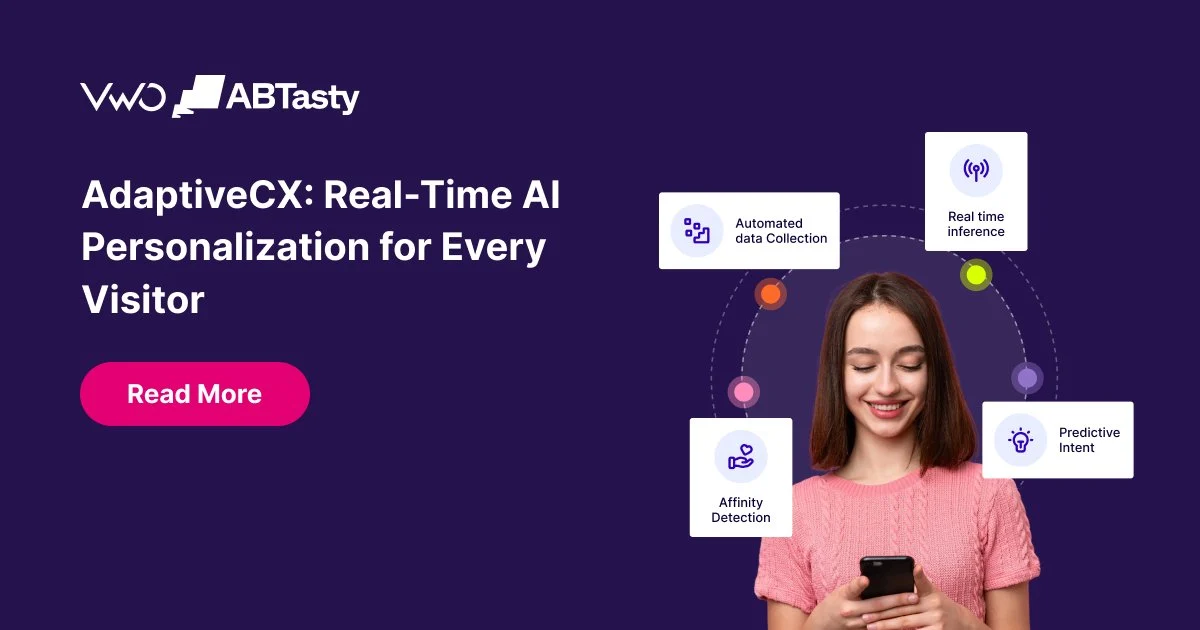
AdaptiveCX, a real-time AI personalization solution, has emerged as a critical tool for brands looking to act on these signals instantaneously. Rather than waiting for a visitor to become a "known" entity through a login or purchase, AdaptiveCX utilizes in-session behavior to predict intent and adapt the user experience while the visitor is still engaged. This shift from identity-based to intent-based personalization represents a significant advancement in how digital experiences are managed, particularly for mid-market and enterprise eCommerce businesses that must optimize high volumes of anonymous traffic to maintain competitive conversion rates.
The Limitations of Static Personalization Models
For years, the standard approach to website personalization was governed by static rules. Marketing teams would set parameters based on broad attributes, such as "If a visitor is in London, show them winter coats," or "If a visitor arrived from a Facebook ad, show them a specific discount." While these rules provided a baseline for relevance, they lacked the flexibility to respond to the rapid shifts in consumer intent.
Intent is often highly situational. A shopper in New York may be purchasing a gift for a relative in a tropical climate, rendering local weather-based recommendations irrelevant. Similarly, a visitor who browsed high-end electronics last week may be searching for budget-friendly accessories today. When personalization systems cannot respond to these live behavioral shifts, the resulting experience often feels generic or, worse, mistimed. This friction directly impacts engagement and revenue, as visitors are more likely to abandon a site that fails to present relevant options within the first few seconds of a session.
The Mechanics of Real-Time Intent Prediction
The core of AdaptiveCX lies in a continuous three-step cycle: signal capture, intent prediction, and experience activation. This process occurs in milliseconds, ensuring that the website evolves alongside the visitor’s actions.
Step 1: Capturing Non-PII Behavioral Signals
Unlike traditional CRM-based systems that require Personally Identifiable Information (PII), AdaptiveCX focuses on anonymous behavioral data. This includes mouse movement patterns, scroll depth, the sequence of pages viewed, time spent on specific product elements, and even "rage clicks" or hesitations that signal frustration. By focusing on these first-party signals, brands can maintain high standards of user privacy while still gathering the intelligence needed to personalize the journey.
Step 2: Predicting Intent via Machine Learning
The captured signals are processed by machine learning models designed to infer the visitor’s current state. These models categorize visitors into specific intent groups, such as "high-intent buyers," "window shoppers," or "price-sensitive comparison-seekers." Because the system prioritizes in-session behavior over historical profiles, it can generate accurate predictions for first-time visitors who have no prior history with the brand.
Step 3: Millisecond Experience Activation
Once intent is identified, the platform triggers a specific site modification. This could involve reordering a homepage carousel to show the most relevant category first, offering a specific incentive to a visitor showing signs of abandonment, or dynamically updating search results. The goal is to maximize the relevance of the session before the visitor decides to leave the site.
Chronology of Personalization Technology
To understand the impact of AdaptiveCX, it is helpful to view the evolution of digital personalization through three distinct phases:
- The Rule-Based Era (2000s–2010s): Personalization was manual and rigid. Marketers created "if/then" statements based on referral sources or geographic location. This required significant manual effort and could not scale to individual visitor needs.
- The CRM and Segment Era (2010s–2020): Brands began integrating customer data platforms (CDPs) and CRMs to personalize experiences for "known" users. While effective for retention, this era neglected the 70-90% of traffic that remains anonymous.
- The Intent-Based AI Era (Current): Modern solutions like AdaptiveCX move beyond identity. By using AI to interpret live behavior, brands can now personalize the journey for 100% of their traffic, regardless of whether the visitor is logged in.
High-Impact Use Cases and Industry Outcomes
The application of real-time AI has led to measurable improvements in key performance indicators (KPIs) across various retail sectors. Several high-profile brands have already integrated these adaptive strategies to solve common eCommerce friction points.
Adaptive Homepage Prioritization
One of the most common issues in eCommerce is "carousel fatigue." Most brands place multiple campaigns in a homepage slider, but data shows that visitors rarely click past the second slide. AdaptiveCX allows brands to reorder these slides based on the visitor’s current session. If a visitor arrives and immediately navigates to a "Clearance" section before returning to the homepage, the AI can move the "Sale" banner to the first position.
Industry data suggests that this level of prioritization can lead to a 40% to 60% increase in pageviews for targeted categories. For instance, Colony Brands utilized this approach to move away from static displays, resulting in a significantly higher exposure rate for their most relevant seasonal merchandise.
Out-of-Stock Recovery
Landing on a product page only to find a specific size or color is out of stock is a leading cause of bounce rates. AdaptiveCX mitigates this by detecting the "out-of-stock" signal and immediately serving personalized alternatives based on the visitor’s browsing history. According to performance benchmarks, users exposed to these adaptive recovery experiences are 1.5 to 2 times more likely to complete a follow-up order than those who encounter a standard "out of stock" message.
Margin Protection through Intelligent Incentives
Traditional "10% off for all new visitors" pop-ups are often inefficient. They give away profit margin to shoppers who would have purchased anyway, while failing to provide enough incentive to those who are truly on the fence. AdaptiveCX identifies visitors with a "low probability of purchase" who are showing signs of price sensitivity. By reserving discounts specifically for this group, brands like Abercrombie & Fitch have been able to increase conversion rates—by as much as 11%—while simultaneously protecting their overall margins.
Data-Driven Performance Benchmarks
The business value of moving to an adaptive model is reflected in several core metrics. Based on aggregated data from VWO AB Tasty implementations, brands typically see the following results:
- Conversion Rate Lift: A benchmark increase of approximately 10% for adaptive audiences compared to those receiving a generic experience.
- Revenue Per Visitor (RPV): A typical growth of 15% in RPV, driven by the combination of higher conversion rates and more relevant cross-selling.
- Customer Retention: A significant 2.5x increase in the likelihood of return visits, as the initial session feels more helpful and less transactional.
- Search-Led Conversion: Personalizing the "empty state" of a search bar based on browsing history typically drives a 10% to 15% lift in search-led conversions.
The Privacy and Transparency Imperative
As global privacy regulations like GDPR and CCPA become more stringent, the reliance on third-party cookies is declining. AdaptiveCX is designed for this "cookie-less" future. By focusing on first-party, in-session behavioral signals, the system does not require the tracking of users across different websites or the storage of sensitive personal data.
Furthermore, the platform addresses the "black box" problem often associated with AI. Traditional AI tools often make decisions without explaining the underlying logic. AdaptiveCX provides "Transparent AI decisioning," allowing marketing teams to see which behavioral signals influenced a specific prediction. This transparency ensures that human strategists remain in control of the brand experience, using AI as an intelligence layer rather than a total replacement for human insight.
Implementation and Market Implications
The barrier to entry for AI-driven personalization has historically been high, often requiring months of custom development. However, the shift toward SaaS-based, no-code solutions has compressed this timeline. Most enterprise teams can now deploy adaptive experiences via a single tag, allowing for rapid testing and iteration.
The broader implication for the retail industry is clear: personalization is no longer a luxury for the "known" customer; it is a requirement for every visitor. As consumer expectations continue to rise, the ability to interpret intent in real-time will likely become the baseline for digital competition. Brands that continue to rely on static, rule-based systems risk falling behind as more agile competitors use AI to turn anonymous browsing data into highly relevant, high-converting customer journeys.
In conclusion, AdaptiveCX represents a pivotal shift in digital experience optimization. By bridging the gap between anonymous behavior and actionable intent, it allows brands to treat every visitor with the same level of relevance previously reserved for their most loyal, logged-in customers. The result is a more efficient, privacy-conscious, and profitable approach to modern eCommerce.