In an era defined by hyper-connectivity and fragmented media consumption, the concept of holistic marketing has transitioned from a theoretical framework to an essential operational requirement for global enterprises. As businesses grapple with the complexities of affiliate marketing, multi-channel attribution, and shifting consumer expectations, the need for a unified, 360-degree approach to brand management has never been more acute. Holistic marketing, at its core, represents a shift away from siloed departmental goals toward a synchronized business model where every touchpoint—from internal HR policies to external affiliate promotions—reinforces a singular, cohesive brand identity.
The Strategic Shift: From Fragmented Tactics to Unified Systems
Traditionally, marketing departments operated in silos: the social media team handled engagement, the sales team focused on conversions, and the affiliate department managed third-party partnerships, often with little communication between them. This fragmentation frequently led to "brand dissonance," where a customer might see a luxury-focused ad on television but encounter a discount-heavy, low-quality creative through an affiliate link.
Holistic marketing seeks to eliminate these discrepancies. By aligning every department—sales, marketing, customer service, and operations—around a unified message, companies ensure a seamless buyer journey. This approach recognizes that a brand is not merely a logo or a slogan but the sum of every interaction a customer has with the organization. For affiliate marketing programs specifically, this integration is transformative. It shifts the role of the affiliate from a distant third-party lead generator to a strategic brand ambassador who is fully briefed on the company’s vision, values, and visual standards.
A Chronology of Marketing Integration
The movement toward holistic marketing did not occur overnight. Its evolution can be traced through several distinct stages of business history:
- The Era of Production and Product (Early to Mid-20th Century): Businesses focused primarily on manufacturing efficiency and product features. Marketing was a secondary function used to announce availability.
- The Sales Era (1950s–1970s): Increased competition led to a focus on aggressive sales tactics. Marketing and sales were often seen as the same entity, focusing on short-term transactions.
- Integrated Marketing Communications (IMC) (1980s–1990s): This period marked the beginning of consistency. Brands realized that advertising, PR, and direct marketing needed to "speak with one voice."
- The Holistic Era (2000s–Present): Popularized by marketing scholars like Philip Kotler, this era acknowledges that marketing is not just a department but a company-wide philosophy. It incorporates internal, relationship, integrated, and societal marketing into a single framework.
The Four Dimensions of Holistic Marketing
To understand the practical application of this strategy, it is necessary to examine the four pillars that support a holistic framework.
1. Internal Marketing: The Employee as a Brand Advocate
Internal marketing posits that employees are the "first customers" of any organization. If a company’s own staff does not understand or believe in the brand’s value proposition, they cannot effectively communicate it to the outside world. This dimension involves rigorous training, transparent communication of company goals, and the fostering of a culture that rewards brand-aligned behavior. When employees in HR, customer service, or IT feel connected to the brand mission, their performance improves, leading to a more authentic customer experience.
2. Relationship Marketing: Beyond the Transaction
The objective of relationship marketing is to build long-term, mutually beneficial bonds with all stakeholders. This includes not only customers but also suppliers, distributors, and affiliates. In the context of affiliate marketing, this means moving away from a purely transactional "pay-per-sale" mindset. Brands that treat affiliates as partners—providing them with high-quality assets, regular updates, and fair incentives—see higher retention and more loyal advocacy.

3. Integrated Marketing: Consistency Across Channels
Integrated marketing ensures that all communication tools—advertising, social media, SEO, and affiliate content—work in harmony. A holistic strategy dictates that unique selling propositions (USPs) must remain consistent. For example, if a brand positions itself as a premium, sustainable fashion house, its affiliates must not use "bargain-basement" language that undermines that prestige. All channels must utilize the same brand colors, fonts, and core messaging to build subconscious trust with the consumer.
4. Societal Marketing: The Role of Corporate Responsibility
Modern consumers, particularly Millennials and Gen Z, increasingly favor brands that demonstrate social responsibility. Societal marketing involves incorporating ethical practices, environmental sustainability, and community support into the brand’s DNA. This dimension adds a layer of "purpose" to the marketing mix, which can significantly enhance brand reputation and PR efforts.
Supporting Data: The Business Case for Alignment
Industry research consistently highlights the financial benefits of a unified marketing approach. According to data from the CMO Council, companies with highly aligned sales and marketing teams experience an average of 32% annual revenue growth, while those with poor alignment see a decline of 7%. Furthermore, a study by Lucidpress found that consistent brand presentation across all platforms can increase revenue by up to 23%.
In the affiliate sector, the stakes are equally high. The global affiliate marketing industry is estimated to be worth over $17 billion. However, brands that fail to monitor their affiliates for brand consistency often suffer from "brand dilution." A survey of digital marketers indicated that 65% of brands cite "brand safety" and "messaging consistency" as their top concerns when scaling affiliate programs. A holistic approach directly addresses these concerns by integrating affiliates into the broader brand ecosystem.
Case Study: The Apple Model of Holistic Excellence
Apple Inc. serves as a definitive example of holistic marketing in action. The company’s success is not merely the result of innovative hardware but of a meticulously controlled, unified brand experience.
- Internal Alignment: Apple’s "Careers" page emphasizes values such as accessibility, privacy, and inclusion. Employees are trained to see themselves as "geniuses" and educators rather than just retail clerks.
- Integrated Design: Whether a consumer visits an Apple Store in Tokyo, browses the website, or sees a billboard, the aesthetic is identical: minimalist, sleek, and premium.
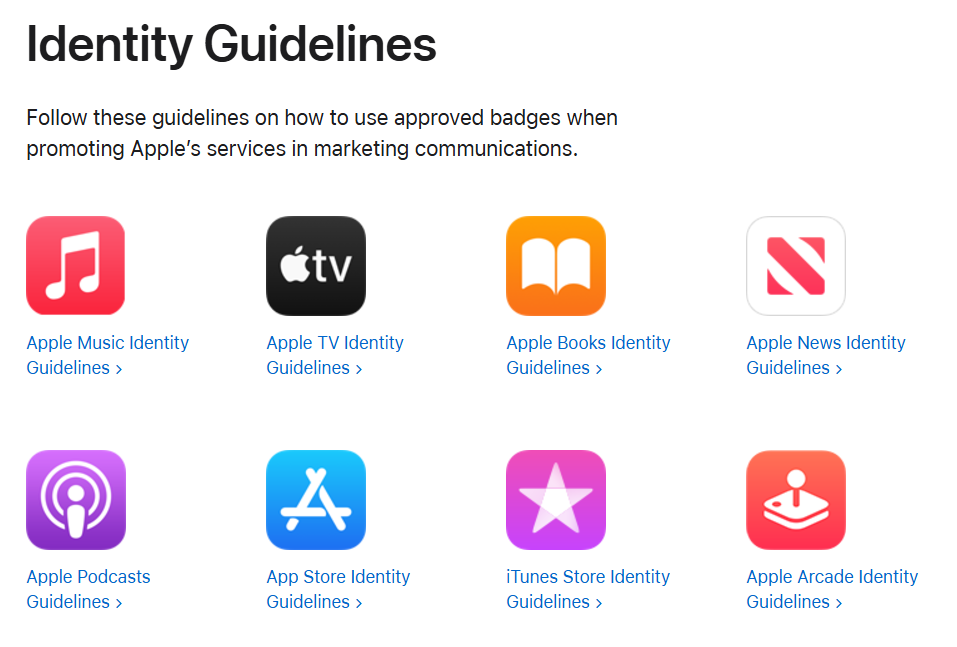
- The Affiliate Ecosystem: Through the Apple Services Performance Partners Program, the company provides strict guidelines for how its products (such as Apple Music or Apple TV+) are promoted. This ensures that third-party influencers and partners maintain the "Apple look and feel."
- Societal Impact: Apple’s public commitment to becoming carbon neutral by 2030 and its high-profile stance on user privacy are core components of its marketing. These are not just PR stunts; they are integrated into product features and corporate operations.
Practical Implementation: Building a Holistic Strategy
Transitioning to a holistic model requires a structured, data-driven approach. Organizations looking to adopt this framework should follow a multi-step process:
Defining SMART Goals: Objectives must be Specific, Measurable, Attainable, Relevant, and Time-bound. For an affiliate program, this might mean increasing "brand-aligned" traffic by 25% within six months, rather than just seeking raw click volume.
Deep Audience Research: A customer-centric approach requires knowing the audience’s demographics, psychological triggers, and pain points. Sharing these insights with affiliates allows them to create more targeted, effective content.
Cross-Departmental Coordination: Breaking down silos requires regular communication. Marketing teams should meet with product developers and customer service leads to ensure that the "promise" made in advertising matches the "reality" of the product and support experience.
Leveraging Analytics: Data-driven decision-making is the glue that holds a holistic strategy together. By tracking the entire customer journey—from the first affiliate click to the final purchase and subsequent customer service interaction—businesses can identify where the "holistic chain" is breaking and optimize accordingly.
Future Implications: AI, Sustainability, and Beyond
As the digital landscape evolves, the future of holistic marketing will be shaped by emerging technologies. Artificial Intelligence (AI) and Machine Learning (ML) are already enabling hyper-personalization, allowing brands to deliver a unified message that is tailored to the individual’s specific context.
However, technology also brings challenges. The rise of automated content generation means that maintaining brand voice across thousands of affiliate sites will become increasingly difficult. To counter this, businesses must provide their partners with "AI-ready" brand kits and clear ethical guidelines.
Furthermore, sustainability will move from a "marketing highlight" to a core operational metric. Affiliates who specialize in "green" or "ethical" shopping will become high-value partners for brands that can prove their societal impact. The ability to communicate these values transparently and consistently will be the primary differentiator in an increasingly crowded marketplace.
Analysis: The Path to Market Resilience
In conclusion, holistic marketing is not a temporary trend but a fundamental shift in how business is conducted. In a world where consumers are bombarded with thousands of messages daily, consistency is the only way to build lasting trust. For companies managing affiliate programs, the message is clear: the affiliate is not an outsider. They are an extension of the brand.
By embracing the four dimensions—Internal, Relationship, Integrated, and Societal—and fostering a culture of teamwork and open communication, businesses can create a "flywheel effect." In this model, every marketing effort supports every other effort, leading to higher conversion rates, better customer retention, and sustainable long-term growth. The "puzzle" of marketing is only complete when every piece—PR, sales, affiliates, and operations—fits perfectly together to reveal a single, powerful image. Those who fail to integrate will likely find themselves lost in the noise of a fragmented digital age, while holistic brands will continue to define the future of global commerce.

 rifanmuazin
 Ammar Sabilarrohman