The FIFA World Cup 2026, a sprawling tournament hosted across the United States, Mexico, and Canada, represents more than just a pinnacle of athletic achievement; it serves as a massive case study in strategic management, resilience, and the shifting tides of global competition. As the first edition to feature an expanded 48-team format, the tournament has provided a unique vantage point for industry analysts to observe how traditional powerhouses interact with emerging forces. Beyond the pitch, these developments offer profound parallels to the world of digital commerce, specifically within the affiliate marketing sector. By examining the structural successes and failures seen in North America this summer, marketing professionals can derive critical lessons on teamwork, market disruption, and the necessity of continuous evolution in a competitive landscape.
The Expanded Landscape of the 2026 FIFA World Cup
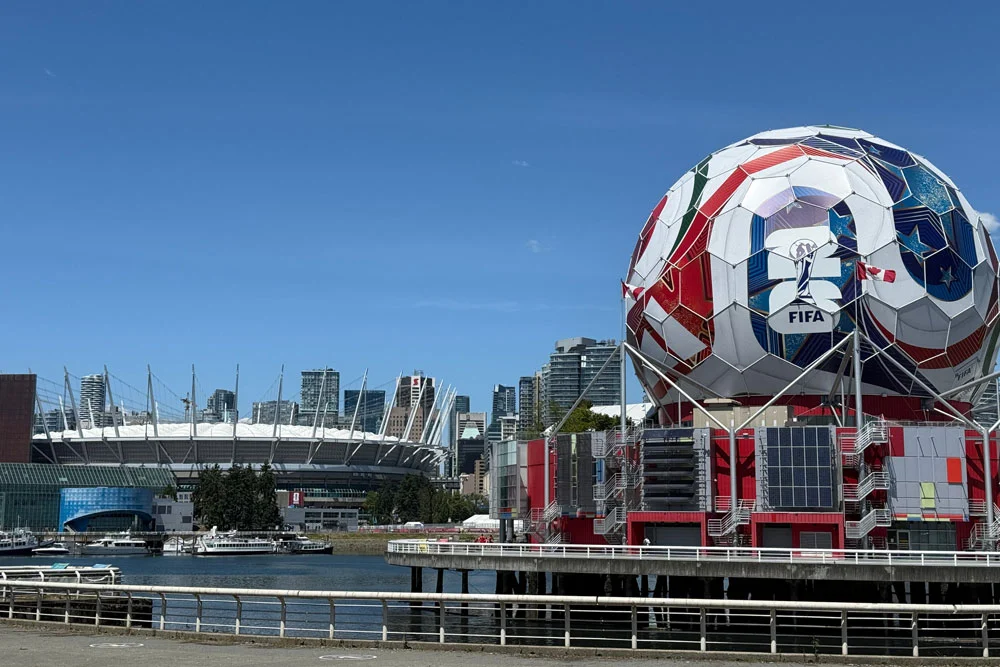
The 2026 tournament marked a historic shift in international football, moving from the long-standing 32-team structure to a 48-team field. This expansion resulted in a 104-match schedule, the largest in the history of the competition, aimed at increasing global representation. The logistical complexity of hosting games in 16 different cities—ranging from Vancouver to Mexico City to New York/New Jersey—mirrors the complexity of modern affiliate networks that must manage diverse marketing channels across various geographic and demographic segments.
In this high-stakes environment, the tournament has been characterized by a breakdown of traditional hierarchies. The presence of a larger field has not diluted the quality of play but has instead introduced a level of unpredictability that mimics the volatility of the digital marketplace. For affiliate managers and agencies, the tournament serves as a reminder that scale requires sophisticated coordination and that the "old guard" of the industry is constantly under threat from agile, well-prepared newcomers.
The Doctrine of Teamwork: Beyond Individual Brilliance
One of the most striking takeaways from the 2026 tournament has been the limitation of individual superstardom when divorced from cohesive team strategy. While the sporting world often focuses on "generational talents" like Luka Modrić or Cristiano Ronaldo, the results on the pitch have told a different story. Croatia’s inability to overcome Portugal despite Modrić’s technical mastery, and Portugal’s subsequent exit at the hands of Spain in the Round of 16, underscore a fundamental truth: individual brilliance is a component of success, but not a guarantee of it.
In the realm of affiliate marketing, this translates directly to the structure of affiliate programs. An agency or a brand may possess a single "super-affiliate" that drives a significant portion of traffic, much like a star striker. However, relying solely on one or two top-tier partners creates a precarious "single point of failure."
Diversification as a Risk Mitigation Strategy
Data from industry leaders like AM Navigator suggests that the most resilient affiliate programs are those that diversify their bases across multiple marketing channels. These include:
- Content Creators and Influencers: Driving brand awareness and top-of-funnel engagement.
- Loyalty and Reward Portals: Ensuring customer retention and high conversion rates.
- Niche Review Sites: Providing deep-funnel technical validation.
- Coupon and Deal Aggregators: Capturing price-sensitive segments.
Just as a football manager must balance a defense, midfield, and attack, an affiliate manager must ensure that no single affiliate type dominates the program to the point of imbalance. By spreading risk across various "marketing types," brands protect themselves against sudden shifts in search engine algorithms or changes in a specific affiliate’s business model.
The Rise of the Underdog: Disrupting Established Markets
The 2026 World Cup has been defined by the "underdog" narrative, a concept rooted in the writings of ancient strategists like Sun Tzu, who warned against the dangers of underestimating a less prominent opponent. The Group Stage provided a stark example when Curaçao, making its debut on the world stage, held a seasoned Ecuador team to a 0-0 draw. Similarly, in the Round of 16, Egypt’s stunning performance against the defending champions, Argentina—where they held a 2-0 lead for the majority of the match—sent shockwaves through the sporting community.
This phenomenon is equally prevalent in the commercial sector. The "mattress-in-a-box" industry provides a premier example of how an underdog can dismantle a market dominated by legacy brands. When AM Navigator launched the affiliate program for Nectar Sleep in early 2017, the brand entered a saturated market occupied by well-funded giants like Casper, Saatva, and Purple.
Case Study: Nectar Sleep’s Market Ascension
Despite its late entry, Nectar Sleep utilized a highly aggressive and data-driven affiliate strategy to gain ground. Within one year and five days of its launch, the program ascended to the number one position on the ShareASale affiliate network. This achievement meant surpassing over 5,000 other programs, including global household names like Wayfair, Reebok, and the NFL.
The success of Nectar Sleep illustrates that being an underdog is not a permanent state of disadvantage but rather an opportunity for disruption. In affiliate marketing, smaller brands can often move faster, offer more competitive commission structures, and build more personal relationships with affiliates than their larger, more bureaucratic counterparts.
The Perils of Stagnation: Why Giants Fall
Perhaps the most sobering lesson from the 2026 World Cup is that past success does not guarantee future participation. Italy, a four-time world champion, failed to qualify for the tournament entirely, a catastrophic outcome for a nation with such a rich footballing pedigree. Once the tournament began, other giants followed suit: the Netherlands was eliminated by Morocco in the Round of 32, and Brazil fell to Norway in the Round of 16.
Norway’s advancement to the Quarterfinals is particularly noteworthy. Prior to 2026, the Norwegian team had not qualified for a World Cup in nearly three decades. Their resurgence, contrasted with the exit of perennial favorites like Brazil, highlights the "dynamic" nature of competition.
Adaptation in a Shifting Digital Ecosystem
In the affiliate marketing industry, stagnation is often the precursor to irrelevance. The digital landscape is in a constant state of flux, driven by:
- Regulatory Changes: The implementation of GDPR, CCPA, and other privacy laws has fundamentally changed how tracking and data collection function.
- Browser Policies: The phasing out of third-party cookies by major browsers like Chrome has forced a shift toward server-to-server tracking and first-party data strategies.
- Search Engine Algorithms: Constant updates to Google’s ranking criteria can overnight diminish the traffic of high-performing content affiliates.
Marketing professionals who "rest on their laurels" and rely on strategies that worked five or ten years ago often find their programs declining. The transition from traditional desktop-centric affiliate marketing to mobile-first, social-commerce-integrated strategies is no longer optional; it is a requirement for survival.
Chronology of Industry Evolution and Tournament Milestones
To understand the current state of both international sports and affiliate marketing, one must look at the timeline of their respective evolutions:
- 2017: Launch of the Nectar Sleep affiliate program, proving that strategic affiliate management can allow a newcomer to dominate a crowded vertical within 12 months.
- 2022-2024: Significant shifts in the "Privacy-First" web, leading to the rise of robust attribution models in affiliate marketing.
- June 2026: Kickoff of the 48-team FIFA World Cup. The expansion validates the global appetite for diverse representation in high-stakes competition.
- July 2026: Major upsets in the Round of 16 and Round of 32 (Norway over Brazil, Morocco over Netherlands) underscore the vulnerability of established powers.
Strategic Implications for Stakeholders
The parallels between the pitch and the platform suggest several actionable strategies for Chief Marketing Officers (CMOs) and affiliate managers. First, there must be an investment in "online education as a journey, not a destination." The rapid pace of change in digital marketing tools—such as AI-driven attribution and influencer automation—requires constant upskilling.
Second, networking remains a cornerstone of the industry. Events such as the Affiliate Summit in New York provide the "scouting grounds" where marketing teams can identify the "Norways" and "Moroccos" of the affiliate world—the rising stars who can provide fresh growth and high-quality referrals before they become mainstream.
Conclusion: The Dynamic Path Forward
The FIFA World Cup 2026 has demonstrated that the gap between the elite and the emerging is narrowing. Whether in international soccer or affiliate marketing, the requirements for success remain the same: a diversified team approach, a healthy respect for the disruptive power of the underdog, and a commitment to constant evolution.
As the tournament concludes and the marketing world looks toward the next fiscal year, the message is clear: those who fail to adapt to the dynamic nature of their environment are destined to be spectators, while those who embrace change and foster collective strength will lead the next generation of the industry. The lessons learned under the lights of North America’s stadiums are not merely for athletes; they are a blueprint for any professional navigating a competitive, globalized market.


 Neng Nana
 rifanmuazin