The word "target" is paramount in the realm of marketing, representing the fundamental question of who a brand is attempting to reach. While traditional marketing segmentation often focuses on behavioral, psychographic, demographic, and geographic factors, an increasingly critical dimension is intergenerational communication. This series aims to dissect the nuances of digital marketing strategies tailored to distinct generational cohorts: Generation Z (born 1995-2010), Millennials (1980-1994), Generation X (1960-1979), and Baby Boomers (1940-1959). By understanding the unique characteristics and digital habits of each group, businesses can ensure their messages are not only seen but also resonate effectively. This initial installment focuses on the youngest of these cohorts, Generation Z, the digital natives who are rapidly shaping consumer trends and entering the global workforce.
Generation Z, often colloquially referred to as "Gen Z," has emerged as a significant demographic force, characterized by a unique set of experiences and perspectives. This generation, coming of age in an era of unprecedented technological advancement and global interconnectedness, possesses a distinct worldview that influences their consumption patterns and expectations from brands. As they transition from adolescence to adulthood, marketers are compelled to understand their digital fluency, ethical considerations, and communication preferences to forge meaningful connections.
The Genesis of Gen Z: A Digital-Native Cohort
Generation Z represents the first true digital generation. Unlike previous cohorts who witnessed the advent of the internet and mobile technology, Gen Z has known nothing but a digitally saturated world. Their formative years have been shaped by the pervasive influence of smartphones, social media, and instant access to information. This constant immersion in the digital sphere has profoundly shaped their cognitive processes, attention spans, and information processing capabilities.
Beyond their technological upbringing, Gen Z’s worldview has been molded by significant global events. They are the first generation to have no memory of the September 11th attacks, an event that fundamentally altered geopolitical landscapes and instilled a sense of global awareness from an early age. Furthermore, many Gen Z individuals witnessed their parents navigate the economic turbulence of the Great Recession, fostering a pragmatic and financially conscious outlook. Now, as they enter higher education and the professional world, they are confronted with the ongoing challenges and societal shifts brought about by the COVID-19 pandemic. These collective experiences have cultivated a generation that is often described as realistic, open-minded, and pragmatic.

The Gen Z Mindset: Pragmatism, Ethics, and Uniqueness
The defining characteristics of Generation Z are deeply intertwined with their digital fluency and the socio-economic backdrop of their upbringing. Their constant engagement with online platforms has honed their ability to quickly process vast amounts of information, leading to a notably shorter attention span for content that fails to capture their interest immediately. This necessitates a shift in marketing approaches, moving away from lengthy, intrusive advertisements towards more concise, engaging, and value-driven content.
Gen Z is also recognized for its high ethical standards and a keen sense of social responsibility. Having grown up in an era of heightened awareness regarding environmental issues, social justice, and corporate accountability, they are increasingly making purchasing decisions based on a brand’s values and its impact on the world. They are not passive consumers; they are active participants who scrutinize brand practices and expect authenticity and transparency. This ethical consumerism means that brands must not only offer quality products but also demonstrate a genuine commitment to positive social and environmental change.
Moreover, Gen Z highly values uniqueness and individuality. They are adept at curating their online identities and expressing themselves through a variety of digital mediums. This preference for distinctiveness extends to their consumption habits. They are less inclined to follow monolithic trends and more likely to seek out products and experiences that allow them to express their personal style and identity. This can translate into an appreciation for niche brands, personalized offerings, and products that facilitate self-expression.
Their skepticism towards traditional marketing is well-documented. Having been exposed to advertising across virtually all their favorite digital platforms from a young age, Gen Z has developed a discerning eye. They can readily identify inauthentic or overly promotional content, making it imperative for marketers to employ strategies that feel organic and genuinely engaging. Standing out in a crowded digital space requires creativity, authenticity, and a deep understanding of what resonates with this discerning audience.
Gen Z Consumption Habits: A Closer Look
Research from prominent institutions provides valuable insights into the consumption patterns of Generation Z. A comprehensive study by McKinsey & Company, for instance, highlighted several key aspects of Gen Z consumption that marketers should consider:

- Digital Dominance: Gen Z is inherently digital, with their purchasing journeys often beginning and ending online. They research products extensively on social media, rely on peer reviews, and are comfortable making purchases through e-commerce platforms and mobile apps. Their engagement with online content is a primary driver of their purchasing decisions.
- Value-Driven Purchases: While not necessarily driven by the lowest price, Gen Z is acutely aware of value. This encompasses not only the monetary cost but also the perceived quality, ethical considerations, and the overall experience a brand offers. They are willing to invest in brands that align with their values and provide a superior user experience.
- Influence of Peers and Influencers: Recommendations from friends, family, and trusted online influencers hold significant weight for Gen Z consumers. They often turn to social proof to validate their purchasing decisions, making influencer marketing and user-generated content particularly effective.
- Desire for Authenticity and Transparency: This generation has a low tolerance for inauthentic marketing. They expect brands to be transparent about their products, their business practices, and their societal impact. Deceptive or misleading advertising is quickly called out and can result in significant brand damage.
- Mobile-First Engagement: The smartphone is central to Gen Z’s lives. They consume content, communicate, shop, and entertain themselves primarily through their mobile devices. This necessitates a mobile-first approach in all digital marketing efforts, ensuring websites, apps, and content are optimized for seamless mobile viewing and interaction.
Strategic Marketing to Generation Z: Platforms and Messaging
Understanding the characteristics of Gen Z is only the first step; effectively translating this knowledge into actionable digital marketing strategies is crucial for engagement and conversion.
Platforms to Reach Gen Z
The digital landscape inhabited by Gen Z is dynamic and multifaceted. While certain platforms are consistently popular, their usage can evolve rapidly. Key platforms where Gen Z congregates and where brands can effectively reach them include:
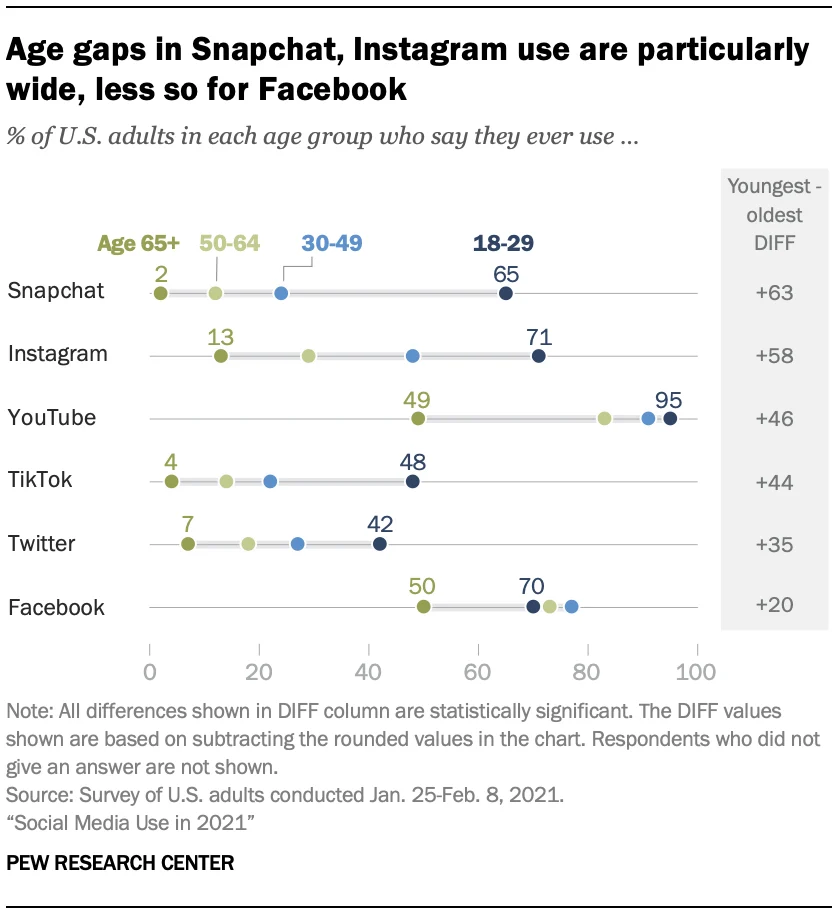
- TikTok: This short-form video platform has become a cultural phenomenon, driven by viral trends, creative content, and a powerful algorithm that personalizes user feeds. TikTok offers brands opportunities for engaging, authentic, and often humorous content that can quickly gain traction. Its emphasis on user-generated content and challenges also provides avenues for community building and brand participation.
- Instagram: While evolving, Instagram remains a significant platform for visual storytelling and brand engagement. Features like Reels, Stories, and shoppable posts offer diverse ways for brands to connect with Gen Z consumers. Visually appealing content, behind-the-scenes glimpses, and interactive elements are key to success on this platform.
- YouTube: As the dominant video-sharing platform, YouTube is a go-to destination for Gen Z for entertainment, education, and product research. Longer-form content, tutorials, product reviews, and vlogs are highly consumed. Brands can leverage YouTube through pre-roll ads, sponsored content with creators, and by establishing their own branded channels with valuable content.
- Snapchat: Known for its ephemeral messaging and augmented reality filters, Snapchat remains popular among younger Gen Z demographics. Brands can utilize its ad formats, Lenses, and Discover content to reach this audience in a more informal and interactive manner.
- Gaming Platforms and Metaverse Spaces: Gen Z’s immersion in gaming is profound. Platforms like Twitch, Discord, and emerging metaverse environments (e.g., Roblox, Fortnite) offer unique opportunities for brands to engage with this audience in interactive and immersive ways, often through in-game advertising, virtual goods, or sponsored events.
Messaging That Speaks to Gen Z
Crafting messages that resonate with Gen Z requires a departure from traditional advertising tropes. Authenticity, value, and a clear understanding of their concerns are paramount. Effective messaging strategies include:
- Authenticity and Transparency: Gen Z can detect insincerity from a mile away. Brands should communicate in a genuine voice, be transparent about their products and practices, and avoid overly polished or corporate jargon. Sharing behind-the-scenes content, employee stories, and honest product information builds trust.
- Purpose-Driven Communication: Highlighting a brand’s commitment to social and environmental causes is highly impactful. Gen Z wants to support brands that align with their values. Messaging should articulate a clear purpose beyond profit, demonstrating how the brand contributes positively to society.
- Concise and Engaging Content: Given their shorter attention spans, messages must be delivered in a digestible and captivating format. This often means leveraging short-form video, visually striking graphics, and interactive content that encourages participation.
- Humor and Relatability: Gen Z often appreciates humor and content that is relatable to their everyday experiences. Brands that can inject personality and a sense of fun into their messaging are more likely to capture their attention.
- User-Generated Content and Community Building: Empowering Gen Z to create and share content related to a brand fosters a sense of ownership and authenticity. Encouraging user-generated content, running contests, and actively engaging with their comments and feedback can build strong brand communities.
- Focus on Solutions and Value: Instead of simply highlighting product features, messages should focus on how a product or service solves a problem or adds value to their lives. This can encompass practical benefits, emotional satisfaction, or opportunities for self-expression.
- Inclusive Representation: Gen Z is a diverse generation, and they expect brands to reflect this diversity in their marketing. Inclusive representation in imagery, language, and storytelling is crucial for building resonance and avoiding alienating segments of this audience.
The Evolving Landscape of Generational Marketing
It is crucial to acknowledge that generalizations about entire generations, while useful as a starting point, must be approached with nuance. Individual experiences, cultural backgrounds, and specific industry contexts can significantly influence the preferences and behaviors of any given consumer. The insights provided here are intended to offer a foundational understanding for marketers seeking to engage with Generation Z.
As technology continues to evolve and societal landscapes shift, the characteristics and preferences of Gen Z will undoubtedly continue to develop. Therefore, a commitment to ongoing research, adaptation, and authentic engagement is essential for any brand aiming to build lasting relationships with this influential demographic. For tailored strategies and a deeper dive into crafting effective digital marketing solutions to reach and convert the Gen Z audience, consider consulting with experienced digital marketing professionals who can provide personalized guidance based on specific brand objectives and target market nuances. The journey of marketing to any generation is an ongoing dialogue, and understanding its unique language is the key to meaningful connection.