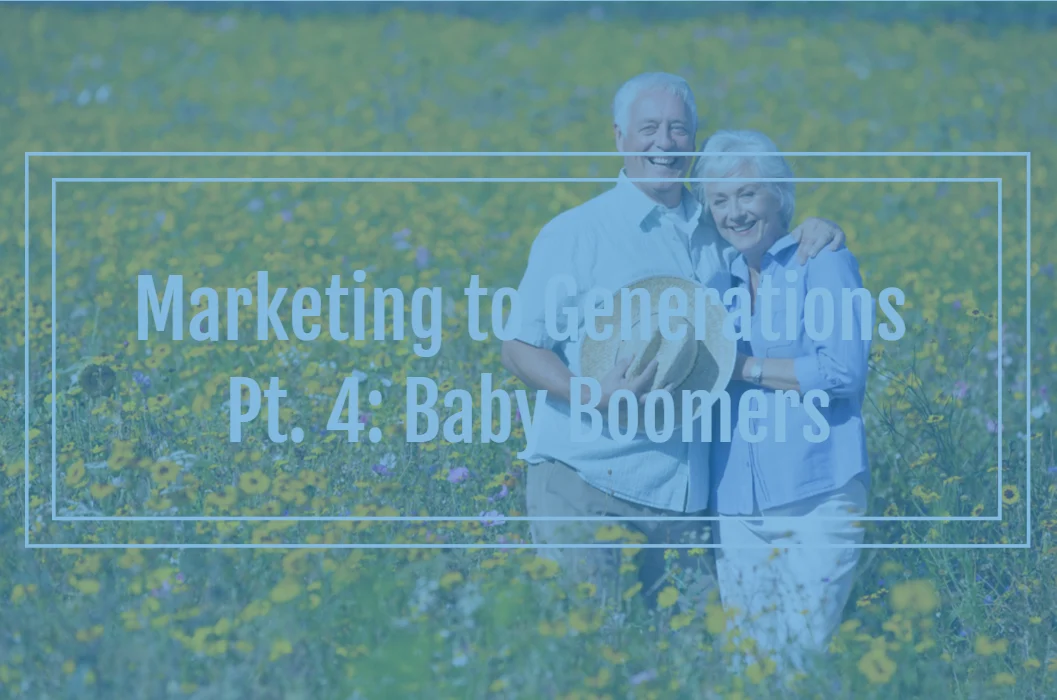
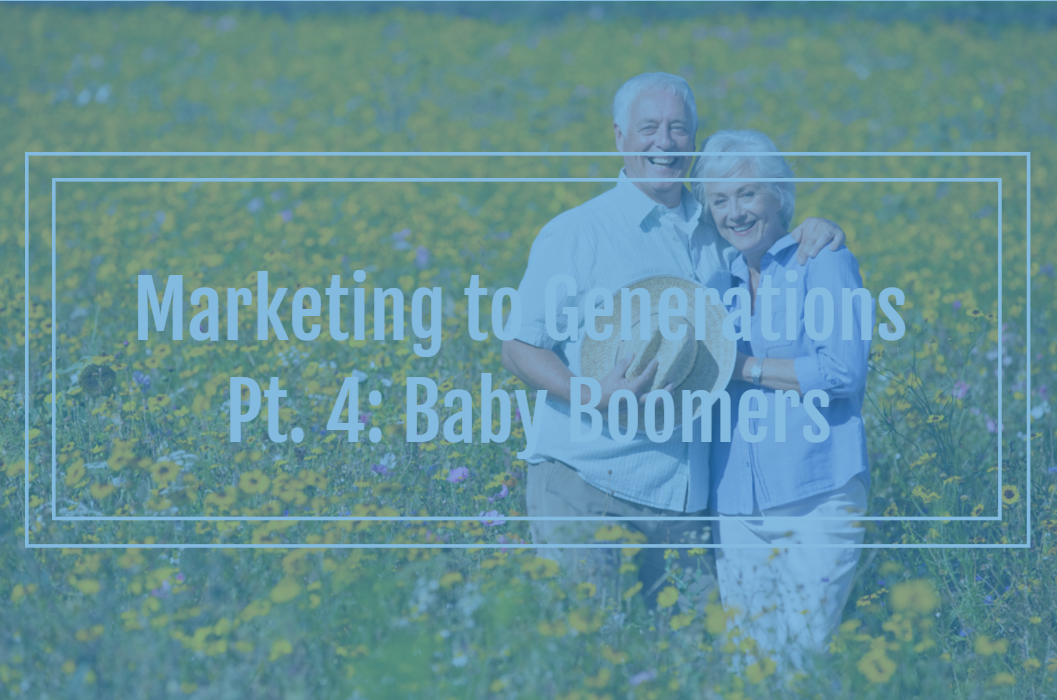
The concept of "target" is arguably the most fundamental pillar of modern marketing strategy. It dictates not only who a brand aims to communicate with but also the very essence of the message and the channels through which it is delivered. While traditional segmentation methodologies like demographics, psychographics, geographics, and behaviors provide essential frameworks, a deeper understanding of generational nuances is increasingly critical for effective outreach. This comprehensive analysis, the final installment in a series exploring digital marketing strategies for distinct age cohorts, delves into the Baby Boomer generation, offering insights into their unique perspectives, consumption habits, and how marketers can best connect with this influential demographic. Previous installments have examined Gen Z, Millennials, and Gen X, laying the groundwork for a holistic understanding of intergenerational marketing.
The Baby Boomer Generation: A Legacy Forged in Transformation
Spanning individuals born roughly between 1940 and 1959, the Baby Boomer generation represents a significant demographic bloc that has shaped and continues to influence societal and economic landscapes. Emerging in the post-World War II era, they witnessed an unprecedented period of global recovery, technological advancement, and profound social change. This generation, which for a considerable time held the distinction of being the largest single cohort, experienced a world transitioning from the immediate aftermath of devastating conflict to an era of burgeoning prosperity and expanding opportunities in many Western nations. Their formative years were marked by events that would indelibly shape their worldview, fostering a distinct set of values and expectations that continue to resonate today.
While contemporary cultural discourse sometimes casts Baby Boomers in a simplified or even cynical light, often through generational humor and social media memes, it is crucial to acknowledge the historical context that has molded their collective identity. They navigated a world grappling with the existential threat of nuclear war, experienced the upheavals of the Cold War, and, for many, faced the draft and the contentious Vietnam War. In the United States, racial segregation and the arduous struggle for civil rights were defining features of their youth, demanding resilience and a commitment to social justice. The assassinations of prominent figures like John F. Kennedy, the political turmoil of the Watergate scandal, and the economic shocks of the 1970s oil crises were not distant historical footnotes but lived experiences that contributed to a complex understanding of the world.
Despite these significant challenges, the post-war period in many developed nations was characterized by relative economic stability and growth. This environment fostered a sense of optimism and a focus on establishing secure futures. The home became a central symbol of stability and personal achievement, and traditional societal values often reasserted themselves. This backdrop significantly influenced the Baby Boomer mindset, emphasizing the importance of strong relationships, including the vital connection between businesses and their clientele. Consequently, a high standard of customer service is not merely a preference but an expectation for this generation.
Furthermore, Baby Boomers are widely recognized for their robust work ethic. This belief system is deeply rooted in the principle of reward for effort; they generally hold that dedication and hard work will lead to commensurate success. This perspective often translates into a competitive drive and a preference for long-term career development within a single organization, aiming for advancement up the corporate ladder rather than frequent job changes, although many are now in retirement. This generation also typically possesses greater accumulated wealth compared to younger demographics, a consequence of earlier, less expensive access to education and housing, coupled with decades of earning potential. This financial maturity underscores a prudent approach to spending, prioritizing value and the protection of their hard-earned assets.
Baby Boomer Consumption Patterns: Value, Service, and Tangible Experiences
The distinct experiences and values of Baby Boomers translate into specific consumption patterns that differentiate them from younger generations. While the digital revolution has undeniably impacted their habits, many Baby Boomers retain a preference for in-store shopping experiences. This inclination is intrinsically linked to their high regard for customer service and the personal interaction with knowledgeable and friendly sales staff. For businesses operating online, it is crucial to recognize that while Baby Boomers are capable online shoppers, the presence of a physical retail location can be a significant advantage. Leveraging online tools like location extensions and clear in-store information can bridge this gap.
A core tenet of Baby Boomer consumer behavior is the pursuit of value for money. As many are now in their retirement years, making sound financial decisions is paramount. This often manifests in a receptiveness to bundle sales and promotions that clearly articulate cost savings and product value. Interestingly, compared to younger generations, Baby Boomers tend to exhibit less concern for environmental sustainability in their purchasing decisions. Studies indicate they are significantly less likely than other consumer groups to actively seek out brands that prioritize energy reduction or engage in broader Corporate Social Responsibility (CSR) initiatives. This does not imply a disregard for ethical practices but suggests that for this demographic, the immediate tangible value and quality of a product or service often take precedence over altruistic brand affiliations.
Recommendations and endorsements hold considerable sway with Baby Boomers. While influencer marketing can be an effective strategy, it is imperative that the chosen influencers authentically represent the target demographic and their interests. A nuanced approach is key; many Baby Boomers actively consult their children and grandchildren for advice on product purchases, particularly concerning technology. This intergenerational influence means that marketing messages may inadvertently reach and impact multiple age groups, necessitating a consideration of family dynamics within the communication strategy.
Strategic Approaches to Marketing to Baby Boomers
Understanding the unique mindset and consumption habits of Baby Boomers is the first step; effectively reaching them requires tailored platform selection and messaging.
Platforms for Reaching Baby Boomers
While Baby Boomers may not be as prevalent on cutting-edge social media platforms like TikTok or Snapchat, a robust digital ecosystem still exists for engaging them. Traditional digital channels remain highly effective:
- Email Marketing: Direct email remains a powerful tool for reaching Baby Boomers. Personalized newsletters, promotional offers, and informational content delivered directly to their inboxes can foster loyalty and drive engagement.
- Facebook: This platform continues to be a dominant social media space for Baby Boomers. Targeted advertising, community groups, and engaging content can effectively capture their attention.
- Search Engines (Google, Bing): Baby Boomers actively use search engines to research products and services. Search engine optimization (SEO) and targeted pay-per-click (PPC) campaigns are essential for ensuring visibility when they are actively seeking solutions.
- YouTube: As a primary platform for video content consumption, YouTube offers a significant opportunity to connect with Baby Boomers through informative tutorials, product reviews, and engaging brand stories. The provided image, illustrating US adult video content consumption, often shows strong engagement from older demographics on platforms like YouTube, underscoring its importance.
- Traditional Media with Digital Integration: While not strictly digital, the continued influence of television and print media, often with accompanying online components (e.g., website articles, social media feeds), provides a dual approach to reaching this generation.
Messaging That Resonates with Baby Boomers
Crafting compelling messages requires an understanding of their values and communication preferences:
- Emphasize Value and Quality: Messages should clearly articulate the benefits and long-term value of products and services. Highlight durability, reliability, and how the offering solves a practical problem or enhances their quality of life.
- Focus on Trust and Reliability: Given their experiences and a preference for established relationships, messages that convey trustworthiness, authenticity, and a commitment to customer satisfaction will resonate strongly. Testimonials and endorsements from credible sources can bolster this.
- Highlight Ease of Use and Accessibility: For technology-related products, clear, straightforward explanations and demonstrations of ease of use are crucial. Avoid jargon and technical complexities.
- Nostalgia and Familiarity: Evoking positive memories and a sense of familiarity can create an emotional connection. This can be achieved through imagery, storytelling, or referencing cultural touchstones from their formative years.
- Direct and Clear Calls to Action: Baby Boomers appreciate directness. Clear, unambiguous instructions on how to proceed – whether it’s visiting a store, making a purchase, or contacting customer service – are essential.
- Personalization and Recognition: While general demographic targeting is important, personalized communication that acknowledges their individual needs and preferences can significantly enhance engagement. This could include personalized product recommendations or offers based on past interactions.
- Professionalism and Respect: The tone of all communication should be respectful, professional, and avoid condescension or overly casual language.
Broader Implications and Future Considerations
The Baby Boomer generation, despite their evolving presence in the workforce, continues to wield significant economic power and influence consumer trends. Their preference for tangible experiences, value, and excellent customer service provides valuable lessons for businesses across all sectors. As marketers refine their strategies, understanding the generational tapestry is not just about segmentation; it’s about fostering genuine connections built on respect for diverse life experiences and evolving needs.
The insights gleaned from examining Gen Z, Millennials, Gen X, and Baby Boomers highlight the dynamic nature of consumer behavior and the imperative for adaptive marketing strategies. As the digital landscape continues to evolve, so too will the methods of reaching and engaging these distinct cohorts. The enduring influence of Baby Boomers serves as a reminder that while generational labels provide a useful starting point, a nuanced understanding of individual needs and preferences, informed by historical context and lived experience, is paramount for lasting marketing success.
Ultimately, crafting a successful digital marketing strategy for the Baby Boomer audience, or any generation, requires a deep dive into their specific needs, motivations, and communication channels. These observations provide a foundational understanding, but the most effective campaigns are built on continuous learning, testing, and a genuine commitment to understanding the audience. For brands seeking to develop highly targeted and effective digital marketing solutions to connect with and convert their Baby Boomer audience, consulting with experienced marketing professionals can provide the specialized expertise needed to navigate this complex and rewarding demographic.