The pervasive question among entrepreneurs and small business owners embarking on their digital journey — "Do I need a website, what should I use a landing page for, or do I need both?" — reflects a fundamental strategic dilemma in establishing an effective online presence. In an increasingly competitive digital marketplace, understanding the nuanced roles of these core digital assets is paramount for setting a business on a trajectory for immediate and sustained success. Carving out a dedicated space on the internet is an essential first step toward audience building and market engagement, yet the pathways to achieve this are diverse and require careful consideration. This analysis delves into the critical similarities and differences between landing pages and websites, offering insights into their optimal deployment, and providing a framework for strategic decision-making in the contemporary digital ecosystem.
Defining the Digital Pillars: Websites vs. Landing Pages
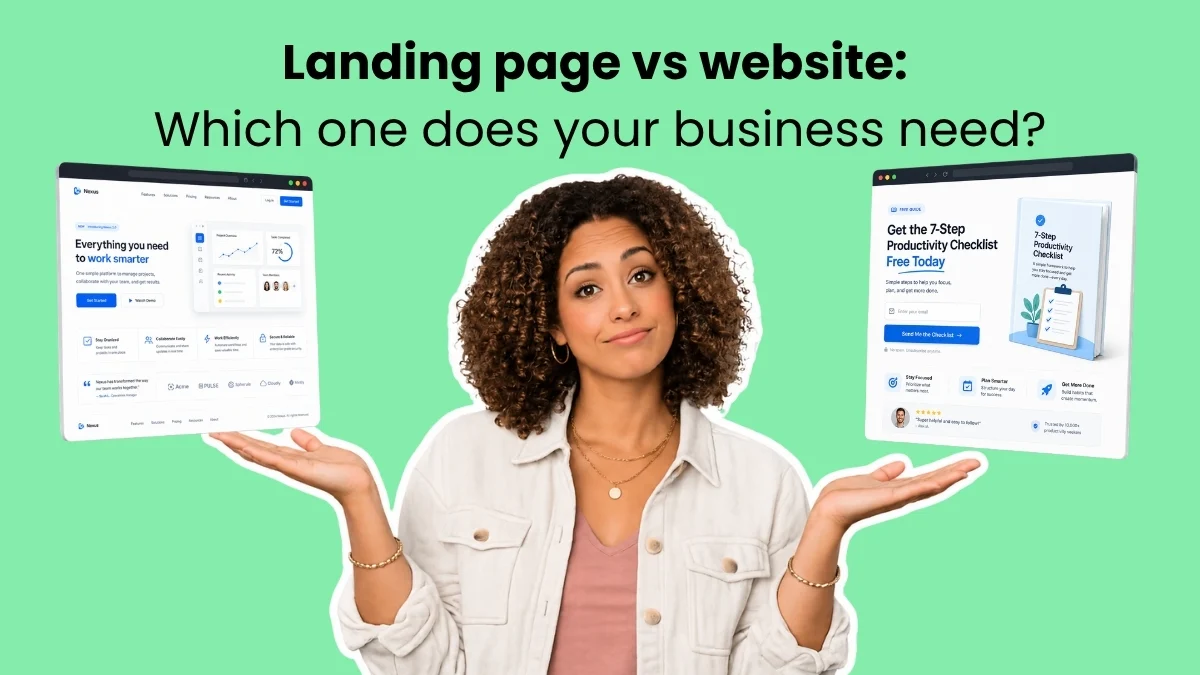
At its core, the distinction between a website and a landing page lies in their fundamental objectives and structural complexity. A website serves as a comprehensive digital hub, while a landing page functions as a highly focused conversion tool.
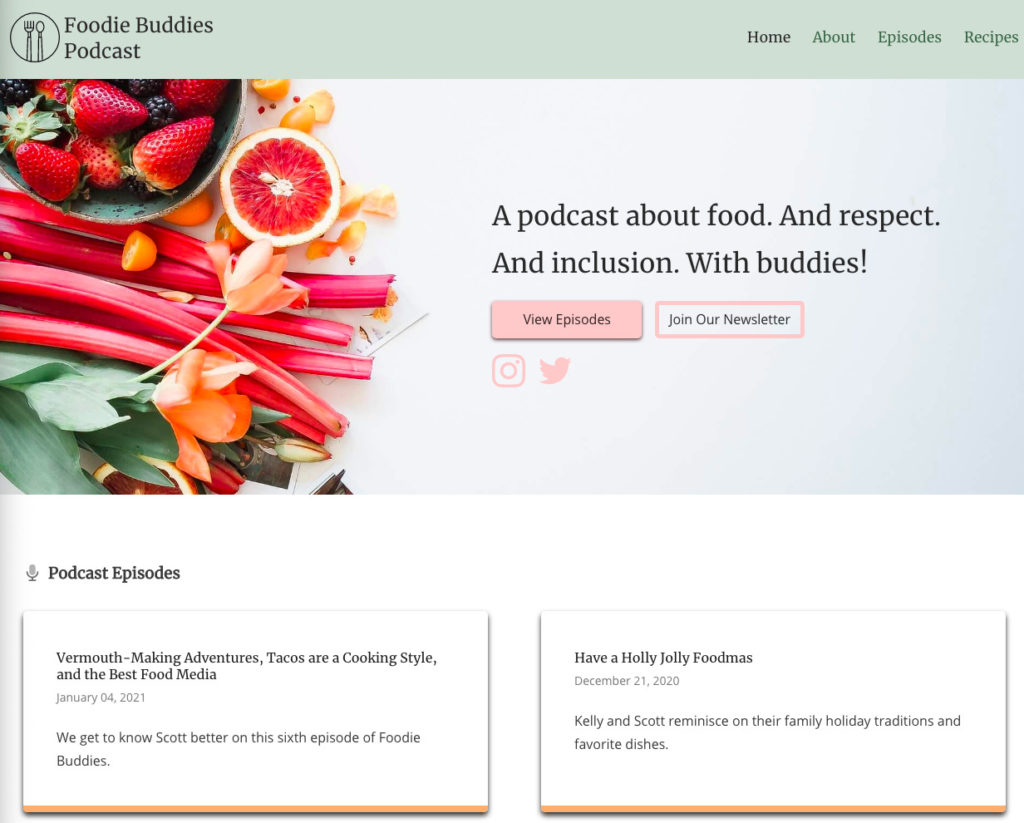
A website is typically characterized as a collection of interconnected web pages designed to provide a broad spectrum of information about a business, brand, product, or service. Its architecture usually encompasses multiple sections, such as a homepage, an "About Us" section detailing the company’s mission and history, dedicated service or product pages, a blog for content marketing and thought leadership, a contact page for inquiries, and often a frequently asked questions (FAQ) section. The primary goal of a website is exploration and education. Visitors are invited to browse, delve into various aspects of the business, find answers to diverse questions, and gradually build familiarity and trust with the brand over time. It acts as a digital storefront or corporate headquarters, offering a holistic view of the enterprise. This comprehensive nature, however, necessitates a greater investment in terms of time, financial resources for design, development, hosting, and ongoing maintenance. For instance, the "Foodie Buddies" podcast website exemplifies a multi-page structure, enabling visitors to effortlessly navigate between learning about the podcast, accessing the latest episodes, and discovering recipes, thereby fostering deeper engagement.
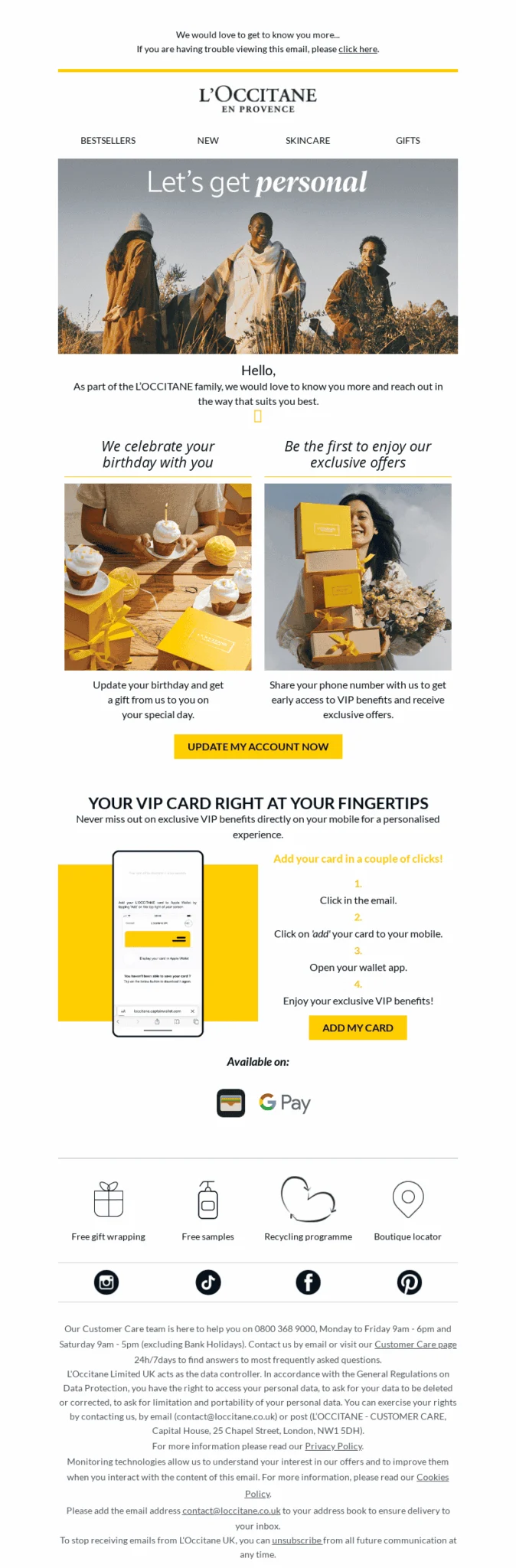
In stark contrast, a landing page is a standalone web page meticulously crafted with a singular objective and a highly focused call to action (CTA). Unlike a website, it intentionally limits navigation options, eliminating menus or extraneous links that could divert a visitor’s attention. The user experience on a landing page is linear: a visitor arrives, consumes the targeted content, and is then presented with a clear, unambiguous choice to take the intended action or to depart. Common objectives for landing pages include lead generation (e.g., collecting email addresses for a newsletter or a free download), direct sales of a specific product or service, event registration, or driving traffic to another platform, such as a social media link directory. Because every element on the page is meticulously designed to funnel the visitor towards a single conversion goal, landing pages demonstrably outperform general website pages in terms of conversion rates. The absence of navigational distractions ensures the visitor never has to deliberate on where to click next; the path is pre-determined. The "Foodie Buddies" podcast, for example, strategically employs a landing page as a link directory in their social media bios, efficiently directing followers to specific content or offers without the need for extensive browsing. This targeted approach is a cornerstone of effective digital marketing campaigns.
Historical Context and Evolution of Digital Presence
The evolution of digital presence has seen a fascinating journey from rudimentary informational websites to highly sophisticated, data-driven digital ecosystems. In the early days of the internet, websites were virtually the sole means for businesses to establish an online footprint. These early sites were often static, text-heavy, and served primarily as digital brochures. As internet adoption surged and digital marketing matured, the need for more specialized tools became evident. The rise of performance marketing, particularly pay-per-click (PPC) advertising and email marketing, necessitated a more direct and measurable approach to converting online traffic. This environment gave birth to the dedicated landing page in the early 2000s, designed to optimize the post-click experience and maximize conversion efficiency for specific campaigns.
Over the last two decades, both websites and landing pages have undergone significant transformations. Website builders have democratized web development, while landing page platforms have made campaign optimization accessible to businesses of all sizes. The current landscape emphasizes integrated strategies, where websites provide the brand foundation and long-term content strategy, while landing pages act as nimble, high-conversion instruments for specific marketing initiatives. This chronological development underscores a continuous refinement in digital strategy, moving towards more targeted and data-informed engagement with online audiences.
Key Differentiators: A Strategic Comparison
Understanding the core differences between these two digital assets is crucial for making informed strategic decisions.
-
Objective: A website aims for broad exploration, brand building, and establishing an authoritative online presence. A landing page, conversely, is singularly focused on driving a specific, measurable action, such as an email signup, a download, or a purchase.
-
Structure and Navigation: Websites are multi-page environments with extensive navigation menus, allowing users to move freely between various sections. Landing pages are single-page entities with minimal or no navigation, intentionally designed to prevent users from straying from the primary call to action.
-
Content Scope: Websites house a wide array of content, from company history and product catalogs to blog articles and support documentation. Landing pages are lean, presenting only the essential information required to persuade a visitor to take the desired action, often using persuasive copy and clear visuals.
-
Resource Investment: Building and maintaining a comprehensive website typically demands a significant investment of time, money (for design, development, hosting, and ongoing content creation), and specialized expertise. Landing pages, especially with modern drag-and-drop builders, can be launched in minutes to hours, often at a lower cost, sometimes even included as part of email marketing or marketing automation platforms.
-
SEO Potential: Websites, particularly those with robust content strategies (blogs, resource centers), are powerful tools for long-term search engine optimization (SEO), attracting organic traffic over time through relevant keywords and valuable content. While landing pages can be optimized for specific keywords for paid campaigns, their single-page nature generally offers less organic SEO potential compared to a multi-page website.
-
Analytics and Performance Tracking: Tracking user behavior on a website can be complex, involving analysis of page views, bounce rates across multiple pages, and conversion funnels. Landing pages offer straightforward, highly focused analytics, making it easier to track conversion rates for a specific goal and quickly identify areas for optimization.
When to Deploy Each Strategy: Optimizing Business Outcomes
The decision to use a website, a landing page, or both, hinges on specific business objectives, current resources, and the stage of the business.
Strategic Use of a Website:
A website is indispensable for:
- Established Businesses and Brands: Companies with diverse product lines, extensive service offerings, or a rich content library benefit from a centralized hub that showcases their breadth and depth.
- Comprehensive Brand Building: For businesses aiming to build a strong brand identity, establish authority, and foster long-term customer relationships through extensive information and resources.
- Content Marketing and SEO: A blog or resource section within a website is crucial for attracting organic traffic, demonstrating expertise, and building a loyal audience over time.
- E-commerce Platforms: Businesses selling multiple products require a website with an integrated e-commerce functionality to manage product catalogs, shopping carts, and secure transactions.
- Providing Diverse Information: If visitors regularly need answers to a variety of questions—from pricing details to customer support—a website provides a structured environment where each answer can have its dedicated space.
Strategic Use of a Landing Page:
Landing pages are ideal for situations demanding focus and immediate action:
- Targeted Marketing Campaigns: When running paid advertisements (PPC on Google, social media ads on Facebook/Instagram), sending traffic to a highly relevant landing page dramatically improves conversion rates compared to directing users to a general homepage.
- Lead Generation: Offering a lead magnet (e.g., an e-book, webinar registration, free trial) requires a dedicated landing page to capture visitor information efficiently.
- Product Launches and Beta Testing: To generate excitement, collect early sign-ups, or validate market interest for a new product or service before a full website launch.
- Event Registrations: Streamlining the sign-up process for workshops, conferences, or online events.
- Startups and New Ventures: For businesses just starting out, a landing page offers a quick, cost-effective way to establish an online presence, test market demand, and begin building an email list without the upfront investment of a full website.
- Social Media "Link-in-Bio": A single landing page can serve as a directory, linking to various current offers, content, or external profiles from a social media bio.
The Synergy of Digital Assets: An Integrated Approach
Critically, websites and landing pages are not mutually exclusive; rather, they often operate in a powerful synergy. Even businesses with robust, multi-page websites strategically leverage landing pages for their conversion-focused marketing efforts. For instance, a company might publish a blog post on its main website (for SEO and informational purposes) and then include a call to action within that post, directing readers to a specific landing page to download a related resource or sign up for a service. This approach ensures that while the website builds long-term brand equity and organic visibility, dedicated landing pages are optimized for specific, short-term conversion goals. Digital marketing experts frequently emphasize sending ad traffic and email promotions to focused landing pages, recognizing that a website’s homepage, with its numerous navigational options, presents too many "exit points" that can dilute conversion intent. This integrated strategy creates a cohesive digital ecosystem where each asset plays a distinct yet complementary role in the customer journey.
Data-Driven Insights and Industry Benchmarks
The strategic deployment of websites and landing pages is supported by compelling industry data.
- Conversion Rates: Landing pages consistently demonstrate higher conversion rates compared to general website pages. While average website conversion rates can vary widely, many homepages convert in the low single digits (e.g., 1-3%), due to their broad informational purpose. In contrast, well-optimized landing pages often achieve conversion rates between 5% and 15%, with some highly targeted campaigns reaching even higher figures. Data from various marketing reports indicates that industries with strong lead magnets or clear product offers can see average landing page conversion rates around 9.7%, significantly higher than the overall website average.
- Cost Efficiency: The financial outlay for a custom-designed, multi-page website can range from a few thousand dollars for basic sites to tens of thousands for complex e-commerce or enterprise solutions, plus ongoing hosting and maintenance fees. Conversely, landing pages can be created using affordable, subscription-based tools (often included with email marketing platforms like AWeber) that eliminate the need for significant upfront design and development costs. This cost differential makes landing pages particularly attractive for startups and small businesses operating with limited budgets.
- Mobile Responsiveness: With over half of all global web traffic originating from mobile devices, the mobile-friendliness of both websites and landing pages is non-negotiable. Landing page builders typically offer responsive templates that ensure optimal viewing across all devices, simplifying the optimization process for businesses focused on conversion.
Expert Perspectives and Future Trends
Industry analysts consistently advocate for a dual-pronged digital strategy. Digital marketing strategists like Neil Patel have long emphasized the power of dedicated landing pages for campaign-specific conversions, noting their ability to eliminate distractions and streamline the user journey. The rise of artificial intelligence (AI) in content creation is further empowering businesses, allowing for rapid generation of compelling headlines and persuasive copy for both website content and landing page elements, thereby reducing the time and expertise required for effective digital outreach. The "no-code" movement, enabling individuals to build sophisticated web presences without traditional programming, is also democratizing access to both website and landing page creation, further lowering barriers for small businesses and solo entrepreneurs.
Implications for Small Businesses and Startups
For the vast majority of small businesses and startups, the choice between a website and a landing page is not a permanent one but rather a decision based on their current needs and resources.
- Accessibility: Landing pages provide an accessible entry point into the digital world, allowing businesses to test ideas and gather leads without a substantial initial investment.
- Cost-Effective Market Testing: New ventures can validate their product or service ideas by building a simple landing page to gauge interest and collect feedback before committing resources to a full-scale website or product development.
- Scalability: Many businesses successfully operate purely on a series of landing pages, leveraging email marketing as their core communication channel. This model, often seen with coaches, creators, and consultants, uses landing pages as "front doors" to capture subscribers, with email sequences then handling education, trust-building, and promotions—effectively replacing many functions of a traditional website.
- Integrated Solutions: Platforms like AWeber exemplify this integrated approach, offering landing page builders alongside email marketing tools, ensuring that sign-ups seamlessly flow into an email list, triggering automated welcome sequences and nurturing campaigns. This integrated approach allows businesses to manage their online presence and customer communications from a single platform.
Conclusion
The decision between a website and a landing page is not a matter of one being inherently superior to the other, but rather a strategic choice dictated by specific business objectives, available resources, and the desired customer journey. A website serves as a comprehensive digital identity, fostering long-term brand recognition and providing a wealth of information. A landing page, conversely, is a highly efficient, conversion-focused tool designed for immediate action and campaign effectiveness. For many businesses, particularly those in their formative stages or those running targeted marketing campaigns, starting with or strategically utilizing landing pages offers a nimble, cost-effective path to achieving specific goals and validating market demand. As a business matures and its offerings diversify, integrating a comprehensive website alongside dedicated landing pages often represents the most robust and scalable digital strategy, creating a powerful synergy that maximizes both brand presence and conversion potential in the dynamic online landscape.