In an increasingly volatile digital landscape, the concept of digital ownership for small businesses has transitioned from a beneficial add-on to an absolute necessity. Business owners navigating the complexities of the online world often find themselves in a perpetual chase, striving to keep pace with ever-changing algorithms and platform demands. This struggle highlights a critical vulnerability inherent in building a brand solely on "rented land," prompting experts to advocate for a more foundational, ownership-centric approach.
The urgent need for digital sovereignty was a central theme in a recent discussion featuring prominent social media expert Peg Fitzpatrick, author of "The Art of Small Business Social Media," and Kinsey Soderberg, a leading voice in the artificial intelligence (AI) space and host of the "Feel Good Social" podcast. Their conversation underscored that relying exclusively on third-party social media platforms poses significant risks, emphasizing the strategic imperative for businesses to reclaim control over their digital presence.
The Shifting Sands of the Digital Landscape: A Chronology of Influence
The evolution of digital marketing for small businesses offers a telling chronology of increasing dependency on external platforms. In the early 2000s, a simple website served as the primary online hub, a digital storefront controlled entirely by the business owner. With the advent of Web 2.0 and the rise of social media platforms like MySpace, then Facebook (launched 2004), Twitter (2006), and later Instagram (2010) and TikTok (2016), businesses were encouraged to build communities and market directly where their audiences resided.
Initially, these platforms offered unprecedented reach and engagement, seemingly democratizing marketing for small enterprises. However, this accessibility came with a hidden cost: a gradual erosion of control. As these platforms matured, they introduced complex algorithms that dictated content visibility, often prioritizing paid advertising and engagement metrics over organic reach. Businesses found themselves at the mercy of opaque systems, with their content’s performance subject to arbitrary shifts that could drastically impact their audience connection and sales funnels.
The experience, as described by Fitzpatrick, is akin to "constantly chasing the algorithm." One day, content might soar, reaching thousands; the next, it might vanish into obscurity. This unpredictable environment creates immense pressure for small business owners, who are often advised to "be everywhere, all the time," a mandate that frequently conflicts with their limited resources and time.
The Imperative of Digital Sovereignty: Risks of Building on Rented Platforms
The core issue, as highlighted by Fitzpatrick and Soderberg, is the fundamental difference between owning an asset and renting one. When a business builds its presence exclusively on platforms like Instagram, Facebook, or TikTok, it is, in essence, building on rented land. These platforms dictate the rules, control the algorithms, and can change their terms of service, monetization policies, or even shut down entirely, often with little warning.
A stark reminder of this vulnerability is the demise of Google Plus. Launched in 2011 by tech giant Google, it was touted as a major competitor to Facebook. Many businesses and individuals, including Fitzpatrick, invested significant time and resources into building substantial communities on the platform. Fitzpatrick herself amassed 1.5 million followers on Google Plus. Yet, despite its backing from Google, the platform was ultimately shut down in 2019, rendering all the accumulated effort and audience engagement on that specific platform obsolete overnight. This incident serves as a powerful cautionary tale: platform longevity is never guaranteed, regardless of the parent company’s stature.
More recently, discussions surrounding the potential ban or forced sale of TikTok in various countries underscore the ongoing instability inherent in relying on third-party platforms. For businesses that have built their entire brand and customer acquisition strategy around TikTok, such a move could be catastrophic, severing direct access to their audience and dismantling years of content creation. According to a 2023 report by Statista, approximately 60% of small businesses in the U.S. use social media for marketing, with a significant portion relying heavily on platforms like Instagram and Facebook. This high dependency creates systemic risk when core business functions are outsourced to entities with their own, often conflicting, agendas.
Pillars of Owned Digital Assets: Practical Steps Toward Control
To mitigate these risks and foster long-term growth, experts advocate for "digital sovereignty" – a strategic approach that prioritizes owned digital assets. This means focusing on channels where the business retains complete control over its content, data, and audience relationships. The primary pillars of digital ownership include:
-
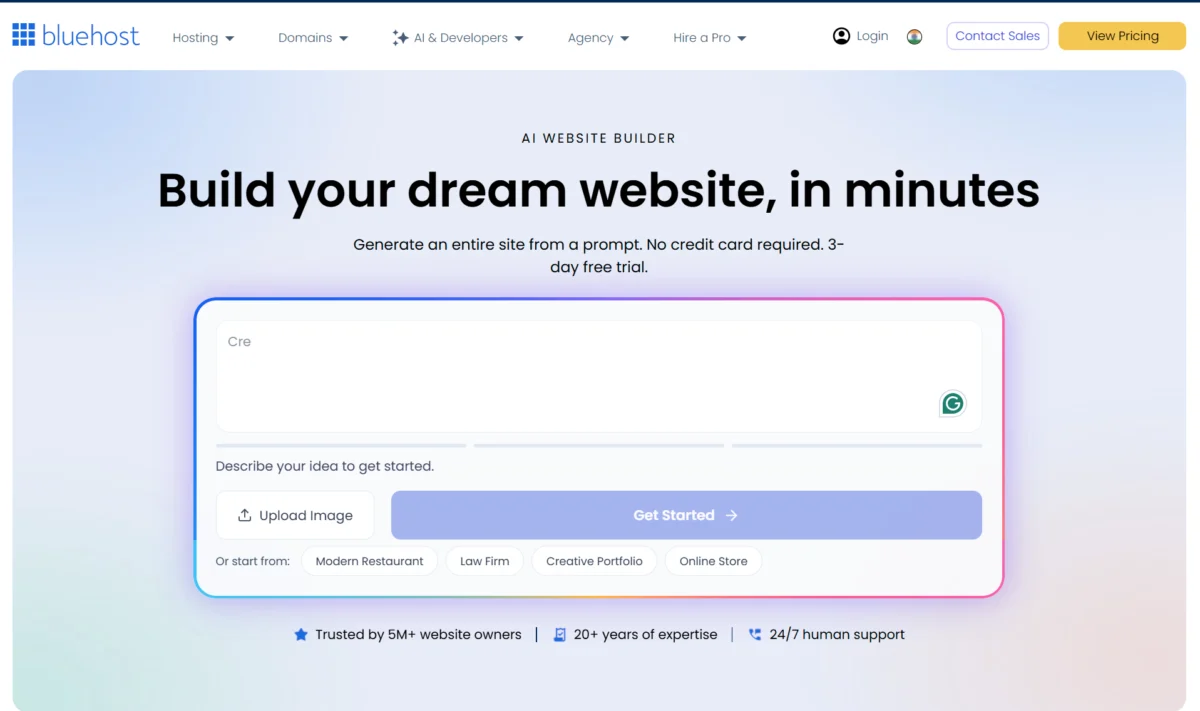
The Business Website: This is the undisputed cornerstone of digital ownership. A website serves as a business’s central digital home, a repository for all essential information, products, services, and content. Unlike social media profiles, a website is entirely customizable, free from algorithmic interference (beyond SEO best practices), and offers direct conversion opportunities. According to a 2023 survey by Clutch, 64% of small businesses have a website, yet many still underutilize its potential as a primary lead generation and sales tool. A robust website also acts as the central hub for search engine optimization (SEO), ensuring discoverability through organic search, a far more stable and reliable traffic source than social algorithms.
-
The Email List: Email marketing remains one of the most effective and resilient digital communication channels. An email list represents a direct line of communication with customers and prospects, independent of any social media platform. Businesses own their subscriber data, meaning they can reach their audience directly without needing to "pay to play" or contend with algorithm changes. A 2023 report by Litmus revealed that email marketing consistently delivers a high return on investment (ROI), often cited as $36 for every $1 spent, significantly outperforming many social media advertising efforts. Building an email list offers a sustainable way to nurture leads, announce new products, and maintain customer relationships, even if social platforms shift or disappear.
-
Podcasts and Long-Form Content: For businesses engaging in content creation, producing podcasts, blog posts, or long-form video content on owned channels (like a self-hosted blog or YouTube channel where content can be downloaded and repurposed) offers another layer of ownership. While distribution might occur on platforms like Spotify or Apple Podcasts, the raw audio and intellectual property belong to the creator. As Kinsey Soderberg noted, podcast content can have an incredibly long shelf-life, with listeners discovering episodes from years ago and still finding value. This "evergreen" content continues to drive traffic and engagement long after its initial publication, a stark contrast to the fleeting nature of most social media posts.
Expert Recommendations: Strategic Focus and Time Management
Peg Fitzpatrick, drawing on her 14 years of experience in social media, having worked with major brands like Canva, Audi, and Guy Kawasaki, emphasizes the importance of strategic focus. "It’s not about doing more, it’s about doing what matters," she advises. This means consciously allocating time and energy to activities that directly support business growth and digital ownership, rather than being perpetually distracted by the demands of social media.
Both Fitzpatrick and Soderberg agree that platforms like Instagram and TikTok, while valuable for brand awareness and community building, are often "shiny objects" and "time sucks" that may not directly translate into revenue. "Instagram is not the place that you’re gonna make your money," Fitzpatrick states bluntly. She advocates for treating social media as a visibility tool, a place for brief interactions and community engagement, but not the primary engine of sales or lead generation.
Soderberg, a solopreneur, echoes this sentiment, stressing the need to consciously evaluate where energy is spent. She prioritizes her podcast, product development, and email list, viewing Instagram primarily as a space for community interaction, akin to "turning to a coworker and saying something funny." This perspective helps manage the psychological pressure to perform on social media, allowing for a more authentic and less overwhelming approach.
A key practical recommendation from Fitzpatrick is to schedule specific, limited times for social media engagement, such as checking messages and comments in the morning and evening, and then putting the phone away. She also strongly advises against having notifications on, as constant interruptions severely hinder focus and productivity. This disciplined approach allows small business owners to dedicate their "creative energy" to core business activities and the development of owned digital assets.
The Role of Niche Platforms: Pinterest as a Strategic Outlier
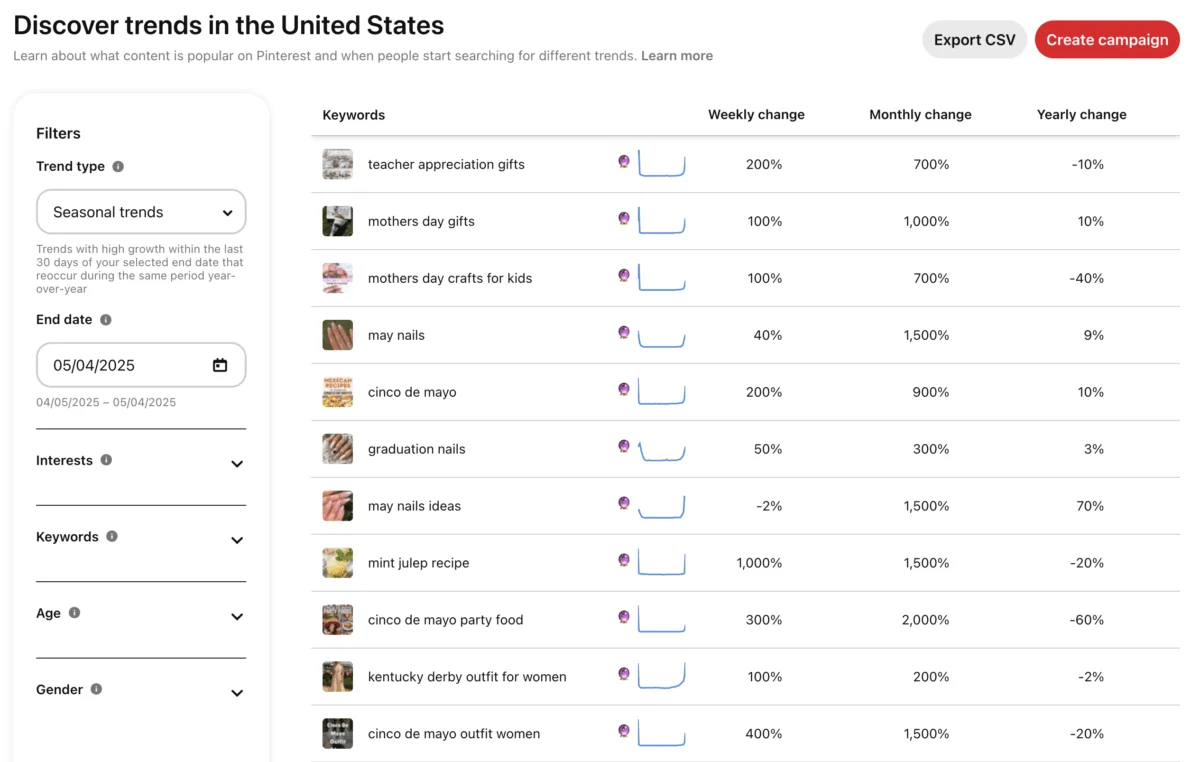
While general social media platforms often prioritize engagement within their ecosystem, Fitzpatrick highlights Pinterest as a unique outlier that aligns more closely with digital ownership principles. She notes that Pinterest is "a hundred percent the best for that, the most positive place to be." Unlike other platforms that keep users scrolling endlessly, Pinterest’s core goal is to inspire users to "go do" the things they find, actively encouraging them to leave the platform.
Crucially, every single pin on Pinterest can link directly to a business’s website, podcast, or email signup page, making it an incredibly effective traffic driver. Fitzpatrick confirms, "I get way more traffic to my blog from Pinterest than I do from anything else. It’s been my number one traffic driver for visibility for a decade, literally." Moreover, Pinterest’s content strategy is less demanding; creating just "one new original piece of content a week" is sufficient for strong engagement, a far cry from the daily content grind often demanded by Instagram or TikTok. This positions Pinterest as a valuable, actionable platform that supports, rather than detracts from, a digital ownership strategy.
Future-Proofing Your Brand: Implications for Long-Term Growth
The broader implication of embracing digital ownership is the creation of a resilient and sustainable business model. In a landscape characterized by constant platform updates, algorithmic shifts, and evolving consumer behaviors, businesses that own their digital assets are inherently more adaptable and secure. They are not beholden to the whims of tech giants or the latest viral trend.
By focusing on a strong website, a robust email list, and owned content channels, small businesses build direct relationships with their audience, fostering loyalty and trust that transcend any single platform. This foundational thinking is what separates short-term noise from long-term growth. It empowers businesses to pivot their strategies, adapt to new technologies, and continue communicating with their customers, even if external platforms face disruptions or disappear.
In conclusion, the message from leading experts is clear: digital ownership is no longer a luxury but a strategic imperative for small businesses seeking to thrive in the modern online economy. By prioritizing owned assets like websites and email lists, strategically utilizing supportive platforms like Pinterest, and managing "rented" social media spaces with discipline, businesses can build a durable, future-proof presence that puts them firmly in control of their destiny.