
 rifanmuazin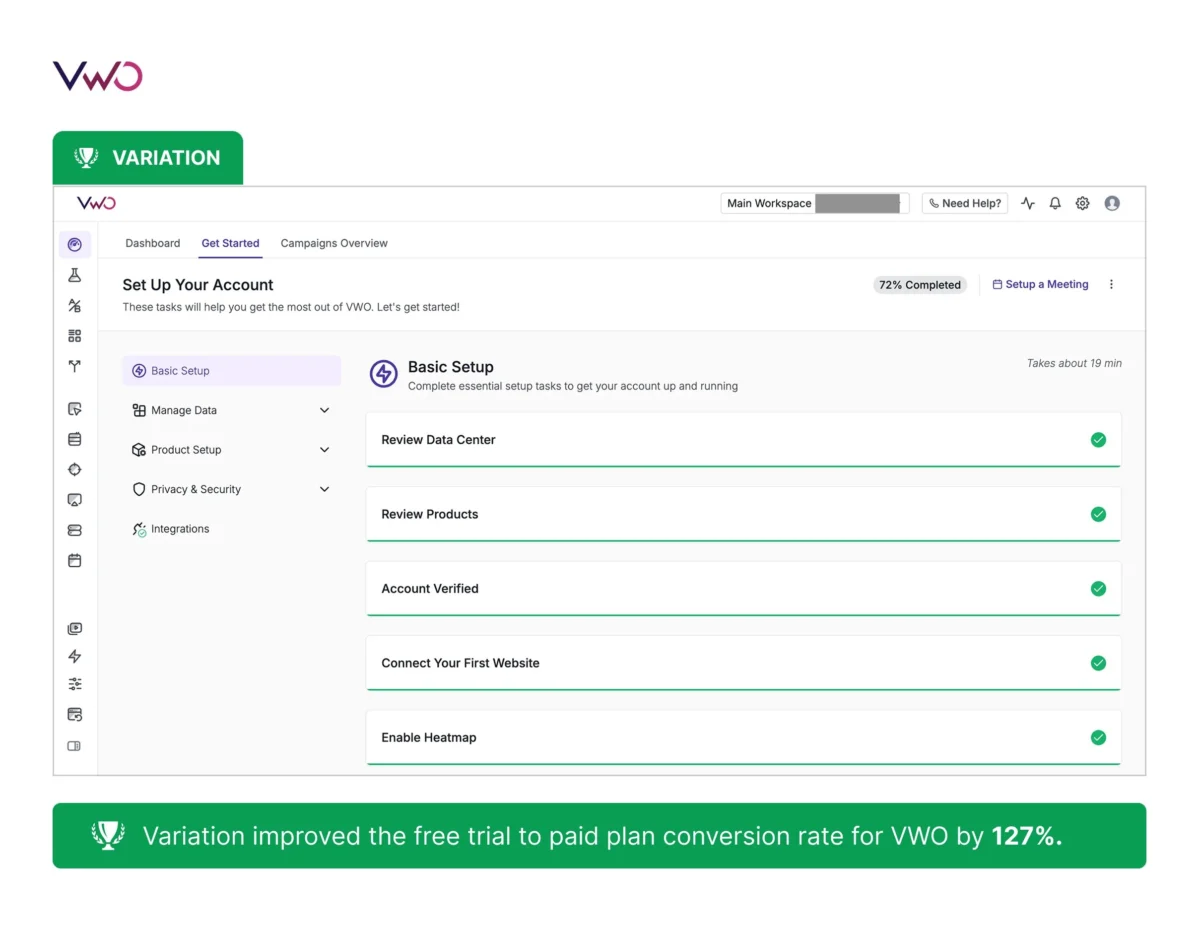
The digital marketplace has reached a critical inflection point where the traditional focus on top-of-funnel traffic acquisition is no longer sufficient to guarantee long-term business viability. As global markets move toward 2026, the competitive frontier has shifted entirely to the space between the initial click and the final conversion. Industry data indicates that 65% of modern consumers now prioritize a single positive brand experience over even the most sophisticated advertising campaigns. In this climate, growth is not merely won through visibility but through the delivery of frictionless, relevant, and personalized journeys at every digital touchpoint.
Customer experience (CX) analytics has emerged as the essential framework for navigating this complexity. By transforming raw behavioral signals, user drop-offs, and real-time feedback into predictive insights, organizations can now anticipate customer churn, automate hyper-personalization, and execute high-impact experiments. This strategic discipline moves beyond surface-level metrics to reveal the "why" behind user behavior, providing a roadmap for continuous optimization and sustained revenue expansion.
The Strategic Framework of Customer Experience Analytics
At its core, customer experience analytics is the systematic process of gathering and interpreting customer data across a multitude of interactions. This encompasses every touchpoint a consumer has with a brand, from initial website navigation and mobile app usage to support ticket history and social media engagement. Unlike traditional web analytics, which may focus on page views or session durations, CX analytics seeks to understand the emotional and behavioral state of the user.

By analyzing these signals, businesses can identify latent pain points that are often invisible in standard reporting. For instance, a high volume of "rage clicks"—repeatedly clicking a non-responsive element—signals a specific UI failure that a simple bounce rate metric would fail to capture. The goal is to move from a reactive posture, where companies fix problems after they occur, to a proactive stance that utilizes data to refine the journey before friction leads to abandonment.
The Evolution of the CX Analytics Cycle
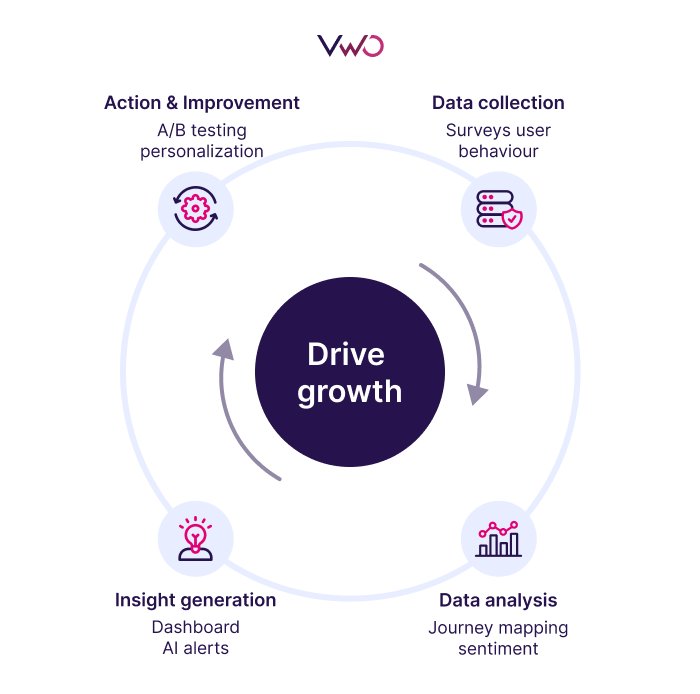
Modern customer experience management operates within a four-step continuous improvement cycle. This iterative process ensures that data does not remain stagnant but is instead funneled into actionable business strategies.
1. Multi-Source Data Collection
The foundation of any CX strategy is the aggregation of data from disparate silos. In the current ecosystem, this involves integrating data from Customer Data Platforms (CDPs), Customer Relationship Management (CRM) systems, and real-time behavioral tracking tools. Key data sources include:
- Behavioral Data: Heatmaps, session recordings, and clickstream data.
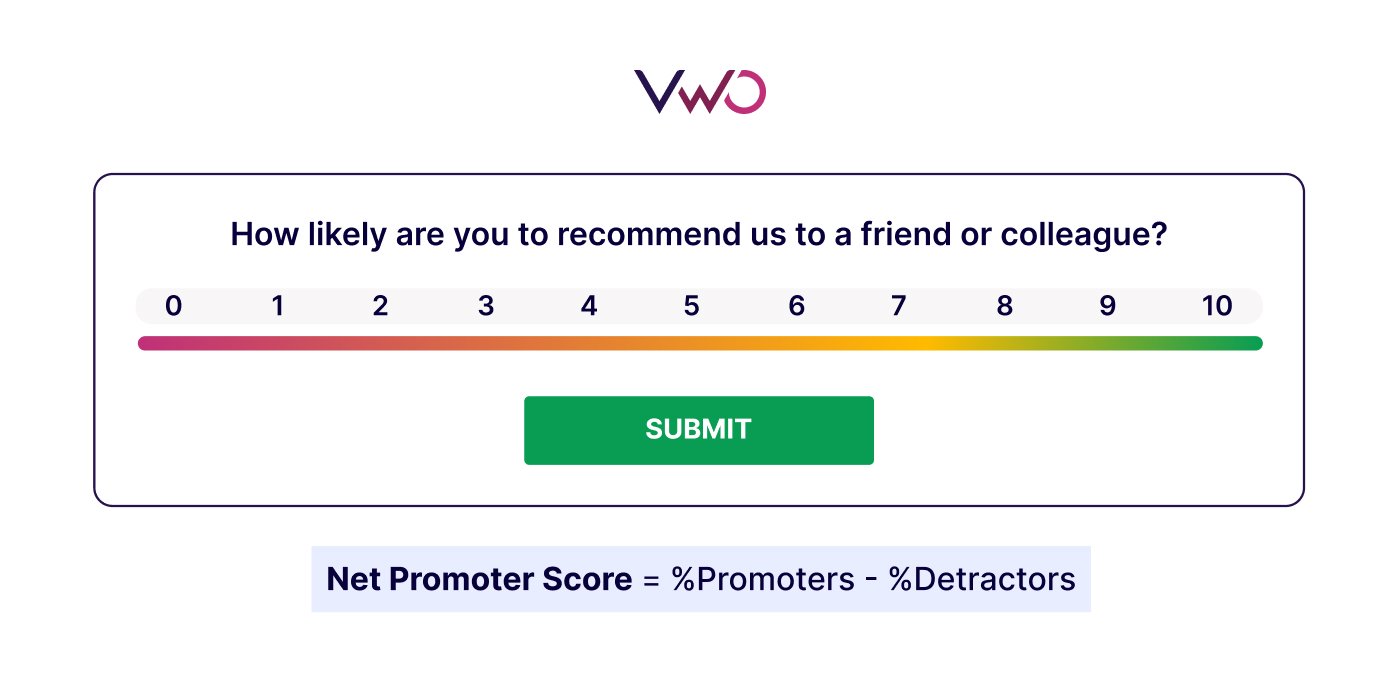
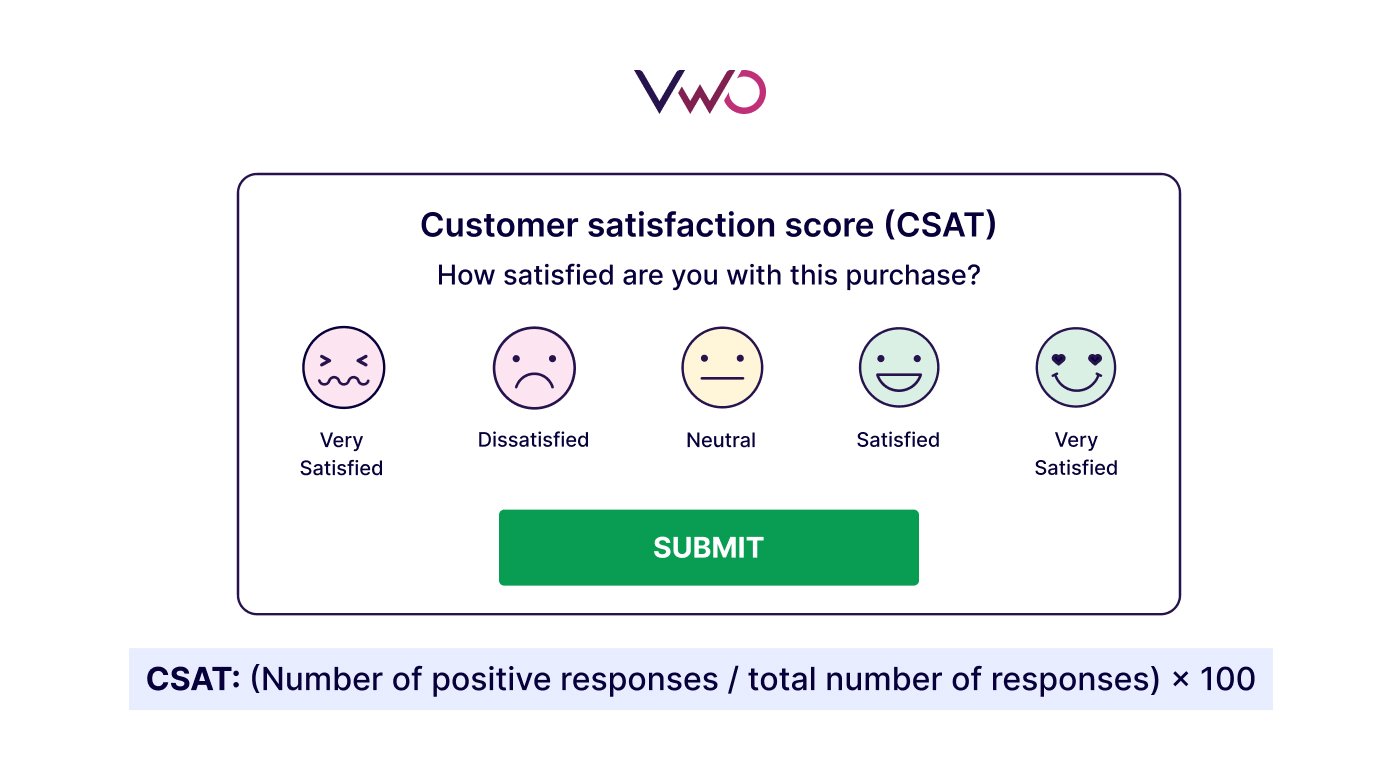
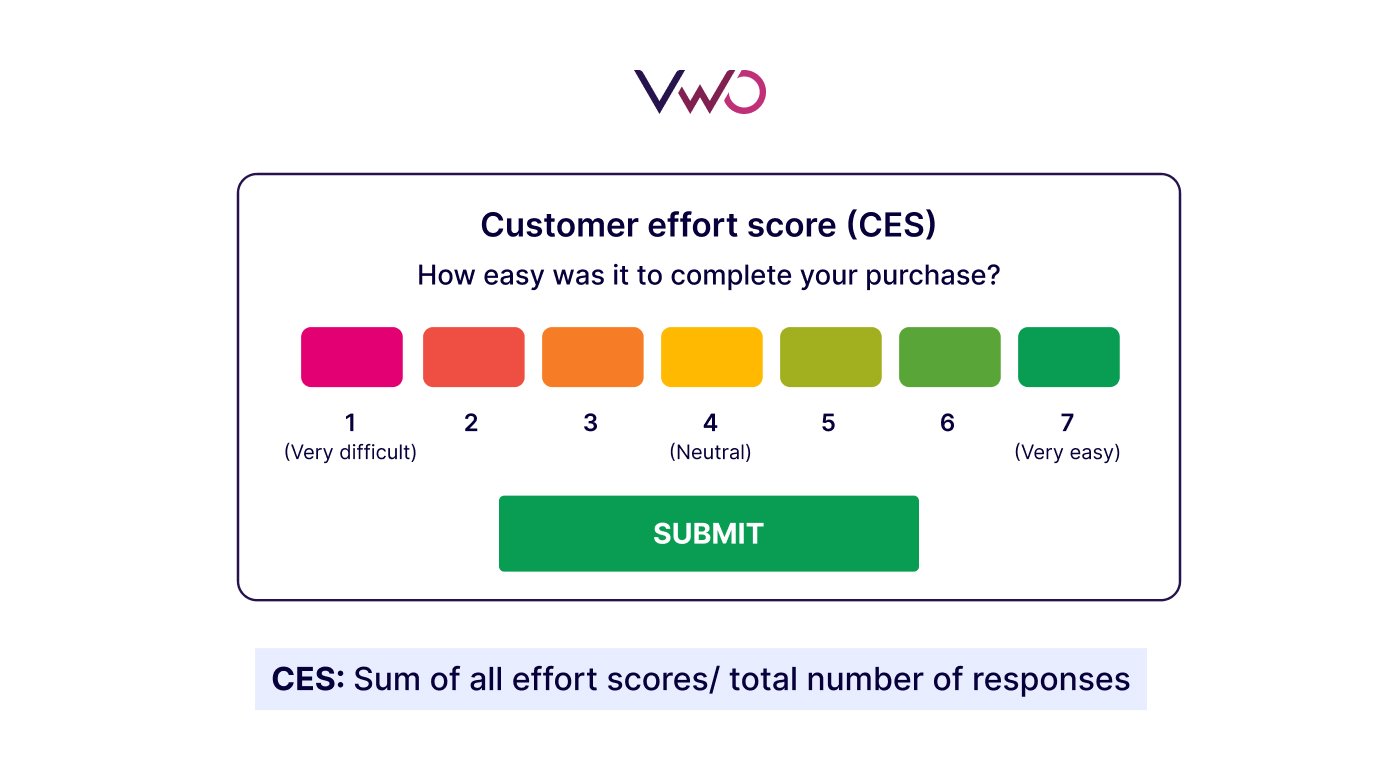
- Voice of the Customer (VoC): Direct feedback from NPS, CSAT, and CES surveys.
- Operational Data: Support ticket logs, average resolution times, and transaction histories.
- Contextual Data: Device types, geographic locations, and referral sources.
2. Advanced Data Analysis and Segmentation
Once centralized, the data must be cleaned and standardized. Organizations utilize advanced techniques such as sentiment analysis—using Natural Language Processing (NLP) to gauge the emotional tone of support chats—and cohort analysis to track how specific groups of users behave over time. Segmentation allows teams to understand why a loyal customer might suddenly show signs of churn versus why a first-time visitor might abandon a cart.
3. Visualization and Insight Generation
Data is only valuable if it is interpretable by decision-makers. High-performing organizations use interactive dashboards to map the entire customer journey visually. These platforms often incorporate AI-driven capabilities to surface high-impact issues automatically. For example, an automated alert might notify a product manager that mobile checkout abandonment has spiked by 15% on a specific browser version, allowing for an immediate technical audit.
4. Implementation and Closed-Loop Feedback
The final stage involves cross-functional collaboration between marketing, product, and customer service teams. Insights are used to launch A/B tests or personalization campaigns. The impact of these changes is then measured against the original baseline, creating a "closed-loop" system where every optimization is validated by subsequent data.
Quantifying Success: Key Metrics for 2026
To effectively manage the customer experience, organizations must track a balanced scorecard of metrics that reflect both short-term satisfaction and long-term loyalty.
Emotional and Perceptual Metrics
- Net Promoter Score (NPS): A measure of long-term advocacy.
- Customer Satisfaction Score (CSAT): A transactional metric captured immediately following an interaction.
- Customer Effort Score (CES): A critical predictor of churn that measures how easy it was for a user to accomplish their goal.
Behavioral and Financial Metrics
- Customer Churn Rate: The percentage of users who cease their relationship with the brand.
- Customer Lifetime Value (CLV): The total projected revenue from a single customer account over the duration of the relationship.
- Conversion Rate: The efficiency of the digital funnel in driving desired actions.
Service Excellence Metrics
- First Contact Resolution (FCR): The ability of support teams to solve issues in a single interaction, which correlates highly with customer retention.
- Average Response Time (ART): A measure of service attentiveness across digital channels.
Sector-Specific Applications: Case Studies in CX Optimization
The practical application of CX analytics varies by industry, yet the underlying principle remains the same: use data to remove friction.
eCommerce: FLOS USA
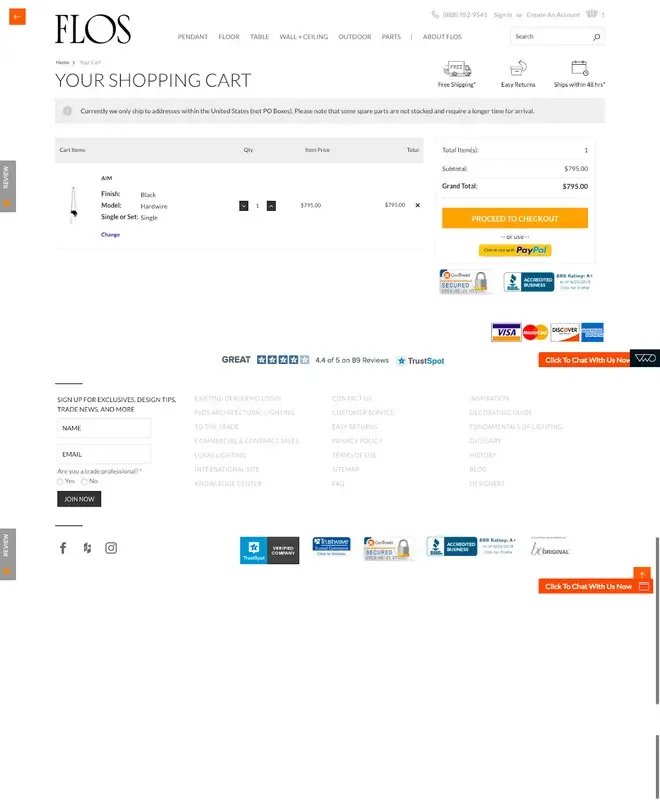
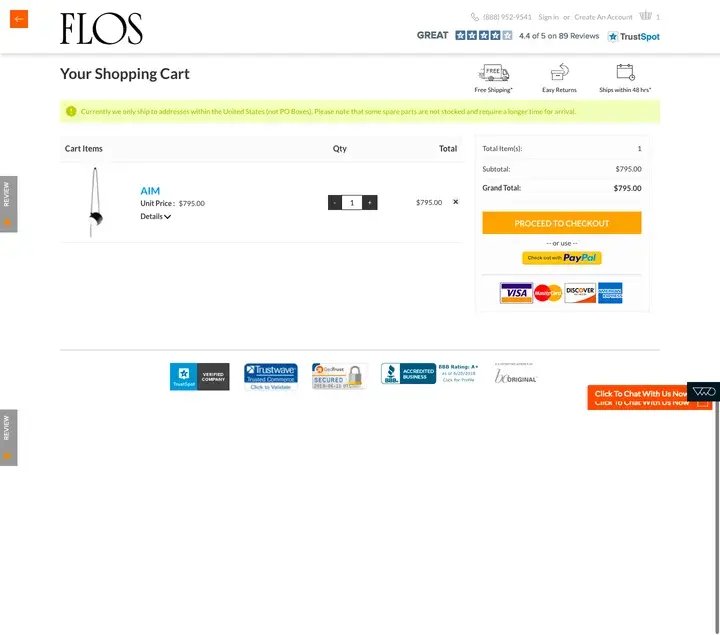
High-end lighting retailer FLOS USA faced a challenge common to luxury brands: high interest but low checkout conversion. By deploying behavioral analytics, the team identified that the "guest checkout" process was overly complex, leading to abandonment at the final payment stage. By simplifying the UI and reducing the number of required form fields based on session recording insights, the brand was able to significantly lift its conversion floor.
SaaS: VWO Onboarding
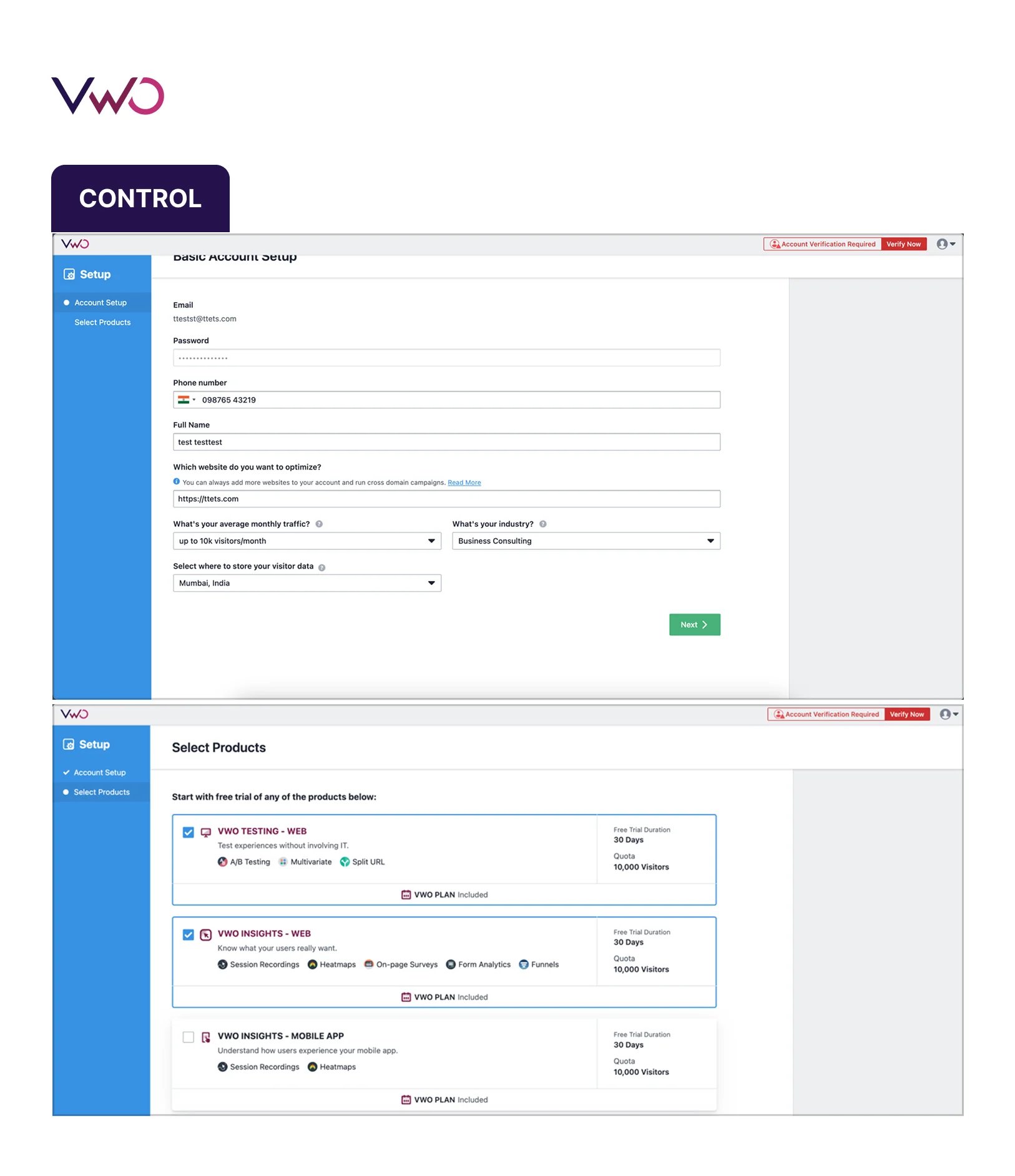
Software-as-a-Service (SaaS) companies live or die by user activation. VWO, a leader in the experimentation space, used its own analytics suite to overhaul its onboarding flow. By analyzing where users stalled during the setup process, they transitioned from a generic "one-size-fits-all" welcome to a structured, milestone-based journey. This led to higher feature adoption rates and a reduction in early-stage churn.
Telecommunications: Tele2
In the highly competitive subscription market, Tele2 utilized CX analytics to address declining mobile renewal rates. Analysis revealed that users were overwhelmed by the number of plan options on mobile devices. By implementing a "simplified choice" architecture—tailoring plan recommendations based on the user’s previous data consumption—Tele2 saw a marked increase in plan renewals.
The Impact of Artificial Intelligence on CX Analytics
Looking toward the latter half of the decade, Artificial Intelligence (AI) is fundamentally altering the CX landscape. AI-driven "Copilots" are now capable of analyzing thousands of session recordings in seconds, summarizing complex behavioral patterns into executive briefs. Predictive analytics models can now flag "at-risk" customers with high accuracy before they even contact support, allowing companies to offer proactive incentives.
Furthermore, generative AI is enabling "hyper-personalization at scale." Rather than segmenting users into broad buckets, companies can now dynamically adjust website copy, imagery, and offers in real-time based on an individual’s unique behavioral history. This level of relevance is becoming the baseline expectation for consumers.
Conclusion: The Path Forward for Data-Driven Brands
The transition to an experience-led growth model is no longer optional. As acquisition costs continue to climb across all digital channels, the ability to retain and expand existing customer relationships is the primary driver of profitability. Customer experience analytics provides the empirical foundation necessary to make these improvements.
By integrating behavioral data with direct customer feedback and validating every change through rigorous experimentation, businesses can ensure that their digital evolution is guided by evidence rather than intuition. In 2026 and beyond, the brands that thrive will be those that view every customer interaction not as a transaction to be processed, but as an experience to be understood, optimized, and mastered. The ultimate goal of CX analytics is to create a seamless synergy between business objectives and user needs, ensuring that every click leads to a meaningful connection.








